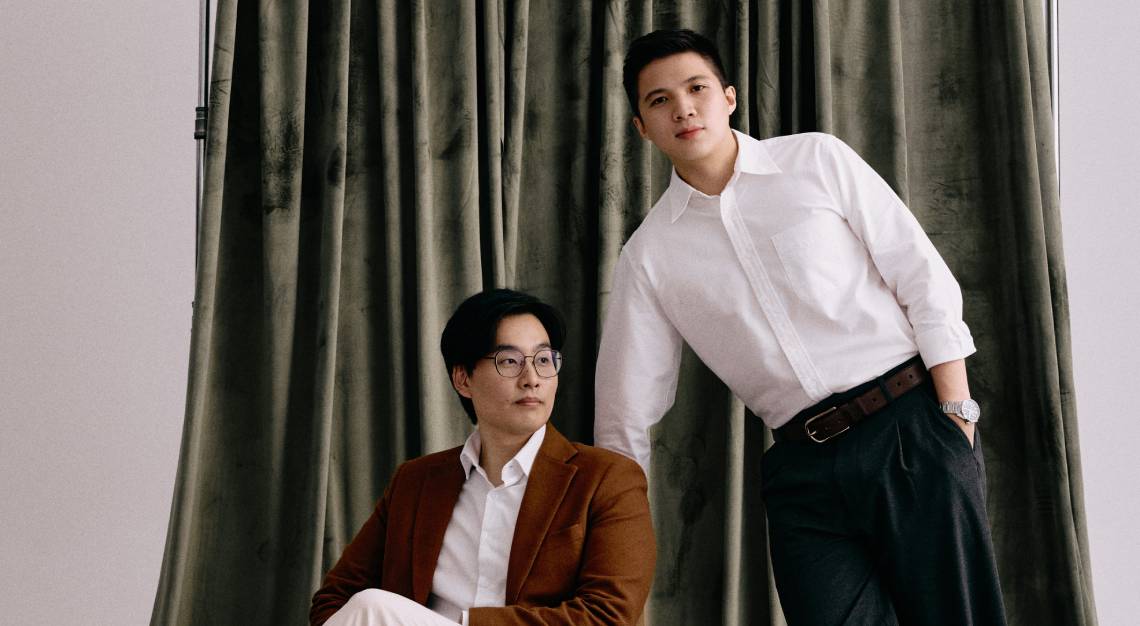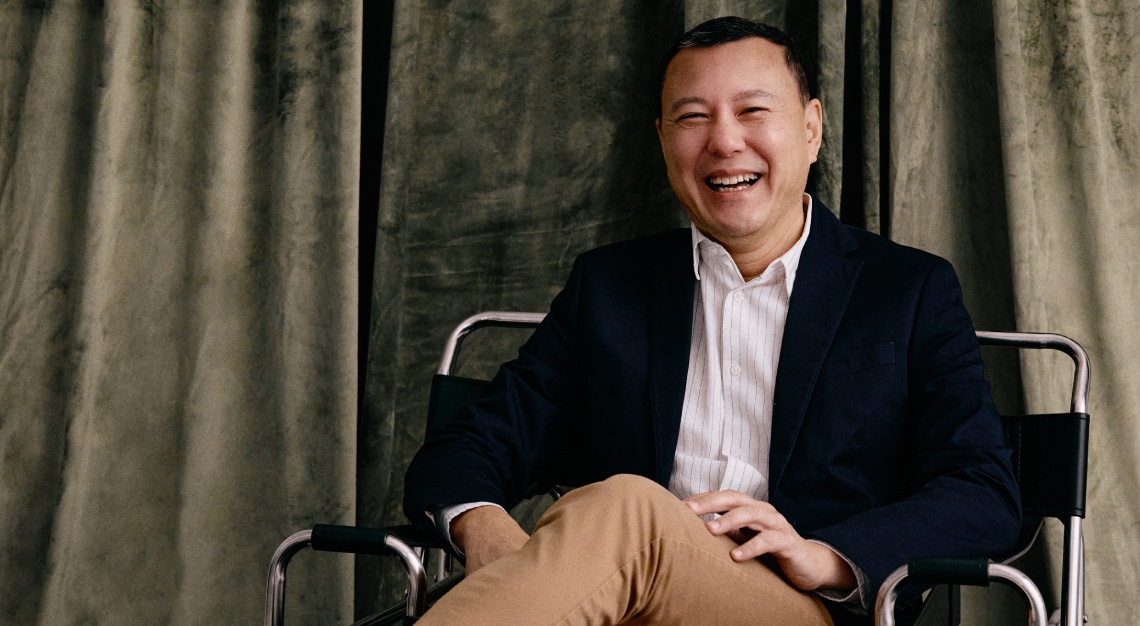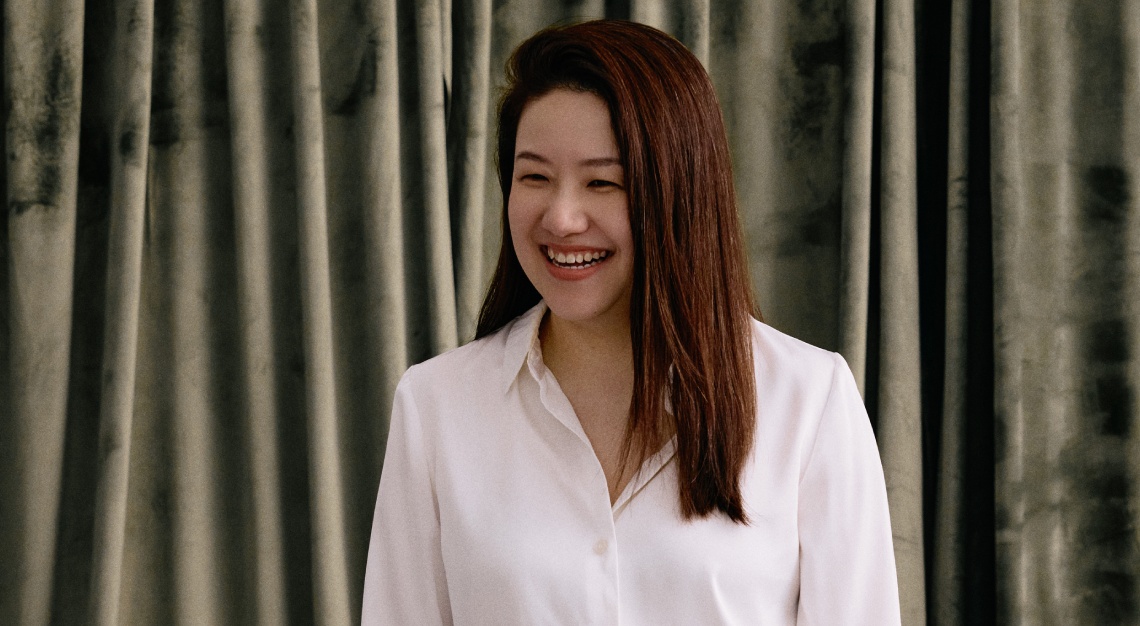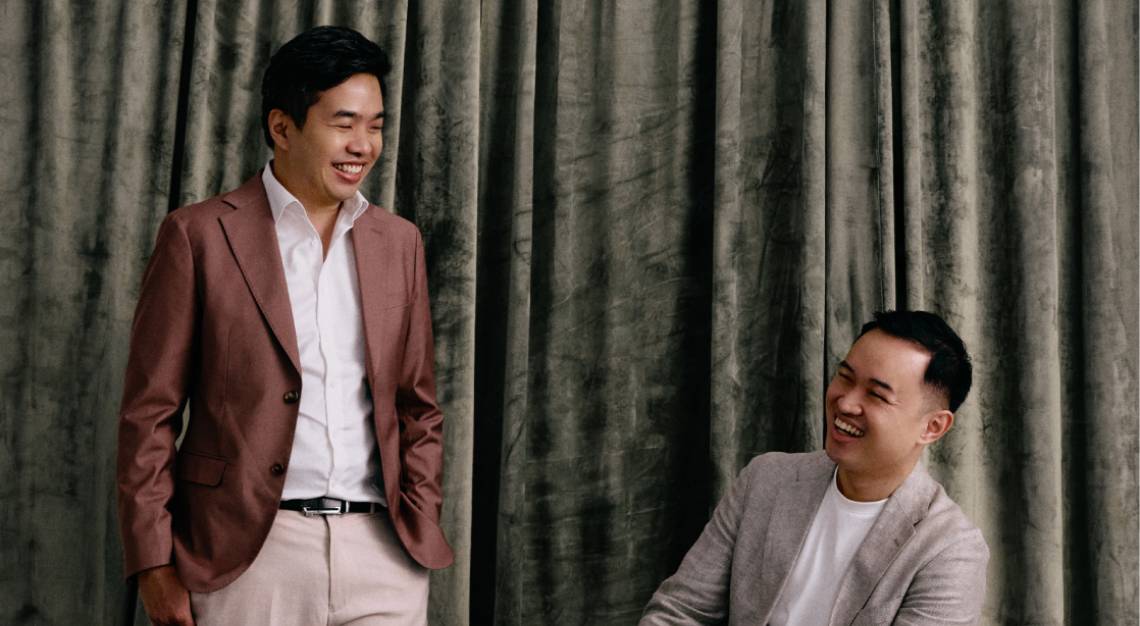
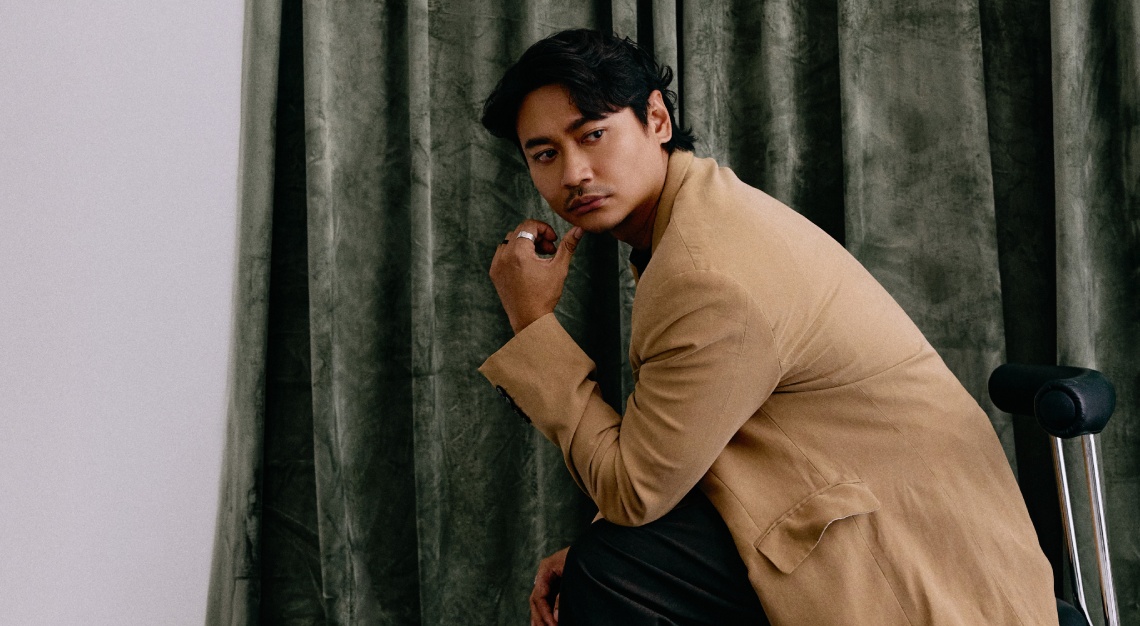
“Follow your instincts and have the courage to just do it. You might fail, you might get it wrong, but you’ll learn something along the way.” – Firdaus Sani
Some histories are easy to find. Others survive in family stories, old photographs, recipes, and memories passed down from one generation to the next. For Firdaus Sani, reconnecting with his own history began during the quiet of the COVID-19 pandemic, when he found himself looking closely at what it means to be an Orang Laut (an indigenous maritime community).
A fourth-generation Orang Laut descendant, Firdaus grew up with ties to Semakau, an island that his maternal grandparents called home before they were relocated to the mainland. Today, Pulau Semakau is best known as Singapore’s offshore landfill, but for Firdaus and his family, it carries memories of a community, a way of life, and traditions shaped by the sea.
In 2020, he started Orang Laut SG to bring those memories back into conversation—beginning with food, then growing into an effort to preserve oral histories and cultural practices that might otherwise fade from view.
The following year, he founded The Black Sampan, extending his work into the wider arts, culture, and social impact space. Today, his practice spans community programmes and storytelling, focused on making overlooked histories more visible and giving communities space to tell their own stories.
Tell us about some career highlights.
One of my biggest milestones was Hari Orang Pulau, which we organised in 2025 as Singapore’s first Islanders’ Day. Around 5,000 people came together to celebrate islander cultures and histories through workshops, conversations, food, performances, and guided walks, many led by community members themselves.
What made it especially meaningful was seeing the community take ownership of the space and share their stories on their own terms. For me, the high point was not necessarily the number of attendees, but what they represented. Hari Orang Pulau showed that there is genuine public interest in Singapore’s indigenous and maritime histories, and that community-led cultural work can have a place within our national cultural landscape.
How has your upbringing shaped the way you see Singapore today?
Growing up in a one-room flat in Telok Blangah, after my family was relocated there with other Southern islanders, I thought that was simply how everyone in Singapore lived. Sometimes 10 to 15 of us would share the same small space. It was cramped and we didn’t have much, but it was also close, communal, and full of love.
It was only later that I realised we were considered poor. As a child, I didn’t understand my family through what we lacked, but through what we had: family and community.
Over time, I’ve come to understand how ideas of poverty, success, and a ‘good’ way of living are shaped by larger social and structural forces. I no longer believe everyone starts from the same place and simply moves forward differently. Our circumstances are shaped by histories and systems much larger than ourselves.
What keeps you going on hard days?
The community and the people who believe in the work. On difficult days, I remind myself that I’ve never done this alone. I’m grateful for my team, family, peers, and everyone who has supported the cause over the years. The work can feel heavy, especially when advocating for histories and communities that have not always been given the space or recognition they deserve. But knowing there are people walking alongside me makes it easier to keep going.
Share with us a memorable piece of advice you’ve received.
The most valuable advice I’ve received is to pick your battles and to always remember who we are fighting for: the community. Not every battle needs to be won and not every disagreement needs a response.
What’s an experience that has stayed with you?
An experience that has stayed with me was meeting Nenek Kancil from the Orang Suku Laut community in the Riau Islands. We met while supporting the community’s efforts to protect an ancestral burial ground that was at risk of being cleared for development. As the nipah palms around her were gradually destroyed, her health also deteriorated. It reminded me that for many indigenous communities, our relationship with place is not just physical, but also spiritual, emotional, and deeply embodied. It made me think about how displacement and environmental loss can affect not only the land, but the people who are deeply connected to it.
What’s a recurring thought or message you give yourself?
“What’s the worst that can happen?” I find myself saying that a lot. Follow your instincts and have the courage to just do it. You might fail or get it wrong, but you’ll learn something along the way. Sometimes, I think the bigger regret is not trying at all.
The Black Sampan / Orang Laut SG
Photography by Eugene Lee of Enfinite / Hair & Makeup by Sveta Klyn of Suburbs Studio