More than a century after the Austro-Hungarian monarchy chose this South Tyrolean forest for its therapeutic qualities, Forestis fulfils the promise at 1,800m with a historic house, Dolomites views, and a spa inspired by Celtic teachings
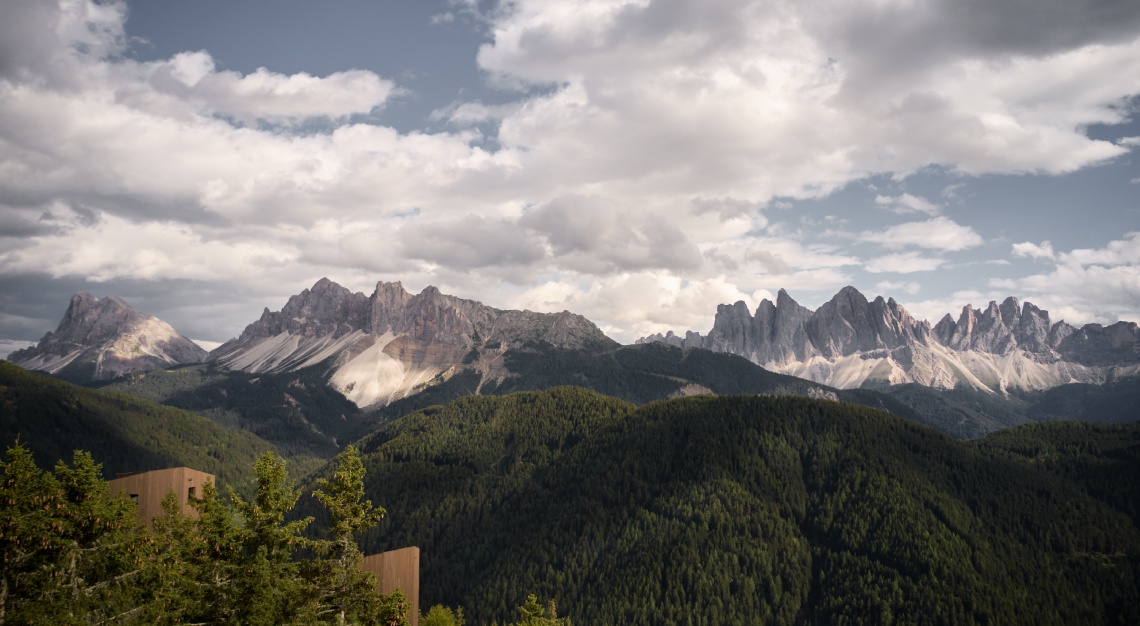
In 1912, the Austro-Hungarian monarchy found what it was looking for: a forested shelf high on the Plose above Brixen, framed by spruce and surrounded by the Puez-Geisler Nature Park, with the massifs of the Dolomites, now a UNESCO World Heritage Site, rising opposite. The choice was driven by therapeutic potential rather than romance.
Plose spring water ranked among the purest, the mountain air was exceptional, the climate mild, and the sunny days well above average. These were judged as ideal conditions for regeneration and healing, and Otto Wagner, the most celebrated architect of the age, was commissioned to design a sanatorium.
The outbreak of war and Wagner’s death prevented the original plans from being realised. What rose in their place was a smaller house of wood and natural stone with two side wings, where war veterans initially came to rest, followed by priests and clergy until the 1950s. The house waited behind wild hedges until 2000, when the South Tyrolean hotelier Alois Hinteregger walked past it. “From the way the building was constructed and what it radiated, I immediately realised that I had found something very special here,” he said. His family bought it and opened it as a hotel in 2010.
A decade later, the next generation took over. Stefan Hinteregger and his partner Teresa Unterthiner had trained and travelled abroad, and returned with an outsider’s clarity about what they had grown up beside: the singularity of Palmschoß, the mountains, and a mild climate where warm southerly air meets cooler northern currents. In July 2020, they reopened the house at 1,800m and named it Forestis, a name that combines the Italian foresta with its Latin root. It is a five-star hotel built on the idea that time spent surrounded by nature is in itself a luxury.
Spa time
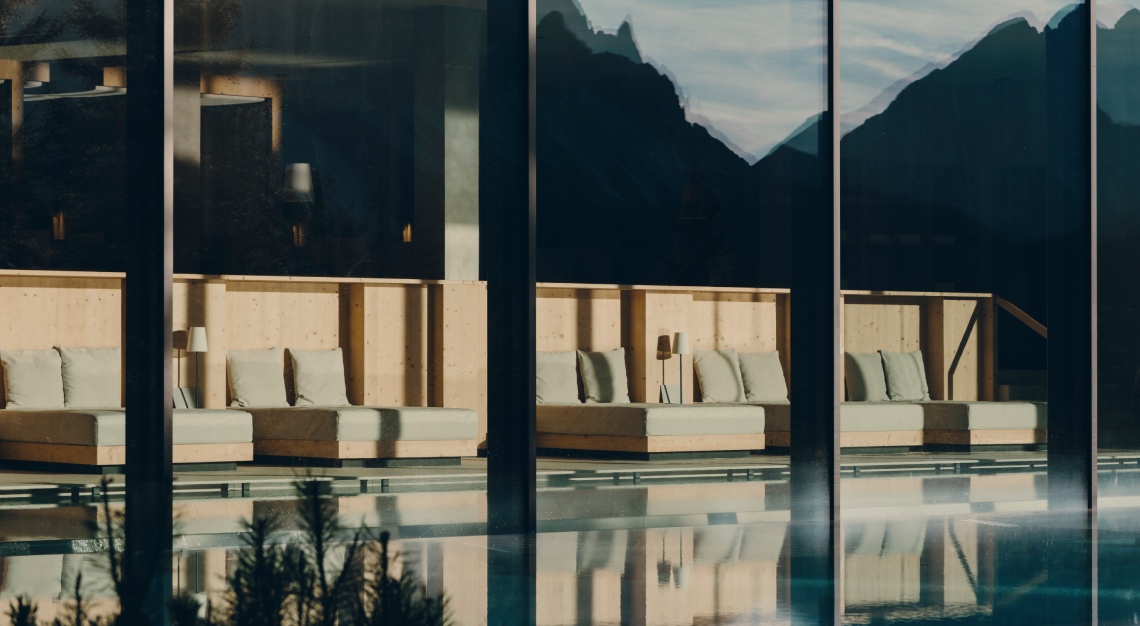
True to the site’s origins as a place of healing, Forestis Spa spans 2,000sqm over two floors beneath the hotel’s three towers, with sweeping views across the Dolomites. The ground floor centres on water. A 20m x 4.3m indoor pool flows into a 22m x 5m outdoor pool, and five sauna and steam facilities: a Finnish sauna (85 degrees Celsius), a bio sauna (70 degrees Celsius), a textile sauna (45 degrees Celsius), an outdoor Finnish sauna (90 degrees Celsius) in a traditional South Tyrolean wooden house, and a brine steam bath (65 degrees Celsius).
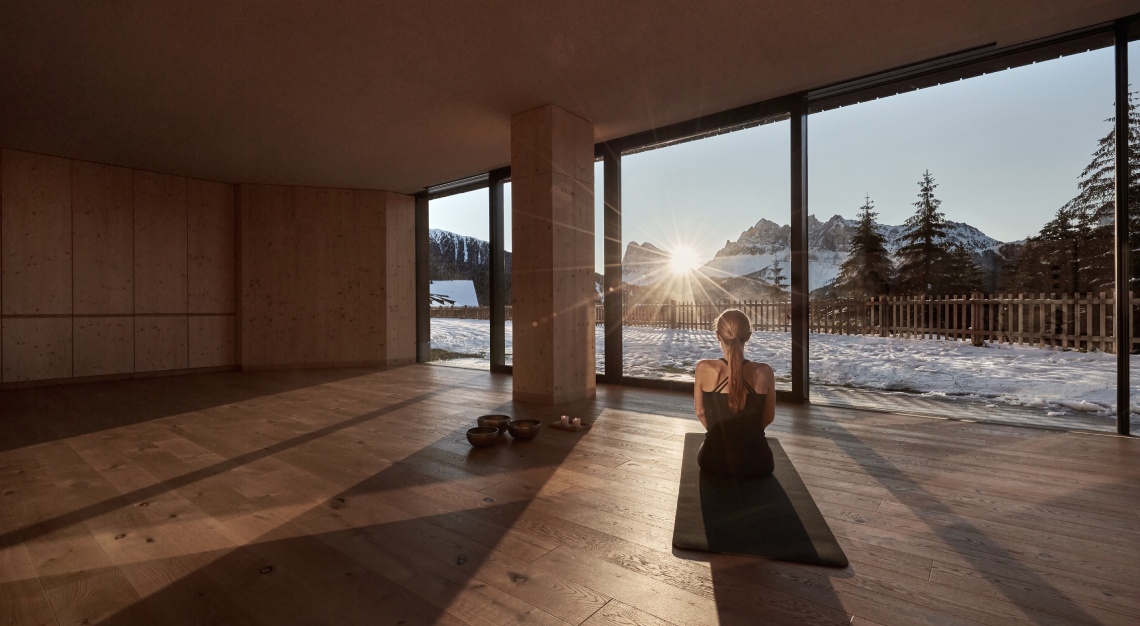
For anyone carrying the stresses of work or home, the Silent Room offers a fireplace and welcome warmth on cold days. The Tea Lounge follows, with eight South Tyrolean tea blends and light snacks. Upstairs are four treatment rooms, four private spas for couples, two treatment rooms for cosmetic services, and several relaxation rooms, along with a fitness studio fitted with the latest Technogym equipment and a spacious Wyda studio. Every room has natural light and an uninterrupted view of the landscape. If this doesn’t ease the tension, we don’t know what will.
The spa’s philosophy draws on Forestis’s interpretation of the Celts, who, according to the hotel, drew their understanding of the body from nature and regarded the forest as their teacher. At Forestis, surrounded by woodland, the spa team has translated that idea into the Forestis Tree Circle, built around four native trees: mountain pine, spruce, larch, and Swiss stone pine. According to the spa, each tree carries its own properties and sound frequencies. Guests choose the tree that suits their present state, and the treatment combines that tree’s frequencies with healing woods and stones, which the spa says release blockages and restore harmony.
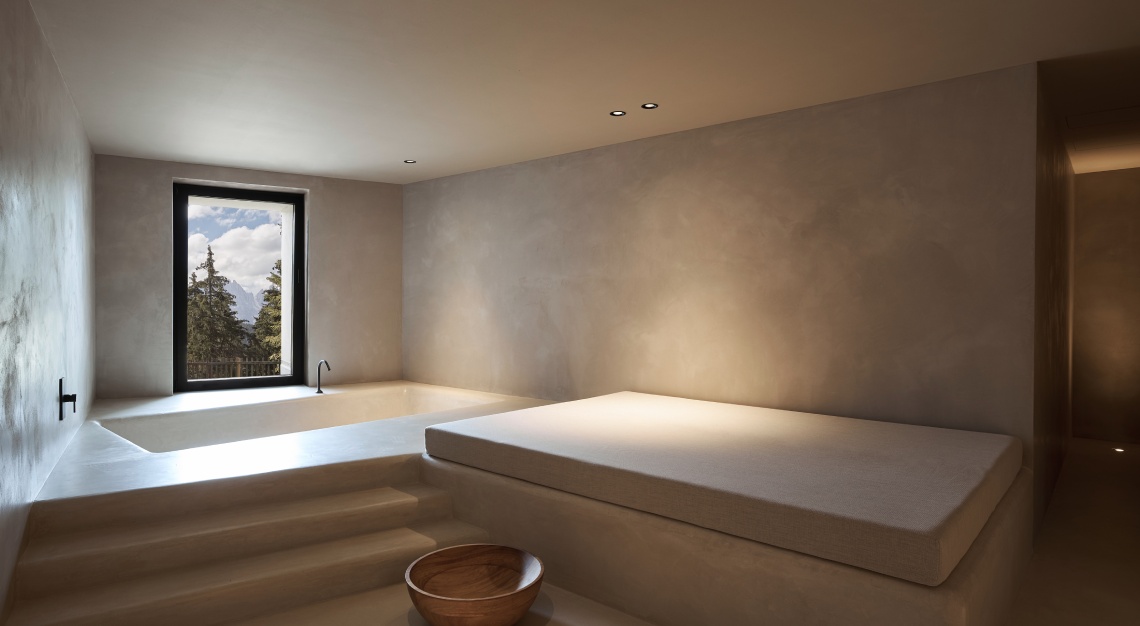
The treatments are built on the parallels between people and trees. Like a tree, the body moves through seasons and cycles and responds to different essences and points of contact in summer than in winter. Each guest also arrives with their own physical and mental state, so no two treatments are the same. The therapist brings together seasonal rhythms, energy flow, meridians, and healing stones and woods through a touch technique developed by the Forestis Spa team. Every treatment uses the Forestis face and body care line, which is also based on the Tree Circle and blends fragrances and essences from the four trees.
Wyda completes the picture. Often described by Forestis as a Celtic counterpart to yoga, Wyda combines a movement practice that Forestis associates with the Celtic Druids. Forestis presents Wyda as a European counterpart to practices such as qigong and yoga: a way to calm the mind, sharpen concentration, and harmonise the flow of energy. Sessions are tailored to each guest and are easy to continue at home. In fine weather, they take place outdoors. Otherwise, they are held in the spa’s Wyda room, which looks out over the mountains.
Rooms with a view
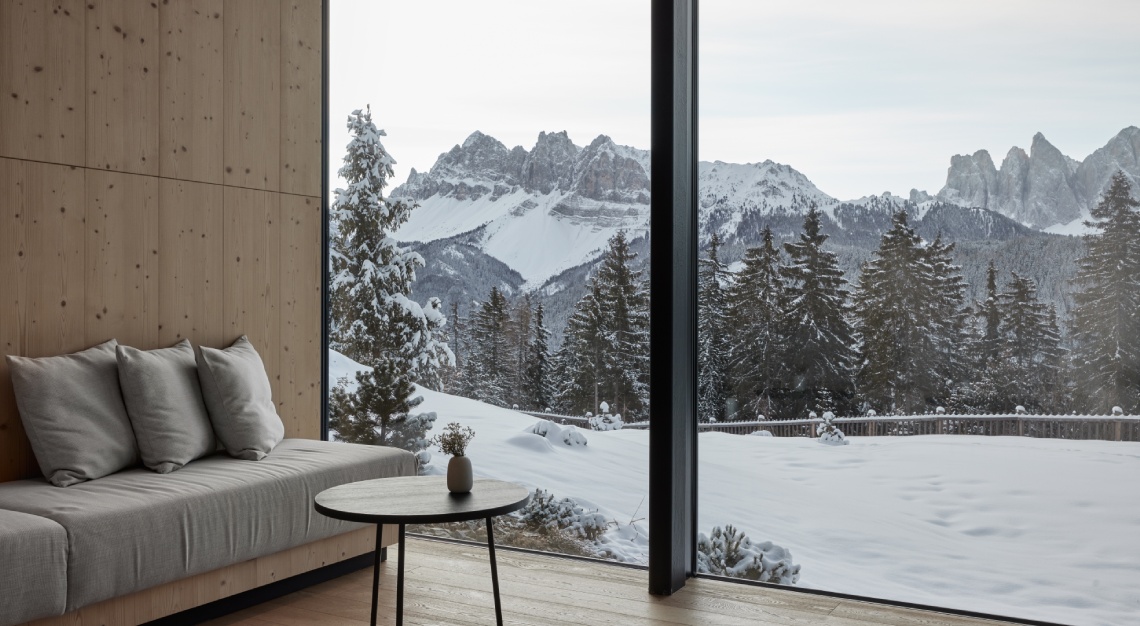
For any restorative retreat, sleep matters as much as anything, and Forestis is designed for deep rest. Every suite faces south, so sunlight tracks across the rooms from morning to dusk and the picturesque Dolomites fill the windows. Interiors are pared back to natural materials, pale earthy tones, and clean lined furniture, leaving the landscape to do the talking. For the ultimate in privacy, there is Forestis Villa, a few steps from the main house. It was built in 1912 as a residence for the sanatorium’s doctors but never served that purpose, and it stood empty for decades. In 2024, Teresa and Stefan brought it back to life. South Tyrolean architect Armin Sader, who designed Forestis, led the project with heritage protection and nature conservation at its core.
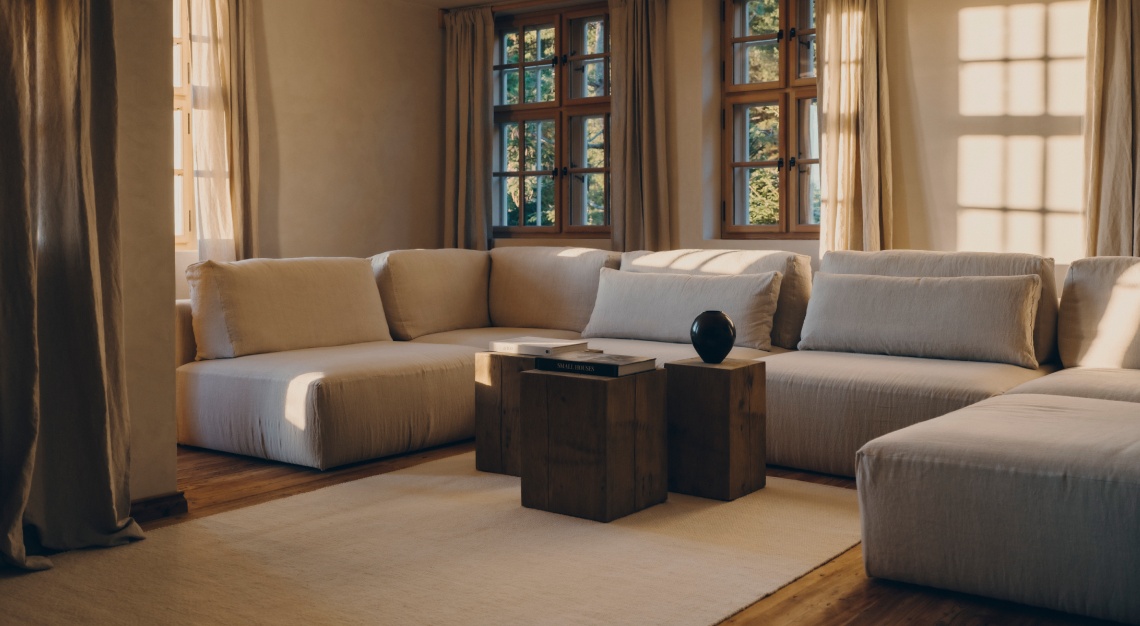
The result is a faithful revival of Alpine villa architecture shaped by European art nouveau: carved ornament, generous loggias, a stone plinth, and timber facades. Using traditional materials and techniques, craftspeople restored the building’s beams, floors, windows, doors, and furnishings while preserving its historic character. The bathrooms and spa introduce contemporary comforts, with linear forms, fine materials, and warm tones that sit comfortably within the historic shell.
The villa sleeps up to 10 across 1,200sqm on three floors. The ground floor gathers a fireplace-warmed living room, kitchen, breakfast room, and formal dining room. The master suite, with its own dressing room, and two further en-suite bedrooms occupy the first floor. Above are two more bedrooms and a private cinema. Below ground, the original stone cellar holds a wine cellar, a speck cellar, and a room for private celebrations.
The villa’s spa follows the same Celtic philosophy as the main Forestis Spa. It has a spa suite for two, a sauna and steam bath, a relaxation room with a fireplace, a large heated indoor-outdoor pool, and a Technogym fitness room. The villa is booked exclusively, with a private chef, concierge, and butler on hand throughout.
Other accommodation includes the Historic House, whose 20 suites in the original building measure 50sqm each, with one or two bedrooms, king-sized box-spring beds, walk-in wardrobes, and a separate living area. Each has a south-facing terrace. The bathrooms hold a quieter luxury: the rain showers use the hotel’s own spring water, whose quality is identical to that of the famed Plose spring.
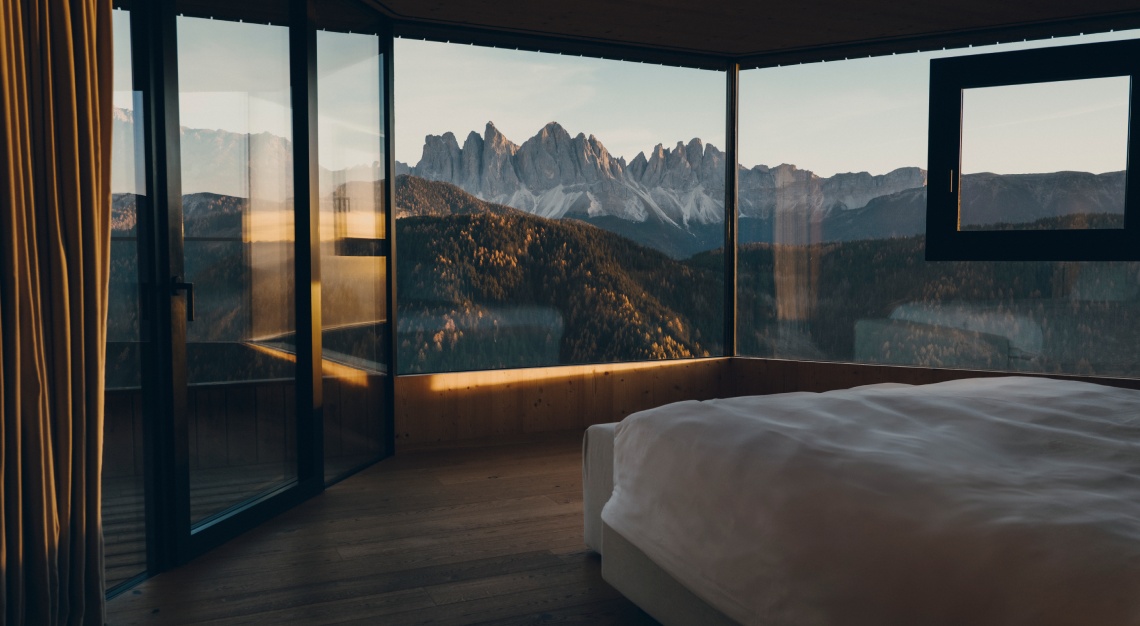
Spread across the hotel’s three towers, the 40 Tower Suites measure 55sqm each. Floor-to-ceiling windows frame the bed and the peaks beyond. In the living area, a traditional South Tyrolean tiled stove sits beside the couch and armchair, and the bathrooms add a deep tub to the rain shower. On the terrace, a daybed invites you to long afternoon naps. In summer, staff will prepare it for sleeping on request, so guests can fall asleep under the South Tyrolean stars.
Crowning the two outer towers are the Penthouse Suites, which unfold over two storeys and 200sqm. Downstairs, an open fireplace anchors a living and dining space with a bespoke couch, a long table, and a private bar. The bedroom opens onto the Dolomites through a wall of glass that runs its full width. Upstairs is a rooftop spa for two: a 3m x 6.5m pool, a spruce-wood sauna facing the mountains, sun loungers, and a rain shower running with fresh spring water.
More than a century after the Austro-Hungarian monarchy chose this forested shelf for its healing air and water, Forestis has delivered what the sanatorium never could. It asks little of its guests beyond surrender: to the spring water, the silence of the trees, and the slow drift of light across the Dolomites. At 1,800m, the world feels far away, and time slows to a pace made for restoration.