From the jungle-fringed highways of the Malaysian peninsula and the snow-dusted passes of the Alps to the sun-bleached Californian coast and the Sahara’s shifting sands, these four road trips are for those who believe the journey is the destination
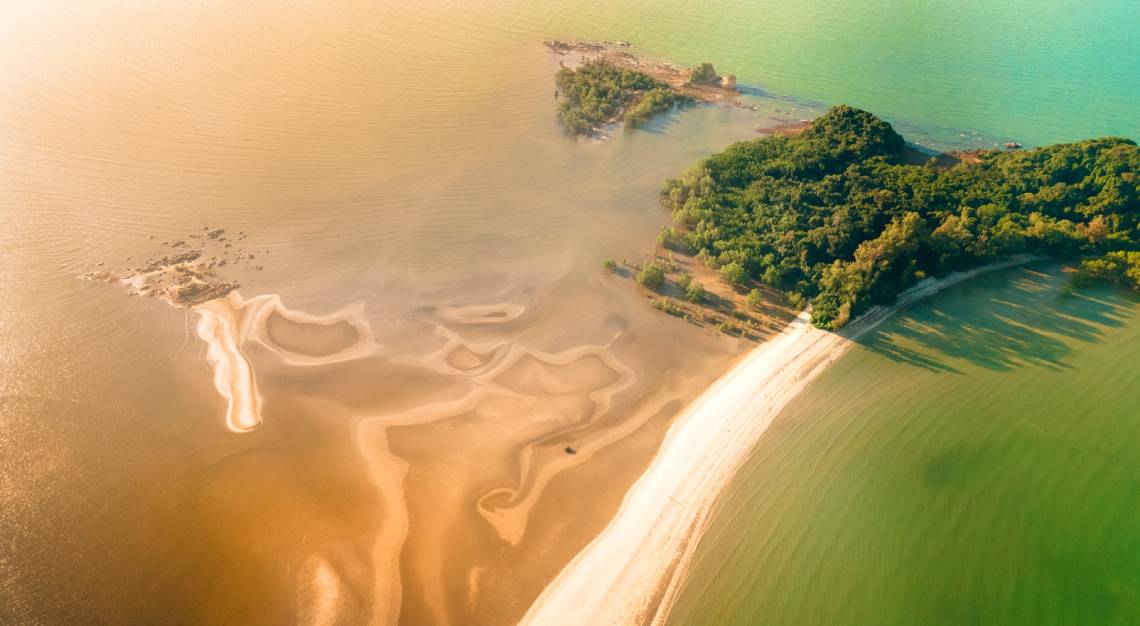
The close-to-home: Malaysia (approximately 1,098km)
There is a peculiar thrill in pointing your own car at the Causeway with no plans to turn back for a week. This is the road trip for purists: no chauffeurs, no rental counters, just you, your own machine, and the whole of the peninsula’s east coast unspooling ahead.
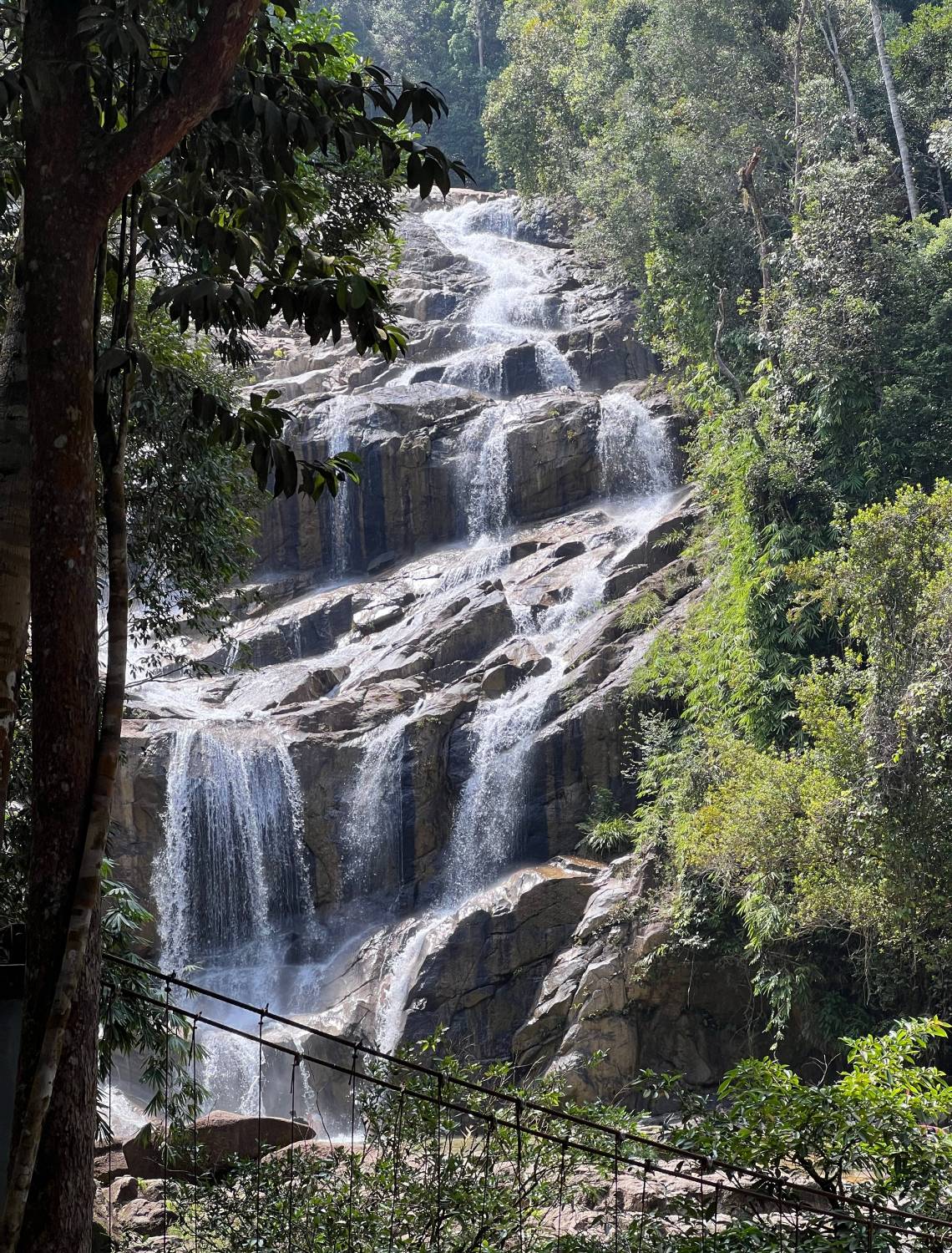
Begin at Pulau Mawar near Mersing, where Johor’s coastline starts to loosen its collar, before pushing north to Kuantan and the multi-tiered cascades of Sungai Pandan. We’d bring swimwear; the pools beneath the falls are as refreshing as they are photogenic. A short hop brings you to Cherating, the laid-back surf village that has quietly charmed travellers for decades, then on to Dungun in Terengganu, where the South China Sea turns an improbable shade of jade.
At Bukit Keluang in Besut, a craggy headland gives way to sea caves, rock pools, and a boardwalk made for golden-hour wandering. From here the route turns inland and the real driving begins. The Jeli–Gerik road, better known as the East–West Highway, carves through the Titiwangsa Range in a ribbon of sweeping bends, mist-wreathed ridges, and the occasional elephant-crossing sign. It is, quite simply, one of Southeast Asia’s great drives.
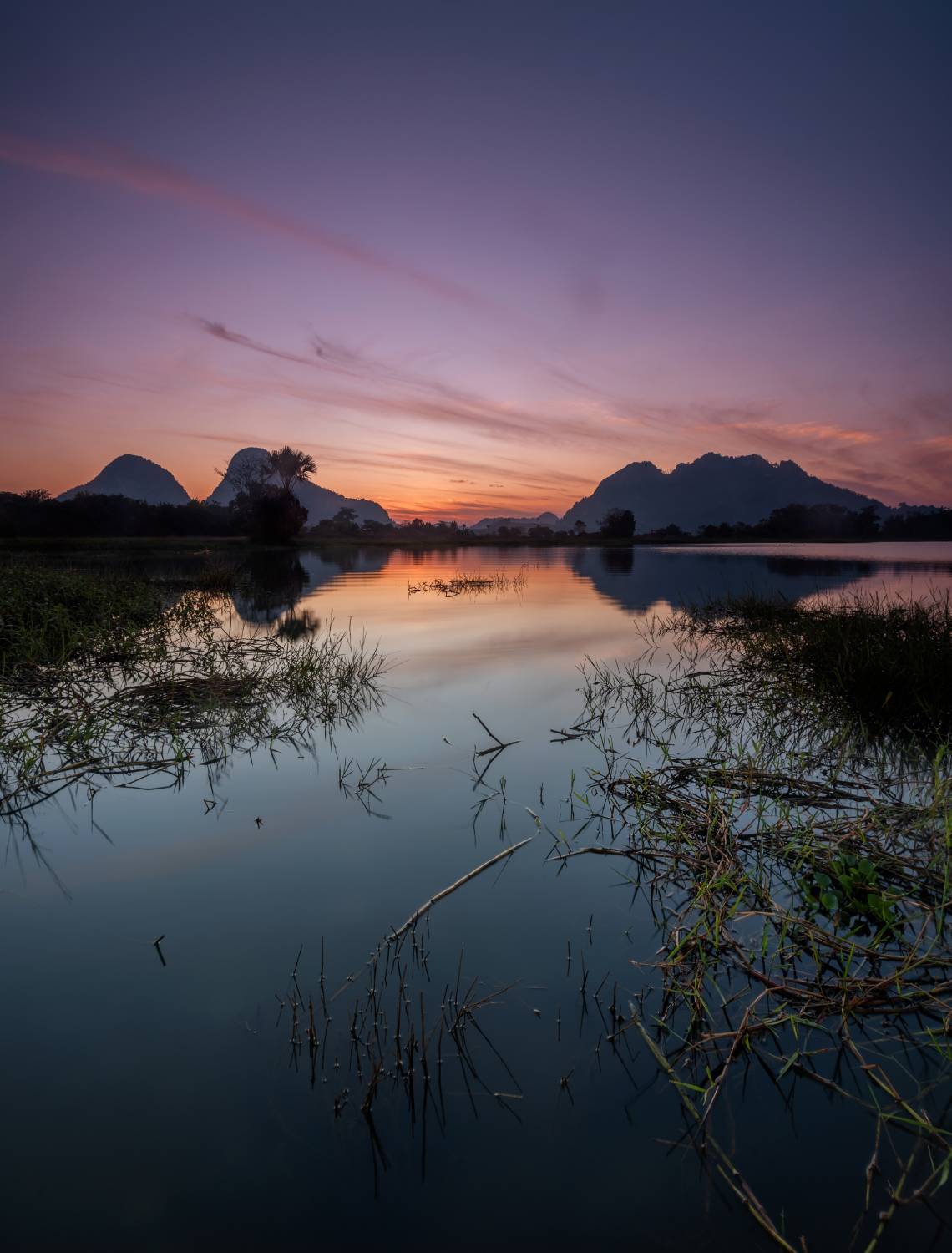
Pause at Royal Belum State Park, a rainforest said to predate the Amazon, where hornbills fly overhead and the rafflesia blooms if you are lucky. Then it is onward to Perlis, Malaysia’s smallest and northernmost state, where paddy fields and limestone karsts frame two villages: Seberang Ramai and Wai. End at Timah Tasoh Lake, its glassy waters the perfect full stop to a drive that proves the greatest adventures can begin on your doorstep.
Good to know: Singapore-registered vehicles need a valid Vehicle Entry Permit and a Touch ‘n
Go card. Avoid the northeast monsoon (roughly November to March), when the east coast takes on a rather more dramatic character.
Wintermärchen: The Robb Report Singapore Alpine Experience (approximately 750km)
Some journeys are measured in kilometres; this one is measured in moments. Our Alpine loop threads Bavaria, the Dolomites, and the Austrian Tyrol into a winter fairy tale, and fittingly it begins in Munich, a city that knows a thing or two about good engineering.
The convoy will head south to Schloss Elmau, the storied retreat cradled beneath the Wetterstein mountains that has twice hosted G7 summits. Its spas, libraries, and concert hall set the tone, and where the pit stops are as considered as the passes. From here, cross the Brenner into South Tyrol and climb to Forestis Dolomites, perched high above Brixen, where towers of timber and glass gaze across to the jagged peaks of the Geisler range. Silence, you will find, is the ultimate luxury.
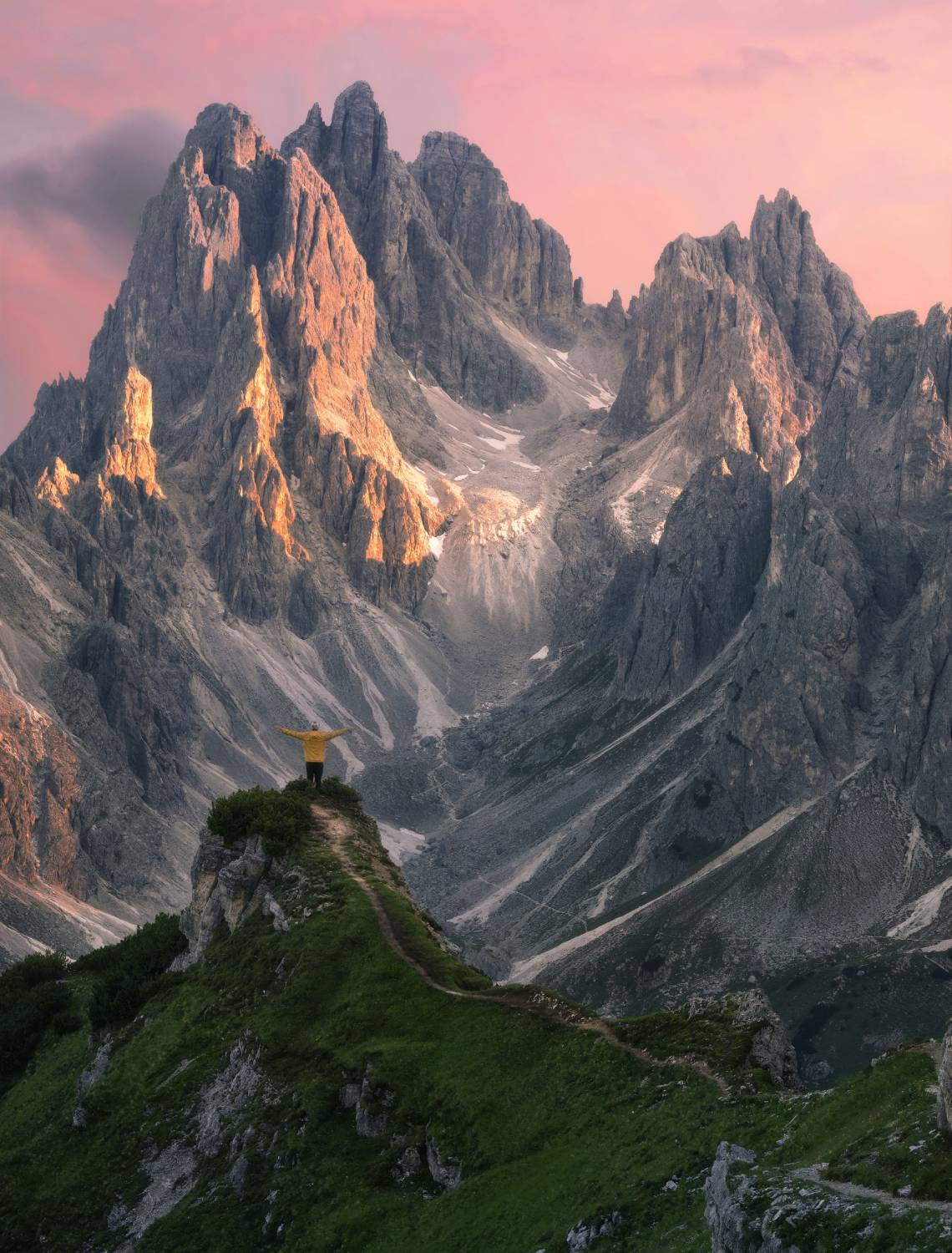
The Dolomites Scenic Loop is the heart of the adventure: hairpins, frozen waterfalls, and villages dusted like icing on pastries. But the most unforgettable view is reserved for those who leave the road entirely: a helicopter flight over Tre Cime di Lavaredo, those three great limestone sentinels, delivers a perspective usually reserved for eagles.
Swing north into Austria and the turreted Schloss Mittersill, a castle hotel with centuries of stories and a Hohe Tauern backdrop welcome you. Evenings here are gloriously lively. Take the reins on a husky-pulled sledge ride by torchlight, then brave the Wildkogel Rodelbahn, the world’s longest floodlit toboggan run at 14km of moonlit descent.
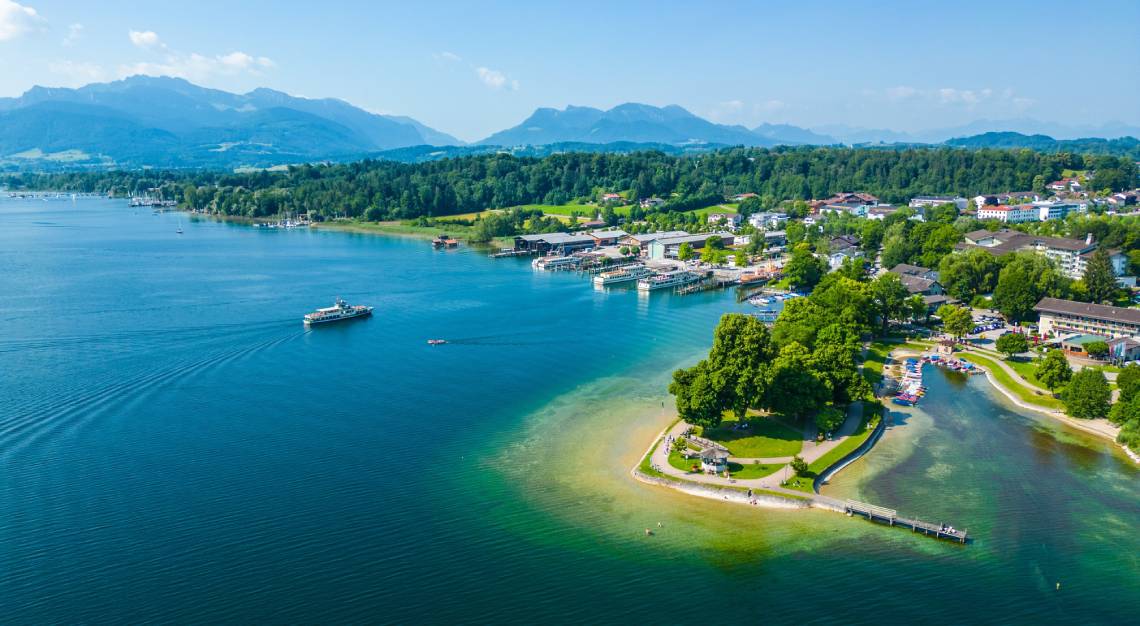
The final leg returns to Bavaria and Lake Chiemsee, where King Ludwig II’s Herrenchiemsee palace, his homage to Versailles, glitters on its island. Now that’s a fitting finale before the gentle glide back to Munich.
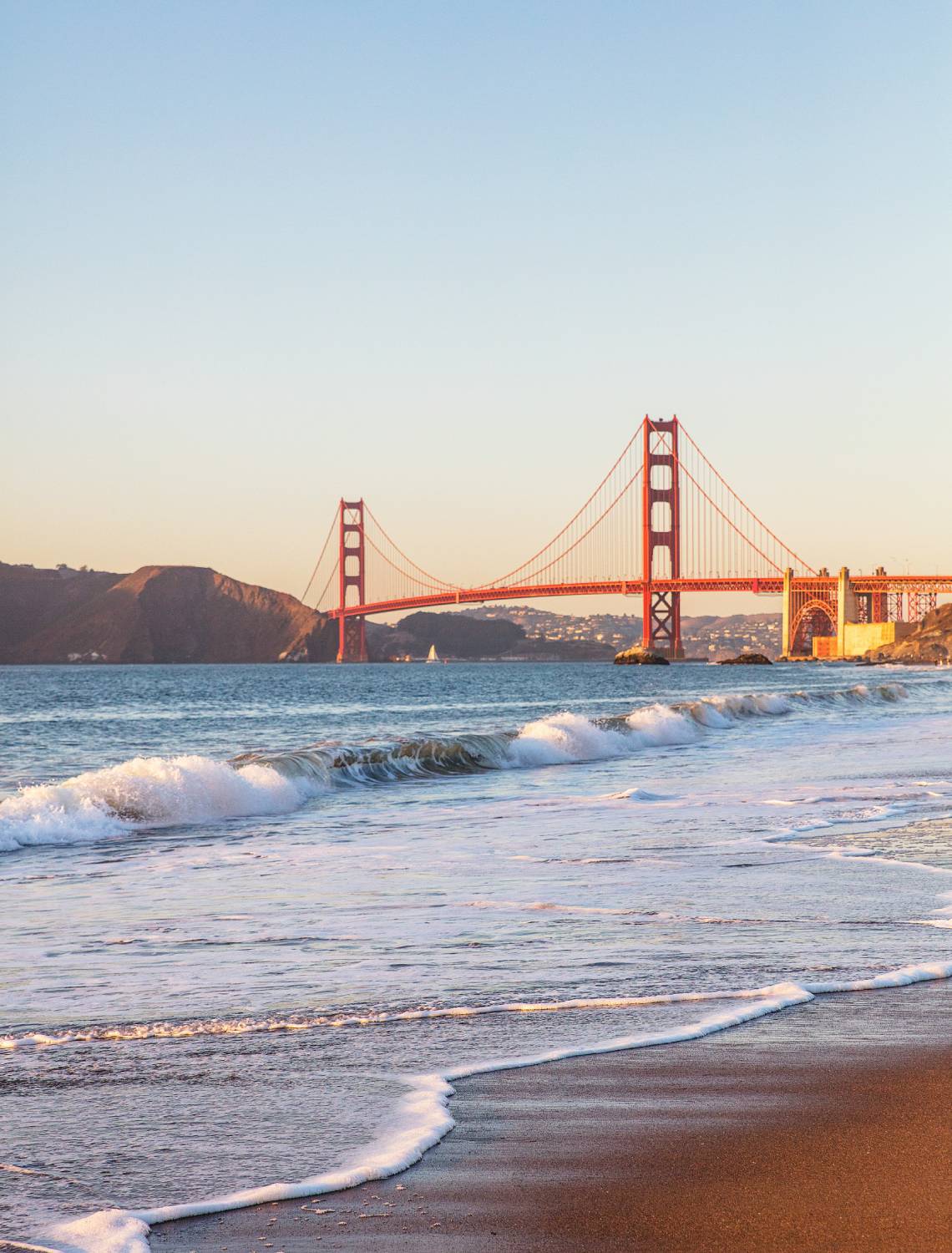
The North American Rodeo: Iconic California with Scott Dunn (14 nights, San Francisco to Los Angeles)
California has a way of making every drive feel like the opening credits of a film. Scott Dunn’s Iconic California itinerary leans into that cinematic quality while keeping things refreshingly grounded, making it an ideal choice for families who want their holiday served with every comfort.
It begins in San Francisco, where four days are shaped around your family’s interests. Cable cars clatter up Nob Hill, Alcatraz offers history with a shiver, and a cycle across the Golden Gate Bridge to Sausalito rewards riders with skyline views worth every pedal stroke. Then it is inland through Gold Rush country to Yosemite, where a cabin at Firefall Ranch becomes base camp for private guided hikes, Glacier Point panoramas and the park’s thundering waterfalls. Evenings call for marshmallows by the fire and, for the grown-ups, a glass of something Californian on the porch.
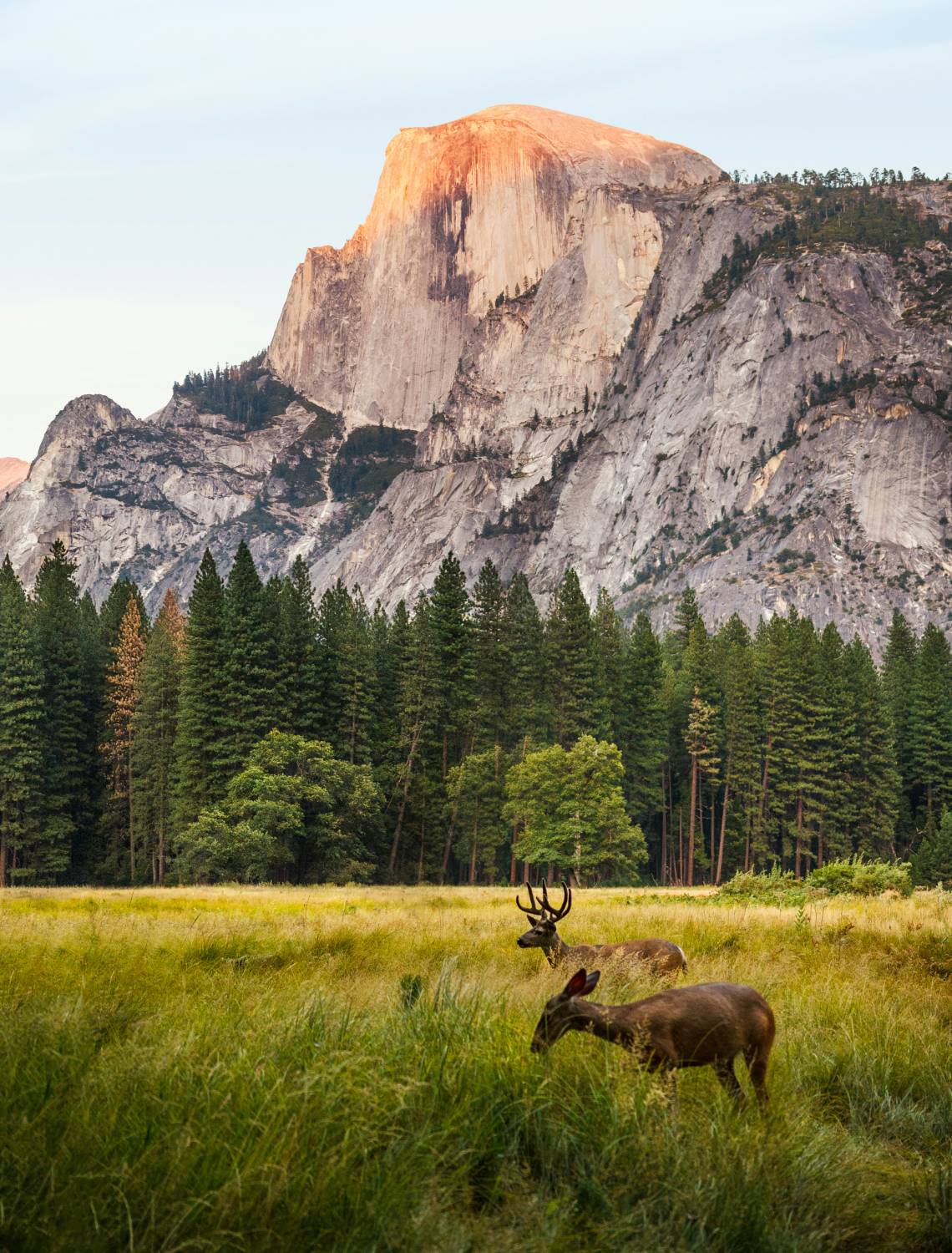
The road bends back to the Pacific at Carmel Valley Ranch, 202 hectares of oak-studded hills where children can ride horses and pick herbs from the chef’s garden while parents retreat to the spa. Cycle the celebrated 17-Mile Drive past Pebble Beach, kayak Monterey Bay’s kelp forests alongside sea otters, and head out on a private whale- watching excursion.
Santa Barbara, the so-called American Riviera, brings Spanish Revival architecture, farmers’ markets, and a private tasting tour through the Santa Ynez wine country. It is a foodie’s delight and a gentle change of pace before the final chapter.
The last stop is Los Angeles, with Shutters on the Beach as your Santa Monica address. Hike the Hollywood Hills to the famous sign, browse the Santa Monica farmers’ market, and let the children loose on a VIP day at Universal Studios, with the queues quietly dispatched.
Good to know: April to September is the sweet spot, with spring bringing Yosemite’s waterfalls to their most spectacular.
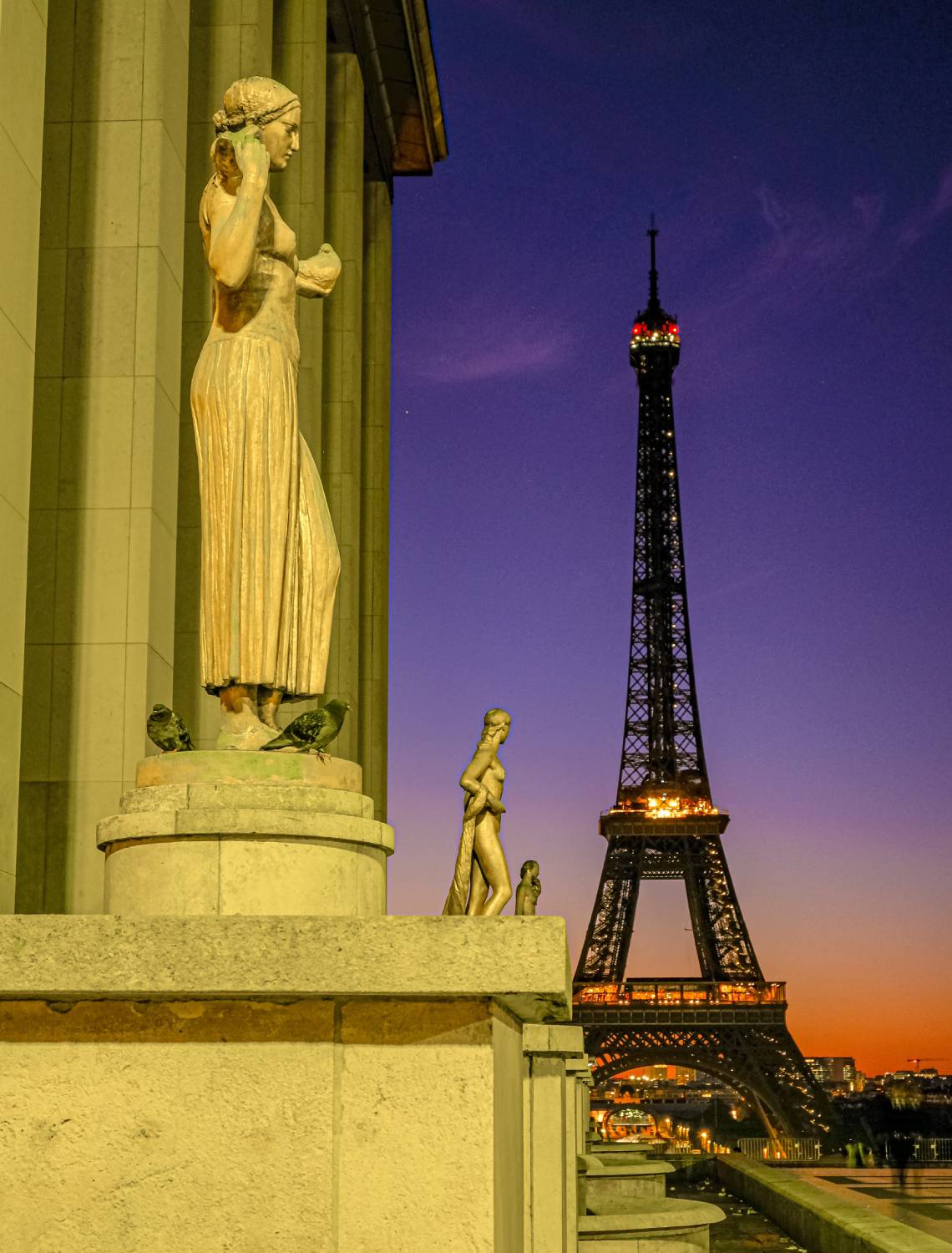
The Paris-Dakar Jaunt (approximately 7,000km)
Call it a jaunt with tongue firmly in cheek. In 1977, a young Frenchman named Thierry Sabine became lost in the Libyan desert during a motorcycle rally. He survived, fell hopelessly in love with the Sahara, and a year later, flagged off the first Paris–Dakar Rally. On Boxing Day 1978, competitors left Place du Trocadéro for the Senegalese capital and motorsport’s most romantic, gruelling legend was born.
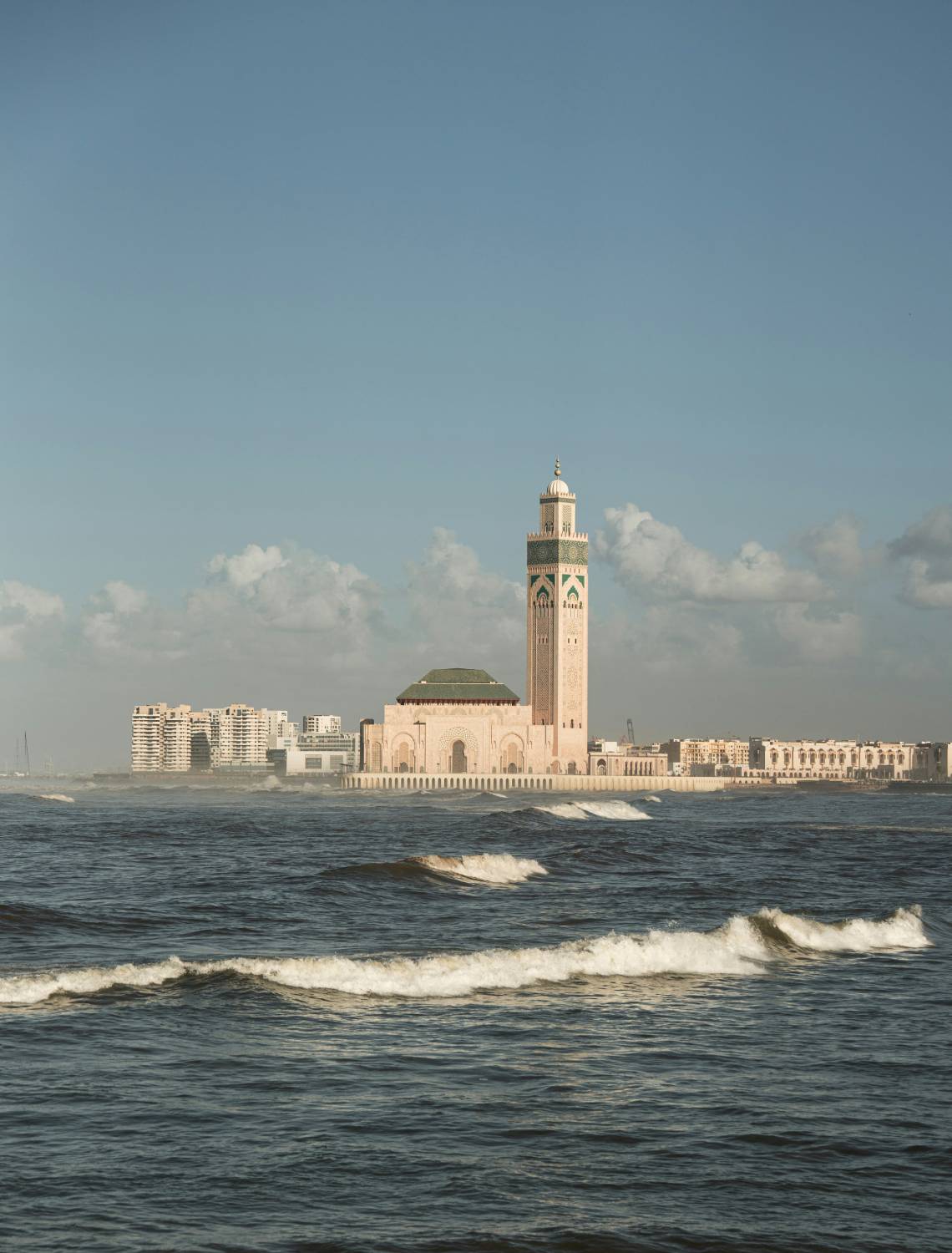
The Dakar has since decamped to South America and, more recently, Saudi Arabia, but the original route remains as a pilgrimage for those with sand in their souls. Retracing it is an odyssey in the truest sense. Leave Paris and cut south through France and Spain, where the roads are smooth and the lunches long, before crossing the Strait of Gibraltar into Morocco. The High Atlas gives way to the desert before Western Sahara unfolds, where the Atlantic crashes against endless dunes.
Mauritania is where the romance becomes real. This is the stretch that made the rally infamous, with vast emptiness, piste that disappears overnight and horizons that seem to recede as you approach. Travel in convoy, with seasoned guides and a support vehicle, and you will understand why generations of drivers, from privateers in battered Land Rovers to factory teams in Peugeots and Mitsubishis, called it the greatest adventure on four wheels.
The finish, as ever, is Lac Rose outside Dakar, a lake tinted a startling strawberry pink by salt-loving algae. Its shores were once the stage for champagne- soaked celebrations, and they remain the finish line of the Africa Eco Race, which has kept the classic route alive since 2009.
This is a trip for the stout of heart and the unhurried of schedule. But then, as Sabine might have said, that is rather the point.
Good to know: Check the latest travel advisories, particularly for Mauritania, and engage a specialist expedition operator. A properly prepared 4×4 is essential.
This story first appeared in the November 2026 issue. Purchase it as a print or digital copy, or consider subscribing to us here
Featured image by Florian Schindler on Unsplash