In an industry dominated by global hotel groups, independent hotels face formidable commercial challenges. For a select few, however, the freedom to shape their properties on their own terms is a luxury worth preserving
There is a reason why those who take the road less travelled so often earn our admiration. Whether in the worlds of horology, haute couture, or hospitality, those who dare to strike out on their own demonstrate an enviable conviction to challenge convention. And in industries where established names, familiar formulas, and economies of scale can make operating under an established banner the safer (and more profitable) choice, is it any wonder that we tip our hats to those who are willing to forge a path of their own?
We need only look at the luxury hospitality industry to understand what is at stake. Beyond the credibility that comes with an established name, the world’s largest hotel groups offer the advantages of global recognition, extensive distribution networks, and considerable purchasing power.
The well-travelled, however, have long understood that the most memorable hotel experiences are not always found behind the most recognisable names. For discerning guests who have seen their fair share of grand lobbies, lavish suites, and impeccable service, a hotel with a distinct personality and a perceptible soul can hold particular appeal. It is a quality that independent hospitality, shaped by the vision, instincts, and idiosyncrasies of the people behind it, is well placed to offer.
Independence, however, guarantees neither individuality nor success. Behind the romance lie considerable commercial challenges, and the desire to do things differently means taking responsibility for every decision. For those who are determined to pursue their own vision, however, the disadvantages may be a worthwhile trade-off for something less easily measured: the freedom to shape a hotel on their own terms.
Survival of the Agile
Behind every effortless guest experience lies considerable infrastructure, from reservation systems to distribution networks. For the world’s largest hotel groups, much of it is already in place. Independent operators have to be more resourceful.
Dean Winter knows the difference. Having previously led Swire Hotels, he now serves as CEO of The PuLi Group, whose portfolio comprises The PuLi in Shanghai, The PuXuan in Beijing, and The RuMa in Kuala Lumpur. It is a considerably smaller operation than the global hospitality giants and Winter makes no pretence that independence comes without its disadvantages.
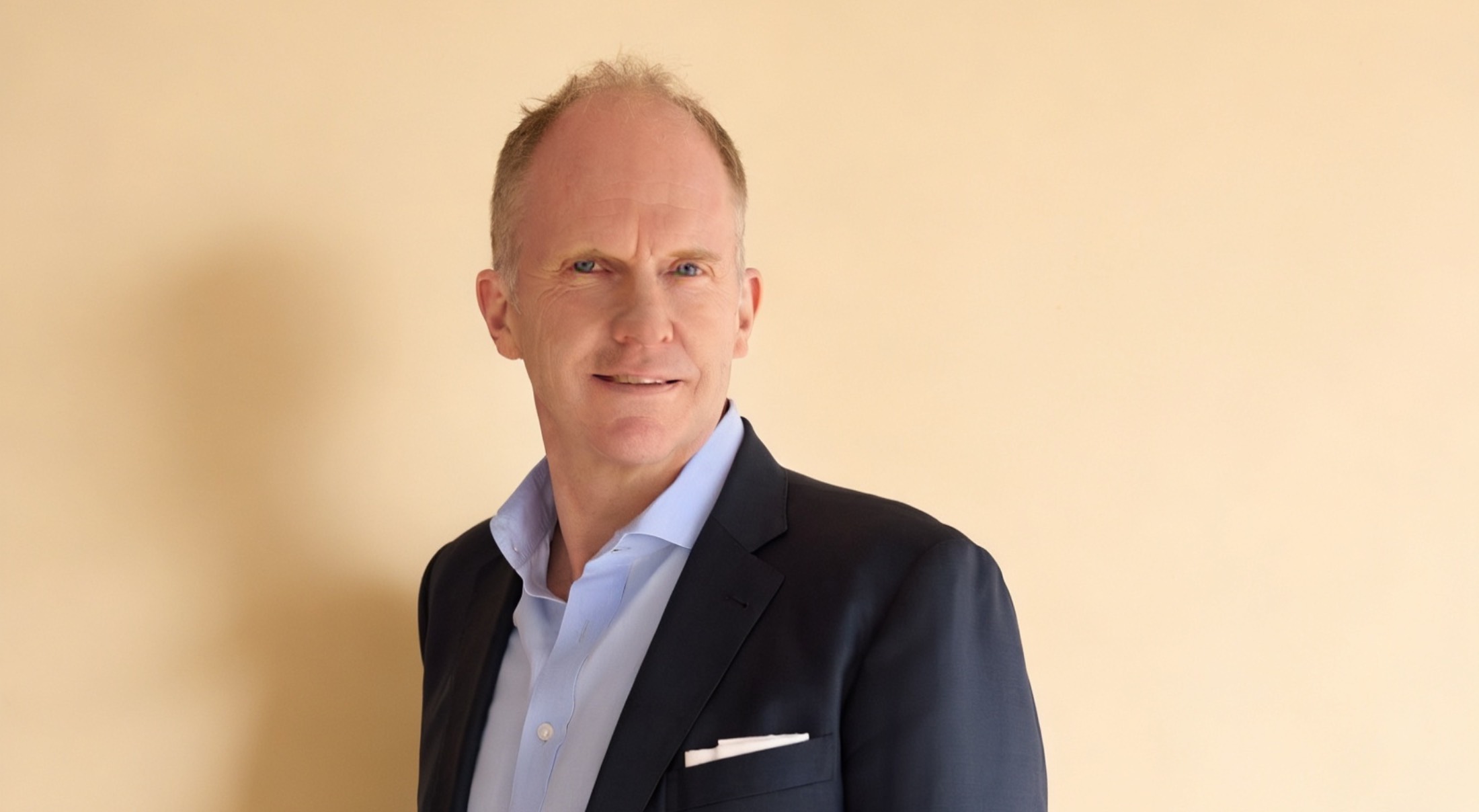
“Without the infrastructure of a large group, we have to be more deliberate about how we build our capabilities,” he says. “We do not carry the same scale in centralised functions such as technology and distribution, so we choose carefully between what we build ourselves and what we access through partners.”
The trick, it seems, is knowing what to develop in-house and where the right partnerships can make up for a lack of scale. And with fewer layers of decision-making between an idea and its execution, smaller operators have an advantage of their own.
“Being small and independent allows us to be agile in almost everything we do,” says Winter. “We can work with developers to ensure the real estate is optimised and devote the time of the senior team to every opportunity to ensure the best expression of the brand.”
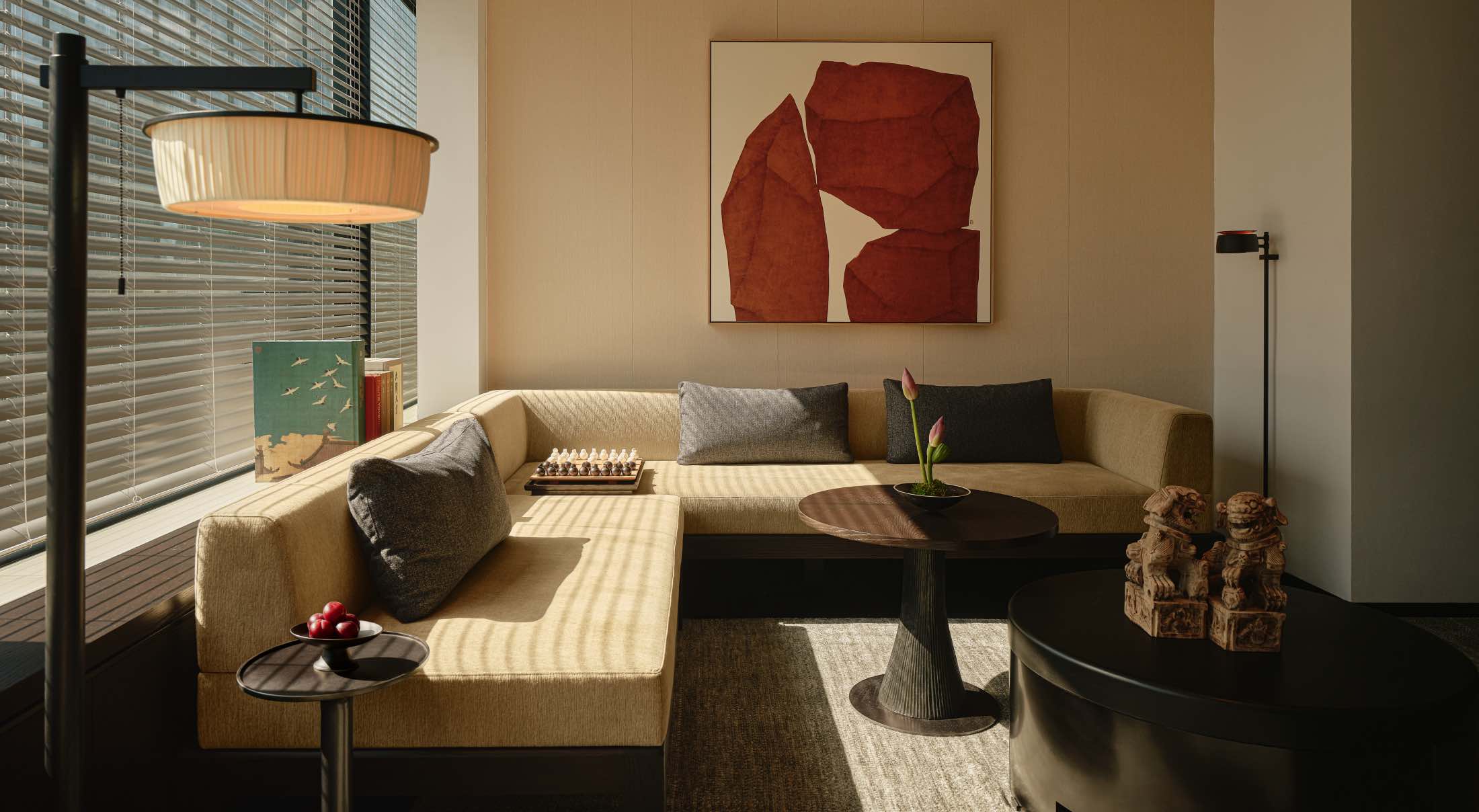
For Winter, agility also means being able to choose which opportunities to pursue. “Private ownership gives us the luxury of patience,” he says. “We are not bound by quarterly pressures or the expectations of public markets.” This allows the business to prioritise long-term stewardship over short-term expansion and approach each development with care.
Full Expression
Independence also allows hoteliers to make a property a personal expression of their vision. Free from a corporate playbook, an owner’s tastes and passions can shape everything from its architecture to its smallest details.
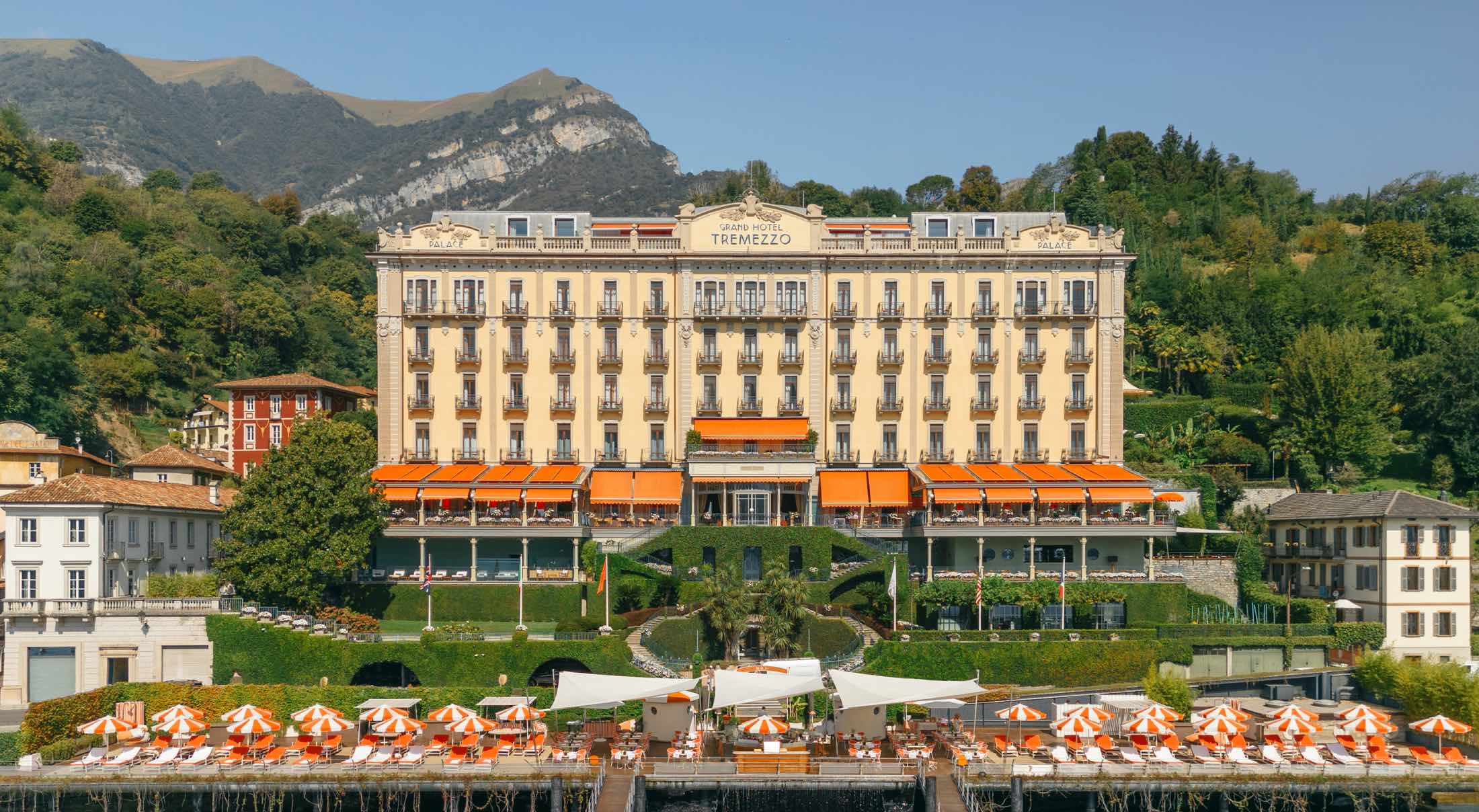
For Valentina De Santis, owner and CEO of Passalacqua on Lake Como and Grand Hotel Tremezzo, that freedom is fundamental. “The first thing that pops up in my mind is freedom,” she says. “We can have an idea in the morning and, if it is a good one, start doing it in the afternoon. Remaining independent allows you to fully express your personality.”
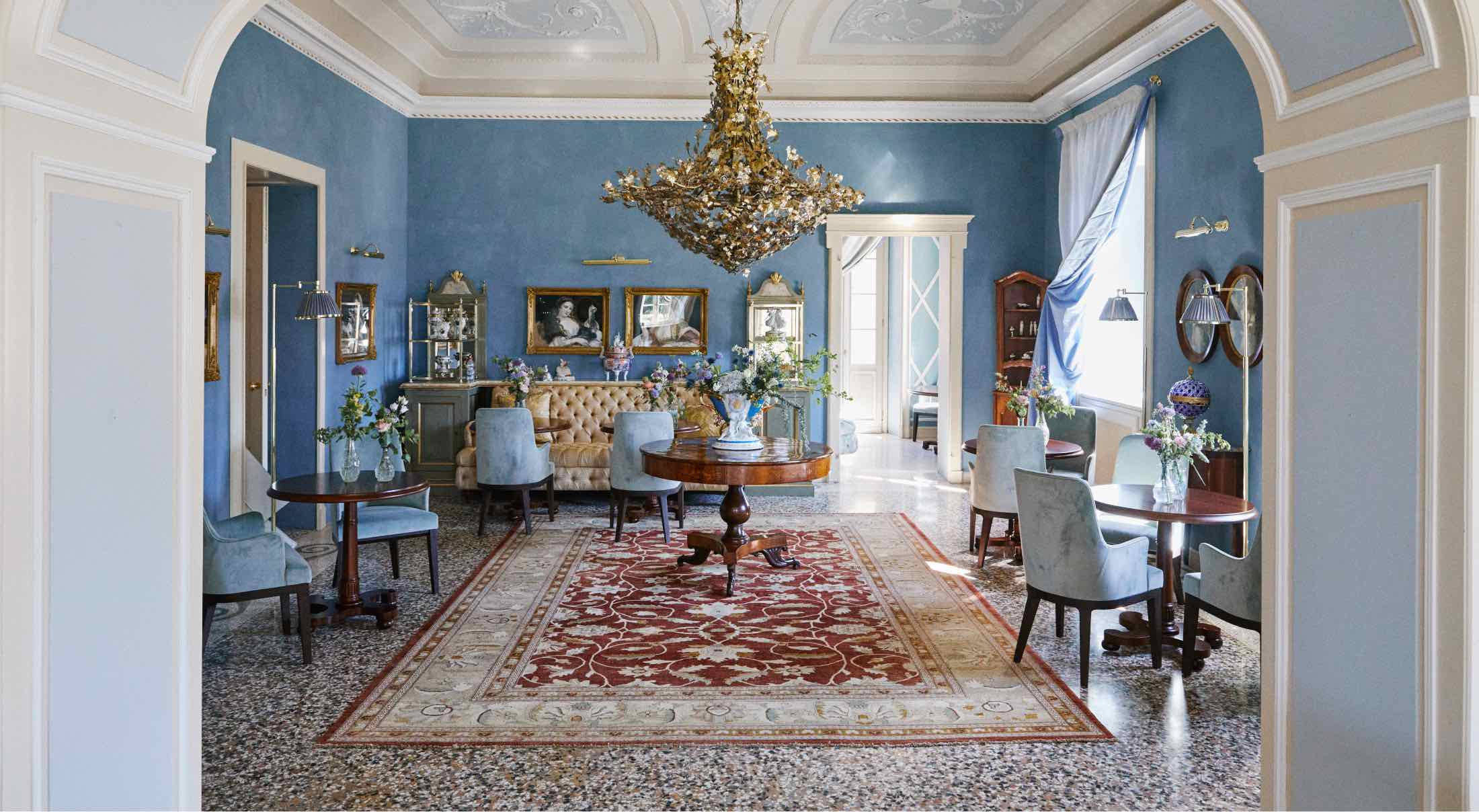
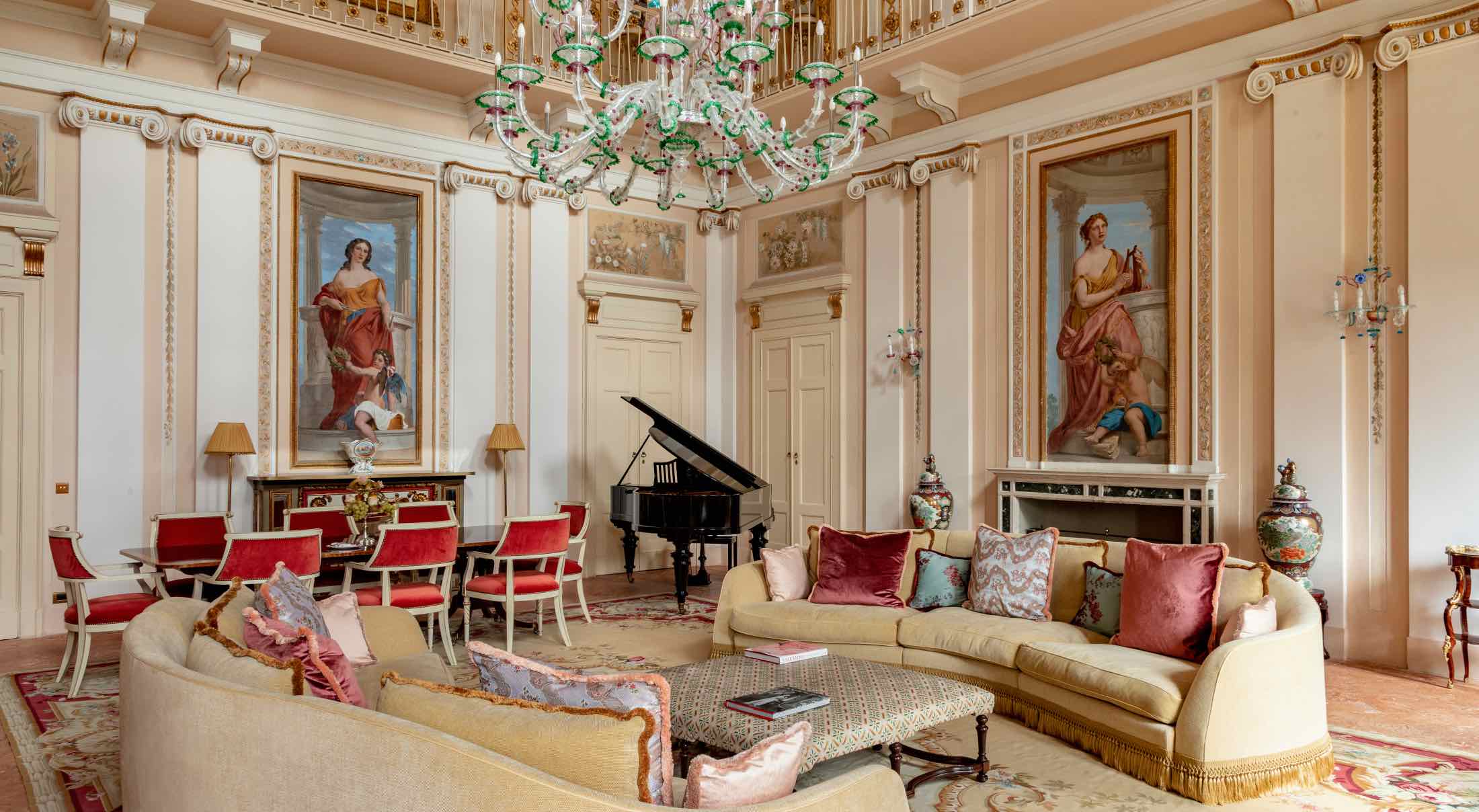
Nowhere is this philosophy more apparent than at Passalacqua, the 18th-century villa overlooking Lake Como that her family acquired in 2018 and transformed into an exquisite 24-key hotel. Rather than approach the project as the creation of another luxury property, De Santis and her family treated it as an opportunity to realise their idea of the perfect home.
“It allowed us to make Passalacqua our dream house,” she explains. “From the very first moment, it was a personal project for our family. We chose every fabric, every piece of furniture, and every object exactly as if we were renovating our own home. There was no formula. We simply followed our love.”
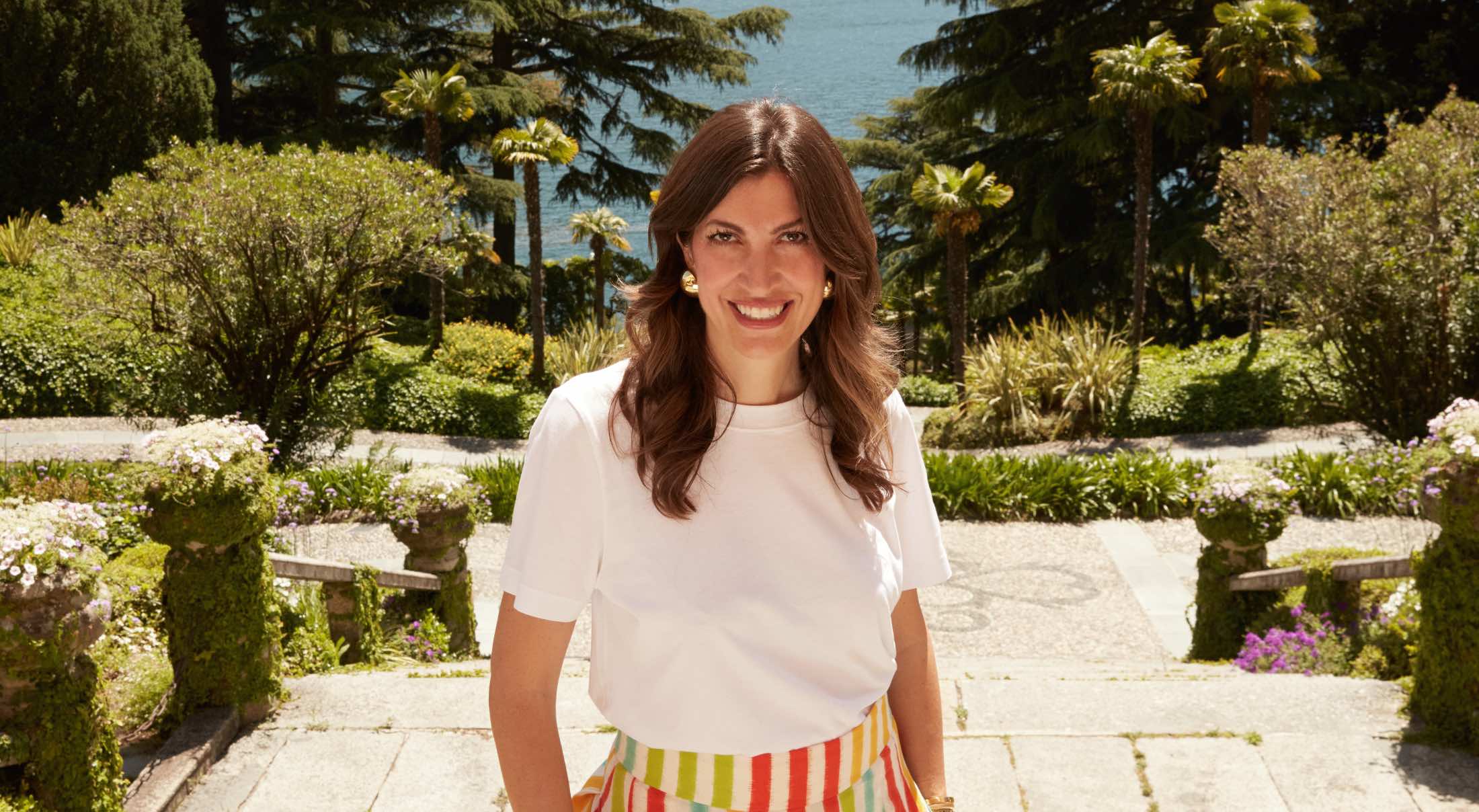
Despite the family’s longstanding stewardship of Grand Hotel Tremezzo, De Santis has little interest in imposing a uniform style across their properties.
“I don’t think Passalacqua can be repeated, and I wouldn’t want it to be,” she says. “A beautiful hotel should have a point of view. Ours is very personal. You can feel it in the smallest details.”
Steadfast Conviction
While De Santis has embraced the opportunity to create individually conceived hotels, the family behind Baur au Lac in Zürich has devoted seven generations to preserving and refining a single property. Since opening in 1844, the hotel has remained in the same family’s hands, its owners choosing to build upon the legacy of their predecessors rather than expand.
“I think one must distinguish between building a hotel group and truly looking after a hotel,” says Marguita Kracht, owner of Baur au Lac. “We have always chosen the latter.”
This commitment shapes both the family’s daily decisions and its long-term approach to the hotel. As Kracht observes: “Some decisions may not make immediate commercial sense, but can make tremendous sense across a generation.”
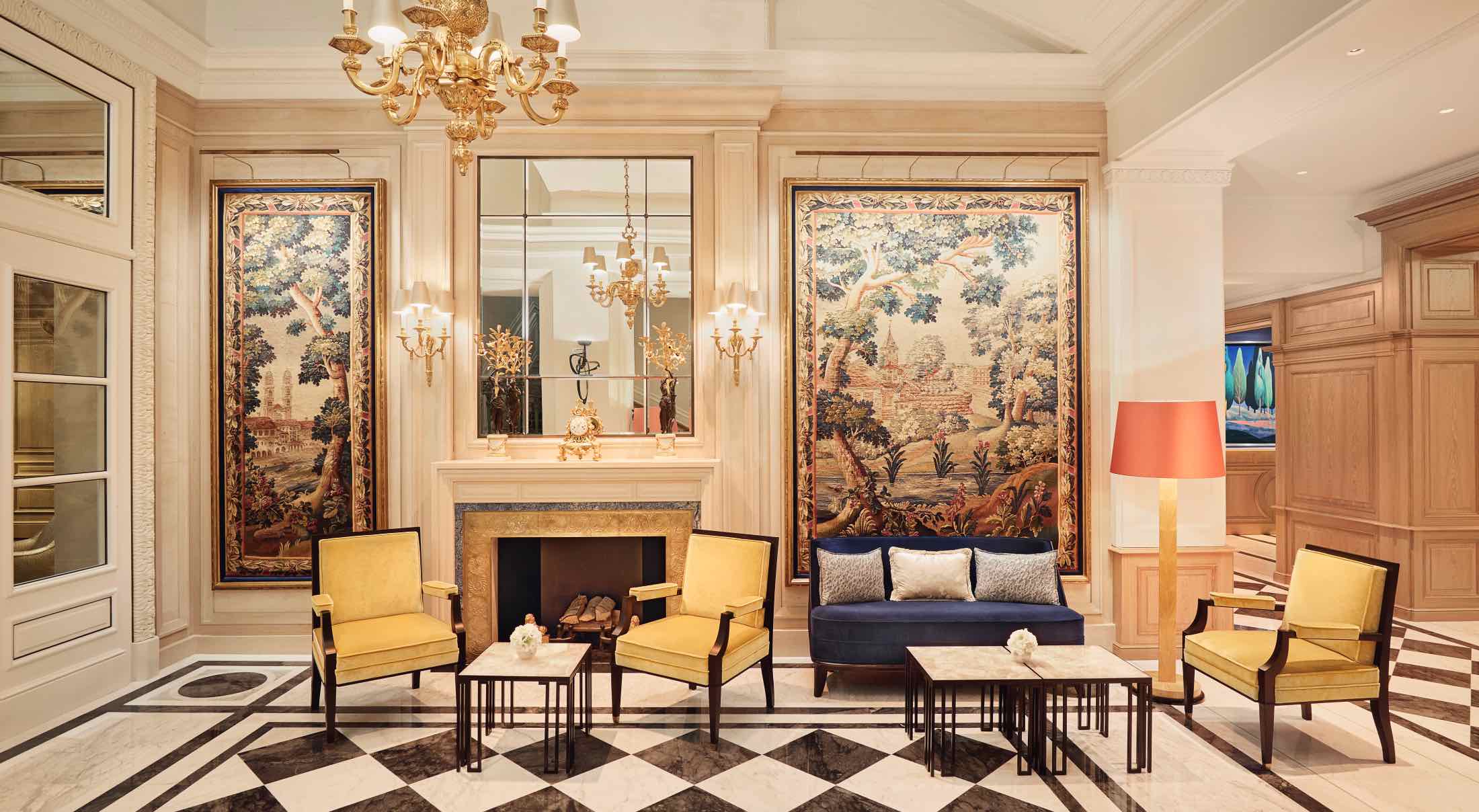
The family’s long-term outlook is evident in its investment in sustainability. In 2007, Baur au Lac began upgrading its energy infrastructure with a system that uses water from Lake Zürich for heating and cooling.
It was hardly the sort of investment that would turn heads among guests. Yet the family continued to develop the system over the following two decades, and Kracht says the hotel has now achieved carbon neutrality. “We felt it was the right thing to do for the future of the hotel,” she explains.
For Kracht, independence means being able to trust the family’s judgement rather than defer to a larger organisation.
“I would be afraid of replacing our own judgement and becoming more consistent with a wider organisation but less distinctive ourselves,” she says.
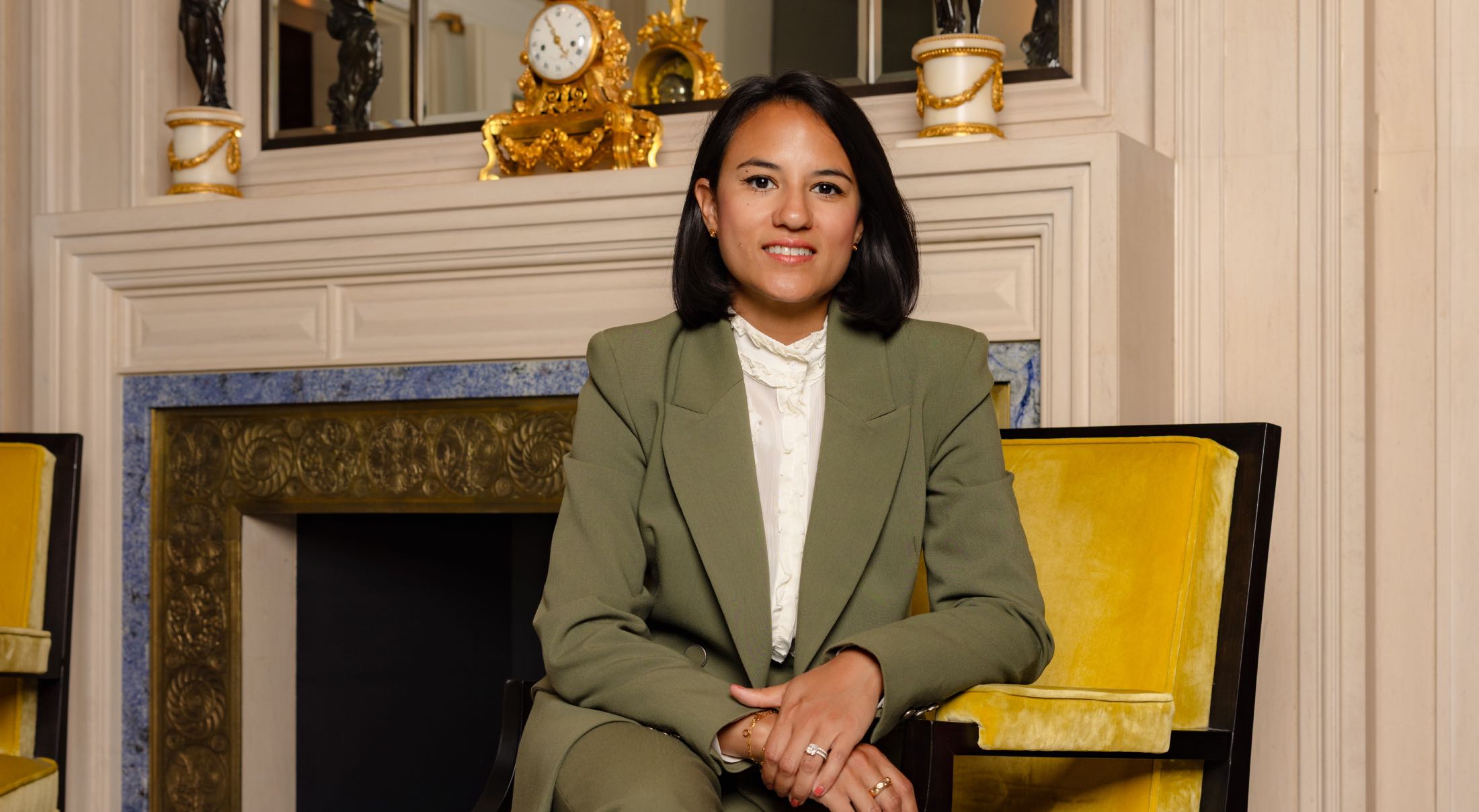
Yet Kracht is under no illusion that independence alone is what draws guests to Baur au Lac. “I suspect that the sense of continuity matters much more to a guest than the word ‘independent’,” she says. “Ultimately, guests care less about the corporate structure behind a hotel than about whether it feels personal, individual, and consistent.”
This story first appeared in the November 2026 issue. Purchase it as a print or digital copy, or consider subscribing to us here