“Being a good doctor isn’t the same as building a good system of care–and if you only focus on the former, you’ll spend your whole career treating the same problems on repeat.” – Sue-Anne Toh
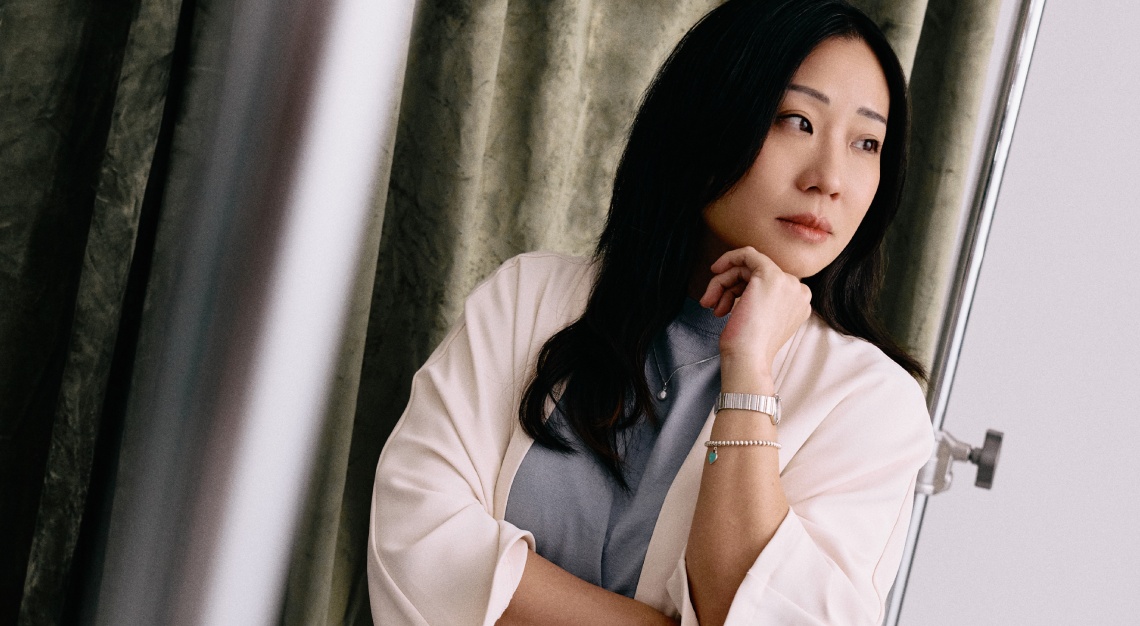
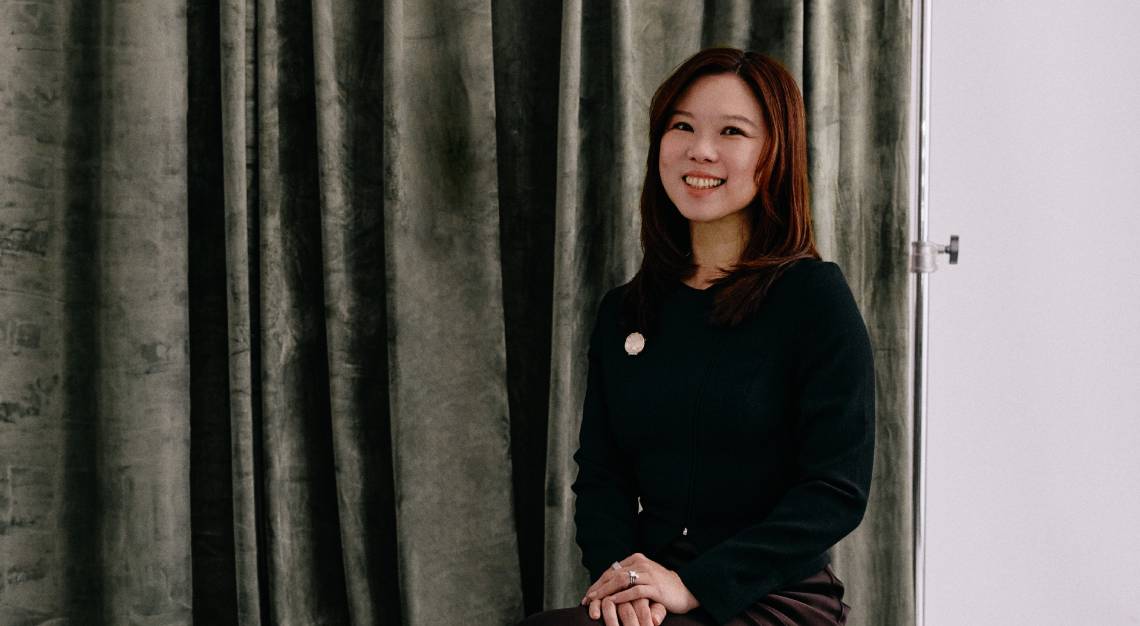
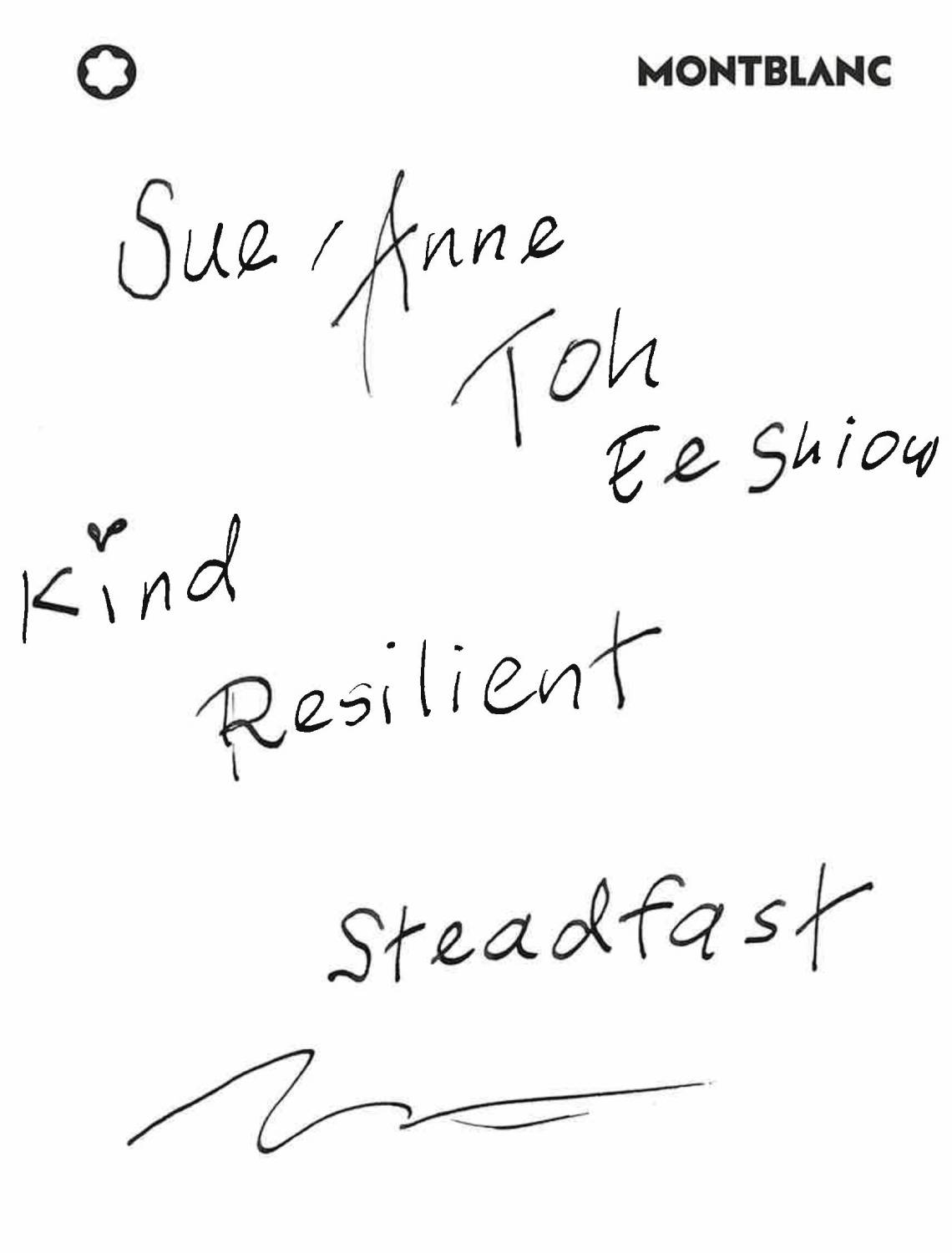
Although her list of designations and appointments makes her out to be somewhat of a multi-hyphenate in the medical field, Sue-Anne Toh is really concerned about just one thing. “My different lenses are trained on the same underlying question: how do we help people not just live longer, but stay healthy for longer?” she says.
A physician, scientist, and health-tech entrepreneur with an easy warmth, Toh co-founded and now leads Novi Health, a medical practice and technology venture built around preventive, personalised care for metabolic disease and longevity. Away from the practice that was founded in 2018, she also serves as adjunct associate professor of medicine at the National University of Singapore.
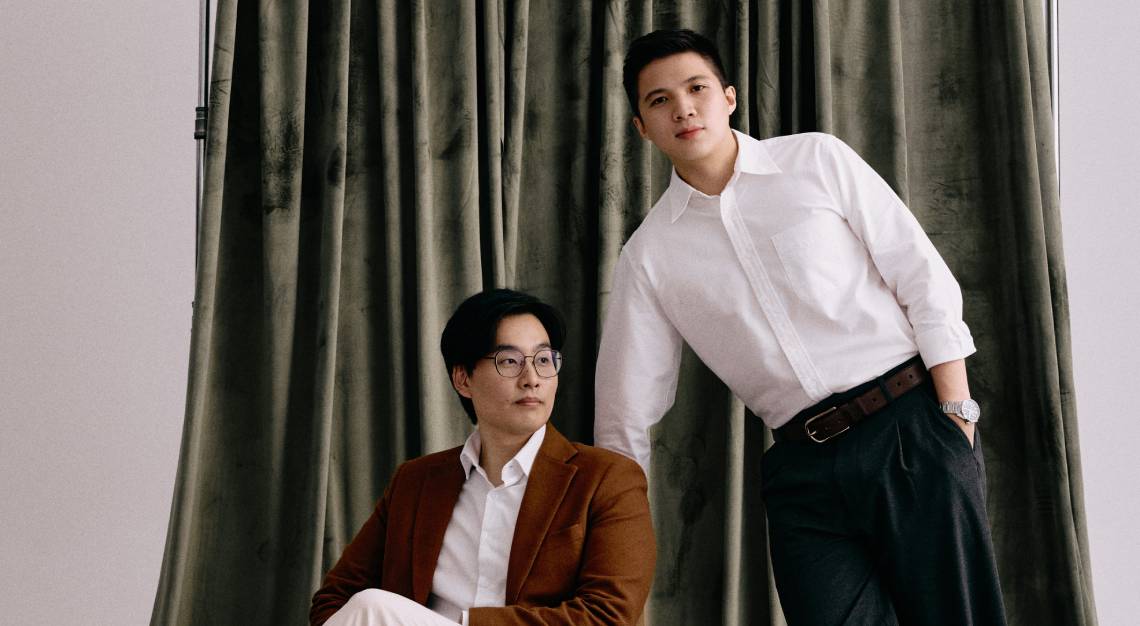
Toh built the practice alongside fellow physicians Kyle Tan and Joanne Tay on a conviction that diabetes care, as conventionally delivered, leaves too much unattended between consultations. Patients wear continuous glucose monitors and other tracking devices, feeding data into the Novify app, where a dedicated health coach turns the numbers into daily nutrition and lifestyle guidance rather than leaving patients to interpret a laboratory result on their own until the next appointment.
That same infrastructure has since carried Novi Health beyond diabetes and weight management into a broader scope: health optimisation and longevity built on genetic and biomarker data. This shift from managing illness to preempting it sits naturally alongside Toh’s pursuit of the question underpinning her work.
What opinion or belief have you significantly revised over the years?
I used to believe that if you gave people enough medical information, they’d make the healthy choice, and that education was the missing piece. More than two decades of practising medicine changed my mind. Knowledge alone rarely changes behaviour. Access, support, and a system designed around the patient do.
What do you wish more people would understand about your field of work?
That obesity and metabolic disease are medical conditions, not failures of willpower, and that they’re two of the biggest levers we have on health span. Treating them seriously and early is some of the most effective longevity medicine there is.
Preventive care feels like such a logical thing. Why hasn’t it taken off earlier?
I could spend a whole day on that, but in short, there are three reasons. First, there’s still a gap between knowing and doing. We may have the knowledge, but translating that into sustainable results is a different challenge. Take sleep. We all know we should get enough, but we wake up to a full schedule and power through anyway. It often takes seeing certain health markers genuinely change before we adjust. Even then, the change may be limited.
Second, why aren’t people investing in this? When someone is genuinely unwell, the pain point is severe and someone pays, whether an insurer, the government, or the individual. When the pain isn’t acute, it’s less clear how much should be paid or by whom. Medicine has historically run on a fee-for-service model: you see a doctor when you’re sick. Doctors haven’t traditionally been rewarded for the time spent helping patients prevent illness in the first place.
Third, medicine today is exciting, with more possibilities than ever for preventing and curing disease. But no human being can assimilate the entire universe of studies well enough to tell a patient with confidence what is best for them right now. That’s why we needed to build the technological tools, including the responsible use of AI, to give every care provider the right visibility of data to make sound recommendations.
What have you learnt most about yourself through this journey with Novi Health?
I’ve done a fair number of difficult things in my life: going to medical school, moving to different countries and continents. However, running a start-up is an entirely different world and it stretched me beyond anything I could have imagined. I’ve sometimes been surprised by how painful the process can be. On the flip side, when you emerge from it having learnt and improved, it’s incredibly rewarding.
Photography by Eugene Lee of Enfinite / Hair & Makeup by Sveta Klyn of Suburbs Studio