The German watchmaking house’s most celebrated references are well known, but these are the ones that discerning collectors quietly seek out
There is a particular type of watch collector who has moved past the obvious choices. Not out of boredom or the assumption that he has owned all the popular classics. Rather, he does so as he has grown into the brand, understanding its range and arriving at a point where the most interesting models may not be the most obvious ones. For these collectors, A. Lange & Söhne holds a specific fascination. The brand’s icons are known, but what interests them are the references that sit just beyond the spotlight.
These watches are not hidden in any conventional sense. They occupy the same six collections—the 1815, Richard Lange, Datograph—and bear the same design traits: the three-quarter German silver plate, the hand-engraved balance cock tracing its lineage to A. Lange & Söhne’s earliest pocket watches, the outsized date that has become as recognisable as any detail in contemporary horology. What they offer, beyond all that, are loftier manifestations of the Glashütte manufacture’s watchmaking capabilities.
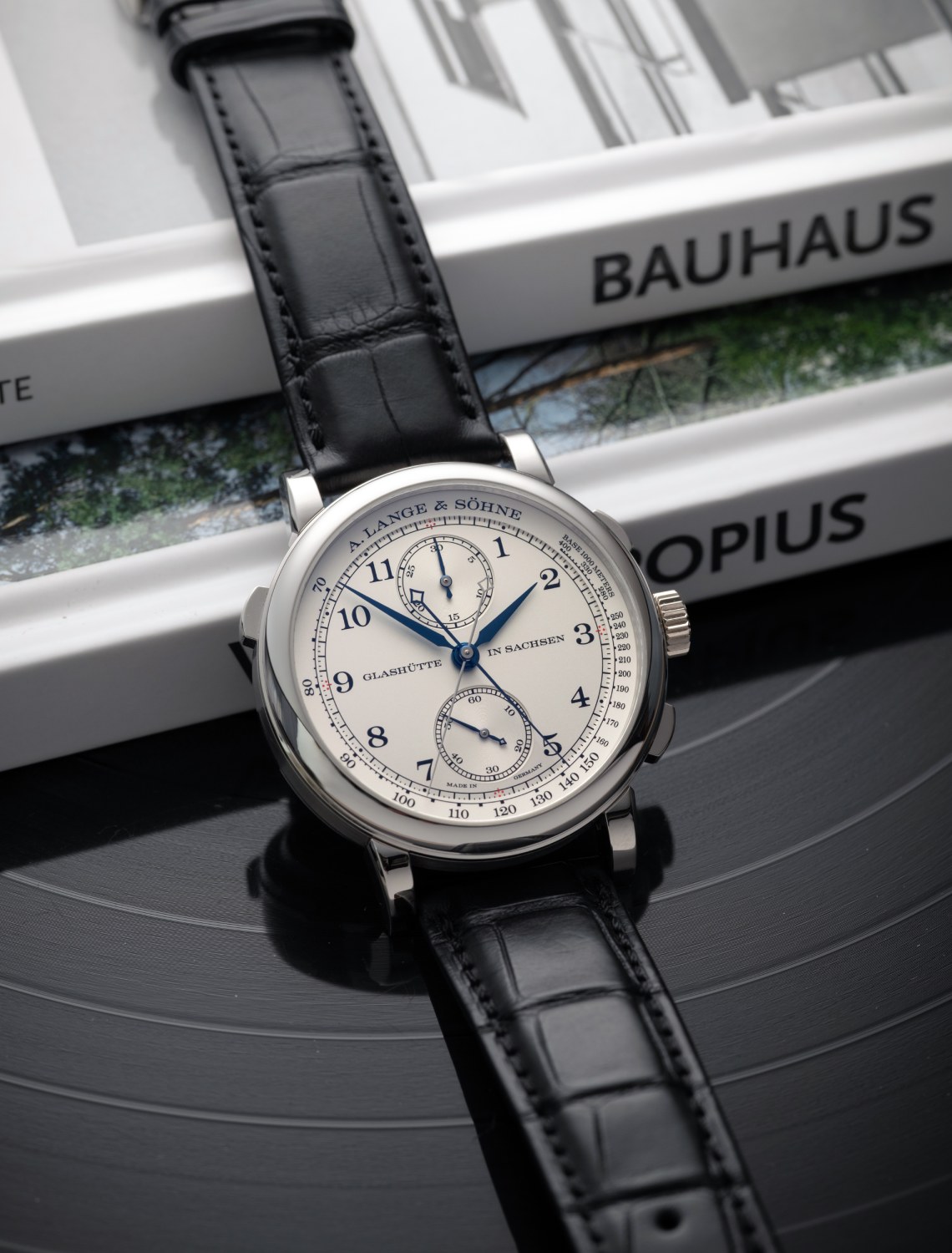
Take the 1815 Rattrapante. The rattrapante, or split-seconds chronograph, is one of the most demanding complications a watchmaker can attempt: two superposed chronograph hands operating independently, capturing separate interval timings with precision. A. Lange & Söhne’s version features a vertically symmetrical and deliberately spare interface. The movement, the L101.2, the manufacture’s seventh iteration of this mechanism, runs on not one, but two column wheels—a feature of any high-end chronograph—that help with smooth activation of the mechanism.
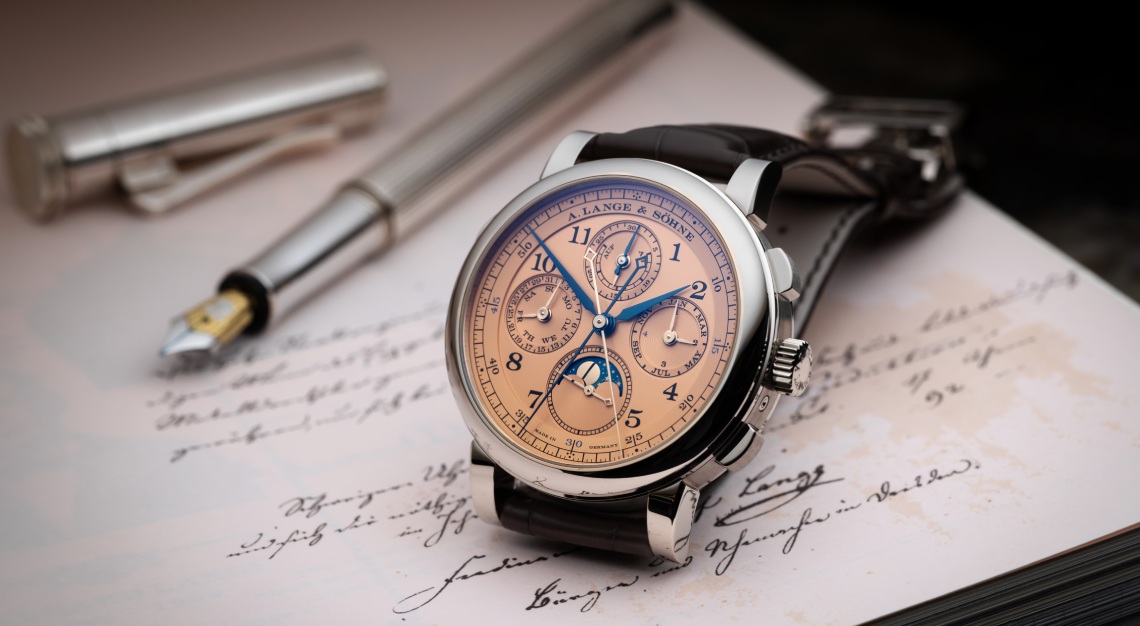
Available in platinum, limited to 200 pieces, and in a Honeygold Homage to F. A. Lange edition of 100, it is exactly the kind of watch that a connoisseur finds first and mentions rarely. The 1815 Rattrapante Perpetual Calendar takes things even further. Within a 41.9mm case in platinum or pink gold, the 636-part calibre L101.1 brings together a rattrapante chronograph, a perpetual calendar, and a moon-phase display. The perpetual calendar requires no correction until 2100. The spare and composed dial design belies the engineering beneath it. That invisibility is, for those who recognise it, the point.
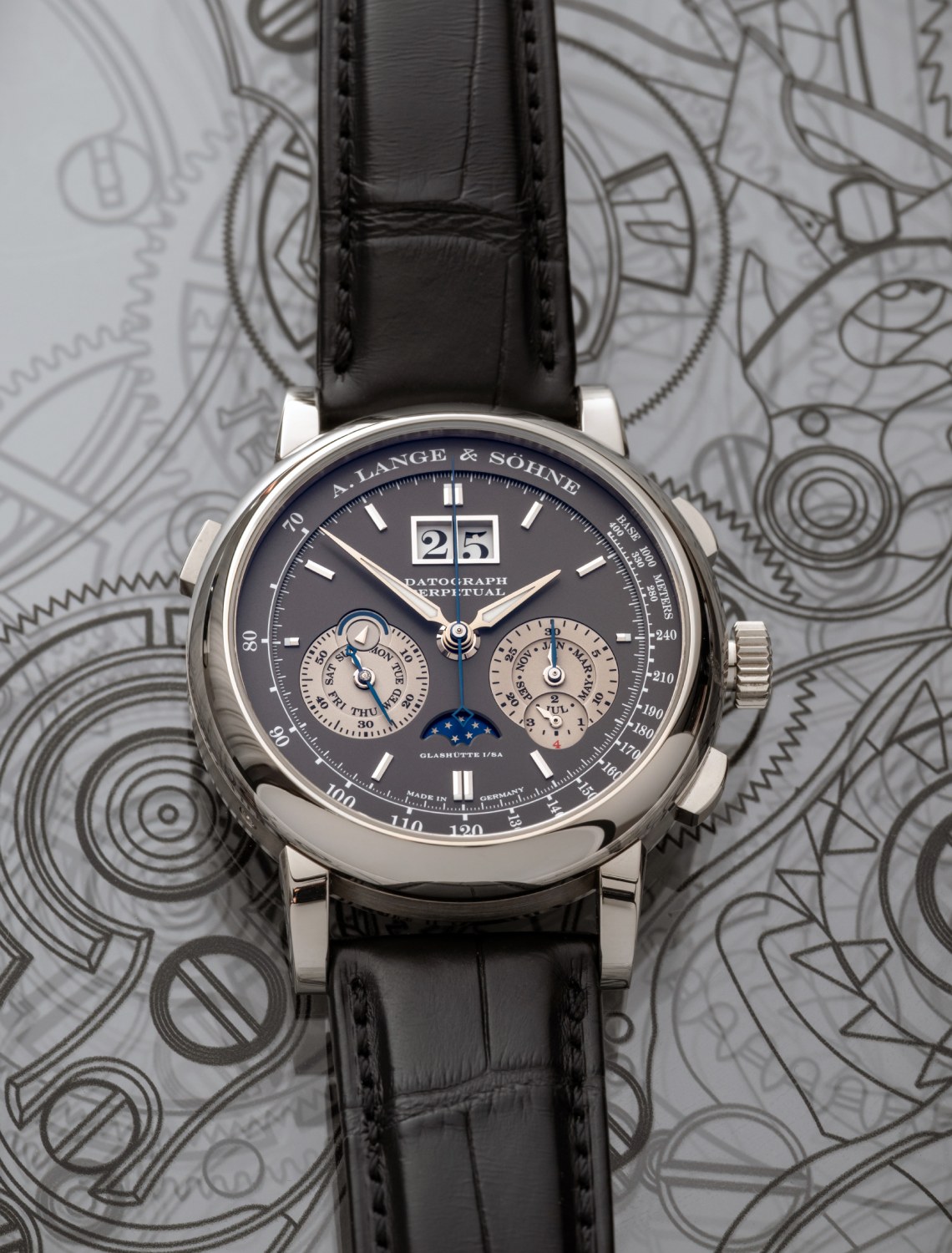
The Datograph Perpetual is, in some respects, the most accessible of these references. The original Datograph of 1999 was A. Lange & Söhne’s first flyback chronograph, a function that allows the timer to restart instantaneously rather than through the conventional stop-reset-start sequence. The 2006 perpetual calendar variant added the date, day, month, and leap year, accurate until 2100, without disturbing the dial’s equilibrium.
Away from chronographs, the Richard Lange Tourbillon Pour le Mérite lands with a different measure of gravitas. Since A. Lange & Söhne’s reestablishment in 1990, only five references have carried the Pour le Mérite suffix, derived from the Prussian order of merit for science and the arts.
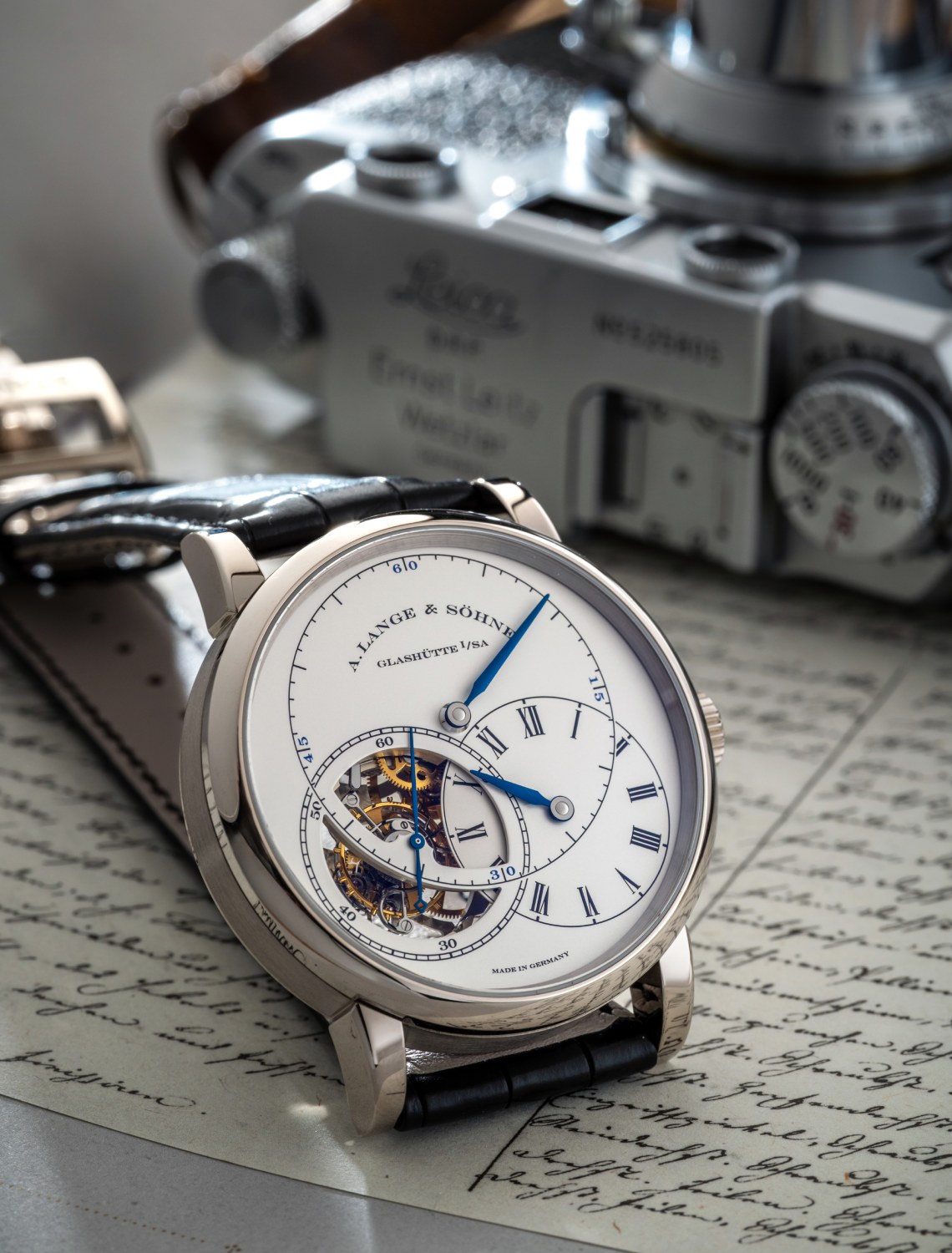
This one pairs a one-minute tourbillon with a fusee-and-chain transmission, a mechanism that distinguishes Pour le Mérite models to maintain constant force delivery as the mainspring runs down. Released in pink gold, and subsequently in limited editions in platinum and Honeygold, it rewards sustained attention in a manner that befits the most technically refined of grand complications.
And A. Lange & Söhne knows that the collector who gravitates towards these references has usually stopped needing a watch to announce itself. Assured and discerning, these aficionados know what they are looking for—and they know it when they find it.
This story first appeared in the July 2026 issue. Purchase it as a print or digital copy, or consider subscribing to us here