The artist’s perspective of a sinking world is mesmerising, yet horrifying
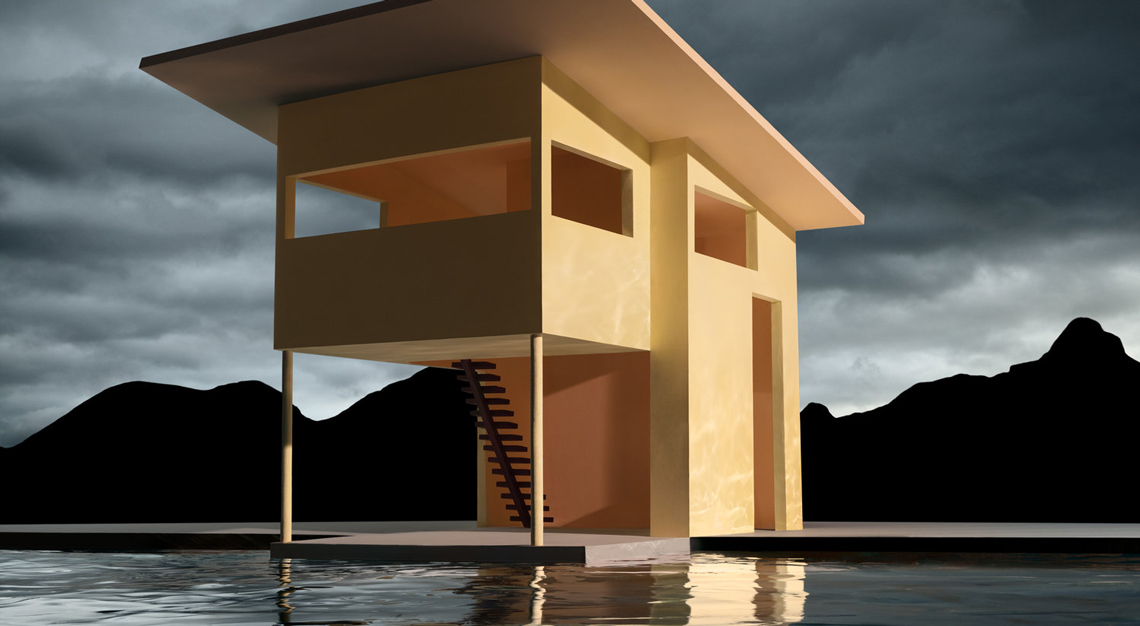
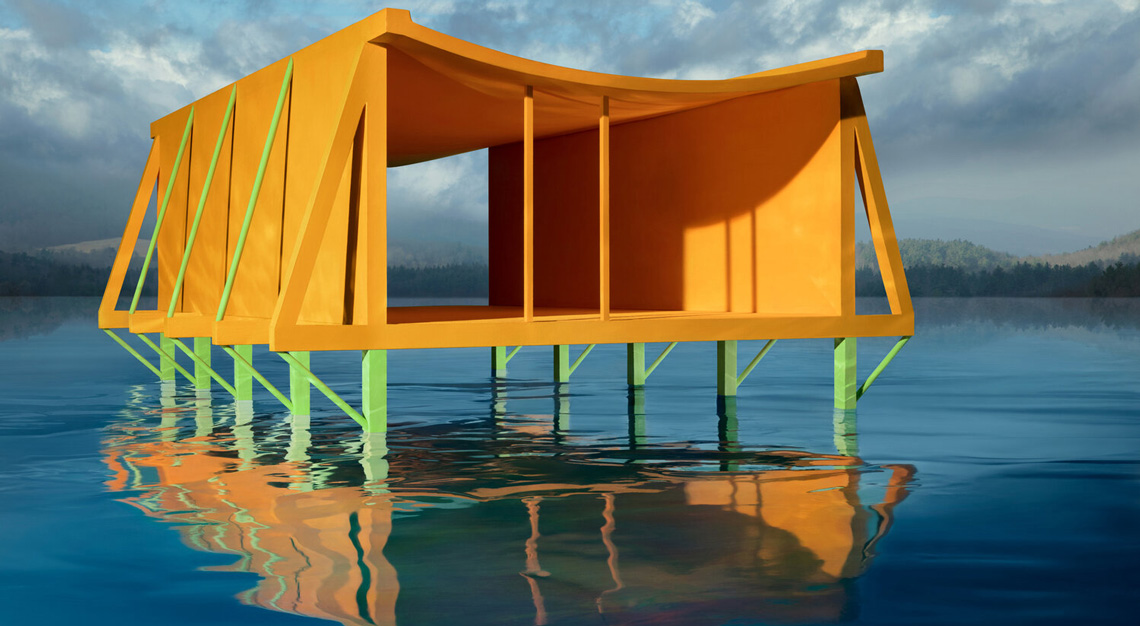
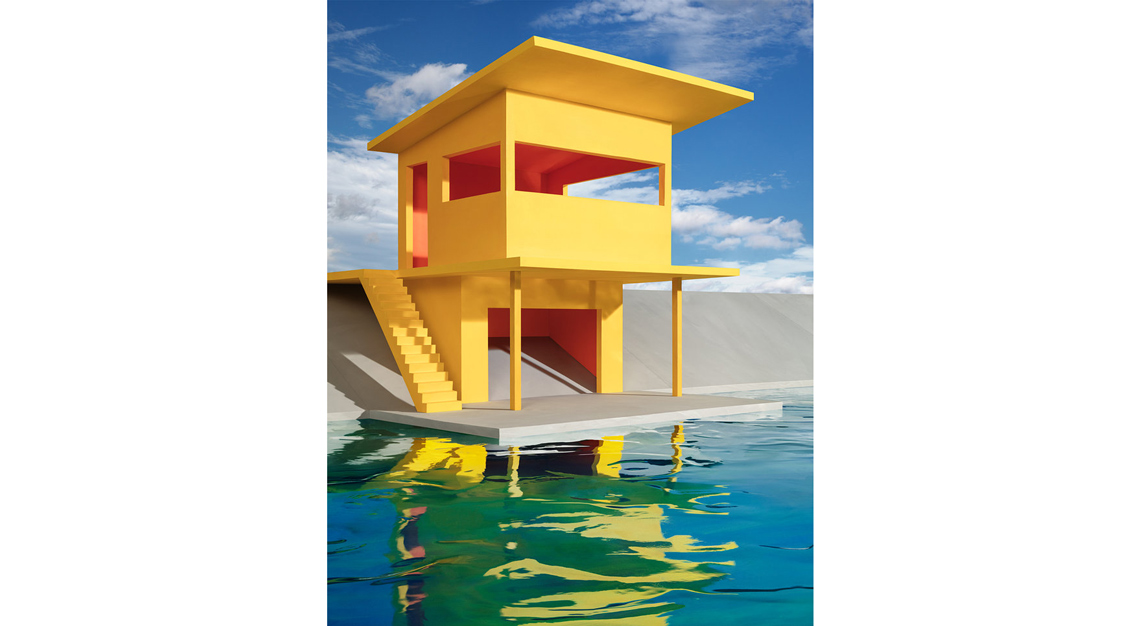
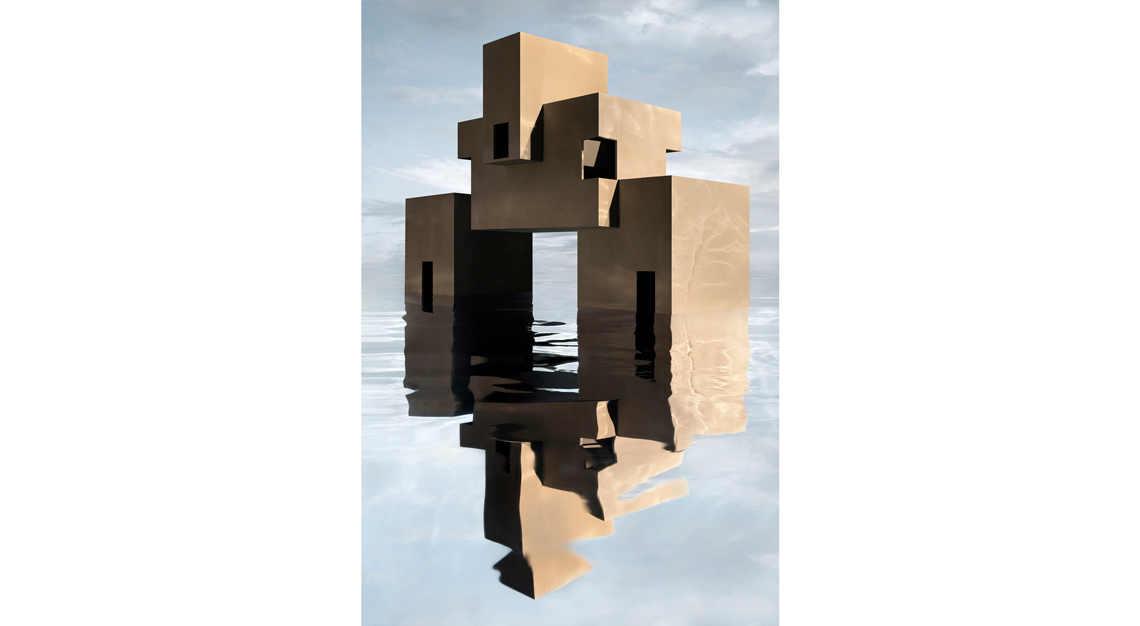
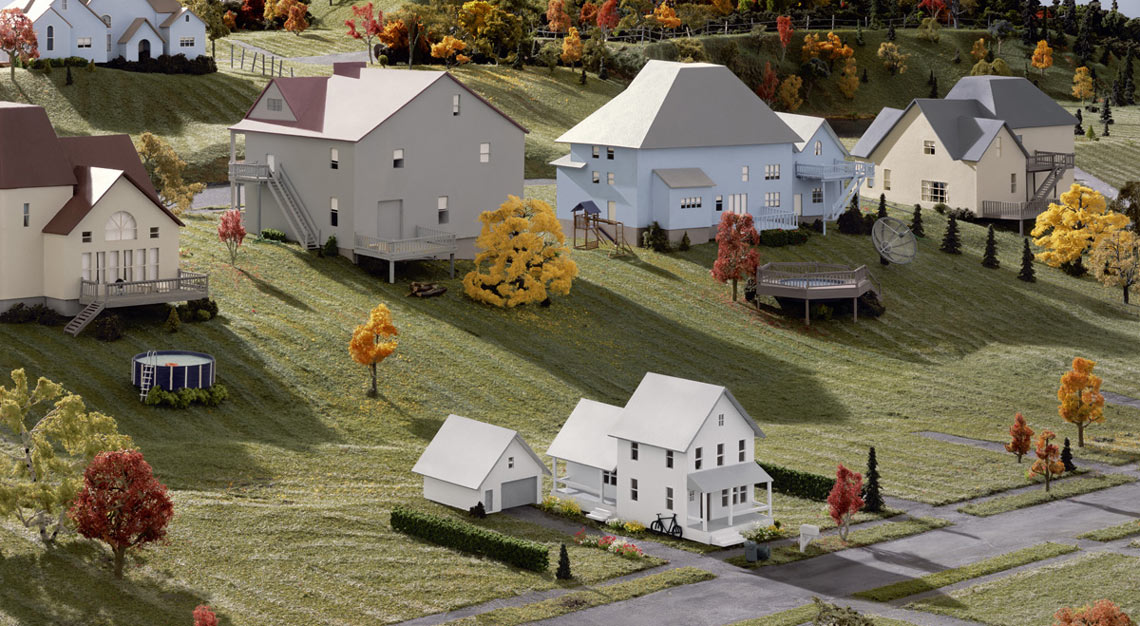
You could call James Casebere a master of ‘constructed photography’, but the 67-year-old American artist has more than just a good eye for taking brilliant photos. This delicate form of art that he’s been practising for more than four decades is straightforward, yet complex; he builds models made from foam core, paint and plaster in his studio, and juxtaposes them against a water effect achieved by pouring melted resin onto a painted wooden base. As soon as he’s built a structure to his liking, he takes photographs of it and adds final touches via Photoshop. The final outcome? A hypnotic photo series of beautifully staged structures with an intriguing story to tell.
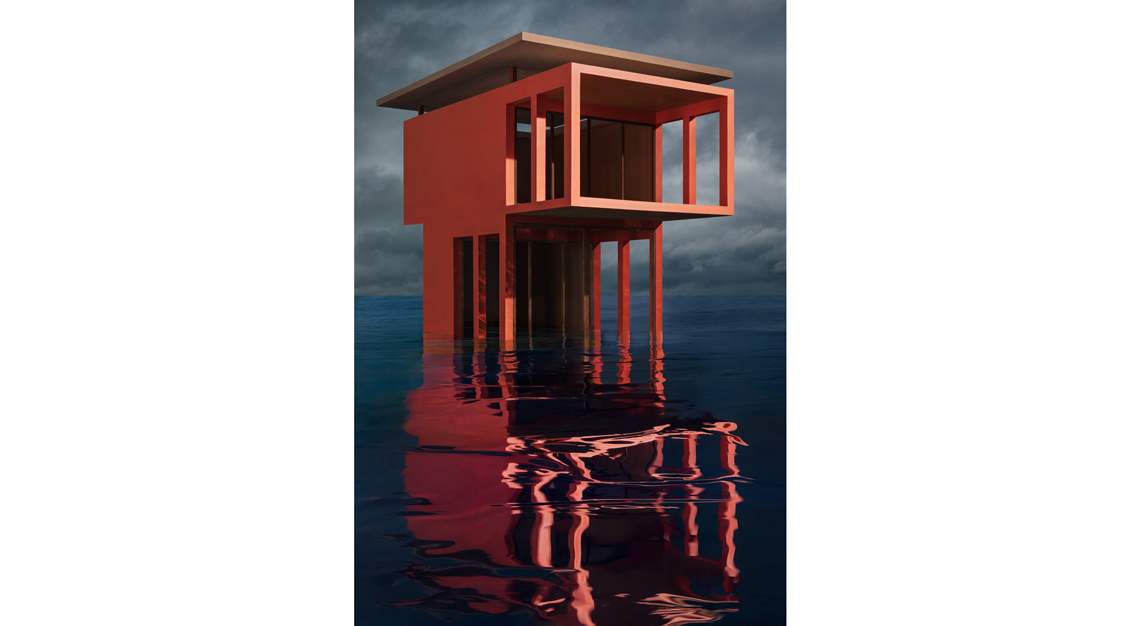
For Casebere’s most recent exhibition in Paris which took place last month, the artist touches on rising sea levels. Called On the Water’s Edge, the exhibition portrays a world in which people are forced to build shelters to escape catastrophic flooding. It’s his way of responding creatively to the threats that the world is facing, he says, and he hopes more artists will do the same. Now, while Casebere has carefully painted a rather mesmerising picture of the Earth sinking, we know it won’t look as pretty when the time comes. And that, perhaps, is the underlying message that this artist is trying to convey.
What sparked you to create On the Water’s Edge?
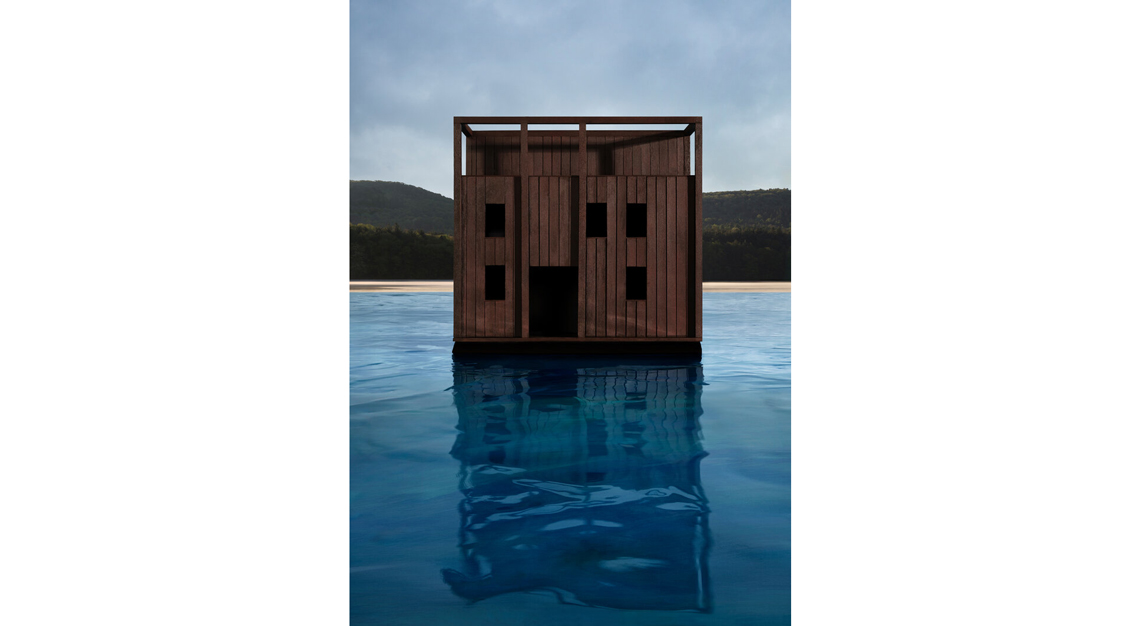
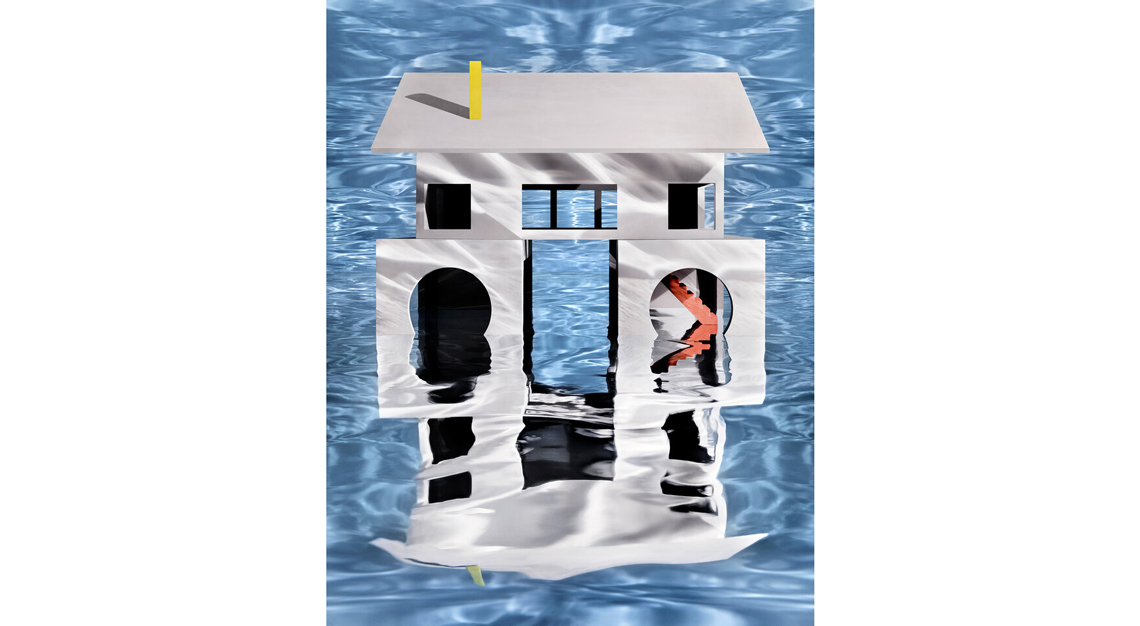
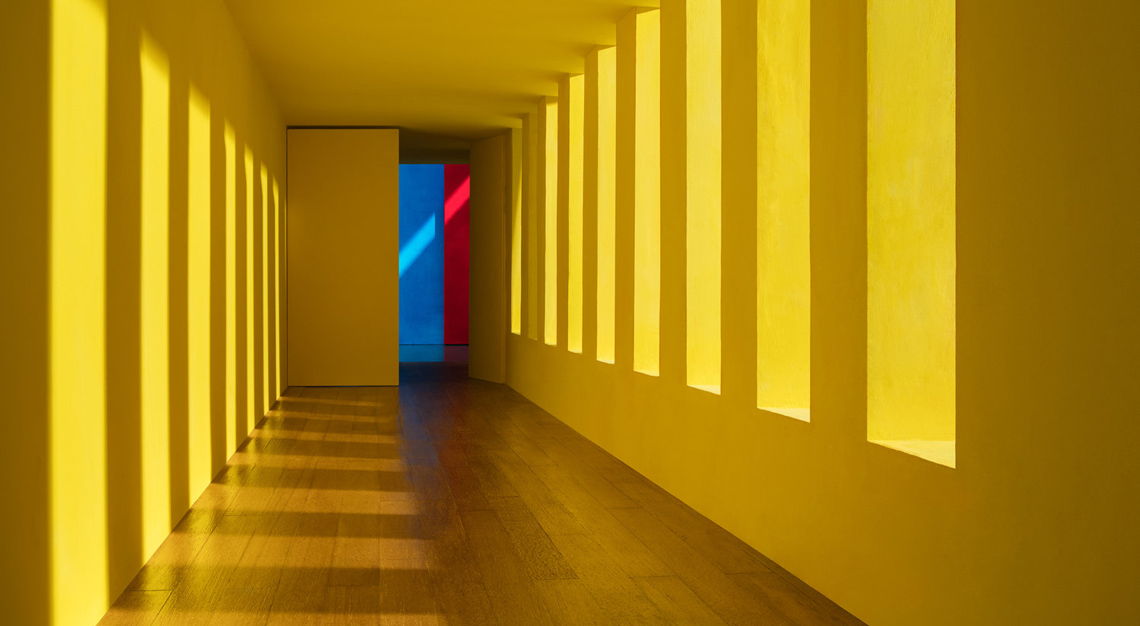
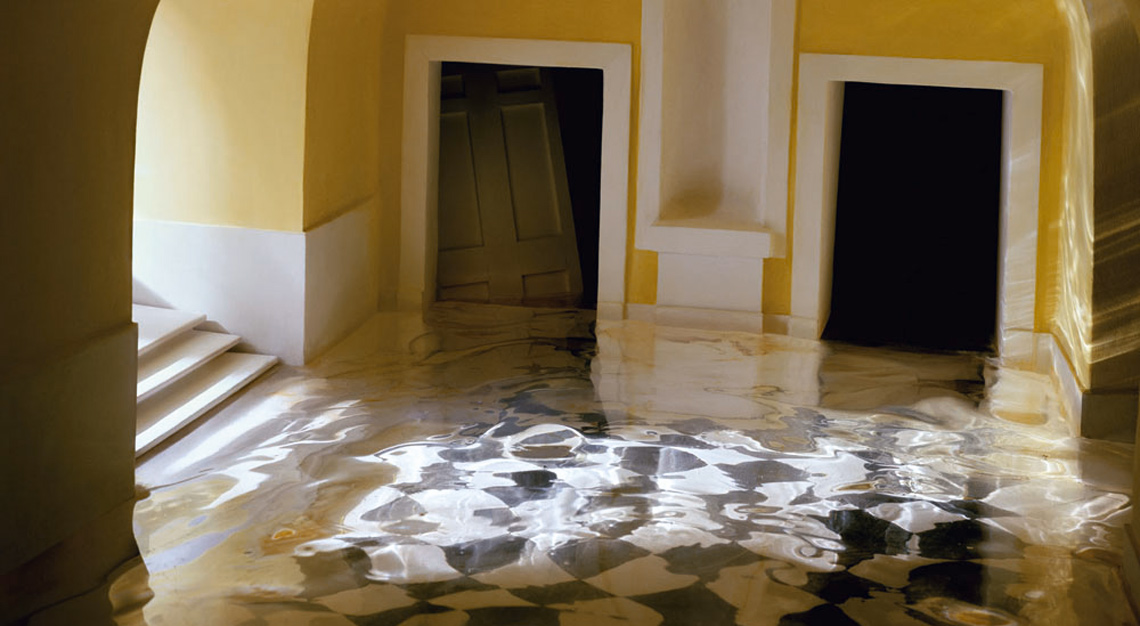
This is the first coherent group of work following a series that I produced in 2016 / 2017 based on Mexican architect Luis Barragán. With this new work, I’ve been trying to create my own architecture that embodies some of his values. However, I wanted to think about the future instead of the past, and forged a new architectural type for the ‘drowned world’ that we are living in. These models are meant to emulate structures of a lifeguard station, beach house, bath house, changing room and a hostel.
I worked based on an initial concept of a rectilinear building and its distorted reflection in the water. Something about the combination clicked, and I began hanging the prints upside down in my studio. What I had noticed afterwards are the two distinct elements these photographs portrayed – a sense of stability and a chaotic inverse.
What goes into the planning and execution of these photographs?
The entire project was produced over a two-year period, and the models were built on a table in my studio in upstate New York and Western Massachusetts.
Firstly, I work alongside an assistant, who is also my photo technician, to build the models. We then shoot the pictures digitally. The next step involves lots of post-production, which includes adding in the ‘sky’ in the background and cleaning up the models. Lastly, I adjust the reflections of the structures in the water until I’m happy with them.
What do you want people to remember about this exhibition?
I would like visitors who see my exhibition to walk away with faith in the ability of the humankind to deal with big issues, without getting overwhelmed. It feels like climate change is the elephant in every room, and marshalling our energies to creatively address interrelated issues around the topic is a challenge we cannot ignore.
If you could replace the ‘homes’ in these photographs with another item, what would it be?
I’m currently thinking about larger, labyrinthine structures that serve as multi-family emergency compounds. These structures are meant to shelter large groups of people who have been displaced by rising sea levels and intensifying storms.
Besides climate change, is there any other social or environmental issue you would tackle through your work?
Income inequality and a stance on nationalism are a few of the issues that are on my mind. In the past, my work has dealt with a host of issues, like the history of incarceration and myths of American national identity. I’ve always been interested in the way personal experiences and social events or forces intersect.
Anyone would be curious to know who inspires you. If you could have dinner with an artist whom you haven’t had the chance to meet yet, who would it be and why?
I would sit down and have dinner with American sculpturing artist Martin Puryear when I get back to New York. I missed him when he came to Rome in December last year to dismantle his exhibition called ‘Liberty’ at the American Pavilion. The show was focused on the concept of freedom and its entanglements with elements of justice and social responsibility.
Any plans to bring this exhibition to Asia? If yes, when, and if no, why not?
I would love to bring the show to Asia, but currently don’t have any plans. I have no excuse, and am open to suggestions.