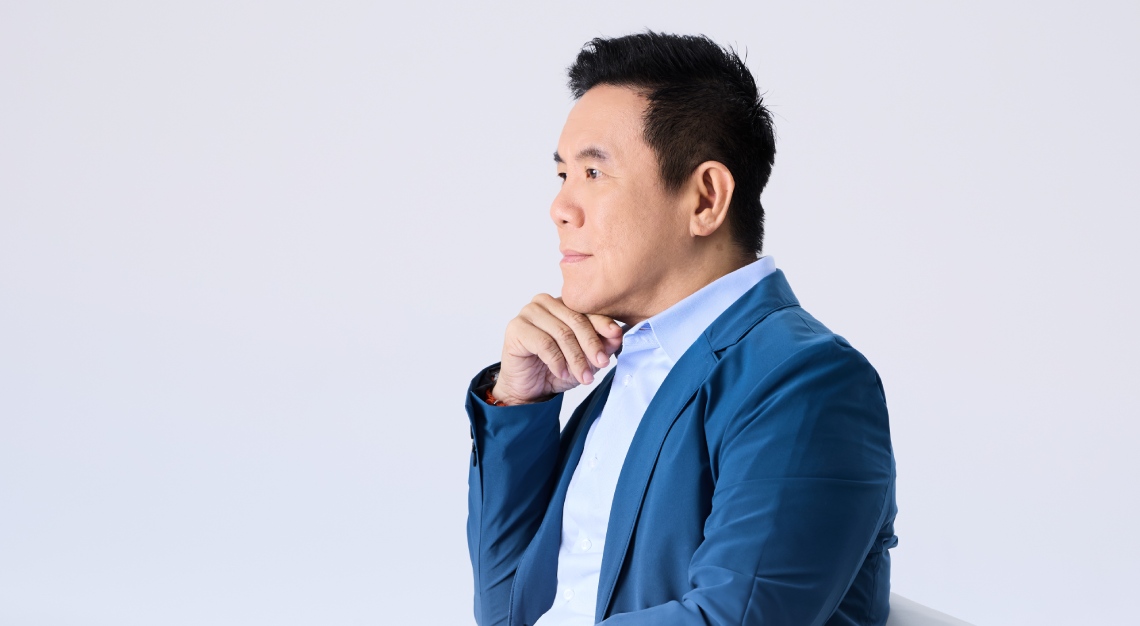
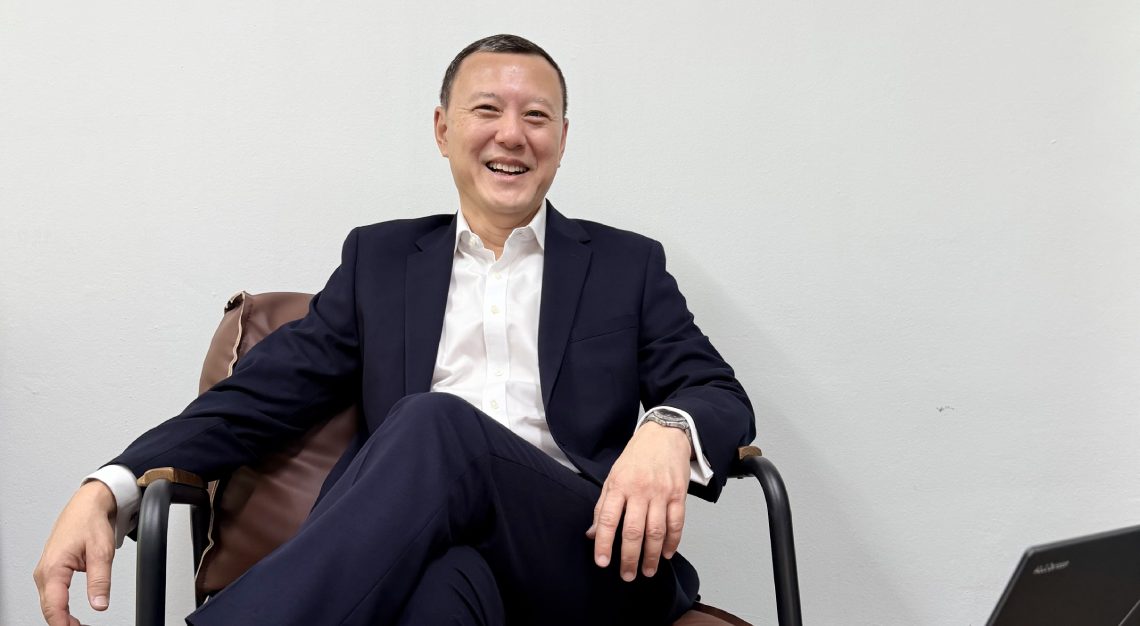
On the occasion of HCSA Community Services’ 30th anniversary, CEO Andrew Tay speaks about philanthropy, purpose, and building an organisation that remains both sustainable and deeply human
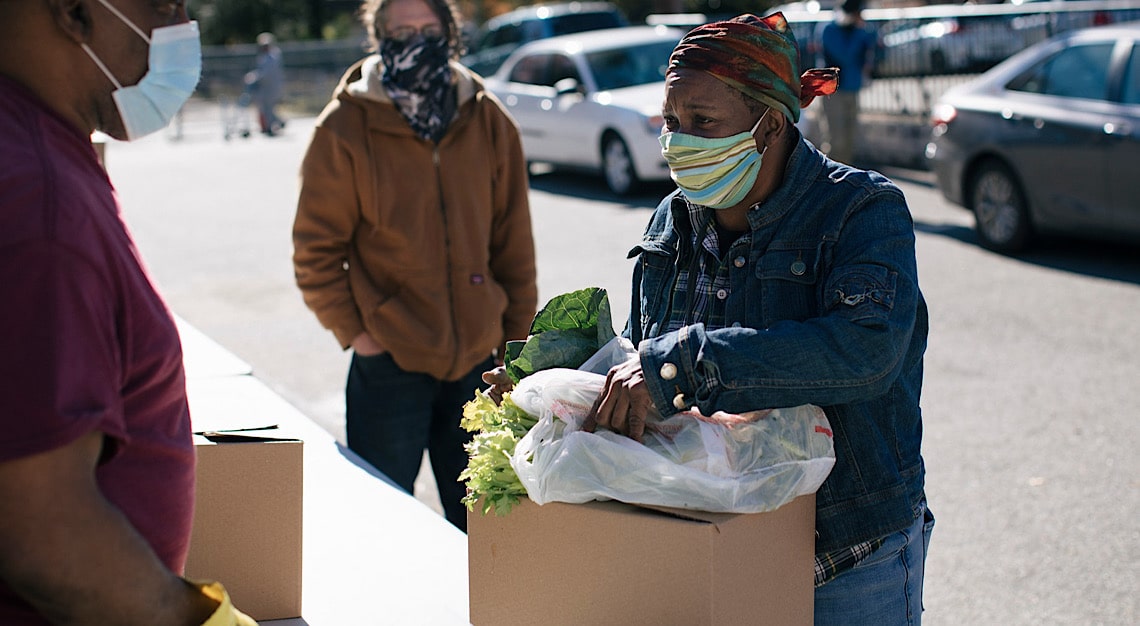
As HCSA Community Services marks its 30th anniversary, the milestone is more than a commemoration of time served. For Andrew Tay, CEO of the social service agency, it is also a moment of reflection on the lives restored, families supported, and communities that continue to rely on organisations such as HCSA through some of life’s most difficult seasons.
At the heart of Tay’s leadership is the idea of stewardship. Having begun his professional life in the commercial sector before moving into social service, he brings with him a perspective shaped by operational discipline, faith, resilience, and a conviction that every individual carries inherent dignity, regardless of circumstance.
In conversation with Robb Report Singapore, Tay reflects on HCSA’s 30-year journey, the changing meaning of philanthropy, and what it takes to lead with both head and heart.
HCSA is marking its 30th anniversary this year. As CEO, what does this milestone mean to you personally?
The anniversary is deeply meaningful to me because it represents 30 years of faithfully journeying with people through some of the hardest seasons of life. Behind every programme and initiative are real stories of restoration, second chances, and hope.
Personally, I see leadership as stewardship. We inherit something built through the sacrifice and conviction of those who came before us, and our responsibility is to strengthen it and pass it on well to the next generation. This milestone is therefore not just about celebrating the past, but asking what HCSA must become to remain relevant, compassionate, and impactful in the years ahead.
What were some of the most immediate challenges you had to face or recalibrate when you first stepped into the role?
The first thing I had to do was listen. Every organisation has its own history, culture, strengths, and unspoken realities, and I did not want to make changes without first understanding its people and context.
At the same time, there were immediate realities to manage. Like many social service agencies, we have to balance mission, sustainability, manpower pressures, governance expectations, and growing societal needs. Structures and systems matter, but social service work is ultimately human work. People need clarity and direction, but they also need trust, encouragement, and hope.
HCSA serves communities with complex and often deeply personal needs. How did you approach understanding the organisation from the inside out?
I began by spending time with staff across different programmes and listening to people on the ground. I wanted to understand not just what we do, but why we do it, and what challenges our teams face each day.
What struck me quickly was the resilience of the people we serve. Even in difficult circumstances, there is often still a desire for restoration, dignity, and hope. I also came to appreciate the emotional weight carried by our staff. Social service work is not transactional. It requires compassion, patience, and emotional investment, which is why we must build not only strong programmes, but also a healthy culture that supports the people doing this work.
What does philanthropy mean to you today, in a society where giving is increasingly tied to measurable outcomes and impact?
I think the focus on accountability and impact is important. Organisations must steward resources responsibly, and donors rightly want to know that their giving is making a meaningful difference.
At the same time, we must be careful not to reduce human transformation to numbers alone. Some of the most important outcomes are difficult to quantify: restored dignity, renewed hope, reconciliation within a family, or someone beginning to believe again that they have a future. To me, philanthropy is ultimately about partnership—a shared belief that every life has worth, and that communities become stronger when we journey alongside one another.
Social impact work can be emotionally demanding. How do you sustain yourself and your team through the harder days?
One of the most important things is to keep reconnecting to purpose. In difficult seasons, it is easy to become overwhelmed by operational pressures or emotional fatigue, and remembering why we do this work helps restore perspective.
I also believe strongly in community and team support. No one sustains this kind of work alone. People need spaces where they feel safe, supported, and encouraged, especially when the work becomes heavy. Personally, my faith keeps me grounded. Sometimes, even a single story of restoration or breakthrough can renew the energy and conviction of the whole team.

Looking ahead to the next chapter of HCSA, what would meaningful progress look like?
Meaningful progress goes beyond organisational growth. Of course, I hope to see HCSA become stronger, more sustainable, more aligned, and better positioned to respond to emerging societal needs.
But ultimately, the real question is whether lives are being restored and communities strengthened. I hope to see individuals rediscover dignity and hope, families experience reconciliation, and vulnerable communities receive not just support, but genuine opportunities to flourish. I also hope HCSA continues to play a meaningful role in the broader social service ecosystem through partnerships, collaboration, and thought leadership, while remaining deeply human and compassionate in the way we serve.