Danish winemaker Peter Sisseck reflects on the unlikely journey that transformed Ribera del Duero into one of the world’s most coveted wine regions
For anyone who has tasted Pingus, the experience rarely ends with one bottle. The wine’s captivating depth always demands, and rewards, another pour. Pingus has become inseparable from the name behind it, Peter Sisseck. Yet Sisseck’s path into the world of wine is far from conventional. Unlike many celebrated winemakers, he does not come from a long lineage of vintners. Instead, the Danish-born talent found his calling in Spain almost by chance.
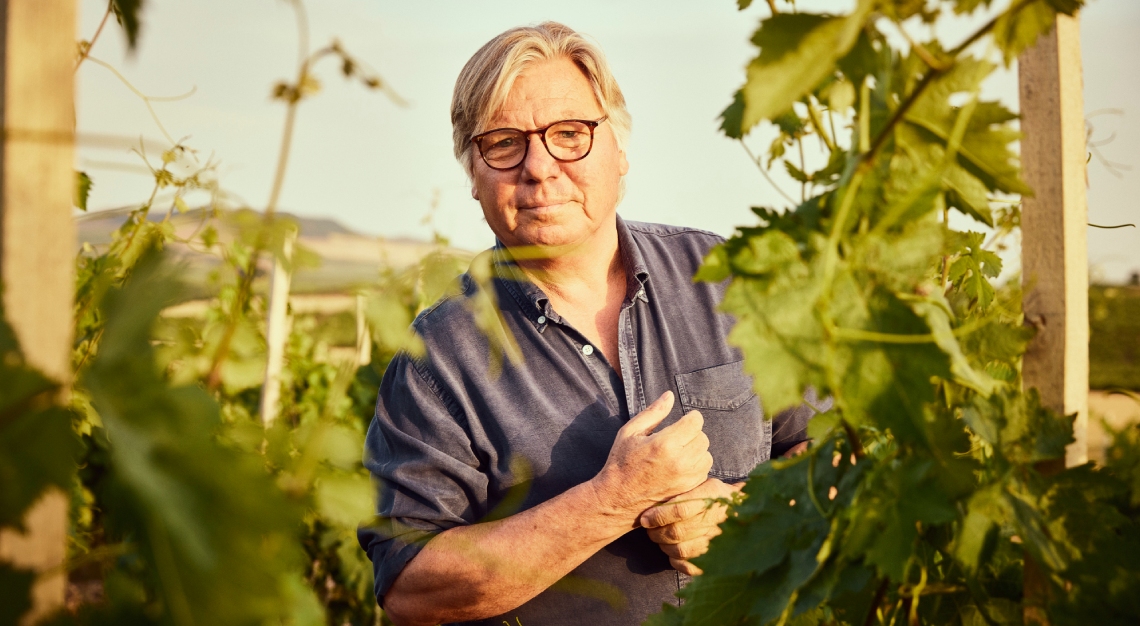
The story began when his uncle asked him to oversee a property that friends had purchased in Ribera del Duero, near the famed Vega Sicilia estate. “I arrived one June morning and something clicked,” Sisseck recalls. “It felt like falling in love. I saw enormous potential in the region—an ancient area that was somewhat abandoned, where people had been making wine for centuries but without much ambition. I felt immediately inspired to stay.”
At just 28, Sisseck seized the opportunity to help establish Hacienda Monasterio, a winery considered today one of the modern classics of the region. In those early days, however, the project felt far from certain. Seeking a measure of security for his young family, and with very little money to his name, he resolved in 1995 to produce a small wine of his own as an experiment.
Life in Ribera del Duero was anything but romantic. “It’s not the glamorous Spain of beaches and sunshine,” Sisseck says. “It’s dry, cold, harsh—a very extreme environment. But there is a truth in that landscape.” That same year, he came across a small vineyard planted in 1929. From those old vines, he produced a wine that surpassed not only his own expectations, but those of the wider wine world. That wine would become Pingus.
How has your winemaking evolved?
One of the defining moments came when I arrived in Bordeaux in 1983 and tasted the legendary 1982 vintage at Château Pichon Baron. Imagine tasting one of the greatest wines ever made as your first serious experience with wine.
What struck me most about the 1982 vintage was how approachable it was. Our approach has therefore evolved in stages. In the early years we harvested late, used very low yields and aged the wine in 100 per cent new oak. Around 2005, we began reducing the amount of new oak because the wines were becoming too powerful. By 2012, we stopped using new oak entirely. Today our wines are harvested earlier and with slightly higher yields than before.
Is it fair to say that there is little room for error in your work?
Winemaking is unusual because you only make wine once a year. That means you have very few opportunities to learn. Often it takes decades before you understand the consequences of decisions you made in the vineyard. Some of the wines I made in 1995 only fully revealed themselves 30 years later. As the Danish philosopher Søren Kierkegaard said, life is lived forward but understood backward. Winemaking is very much like that.
What does Pingus mean to you?
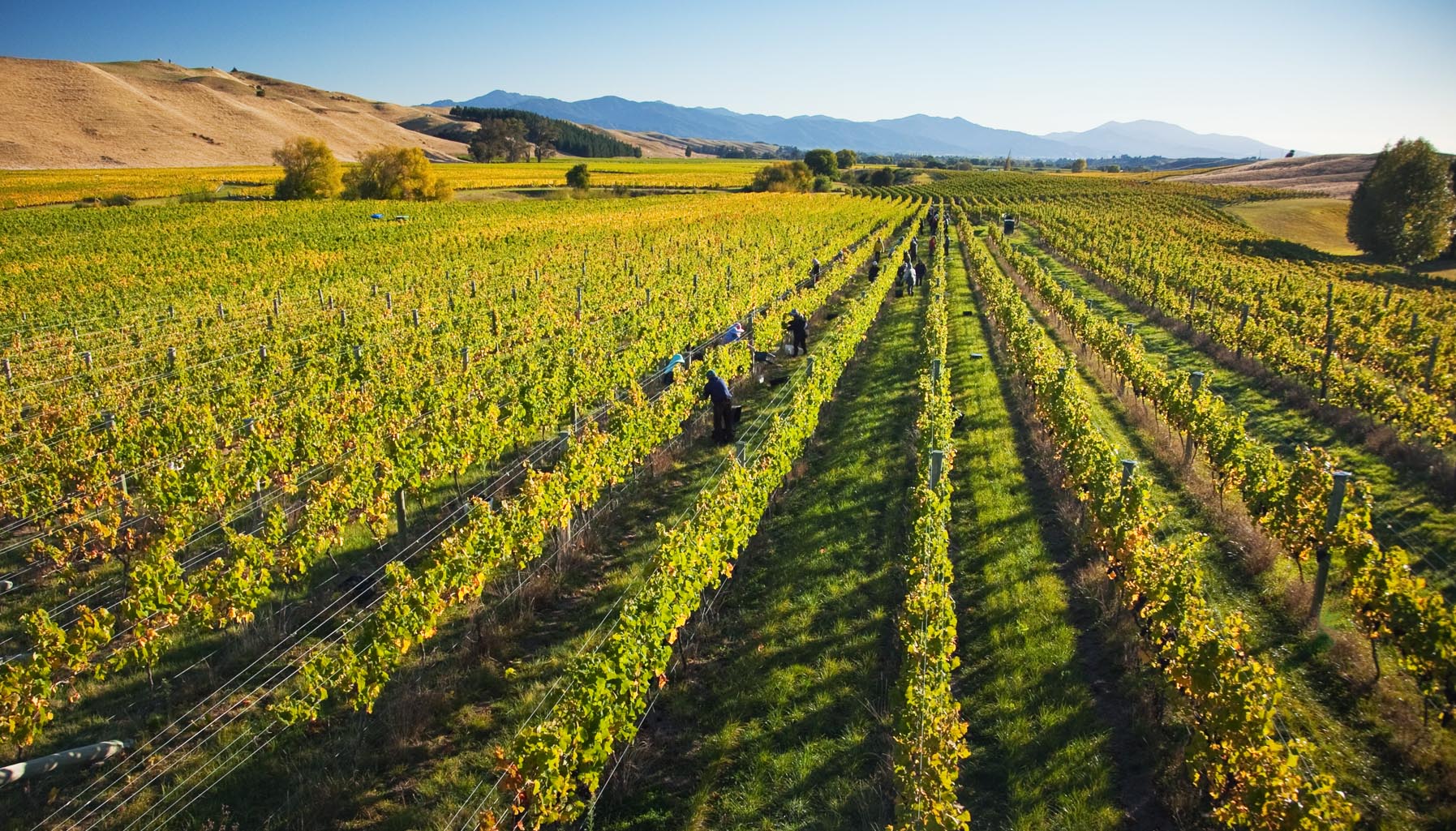
Pingus captures the scent of the place. Ribera del Duero is a very extreme environment. The vineyards lie between 750m and 900m above sea level, with dramatic temperature swings—very hot summers and very cold winters. The climate is far more severe than in Bordeaux.
We work primarily with tempranillo, which naturally has strong tannins and structure. Because of the soils and their relatively high pH levels, the wines develop a dense, velvety texture. They are wines that feel almost autumnal or wintery—comforting rather than refreshing.
You once described your winemaking approach as 50 per cent passion and 50 per cent precision. Is that still true?
Without passion you cannot make great wine. But without precision, you cannot express that passion properly. The sense of place in wine is emotional, but to translate that emotion into something real requires technique and discipline. If technique dominates completely, the wine becomes cold and lifeless. But if passion overwhelms technique, the result can be chaos. So you need both.
You’ve left a profound mark on Ribera del Duero. Are you excited about the future?
Yes, very much. We are living through an important moment in human history. For the first time, humanity is pushing the limits of what the planet can sustain.
Our time on earth is incredibly brief when you consider the scale of history. Dinosaurs lived on this planet for 160 million years. Humans have been here for only a tiny fraction of that. So we must become much more conscious of our actions in agriculture, in wine, in everything we do. For me, that awareness is essential to the future of wine.
This story first appeared in the May 2026 issue. Purchase it as a print or digital copy, or consider subscribing to us here