The chef-owner of Burnt Ends Hospitality Group, built a regional business by staying true to his instincts and owning every hard call
Dave Pynt walks the room with the expression of a drill sergeant, his phone welded to his ear. His voice, already commanding, sounds even louder in Burnt Ends’ softly lit private dining space in Dempsey Hill. After ending the call, Pynt breaks into an apologetic smile that is instantly disarming.
“I am sorry, I couldn’t help eavesdropping,” I confess. “But were you discussing meat processing techniques?”
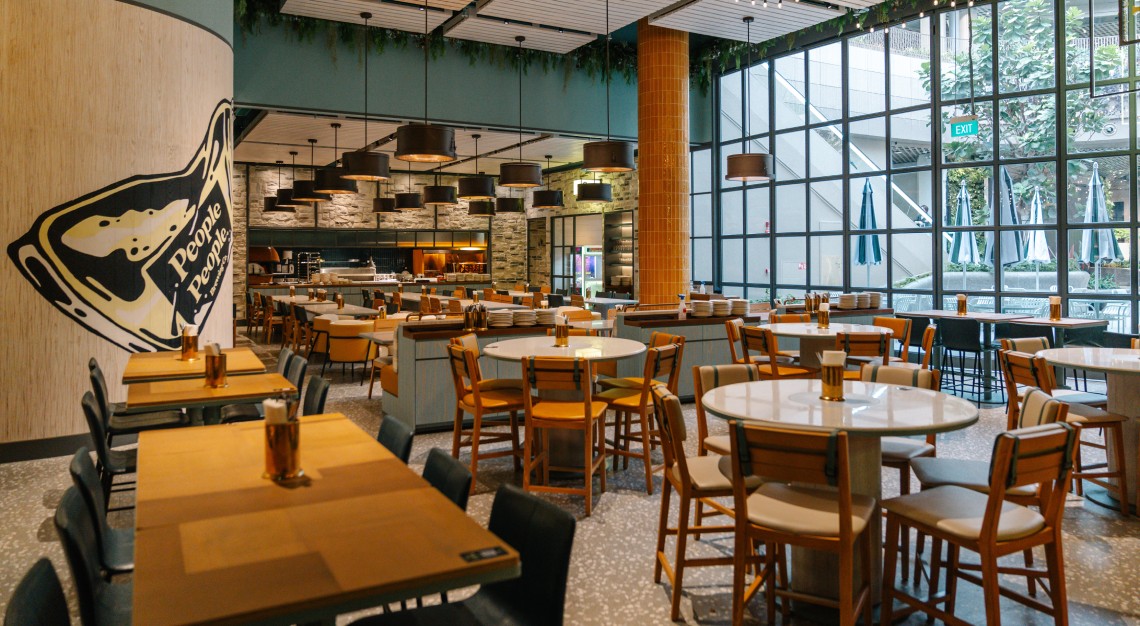
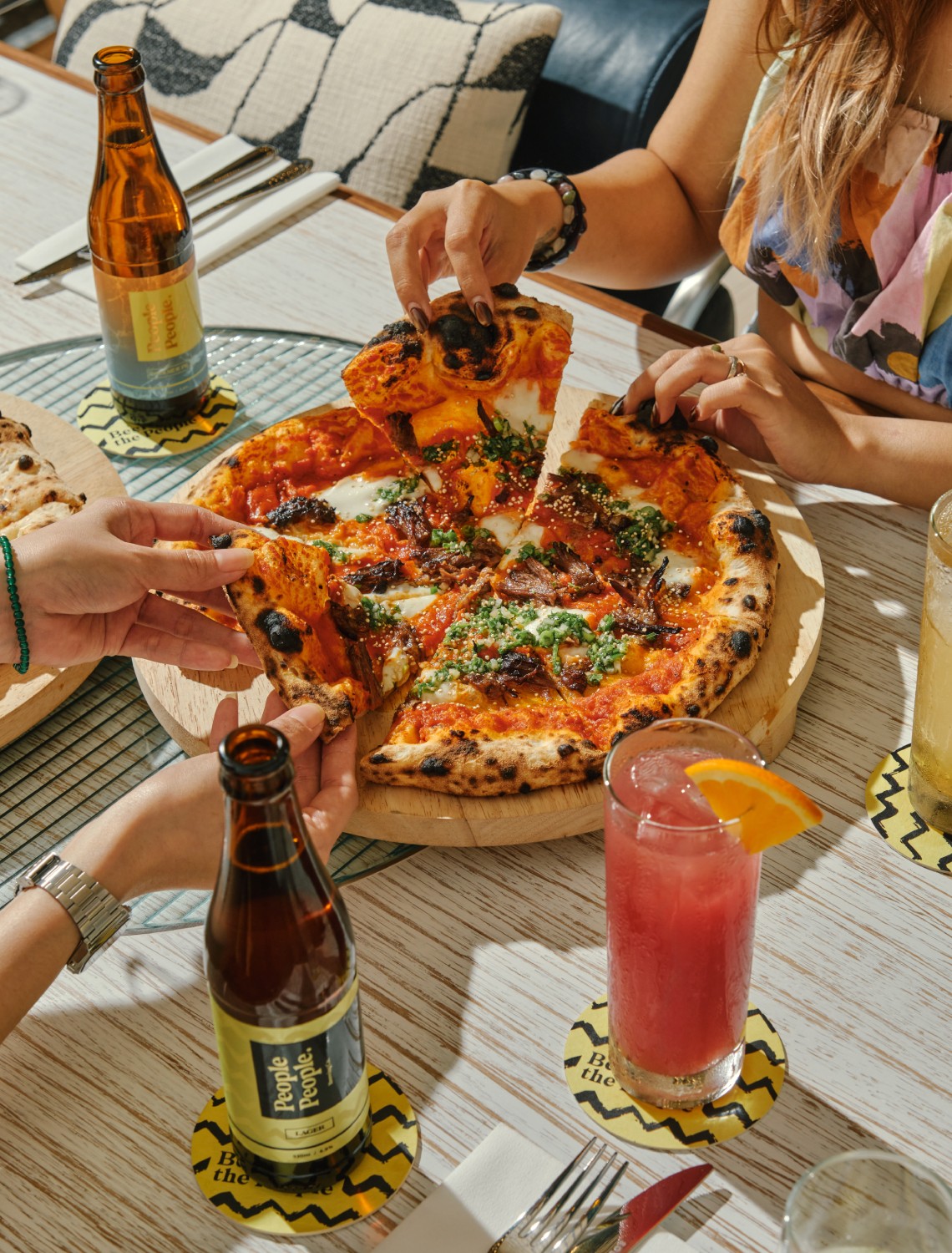
Rather than taking offence, Pynt confirms my suspicion. He explains that he had been talking through a solution to make larger pepperoni—“not those tiny things”—for a pizza his team would be serving at People People Brewing Co., the working craft brewery and restaurant that Burnt Ends Hospitality Group opened this year at Resorts World Sentosa.
Pynt talks about casing sizes and moisture retention, much of which goes over my head. But by the time he stops, I know I want a slice of that pizza, topped with those custom pepperonis.
Two things become clear from the exchange. First, Pynt is a stickler for detail—not just in how food is prepared, but how it looks, how it is served, and the sense of occasion surrounding it. Second, Burnt Ends Hospitality Group is a sizeable business.
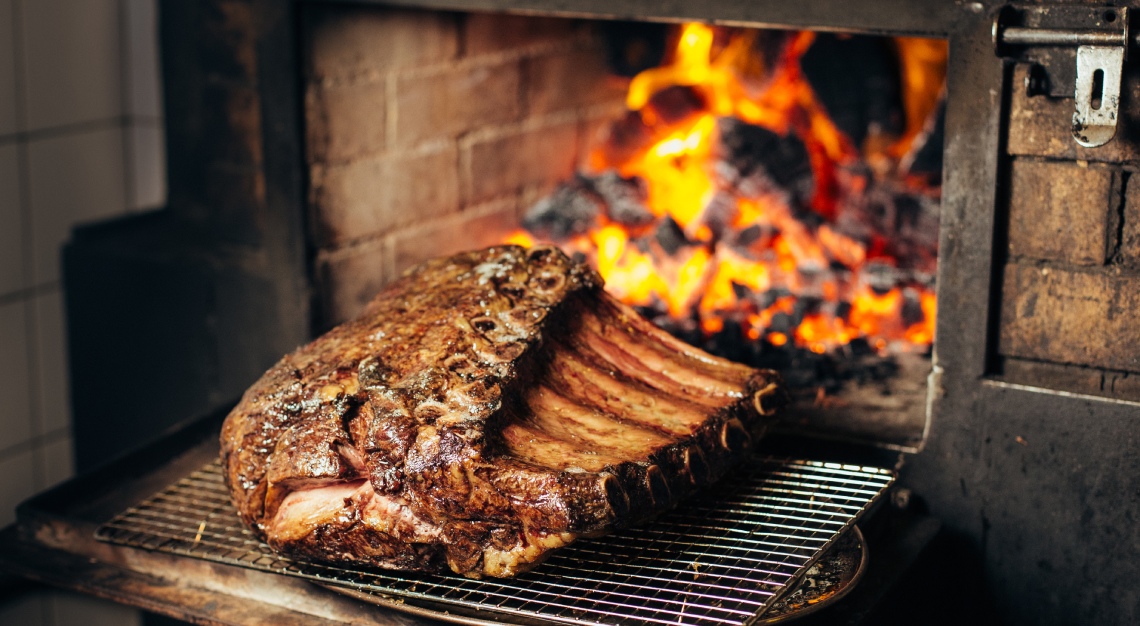
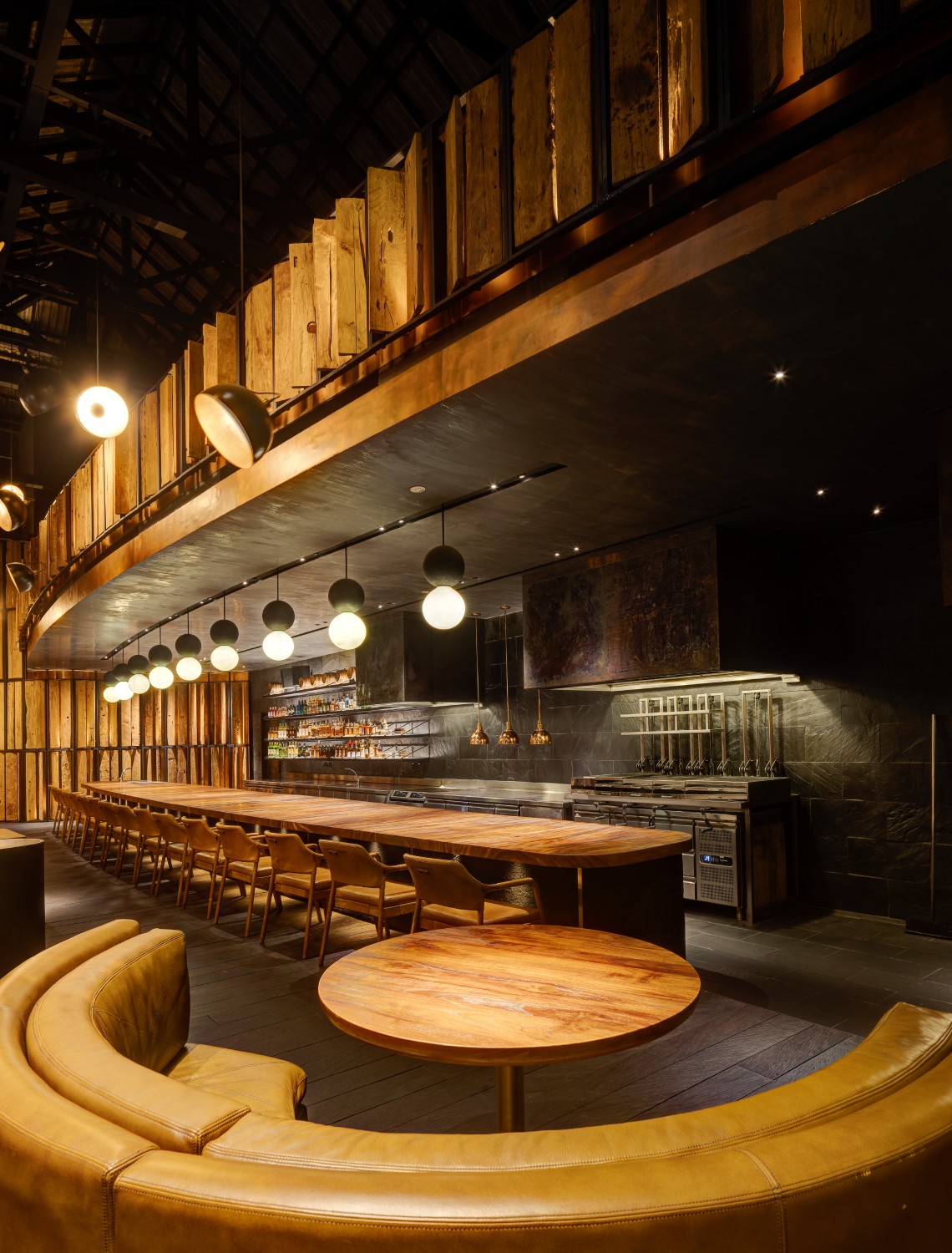
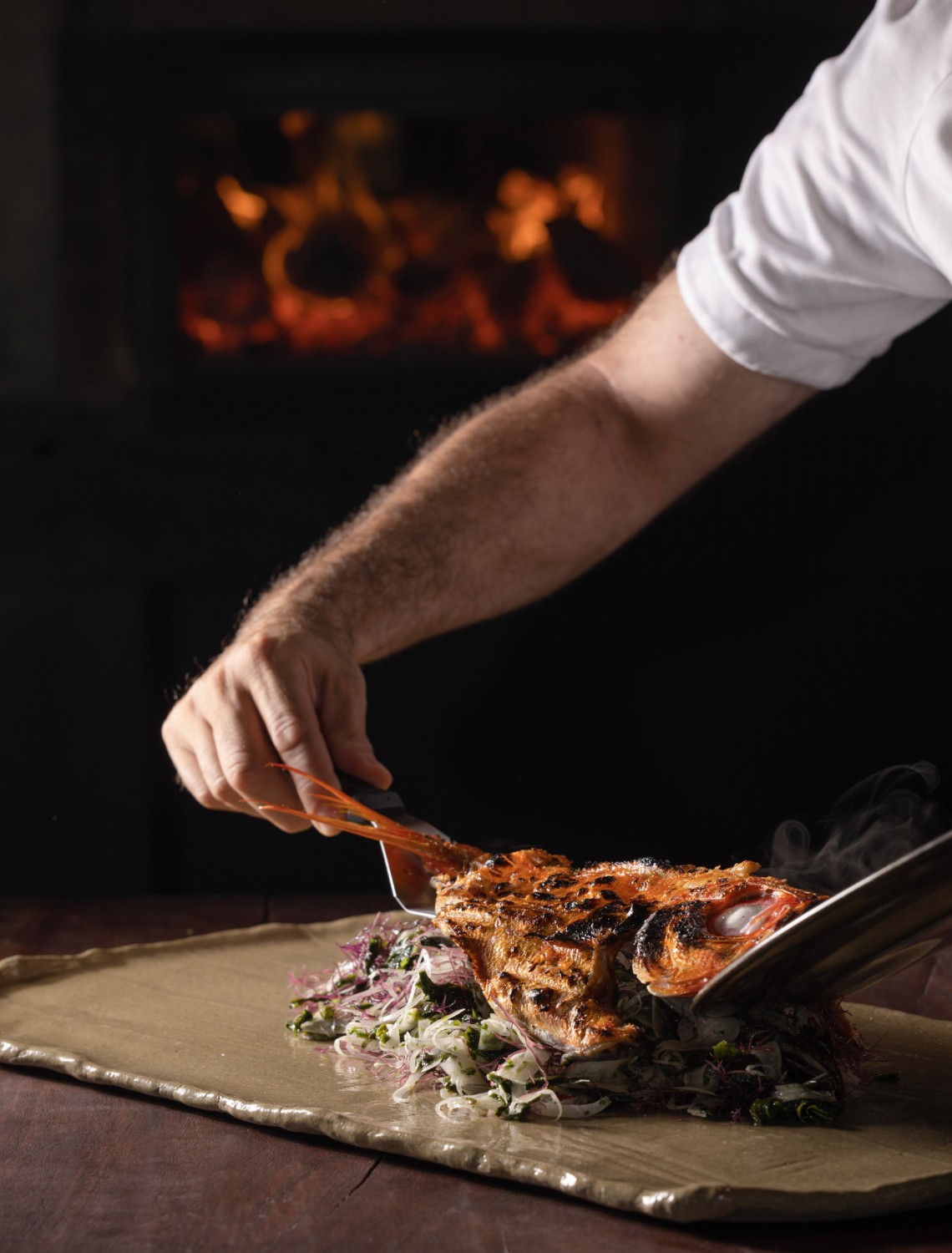
Pynt launched his modern barbecue restaurant, Burnt Ends, on Teck Lim Road in Chinatown in 2013. It was his first business venture in Singapore, and Burnt Ends hit the ground running, garnering rave reviews and earning its first Michelin star in 2018, which it has retained ever since. What began as a single restaurant with 18 counter seats and a wood-fired oven has expanded into a fully fledged hospitality group encompassing restaurants, bars, bakeries, and online retail concepts.
Heat List
Asked to reflect on his career trajectory and whether this is how he envisions success, Pynt, perhaps switching into kitchen-mode, breaks the question down.
“Are we running good businesses in Singapore? Yes, so in that sense, we’re successful. Are we running some unique businesses? Yes, and that makes me happy. Do I have a lot of work-life balance? No. So on the family front, success isn’t a hundred per cent. But we’re a happy, healthy family, we’ve got a good business, and we have a good life in Singapore. I’d say that’s success,” he replies.
What is more important, Pynt adds, is what contributed to the success. “Honestly, we just want to do cool sh*t, things we can have a lot of fun doing.”
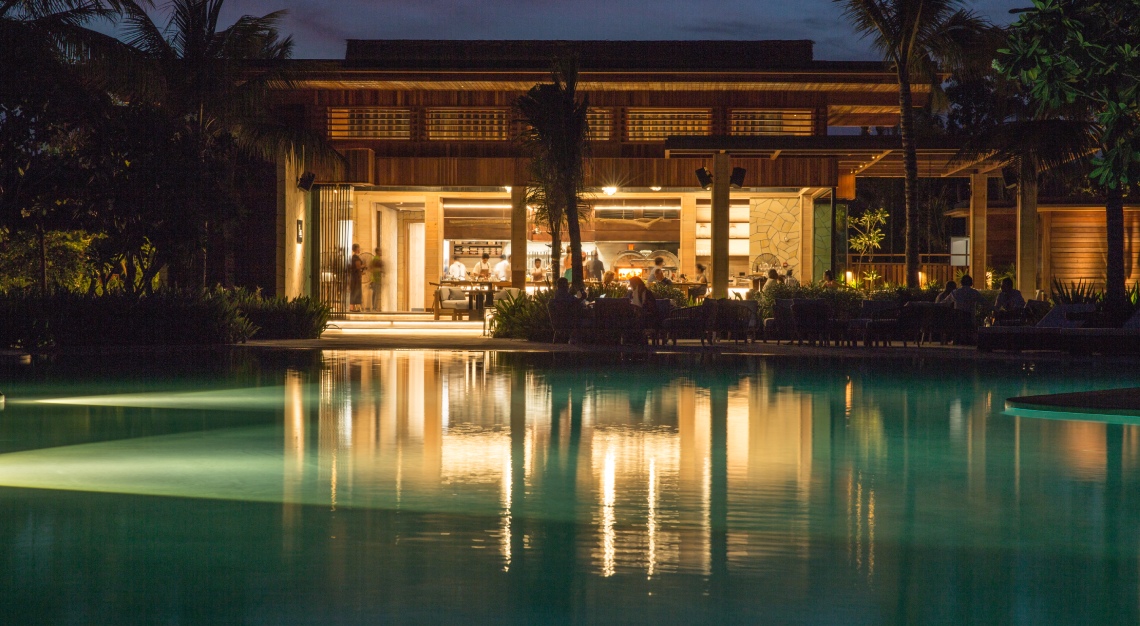
He traces the growth of Burnt Ends Hospitality Group back to the core restaurant. The kitchen needed Australian wine, so he set up an import arm. They baked their own bread, so when customers started asking for loaves, Burnt Ends Bakery followed. Wood-fired cooking led him down the American barbecue route with his second restaurant brand, Meatsmith. The Maldives outpost was, in his telling, barely a decision at all. Beach barbecues were something he grew up with in Australia, and The Ledge at Waldorf Astoria Maldives Ithaafushi let him put “Burnt Ends on the beach”.
However, doing cool stuff, Pynt is quick to point out, has nothing to do with the work of building it. “The ideas and the projects are always cool. It’s getting it there and doing it that’s always hard, and that will never change,” he says.
Obstacles of all sizes have met Pynt and his team at every turn. Some were frustrating but could be managed and rectified, such as the People People Brewing Co.’s canning and bottling line, months in the making, which broke down the moment it was finally switched on.
Others proved life-changing. “I’d say the turning point was COVID,” Pynt reflects. “The realisation came when we had to shut everything down and think about what would happen to the team. That’s when I realised I wasn’t running a restaurant, but a business.”
He and his wife could have closed up and walked away. Instead, the maths of who depended on the decision settled the question for him.
“I felt responsible for the team, their families, and their livelihoods as much as I thought about needing to cook a steak for a guest. We’ve got about 100 employees. What do they do? What do our suppliers do? What does our whole community do if we just decide to pack up and leave because we’re ‘just chefs’?” he says. That was the moment the true cost of running a business became clear to him—when its failure stopped being only his own.
Not every problem gets solved. Pynt is just as direct about one that didn’t. Meatsmith Little India, his subcontinental take on American barbecue, ran for about three years in a shophouse in a vibrant corner of Little India. The food was good. The venue had character. What it didn’t have was footfall, and COVID hastened its closure.
“You get things wrong and you have to make hard decisions. The faster you make them, the better,” Pynt says. There was no attempt to dress up the outcome. Staff were repurposed, suppliers paid in full, and the restaurant was closed.
That instinct to make hard decisions and own the result now guides how Pynt leads. Several members of his team have been with him for 12 or 13 years, nearly the length of Burnt Ends Hospitality Group’s existence. Pynt credits their tenure to a habit of explaining, not dictating.
“You’ve got to be able to explain why you do things, and if there’s a reason that makes logical sense, most people will buy in,” he says. It also runs through the tension he says defines the industry. “Hospitality and business hate each other. They’re enemies,” he adds, arguing that generosity and margin pull in opposite directions by design.
Where he has chosen to sit between them speaks as much about Burnt Ends Hospitality Group’s decade of growth as any balance sheet.
“We make decisions that aren’t always good for business,” he says, “but thankfully, I’ve got great partners who let me make those bad business decisions and great hospitality decisions.” It is, by Pynt’s own admission, how a barbecue restaurant became not just a hospitality company, but one that is determined to stay cool on its own terms.