At Harry Winston, the emerald-cut is more than a gemstone’s geometry. It is the shape of a legacy
The emerald-cut is synonymous with Harry Winston. In fact, step into any of the house’s salons worldwide and the octagonal step-cut shape shows up throughout, woven into the decor and vitrines. Even Harry Winston’s ‘HW’ monogram is nestled within an outline of the emerald form.
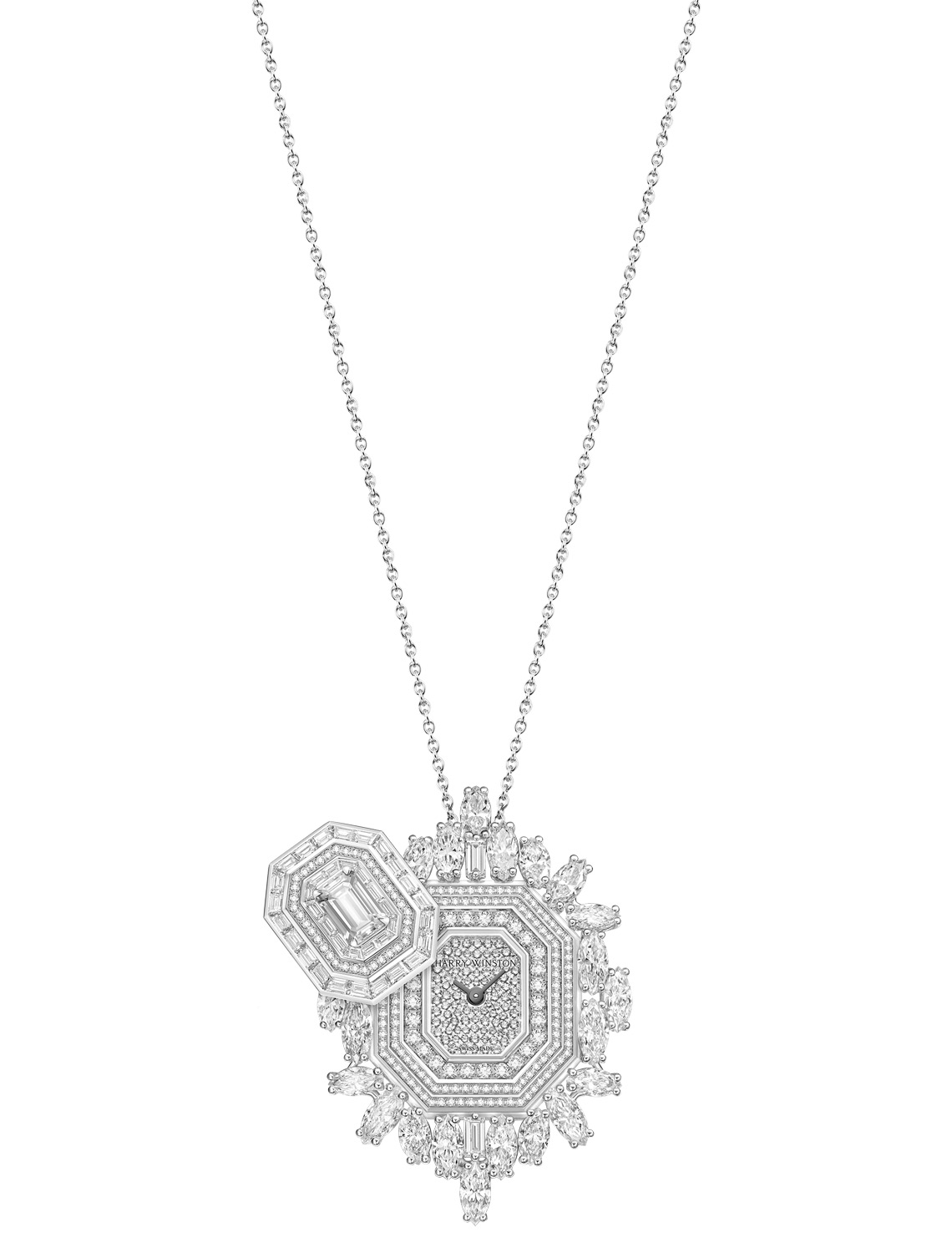
It is there, too, writ large on this issue’s cover star, the Ultimate Emerald Signature high jewellery watch. Harry Winston calls it “the brightest star” among its high jewellery watch collection and the proclamation is more than justified. The Ultimate Emerald Signature asserts its brilliance before you even consult the time.
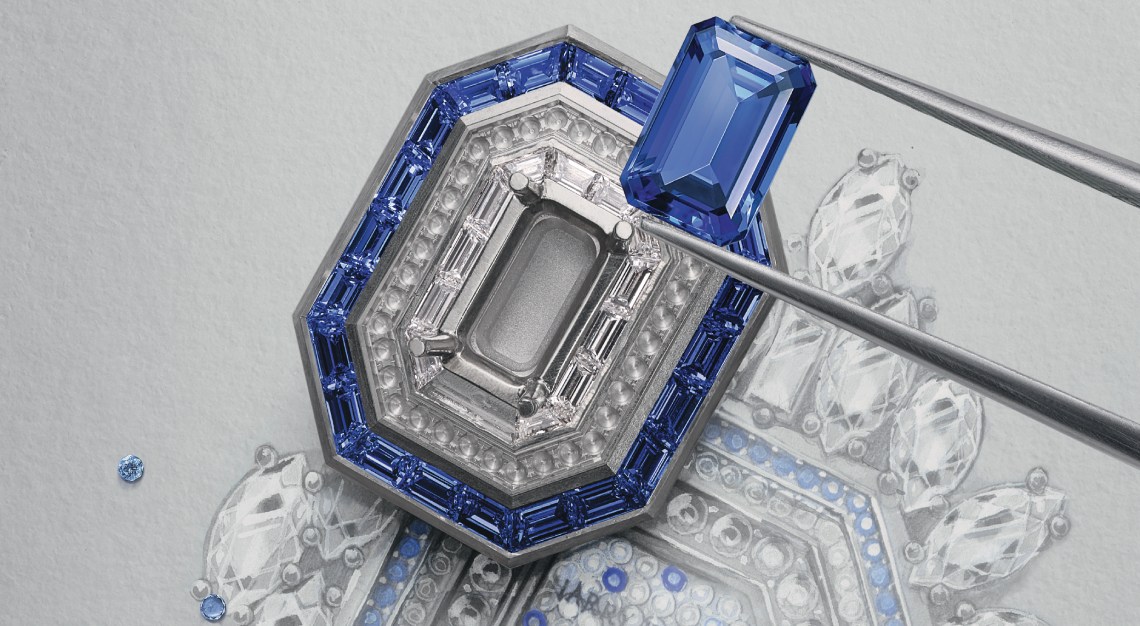
Built on an 18k white gold case engineered like a pyramid—its tiered octagonal steps set with brilliant- and baguette-cut diamonds of incrementally increasing dimensions—the piece culminates at its summit in a majestic emerald-cut stone. Around the case radiates a halo of 24 marquise-cut diamonds, suspended with a minimum of metal and angled in subtly different directions, so that as the wearer moves, the stones catch light from every plane. And there’s more.
Reading the time on the Ultimate Emerald Signature becomes a pleasure that belongs entirely to the wearer. The upper tiers of the case swivel open to reveal a pave dial set with 98 gemstones. More than 100 hours of hand-setting were required to bring a single piece to completion, a figure that speaks to the exacting craft behind the watch’s dramatic sparkle.
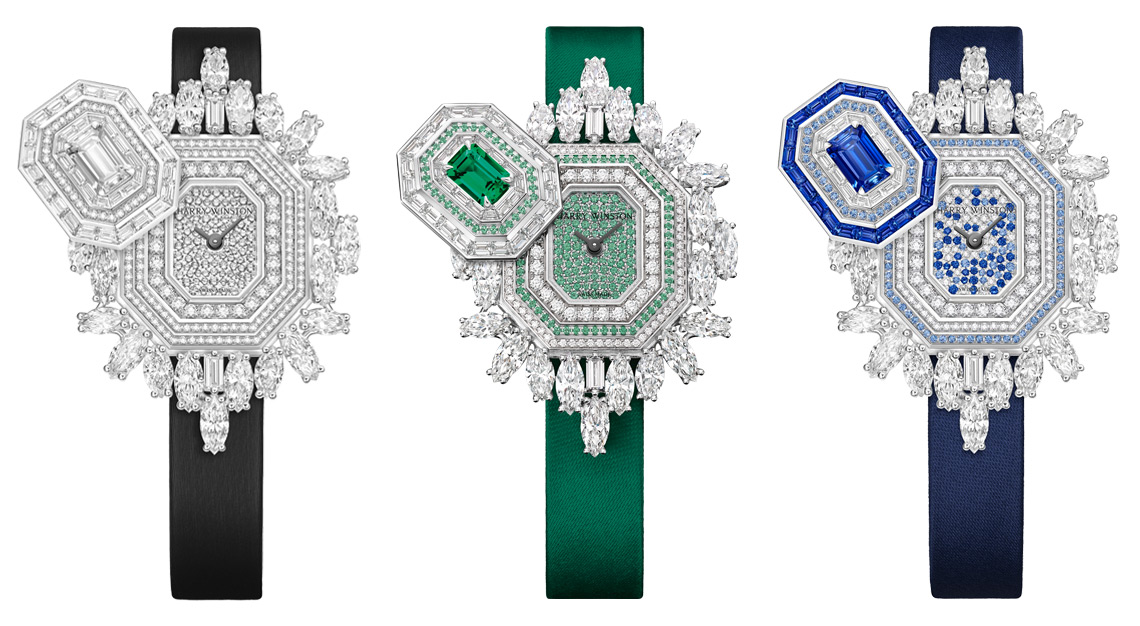
The Ultimate Emerald Signature made its debut in 2014 as an all-diamond creation. In the decade since, it has evolved into a dynasty of its own—reimagined with sapphires, Paraíba tourmalines, pink sapphires, and now, most recently, a green emerald colourway that returns the form to the stone it was named for. And even as each iteration adds a new chapter, the collection always echoes the spirit and shape of the original.
Shaping a journey
The journey of the emerald cut started with the brand’s eponymous founder. When he was 12 years old, Winston paid US$0.25 for a green stone from a pawnshop’s tray of discarded jewellery. It turned out to be a two-carat emerald, which he sold the following day for US$800. The instinct never left him. As a jeweller, he was drawn to the cut for what it demanded of a stone: the emerald cut’s rectangular step-cut facets and open table expose a diamond’s clarity with unsparing honesty. This made it the most exacting of choices, and therefore, for Winston, the most desirable. He also recognised in it the clean geometric confidence of the art deco era, which was in full swing when he founded the house in 1932.
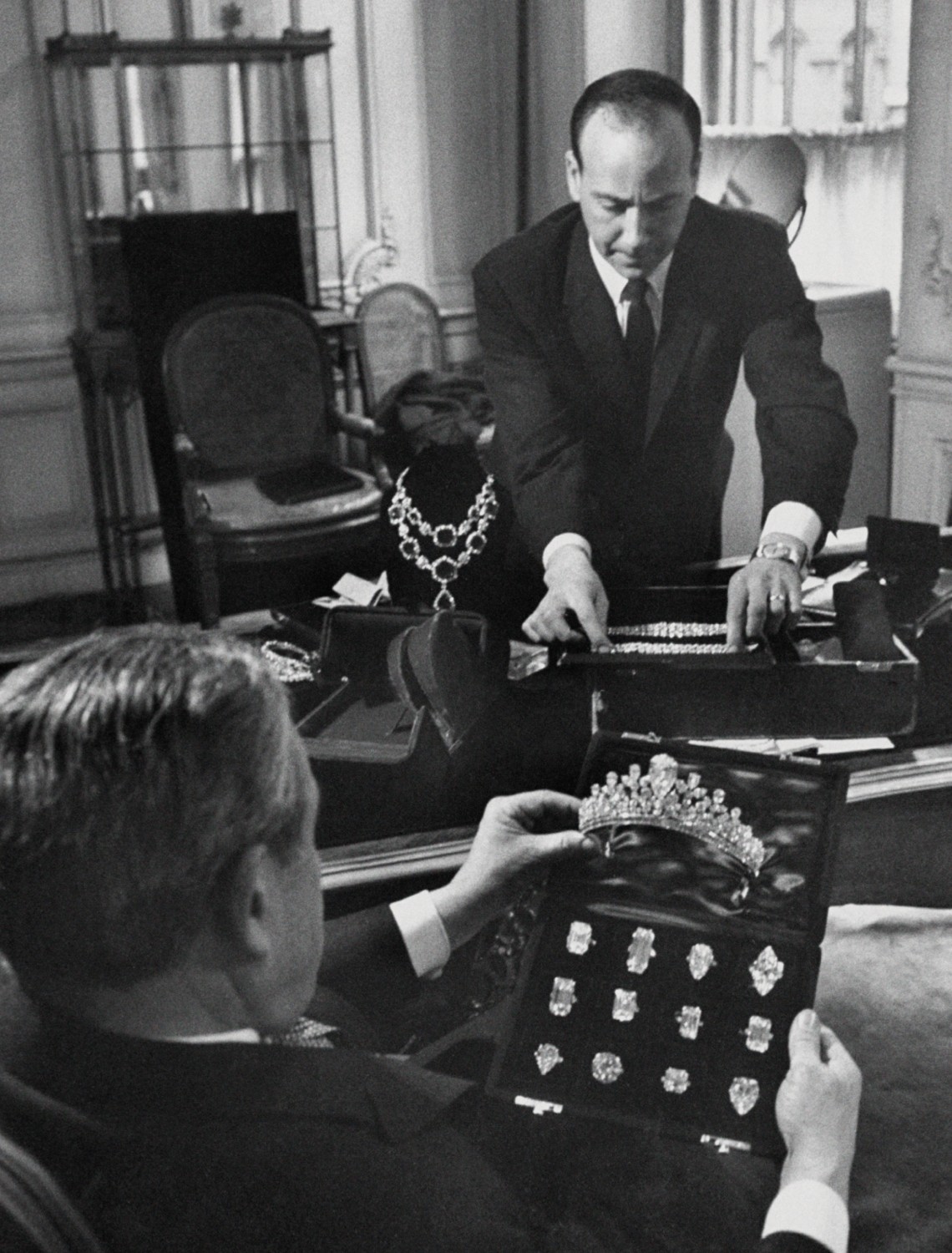
In time, the emerald cut became a signature code of the house. It was the shape for many of the famous stones that passed through his hands, from the 726-carat Jonker, which yielded 12 diamonds in total, including a 125.35-carat emerald-cut diamond that he refused to sell for 14 years, to the 601-carat Lesotho, which resulted in 18 stones, the larger being a 71.73-carat emerald-cut, which was cleaved on live television.
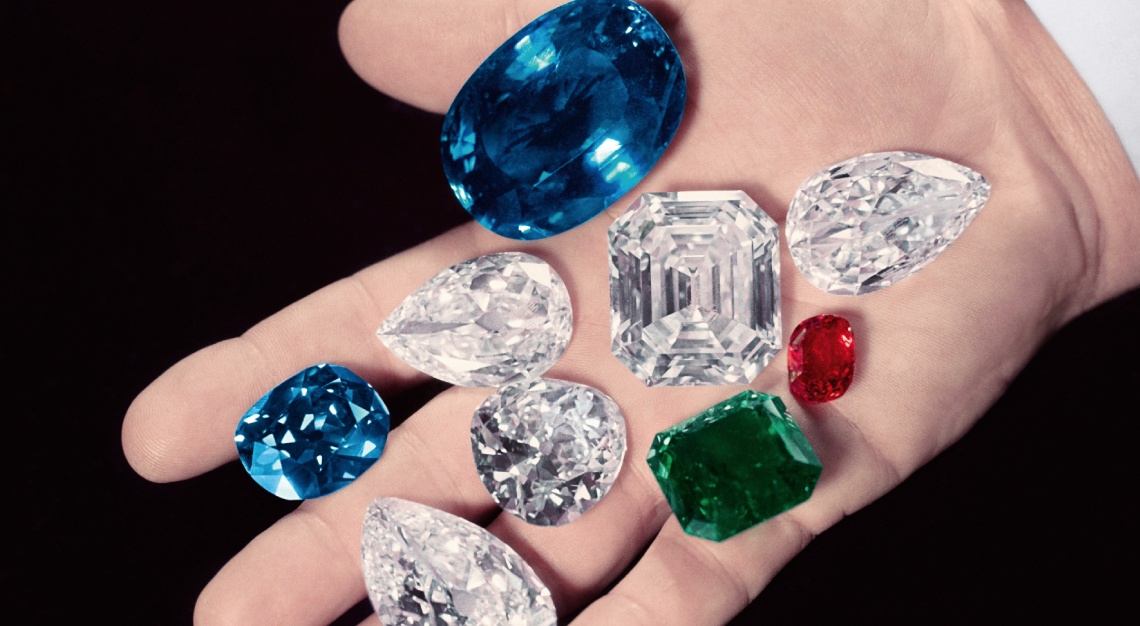
That same exacting spirit governs the crafting of every emerald-cut stone at Harry Winston today. The shape is notoriously unforgiving. Unlike the brilliant cut, which scatters light, the step-cut facets of an emerald-cut stone channel light in a manner that makes every inclusion and virtue visible to the naked eye. Setting an emerald-cut stone is no less demanding. In the Classic Winston Emerald-Cut Diamond Ring, the house’s archetypal expression of the form, the emerald-cut diamond sits in a refined platinum cradle with tapered baguette side stones, the prongs and underpinnings rendered so discreetly they are all but invisible. The result is a ring in which only the stone speaks, which is exactly as Winston always intended.
Fullness of form
The emerald-cut shape is not a single idea but an inexhaustible one. In the decades since Winston first gave the shape its place at the heart of the house, it has been interpreted, reinterpreted, and elevated across an entire universe of creations, with each creating a new argument for the form’s enduring authority. Nowhere is this more apparent than in the breadth of the house’s high jewellery timepiece family. The Emerald Signature, the elegant counterpart to the Ultimate Emerald Signature, distils the same octagonal architecture into an intimate scale. It is a secret watch that is built like a pyramid, with seven tiered octagonal steps, crowned with an emerald-cut stone, its mother-of-pearl dial revealed only when the case is gently pivoted open.
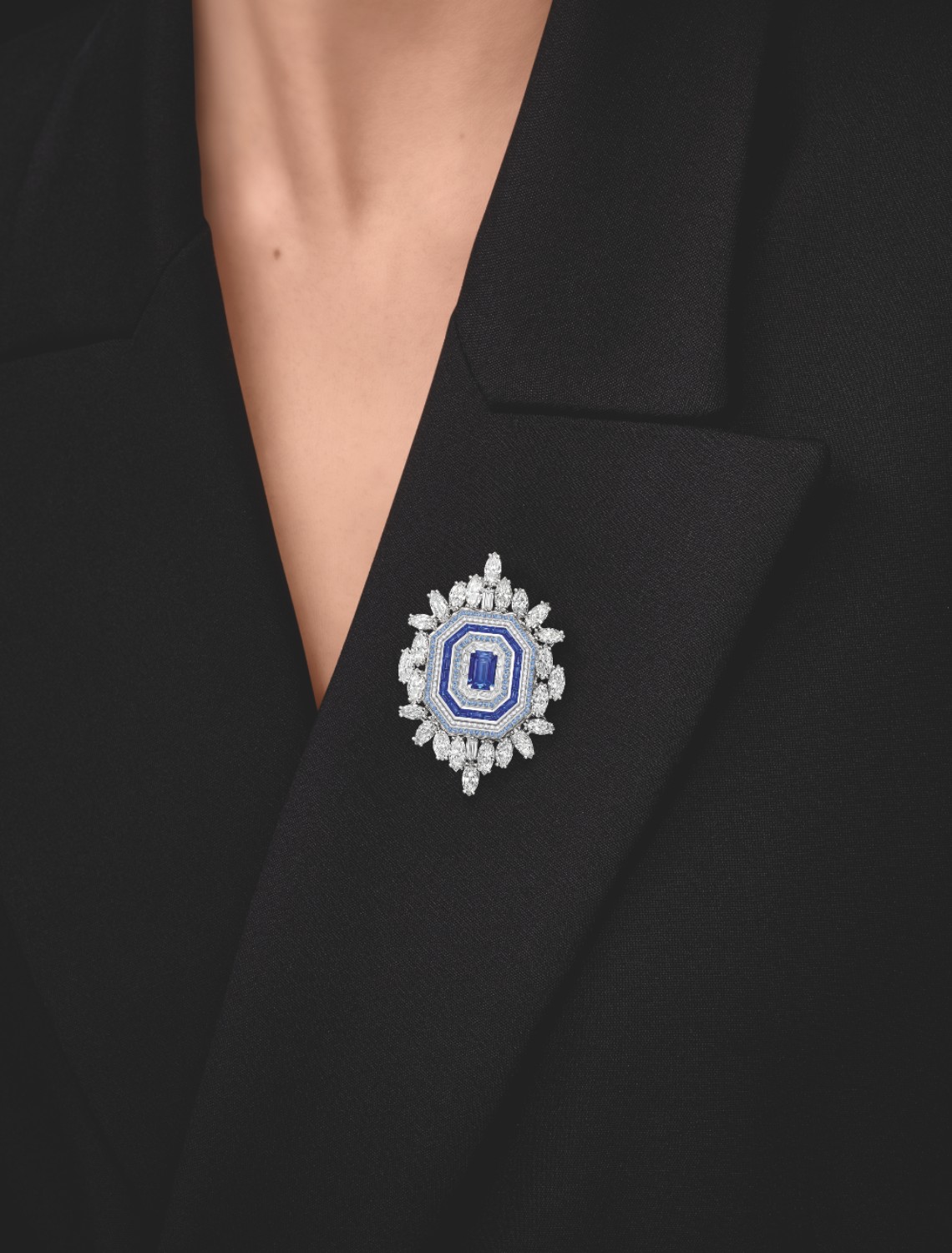
Then there is the Precious Emerald, which articulates the shape in an altogether different direction: a petite platinum case bearing the emerald cut’s eight-sided silhouette, set within a bracelet of cascading marquise-cut diamonds arranged in the house’s iconic Winston Cluster, comprising individual stones set at varying angles on near-invisible platinum mountings so that the diamonds, not the metal, become the architecture of the jewel. Both pieces speak the same language as the Ultimate Emerald Signature, yet arrive at entirely different emotional registers.
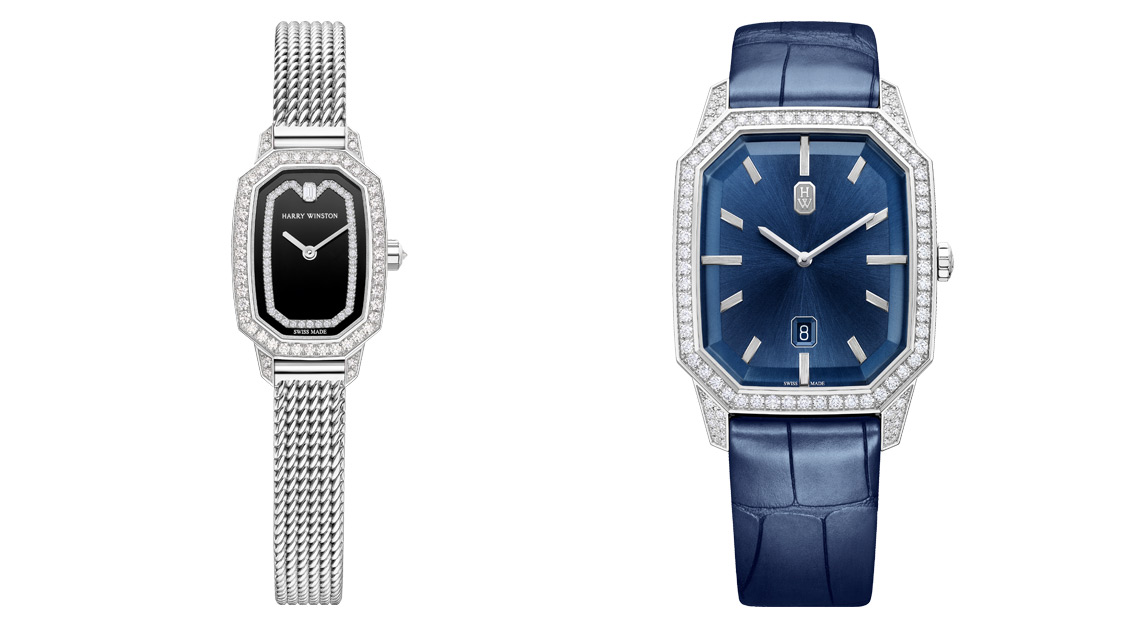
Beyond the high jewellery timepiece collection, the emerald cut permeates the Harry Winston universe still further. The Classic Winston Emerald-Cut Diamond Ring remains one of the house’s most coveted and enduring expressions of the form. And in the Emerald watch collection, the octagonal silhouette of the cut is rendered in refined cases in 18k white and rose gold, anchored by the shape’s geometry for daily wear.
From the exuberant opulence of the Ultimate Emerald Signature to the everyday elegance of the Emerald watches, a single thread runs through every piece—the exacting philosophy that Winston established from the first moment he encountered the emerald-cut. It is a cut that demands everything of a stone and, similarly, everything of the house that chooses to work with it.
This story first appeared in the August 2026 issue. Purchase it as a print or digital copy, or consider subscribing to us here