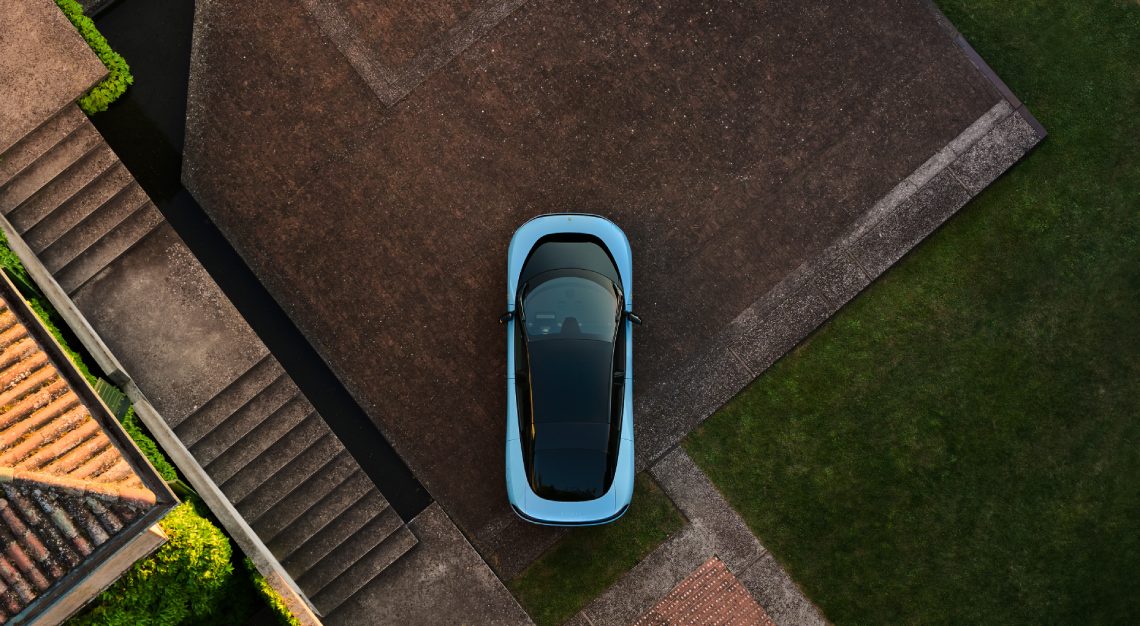
We were invited to Rome for the world premiere of the Ferrari Luce, Maranello’s first fully electric road car–one that looks nothing like any other Prancing Horse in the current stable
Contrary to what you may see, hear, or believe, Ferrari insists that electric isn’t silent.
It wasn’t quiet in the days leading up to the unveiling of the Luce, Ferrari’s first fully electric production road car. Among the international press flown into Rome for the occasion, speculation had already taken hold. In hotel lobbies, over coffee, and between scheduled transfers, theories moved from one journalist to another. What would Maranello’s first EV look like? Would it lean into the familiar, or use electrification as permission to become something else entirely? Would it still feel like a Ferrari?
It was noisier still when we were loaded into a convoy of executive shuttles headed for the Vela di Calatrava, escorted by police through the highways of Rome. Blue lights strobed against the windows, traffic parted, and other road users craned their necks trying to work out what the fanfare was about. For half an hour, Rome seemed to rearrange itself around a car none of us had seen.
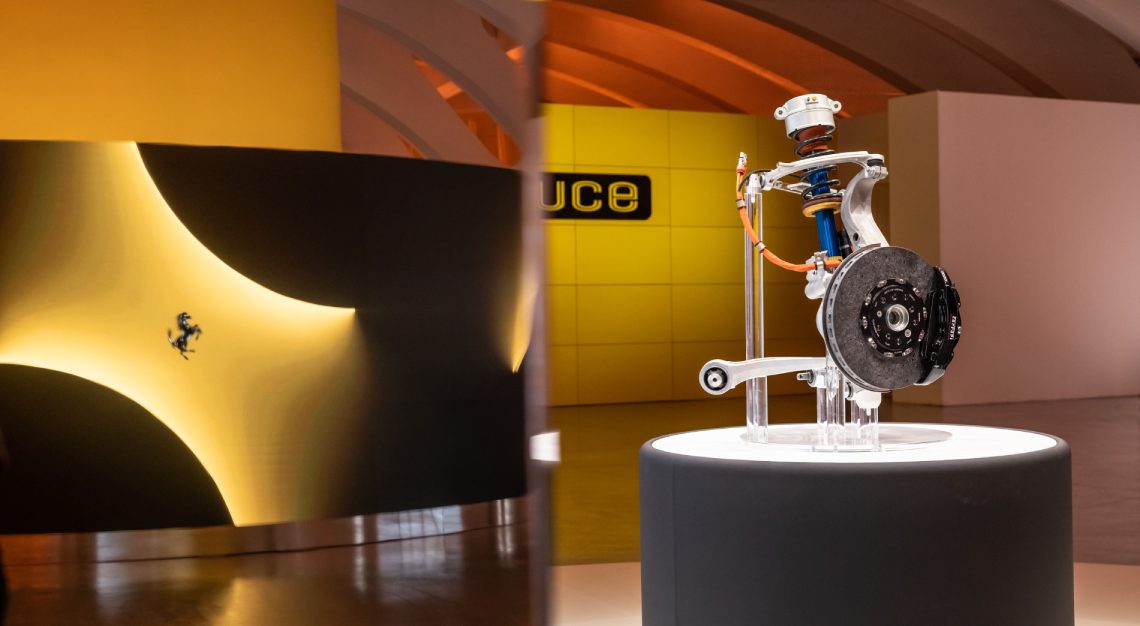
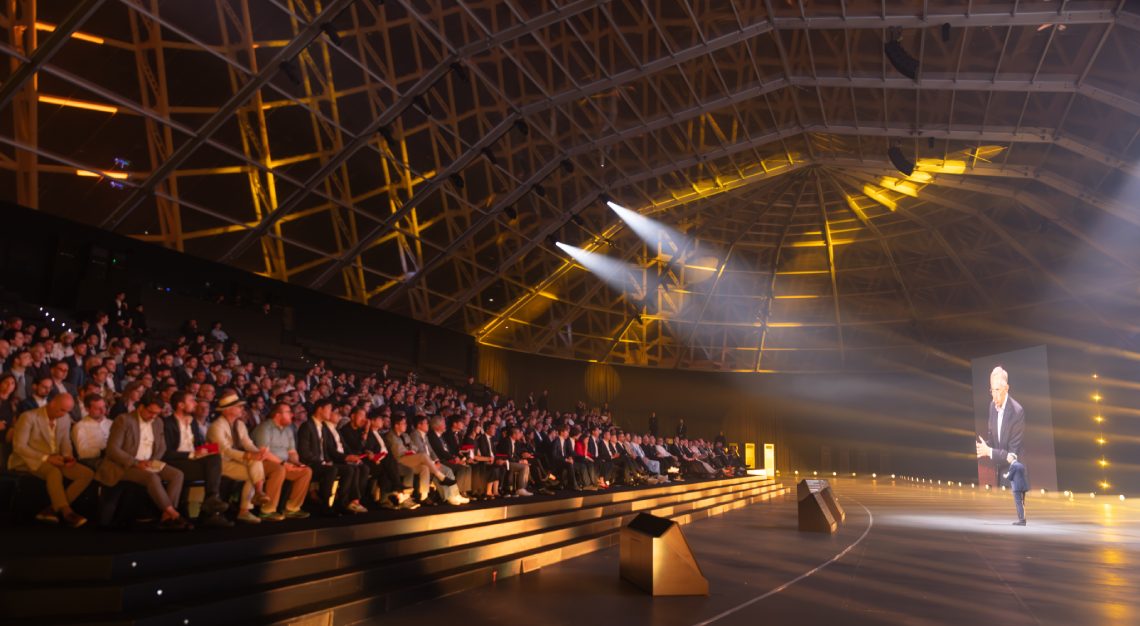
It was exacting and theatrical, and some may even say excessive—but it was also entirely on brand. Before arriving at a new era, Ferrari had certainly staged quite the entrance. The venue made the point plain. The Vela di Calatrava, Santiago Calatrava’s sweeping architectural landmark within Rome’s Città dello Sport, is not yet officially open to the public.
For one night, however, its vast skeletal frame became the stage for the Luce, a car five years in the making and weighted with a question no Ferrari could answer without consequence: what happens when the world’s most emotionally charged carmaker goes electric?
The noise around it
Since the embargo lifted, the discourse around the Luce has been anything but measured. Social media has been quick with its memes, many of them aimed at the car’s unconventional proportions and departure from what a Ferrari “should” look like.
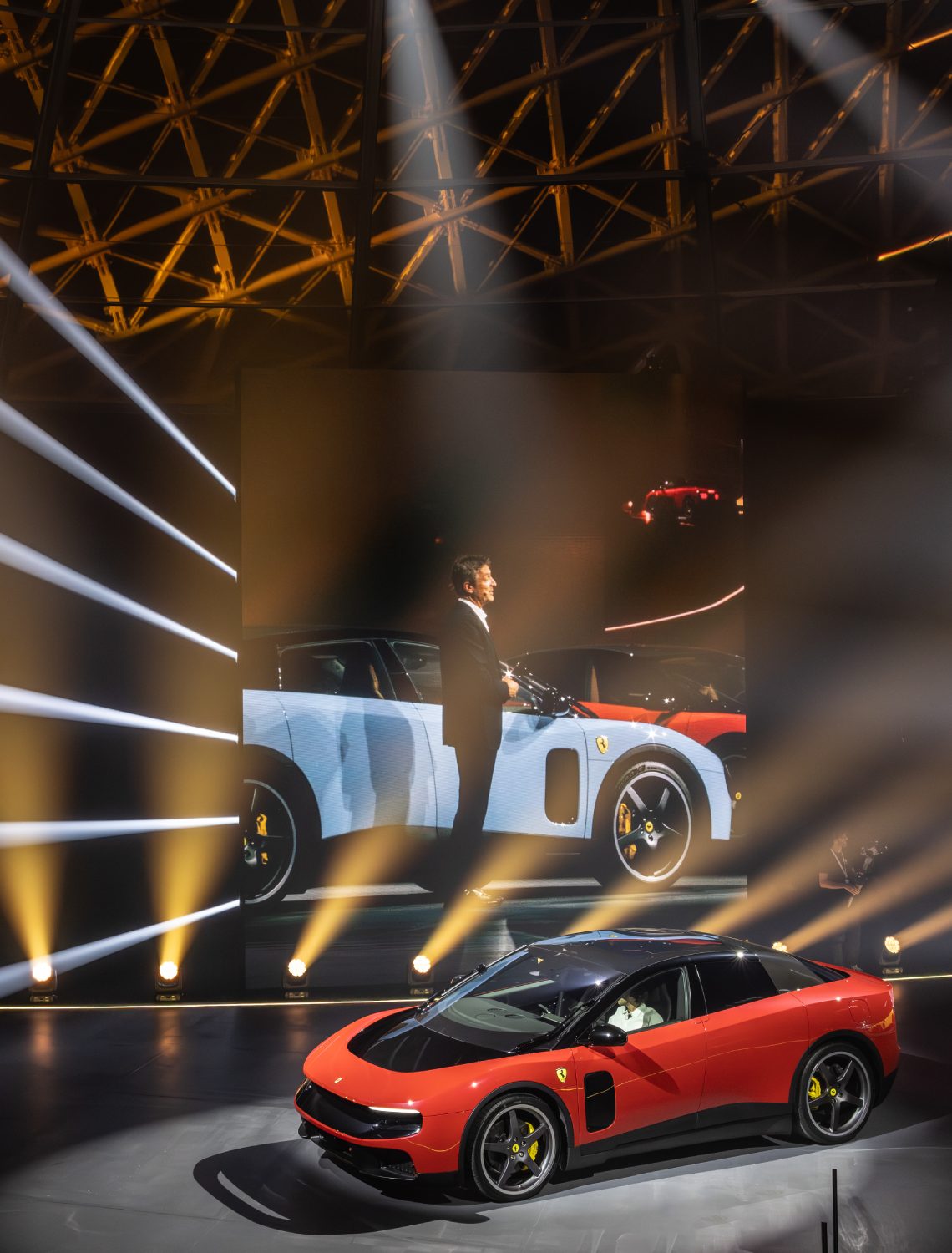
But was any of this especially surprising? It is already a provocation that Ferrari has built a fully electric car. That it has chosen to make it a four-door, five-seater, and one that reads more as a car than a supercar, only raises the temperature. If you came expecting a familiar Ferrari silhouette with a battery pack hidden underneath, the Luce was always going to throw you off. If you came expecting Ferrari’s idea of what an electric car could be, the conversation becomes far more interesting.
This is not, at least by appearances, an electric supercar in the conventional sense. Its form is architectural rather than overtly seductive, with sweeping surfaces, a shell-like glasshouse, and floating aerodynamic elements that appear to wrap around the body. Designed in collaboration with LoveFrom, the creative collective founded by Sir Jony Ive and Marc Newson, the Luce introduces a new design language for Ferrari: clean, functional, and intentionally unfamiliar.
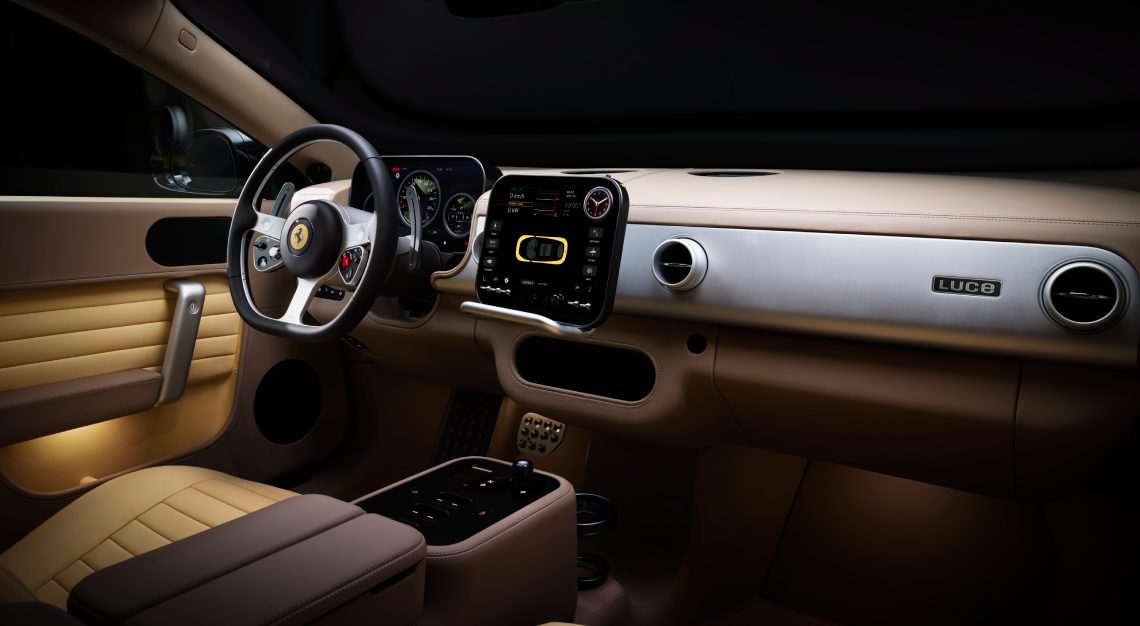
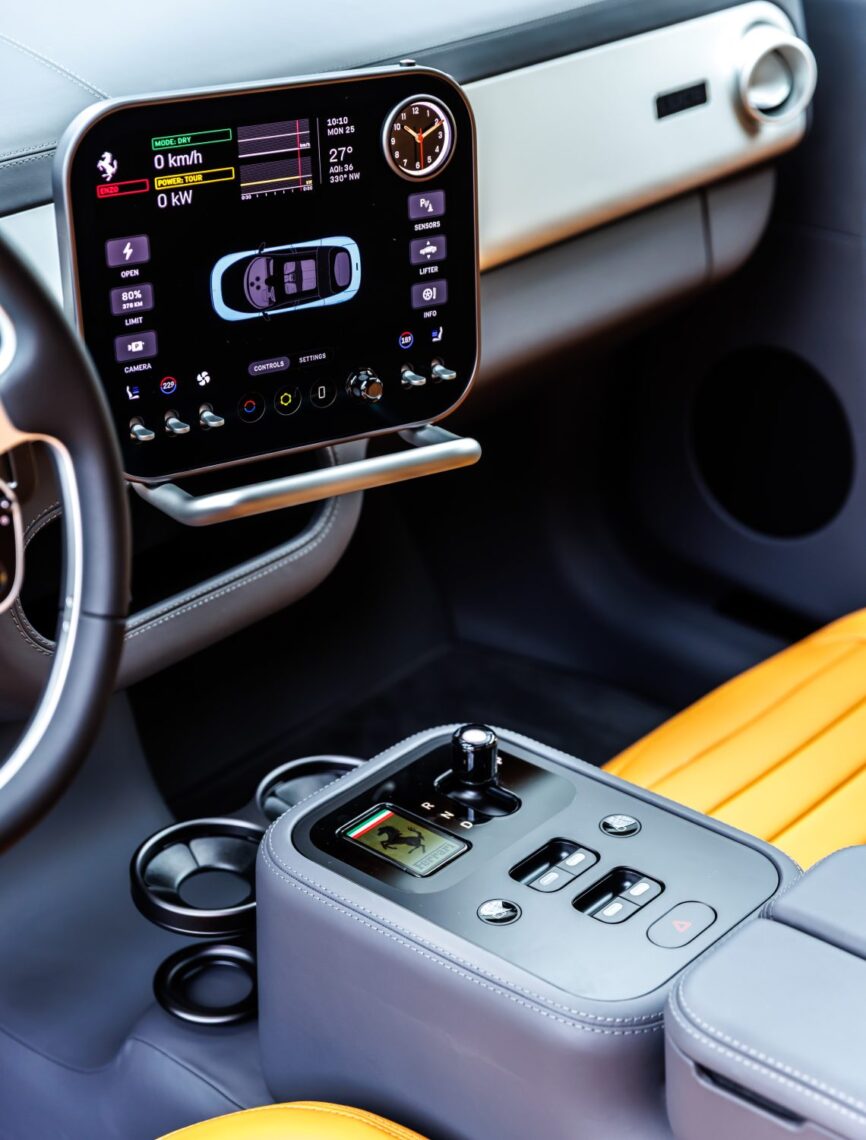
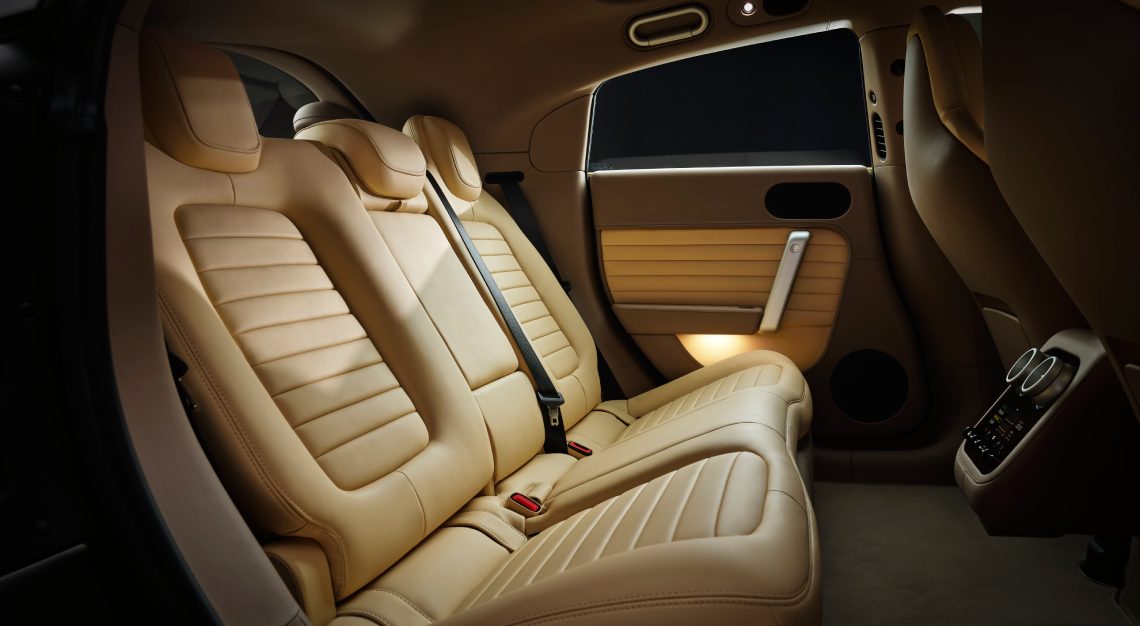
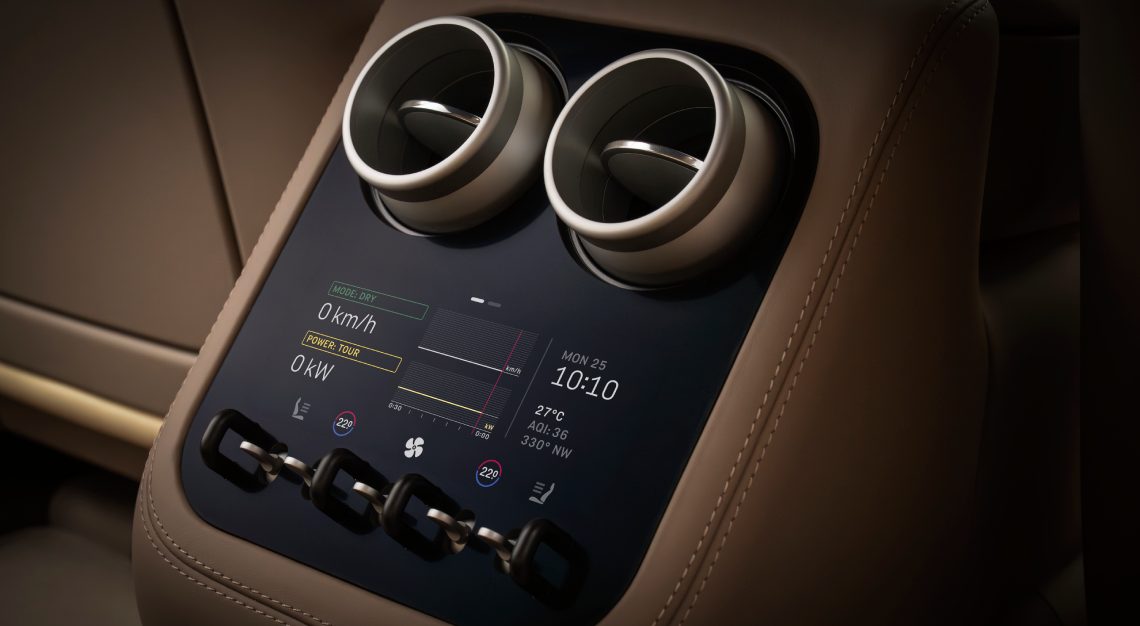
Inside, the argument becomes more persuasive. Where many EVs treat progress as a matter of larger screens and deeper sub-menus, the Luce priorities touch and tactility. Physical buttons, switches, toggles, and dials sit alongside digital displays, while premium leather, recycled anodised aluminium, and Corning Gorilla Glass give the cabin a material confidence that feels deliberately removed from the tech-forward cockpit language of most electric cars on the market today.
That, perhaps, is where the Luce feels most recognisably Ferrari. Not in how it looks, necessarily, but in how seriously it takes interaction. Ferrari has always understood that emotion lives in small physical acts: the weight of a paddle, the resistance of a switch, the precision of a steering input. In the Luce, tactility becomes a means of keeping the driver involved, even when the soundtrack has changed.
Finding its own voice
The Luce does not attempt to imitate a combustion engine, nor does it pipe in artificial drama to compensate for electric absence. Instead, Ferrari has developed a patented system that captures and amplifies the natural vibrations and frequencies produced by the electric powertrain. The car finds a voice in its own mechanics, rather than fabricating one.
Underneath the theatre is serious engineering. The Luce is built on a dedicated electric platform and powered by four electric motors, one at each wheel, producing a combined 1,050 cv. Ferrari claims a 0–100 km/h time of 2.5 seconds, 0–200 km/h in 6.8 seconds, and a top speed exceeding 310 km/h. More than 60 new patents were created for the project, which Ferrari says reflects its intention to approach electrification on its own terms.
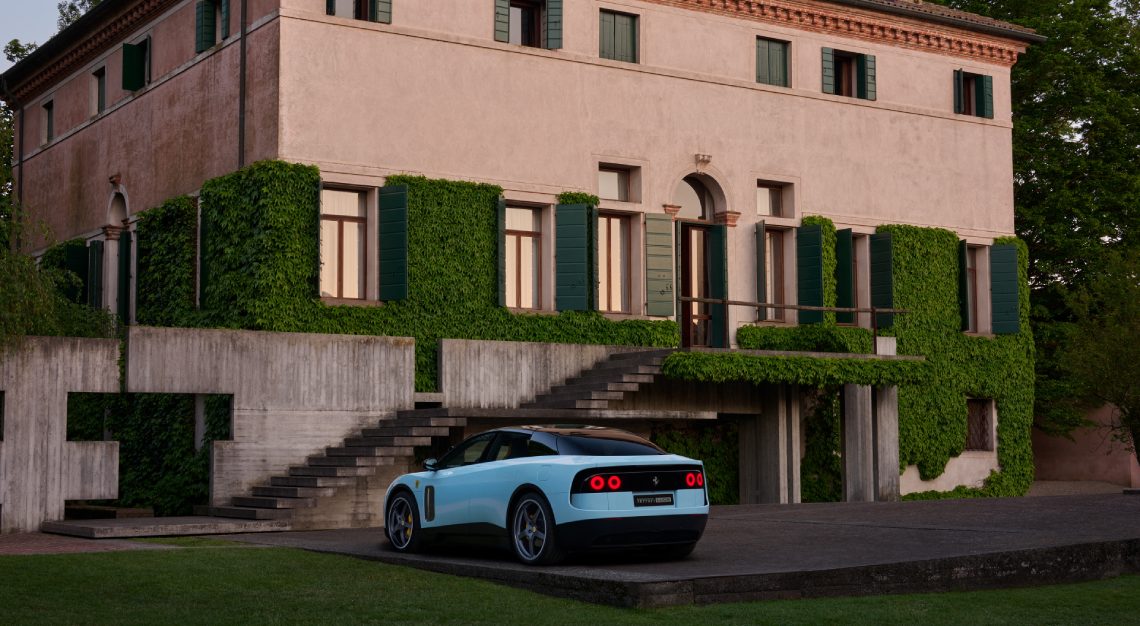
Whether the public warms to the Luce remains to be seen. Even Ferrari appears to understand that this is not an easy car, nor one designed for immediate consensus. Vigna has since defended the model’s pricing and positioning, noting that customer interest remains strong and that the Luce is meant to complement, not replace, Ferrari’s combustion and hybrid offerings.
But perhaps consensus was never the point. The Luce is not Ferrari trying to make an electric car look, sound, or behave like the Ferraris we already know. It is Ferrari trying to decide what emotion looks and sounds like next. And in Rome, at least, electric was anything but silent.