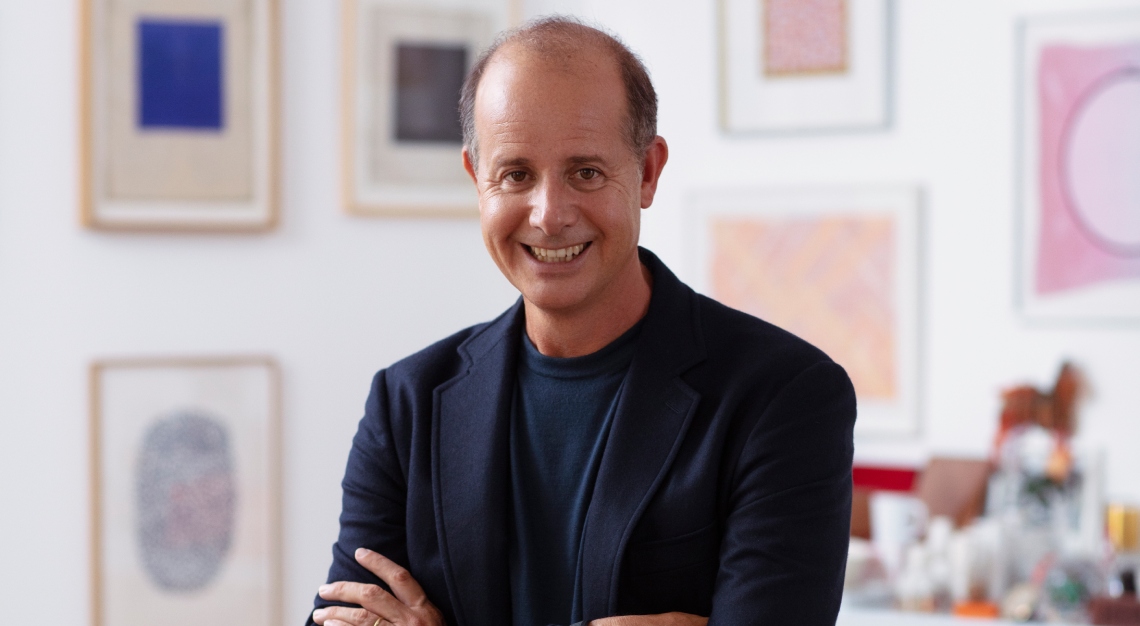
For Hermès artistic director Pierre-Alexis Dumas, it is the promise of beauty and renewal that ultimately imbues the material world with meaning
Pierre-Alexis Dumas is surrounded by halls upon halls of watches in Geneva, but time is a luxury that escapes him. Each April, the artistic director of Hermès makes the pilgrimage to Watches & Wonders—the world’s premier exposition of timepieces—for a day or two at most. After inspecting its latest horological creations, Dumas then returns to yet more demands of a house whose scope is staggering: clothes, leather goods, accessories, scarves, ties, jewellery, belts, and every other offering that requires his guiding hand.
“You might think that my work at Hermès comprises me sitting at a desk with a pencil, thinking up beautiful designs,” he says with a conspiratorial whisper. “But really, the work is about problem solving 80 per cent of the time, and 20 per cent of pure creativity.”
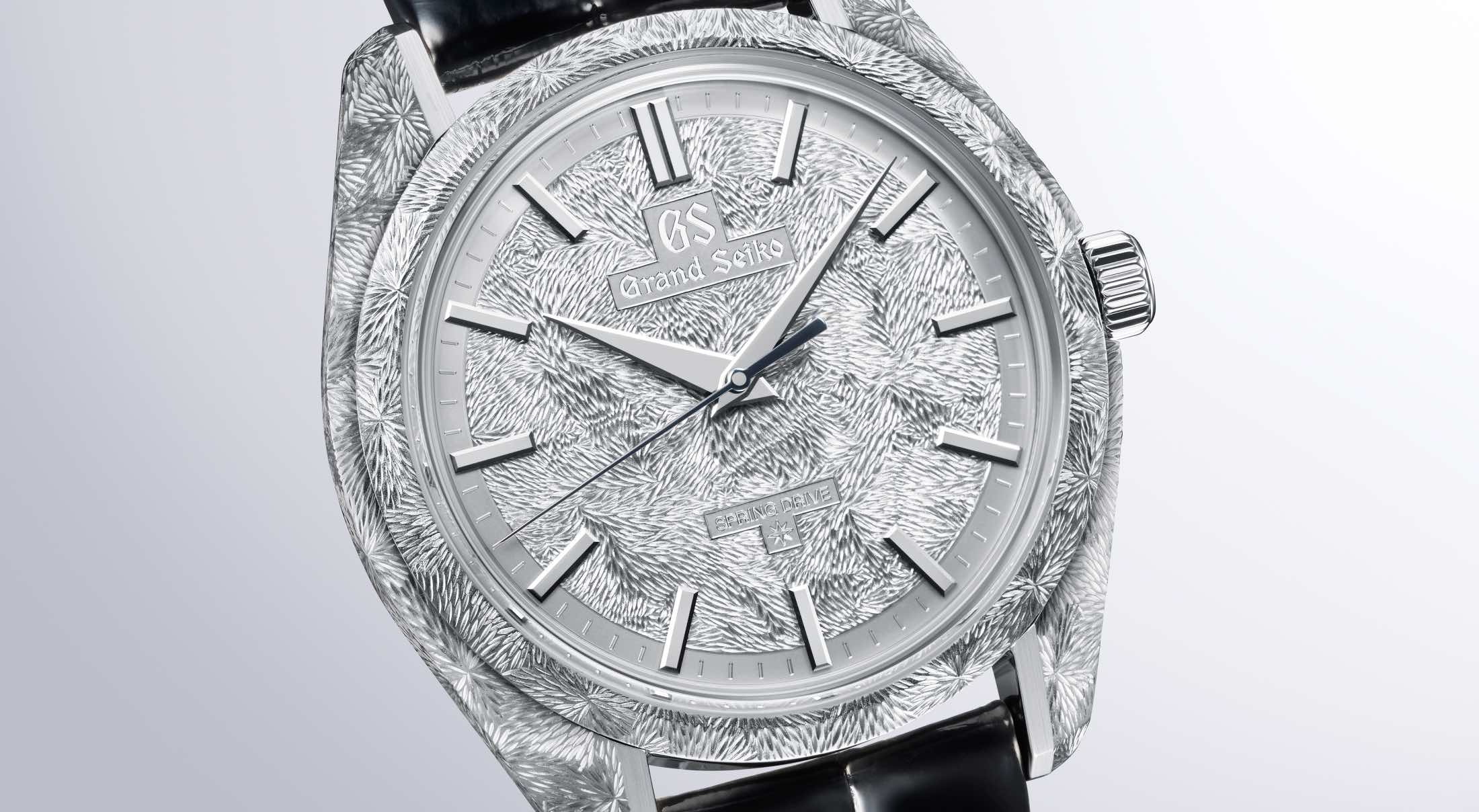
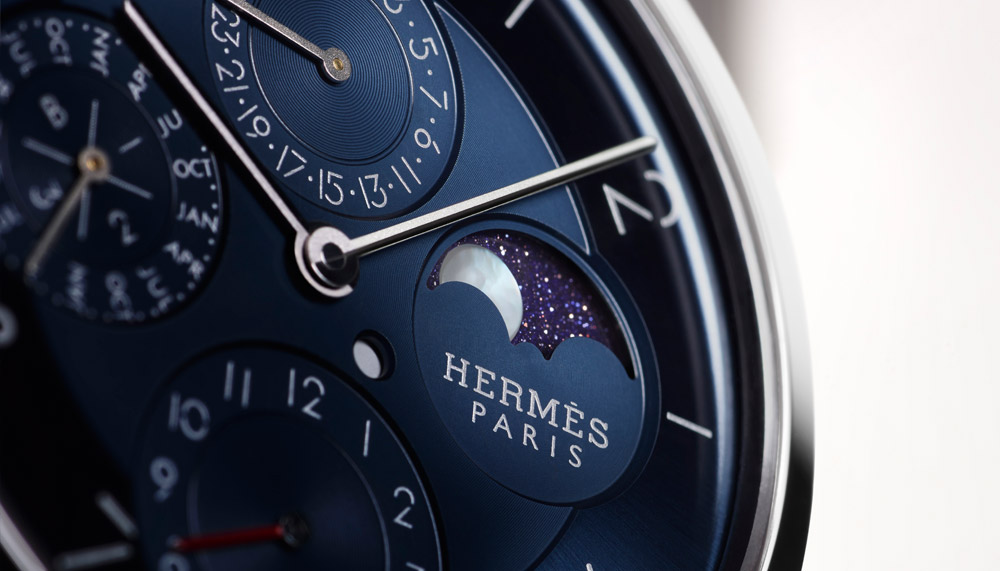
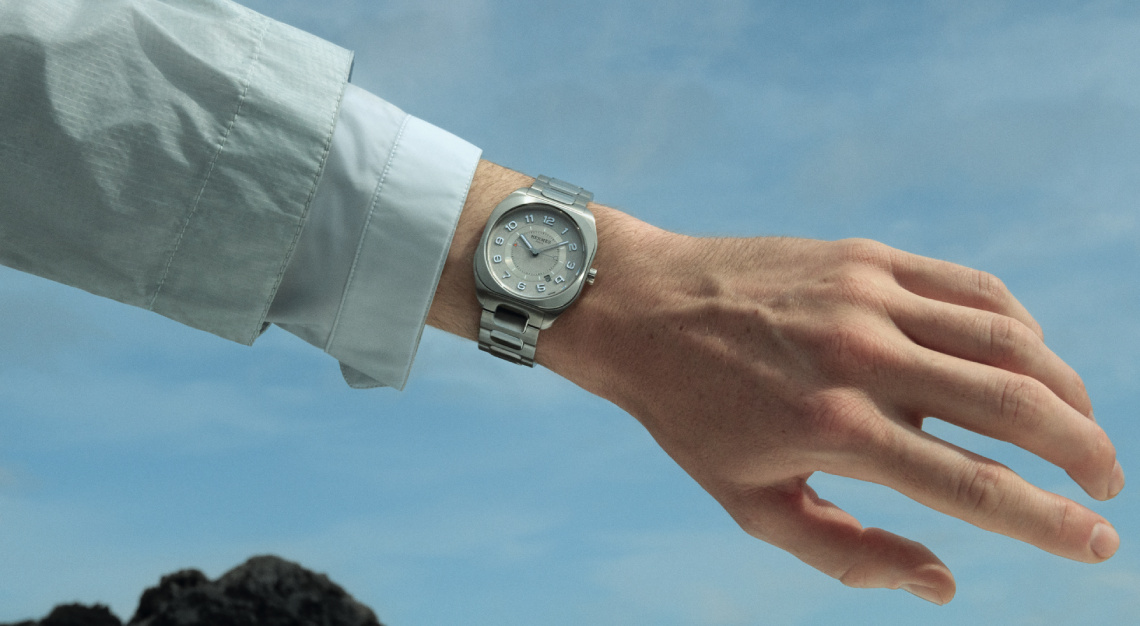
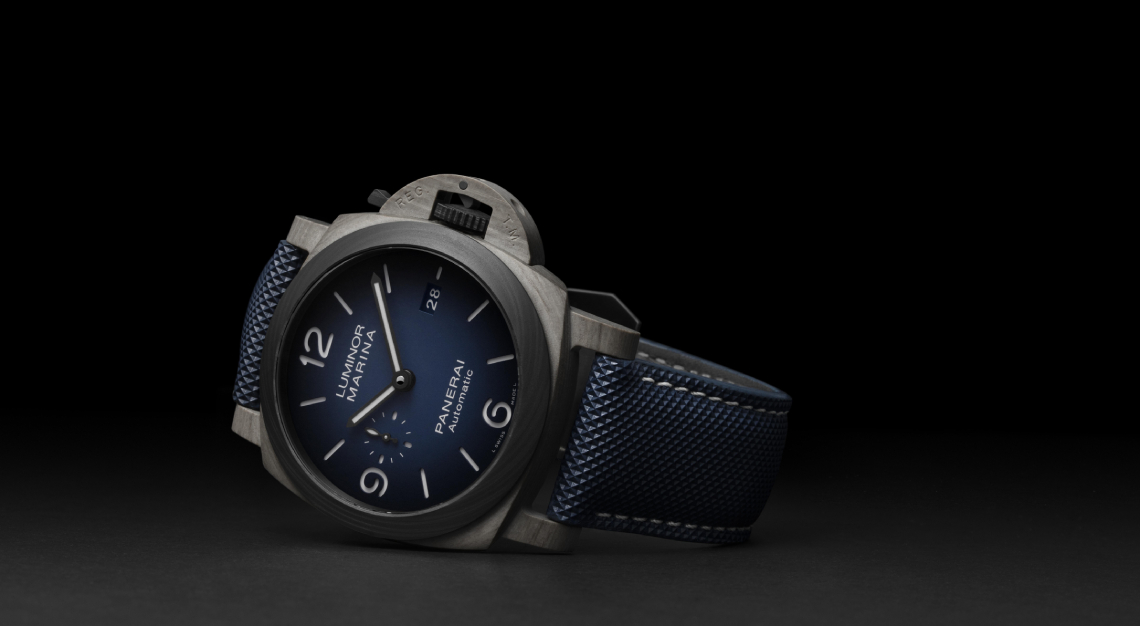
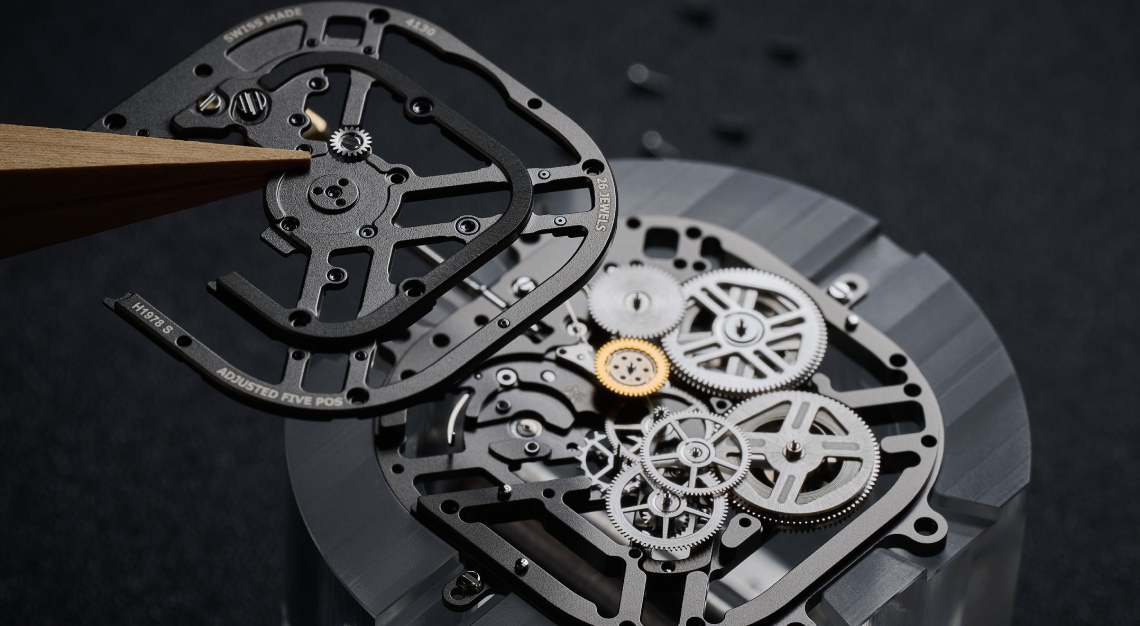
It is hard to imagine. Not when his vision for this year’s Hermès theme, Venture Beyond (L’appel du large), is so expansive and speaks to something far deeper than nautical-inspired wanderlust or luxury accoutrements. The phrase, which translates loosely as ‘the call of the open sea’, is an invitation to leave comfort zones behind, and it resonates through every object bearing the Hermès name. Equally, the watches on display at Watches & Wonders this year suggest unbridled creativity. From a skeletonised contemporary timepiece to a pocket watch whose dial is crafted from wood marquetry, they feel less like products than evidence of fiercely guarded and time-honoured virtues of craft and creativity.
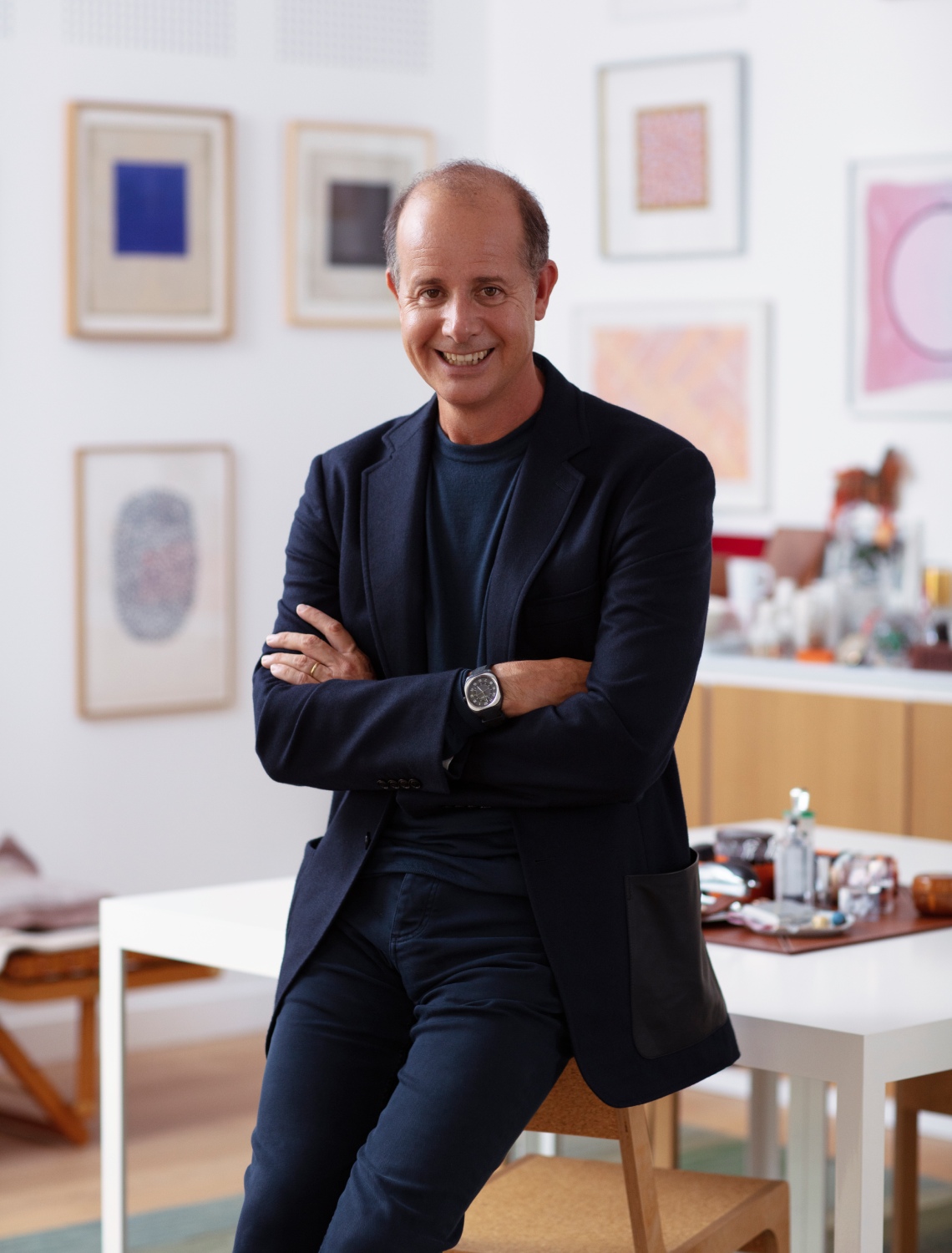
Perhaps this is that 20 per cent that the audience ever sees. If so, Dumas does a remarkable job of putting it front and centre of Hermès. A sixth-generation descendant of Thierry Hermès, who founded his namesake house in 1837, Dumas takes on the mantle as the creative guardian and leader of the luxury powerhouse with humility and humour that belies the immense pressure of his position.
Generous with anecdotes and esoteric asides, the 49-year-old rarely dwells on the physical attributes of the Hermès repertoire that enamour its discerning customers. Instead, our conversation turns on deeper things: the preciousness of memory, the value of objects made to last, the hands and minds behind every Hermès creation.
“Sorry if I’m giving you these long, philosophical answers when we talk about the creative process,” he says. “I’m serving a great house, and I feel so blessed that my family has trusted me to do so. They have trusted me for the last 21 years, I’ve been talking to them the same way as I do now—with my heart.”
Luxury As Hope
In the unforgiving business of luxury, where the tension between innovation and time-honoured tradition is a constant negotiation, Dumas and his team hold the line with quiet consistency. The house sits at the apex of its peers—and while some competitors have been seduced by more commercial undertakings to chase profile and sales—Hermès cements its position by holding fast to an ethos of authenticity and craftsmanship that speaks with deeper emotional resonance.
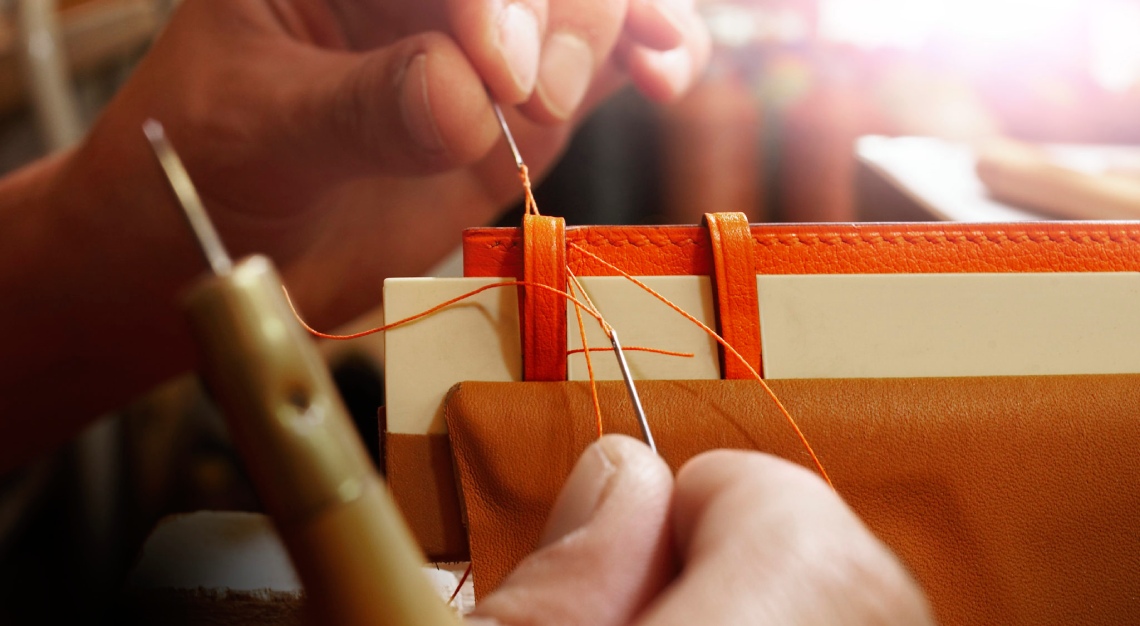
“Why would someone spend a fortune on a watch or a piece of jewellery? I think there are two reasons. The first is that the customer believes the object will hold its value—that they have made a good investment in something rare and beautiful. The second is what the object does to you. How it speaks to you, makes you feel better, or stirs some form of positive emotion. And as long as we have a need to be comforted by beauty, I think there is still a lot we can offer as a luxury house,” says Dumas.
His framing of luxury as a source of comfort is particularly poignant in these times. Within the confines of a fantastical horological wonderland, the real world—with its geopolitical turmoil and economic uncertainty—feels distant. Dumas is cognisant of the paradox, when asked to make sense of his work against the backdrop of everything unfolding around us.
“When I see the world that we are in, I am also seeing a world which we badly need—one with hope and stability. So how do I apply it in my work? What does it mean in an Hermès collection? Or an Hermès watch? How can I produce the sense of continuity and stability, that we care about? I see beauty as a remedy to melancholy. And that is why we keep striving to improve our craft,” he says.
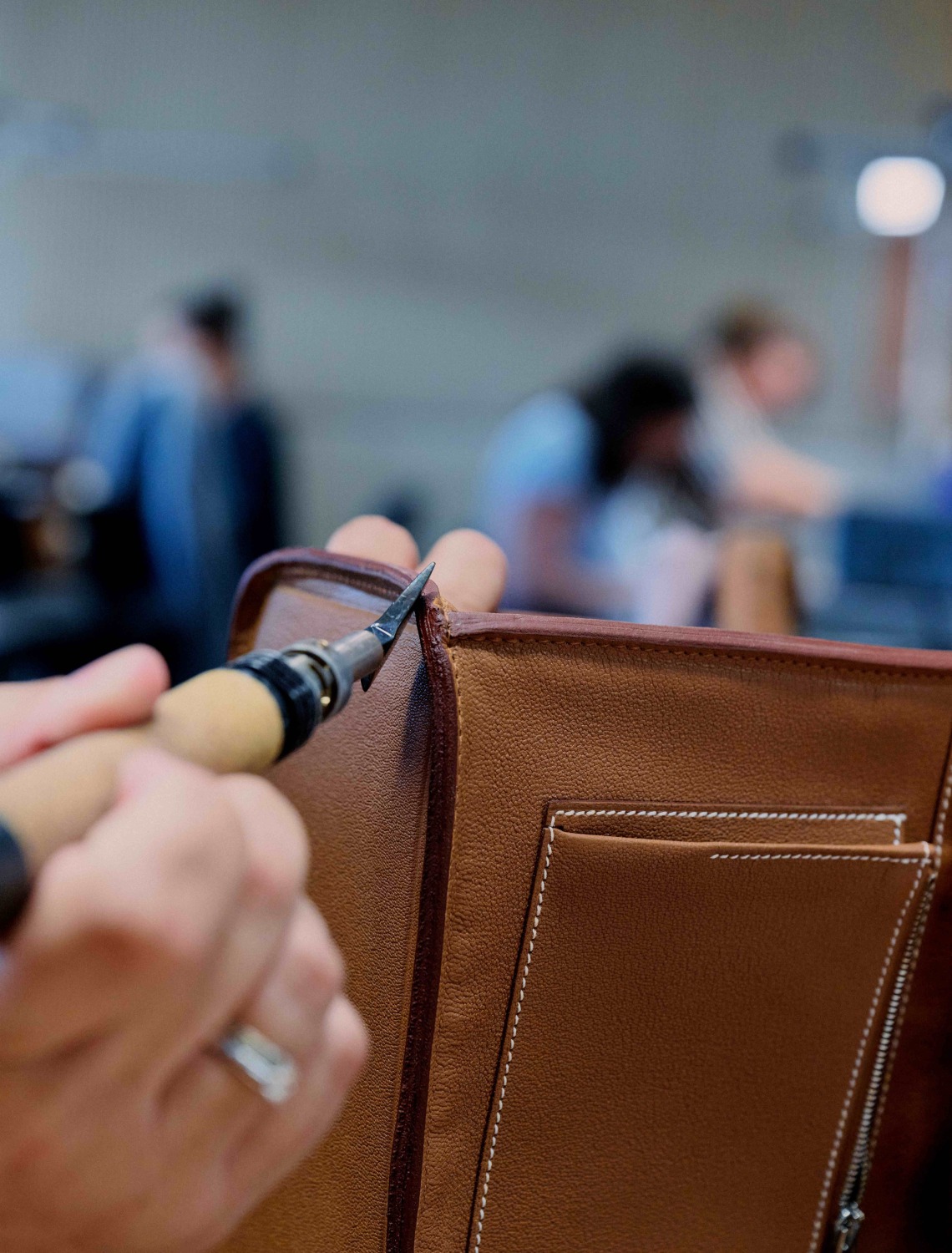
It is a conviction rooted as much in his upbringing as in philosophy. Dumas jokes that he has been “breastfed with the values of Hermès” since he was born. The remark is not entirely in jest. That immersion, sustained across a lifetime, has given Dumas something rarer than expertise: a deep and instinctive perception.
He recalls going up in the 1970s and, while his friends were out playing football, he would go to the workshop with his grandfather to work. And there is a saying that has stayed with Dumas long after the craftsmen who taught it to him are gone. When the old artisans in the Hermès workshops finished a handbag, they would set it down and say, “May the horse be happy.” Dumas often thought that the expression was rather odd, until its origins was explained to him.
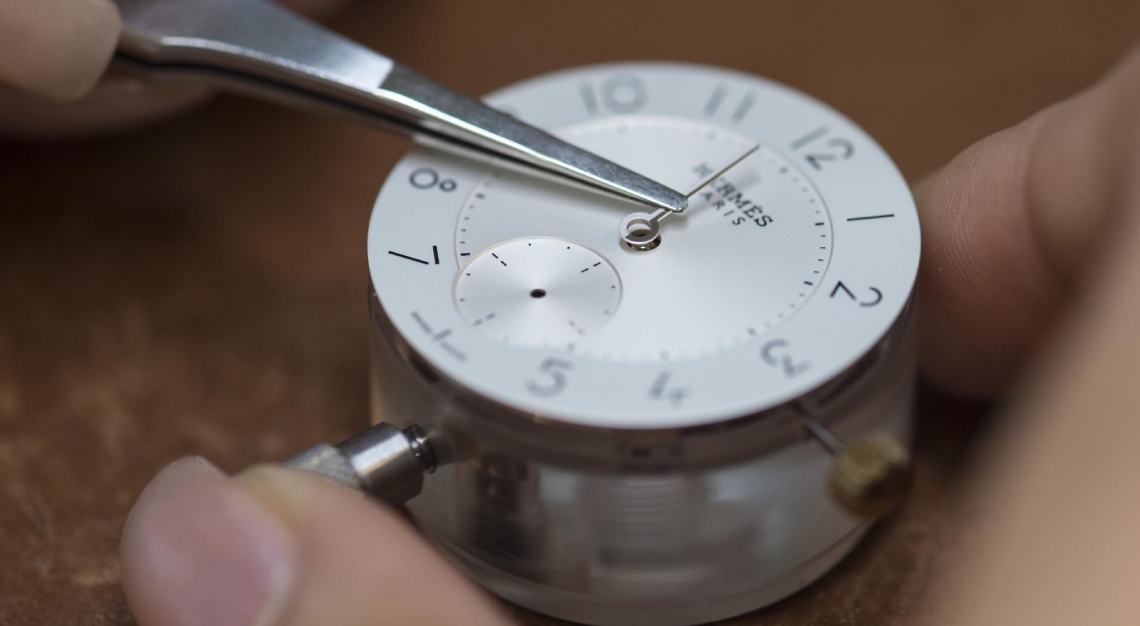
The house built its reputation on saddlery and the standard of care expected of every craftsman was exacting in a particular way. “When we make a saddle, we think of the horse,” Dumas recalls being told. A misplaced nail on the rider’s side would be felt and complained about immediately. A protruding nail on the horse’s side, however, might never be understood—only suffered in silence, or the animal branded nervous or difficult by an owner who never thought to look closer.
Dumas values the saying as an important lesson. “‘May the horse be happy’ means taking responsibility for the person who will use what you make, long after it leaves your hands,” he explains. For Dumas, every Hermès object is a medium: between the hands that made it, the person who owns it, and all those who will carry it forward.
“And making people understand that,” he says, “is my job.”
This story first appeared in the July 2026 issue. Purchase it as a print or digital copy, or consider subscribing to us here