Meaningful innovation is hard-won in modern watchmaking, but the IWC Watches & Wonders 2026 novelties prove it’s still possible provided you’re willing to question everything
Innovation is a funny word in watchmaking. How much genuine innovation can exist in an industry that has weathered the Industrial Revolution, mass production, and the quartz crisis? Most horological developments today are, understandably, evolutionary rather than revolutionary.
It’s for this reason that brands that dare to go beyond—whether through experimenting with novel materials, crafting new movements that deliver incremental improvements to timekeeping, or rethinking established mechanical architectures—garner much fanfare when unveiling something ingenious. IWC is a case in point. The Schaffhausen manufacture became quite the talking point at this year’s Watches & Wonders, releasing a suite of novelties that ranged from the ambitious to the groundbreaking.
From the space-ready Pilot’s Watch Venturer Vertical Drive to the debut of the ProSet perpetual calendar and the industrialisation of Ceralume—a proprietary luminous ceramic material years in the making—IWC’s releases reveal a manufacture that is in constant pursuit of better solutions.
Lofty Ambitions
At its core, IWC has always approached watchmaking as an arena for obsessive problem-solvers. Stefan Ihnen, its technical director and associate director of R&D, puts it plainly: “We have always been a bit different. We are not artisans, we are engineers.”

Is there, then, a loftier engineering challenge than that of space travel? It is hard not to wonder whether this sentiment was driving the team at IWC when they first began work on the Pilot’s Watch Venturer Vertical Drive. The timepiece—which looks unlike anything the brand has produced before—was conceived for life beyond Earth, requiring the manufacture to rethink what a mechanical watch might look like when designed around the realities of orbit rather than the routines of daily life.
“It is an ideal project,” says Ihnen. “When you look at the Portugieser or the Pilot’s, there are a lot of elements—from the design language to the functions—that must fit within the collections. With something like the Pilot’s Venturer Vertical Drive, you have an opportunity to try new things.”
Yet, according to Ihnen, even projects that appear to begin with a blank sheet of paper seldom do. Before the team could think about aesthetics or mechanics, they first had to understand the environment the watch was being designed for.
This meant studying the realities of life aboard a space station, from the functionality astronauts require to the unique challenges posed by a closed environment, where even the materials used must be carefully considered. Tiny particles released through wear or outgassing, Ihnen explains, can contaminate the air inside a spacecraft, making minute design decisions critical.
From The Ground Up
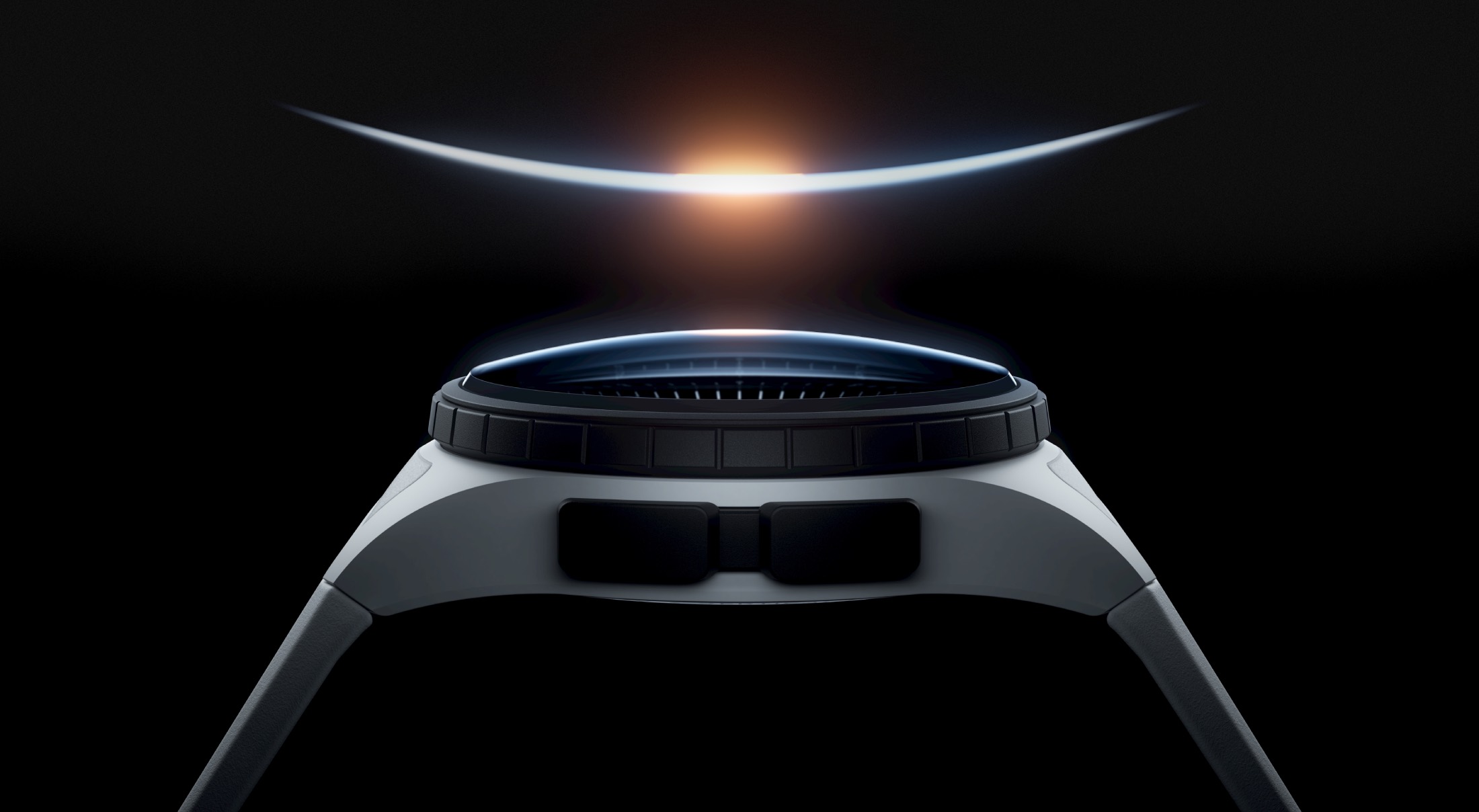
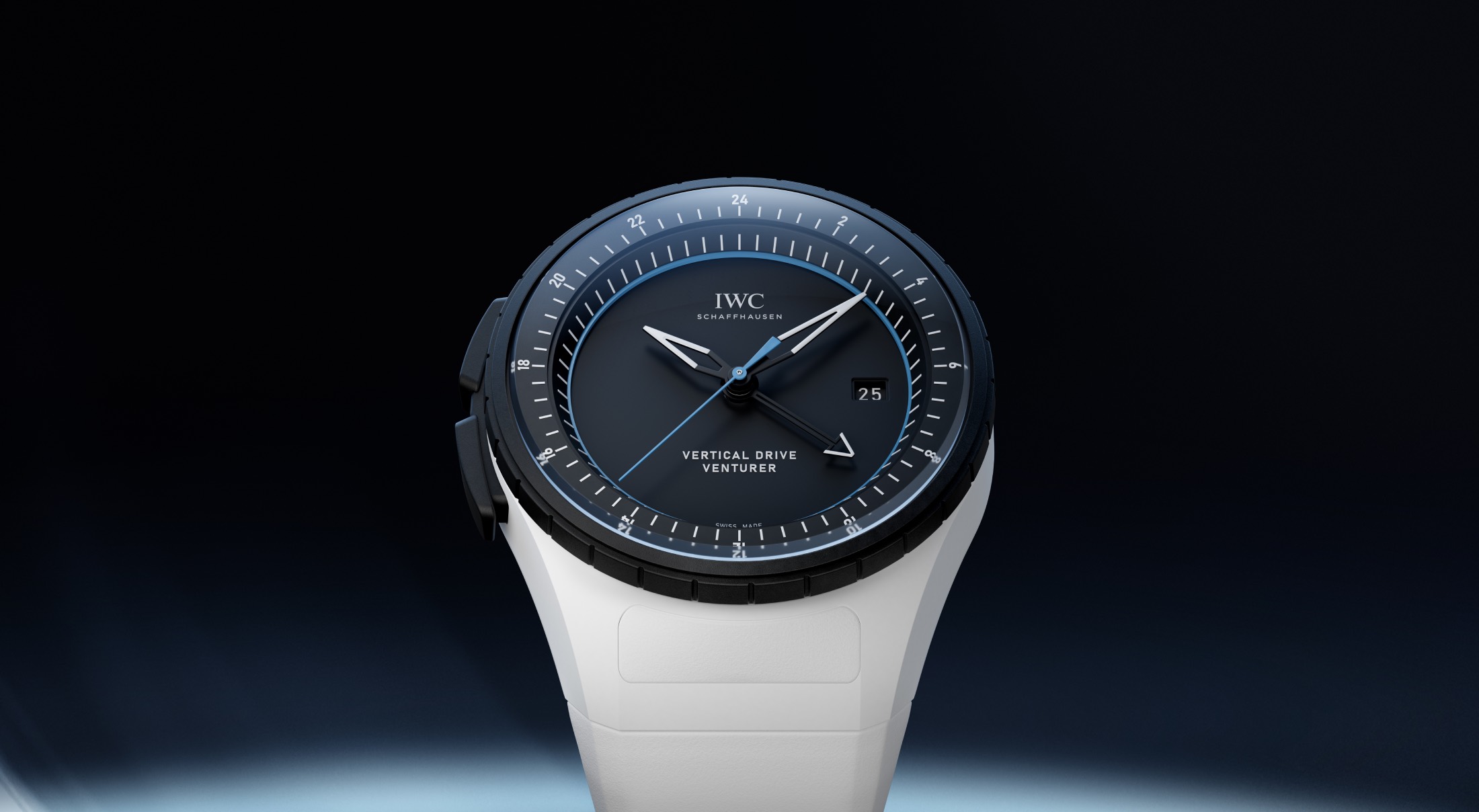
Rather than adapting an existing Pilot’s Watch for orbital use, IWC engineered the Pilot’s Venturer Vertical Drive from the ground up for human spaceflight. Gone is the conventional crown, replaced by a patent-pending Vertical Drive system that uses a rotating bezel and rocker switch to control every function, from winding the movement to setting the time, allowing easy time-setting even when wearing pressurised gloves.
It is also a fully fledged GMT watch, displaying mission time on a dedicated 24-hour scale while allowing the central hour hand to be adjusted independently to show home time, a practical solution for astronauts who experience up to 16 sunrises and sunsets every day in orbit. Powered by IWC’s new calibre 32722, the timepiece boasts 120 hours of power reserve, while the white zirconium oxide ceramic case and Ceratanium bezel and caseback were selected for their ability to withstand the thermal extremes of space.
The Pilot’s Watch Venturer Vertical Drive may demonstrate IWC’s appetite for unexplored territory, but the brand’s new ProSet perpetual calendar module reveals something perhaps even more remarkable: the courage to challenge one of its own greatest successes.
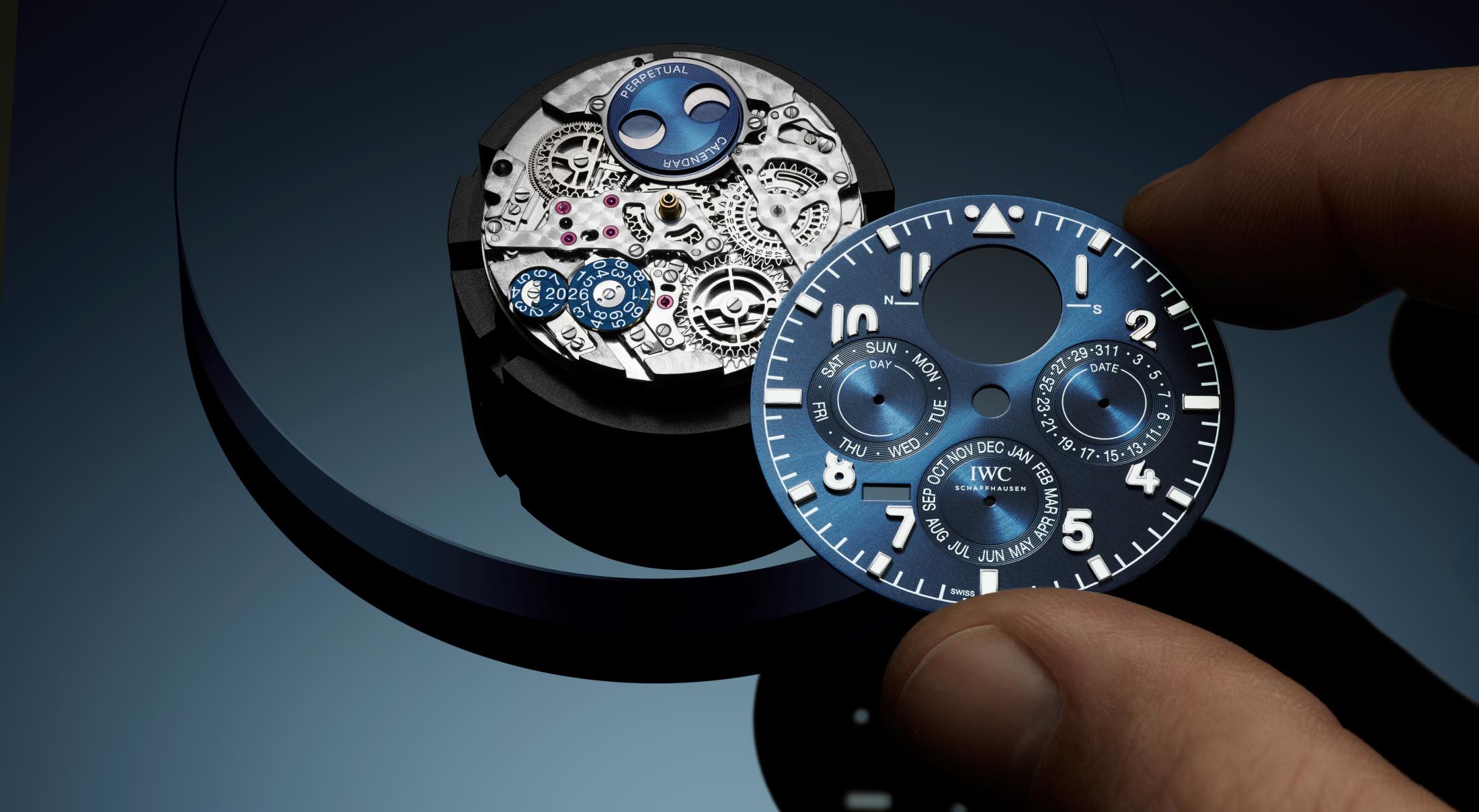
Introduced in the 1980s by watchmaker Kurt Klaus, IWC’s take on the perpetual calendar transformed the user experience of one of watchmaking’s most sophisticated complications. Rather than relying on multiple recessed correctors set into the side of the case, it featured an ingenious system that allowed every calendar indication to be advanced simply by turning the crown.
There was, however, one capability it lacked. Like virtually every perpetual calendar of its generation, it could only be adjusted forwards. It was this seemingly simple problem that IWC’s engineers set out to solve. Yet after years of experimentation, the team reached an uncomfortable conclusion. “At a certain point we had to say we can’t find a sustainable, robust solution,” says Ihnen.
Rather than compromise, Ihnen and his team abandoned years of development before restarting the project from scratch in 2021. The resulting ProSet perpetual calendar is built around a new gear-based architecture, allowing the wearer to adjust the calendar both forwards and backwards through the crown while preserving the intuitive ease of use that has long defined IWC’s perpetual calendars.
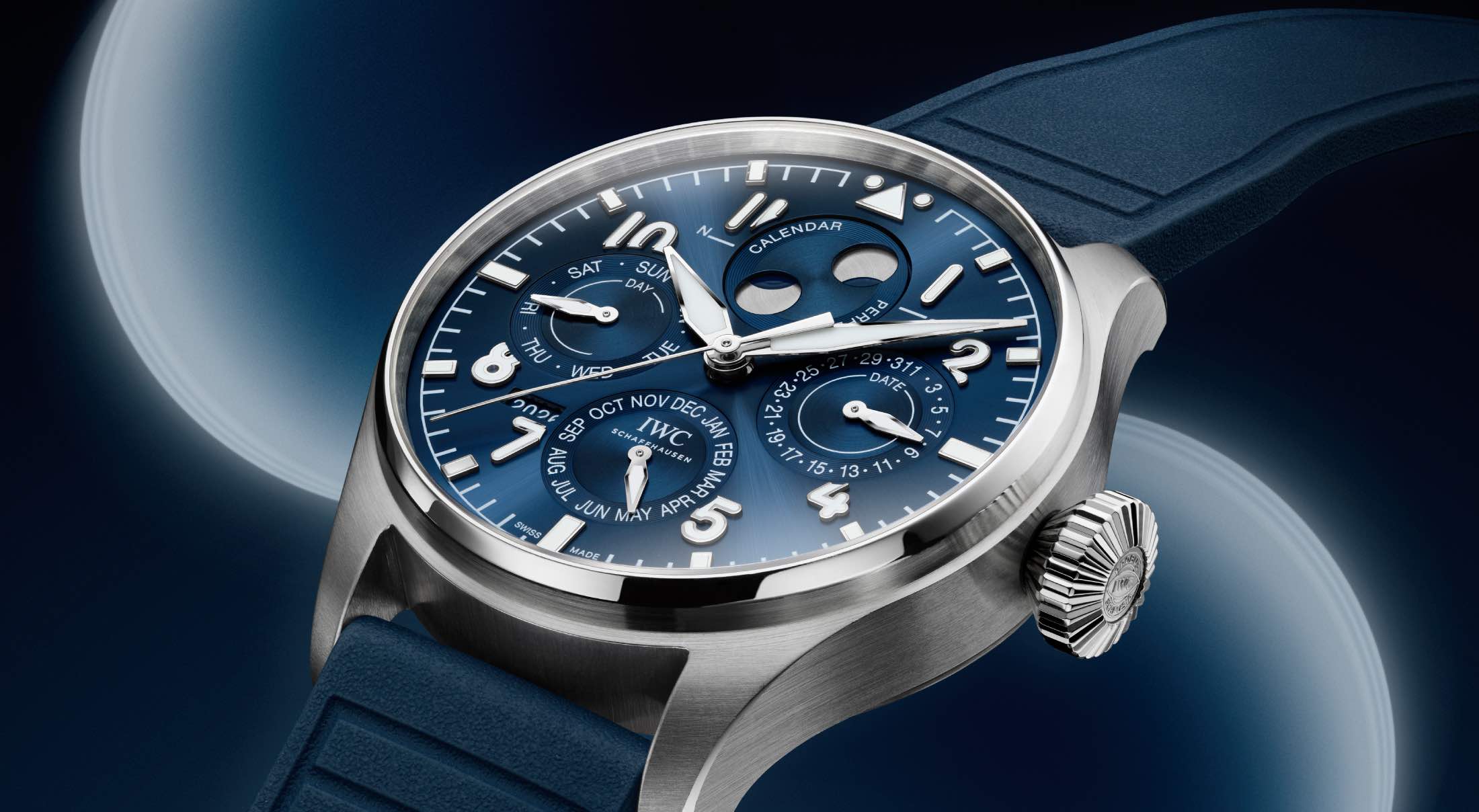
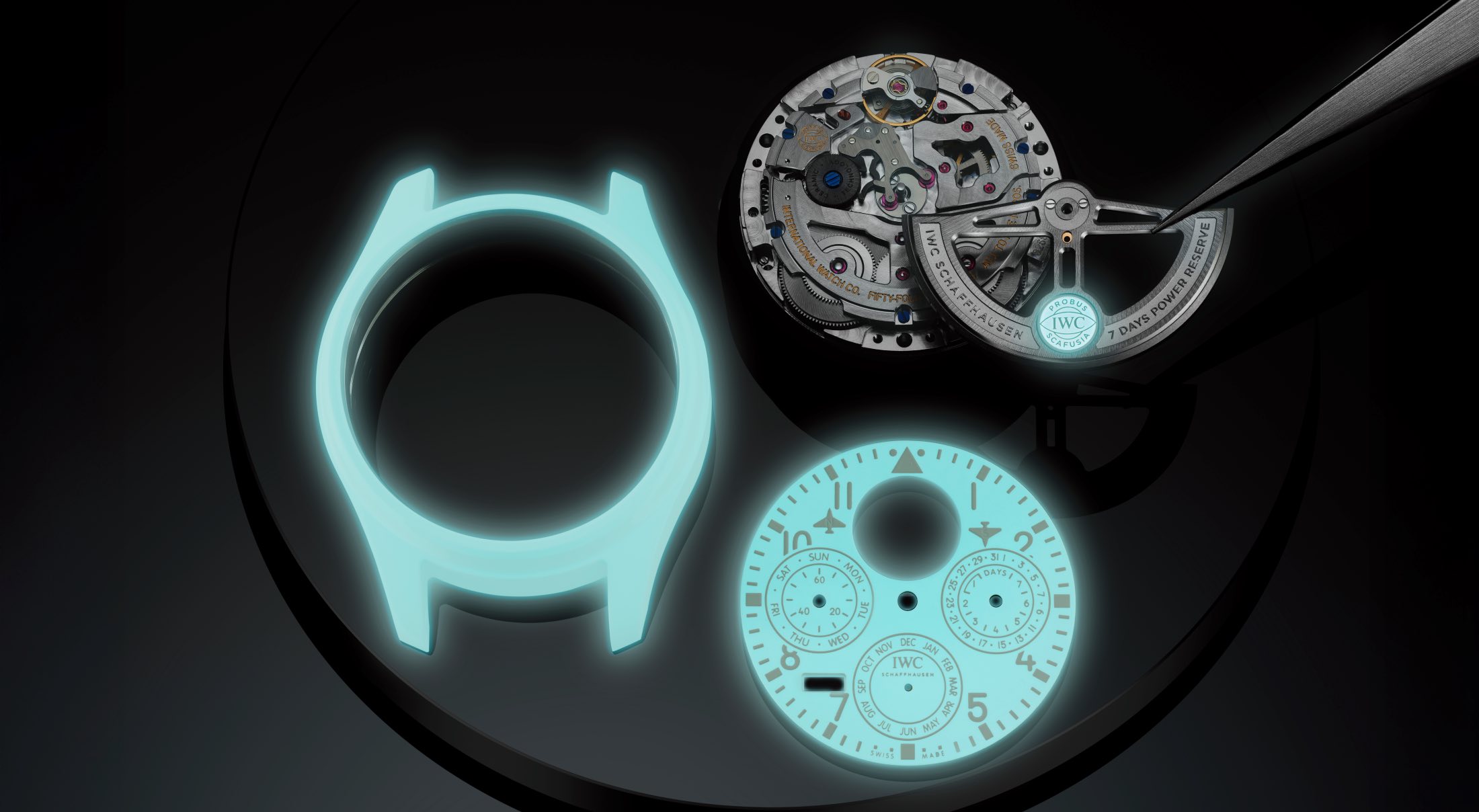
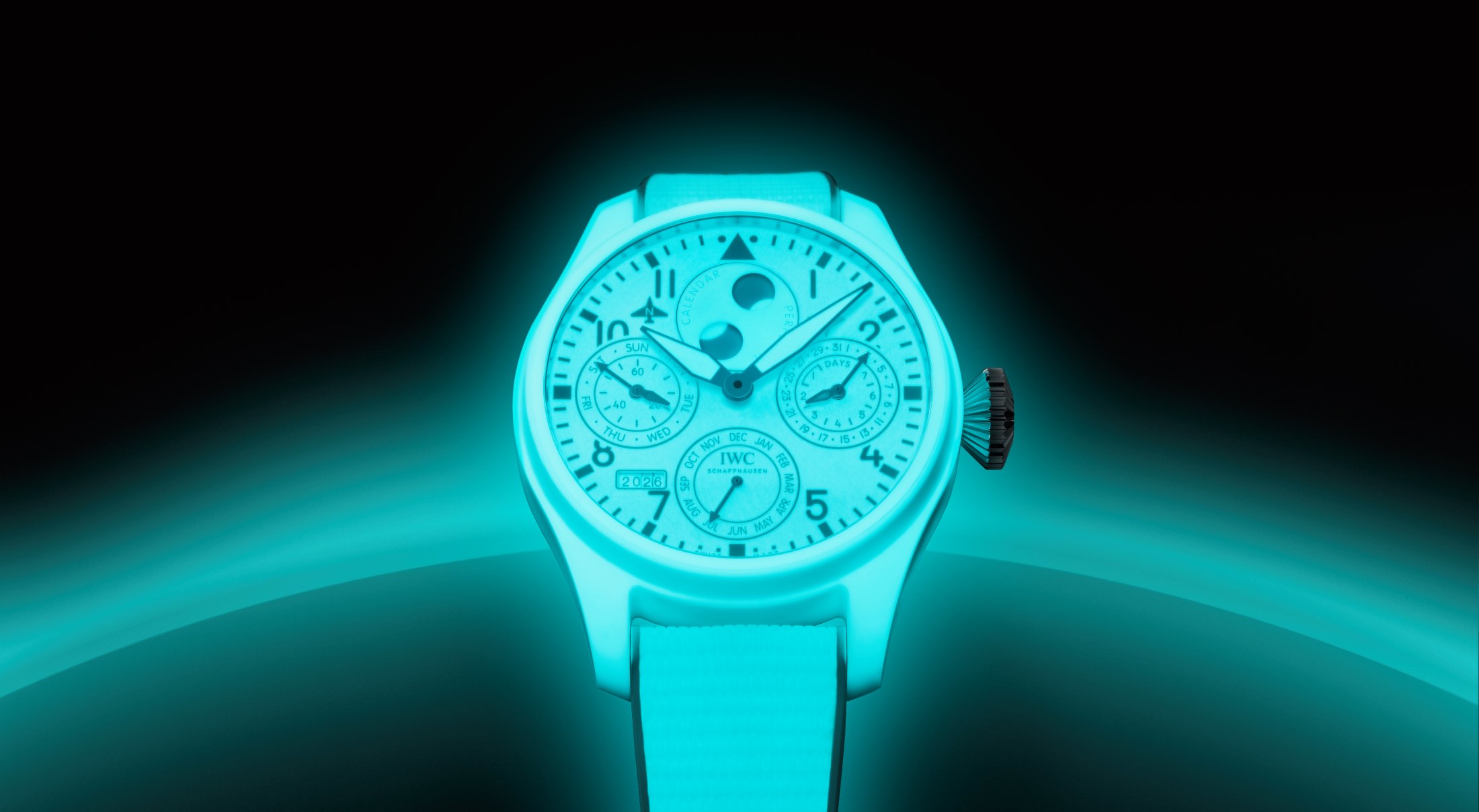
Beyond these novelties, IWC also lit up Watches & Wonders with the Big Pilot’s Watch Perpetual Calendar Ceralume. Crafted from a proprietary luminous ceramic material that was unveiled as a concept watch two years ago, the timepiece marked the successful industrialisation of what had once been an experimental idea.
“It was difficult,” admits Ihnen. “It’s always easy to have one or two cases for a prototype. But then to have something repeatable in a certain quantity, which passes all the tests, that’s a different story.”
According to Ihnen, the challenge lay in developing a manufacturing process that could reproduce it. With ceramic and Super-LumiNova starting life as separate powders, years were spent perfecting a manufacturing process that could combine them into a homogeneous material before sintering, ensuring consistency from one case to the next.
It is, in many ways, an apt summary of IWC’s approach to innovation. Great engineering is rarely about breakthroughs alone. More often, it is about patiently refining an idea until it is robust enough to exist beyond the laboratory.
Having spent over two decades at IWC and playing a pivotal role in building the manufacture’s research and development capabilities, Ihnen has witnessed that philosophy take shape first-hand. Looking across this year’s novelties, from the Venturer and ProSet to Ceralume, there is, as he says, an unmistakable sense of satisfaction.
“We have brilliant movement complications and new material executions,” he says. “I’m beyond proud.”
This story first appeared in the August 2026 issue. Purchase it as a print or digital copy, or consider subscribing to us here