

Knight Frank’s 2026 Wealth Report charts a world in flux, with Singapore at the centre of capital, ambition, and ultra-mobile lifestyles
Consider this: every single day for the past five years, an average of 89 people crossed the US$30 million wealth threshold. That relentless pace of wealth creation sets the stage Knight Frank’s 20th edition of The Wealth Report—along with Singapore’s place in it. The city-state’s ultra-high-net-worth population is forecasted to climb by 46 per cent by 2031. Luxury residential prices rose 7.9 per cent in 2025. Family offices continue to cite it as a “necessary” hub location. But the most revealing finding has less to do with tallying the wealthy than with understanding how they now choose to live.
Driven by shifting tax regimes in established wealth hubs, the ultra-wealthy are no longer anchoring themselves to any single city. They are spending fewer than 90 days annually in traditional centres, maintaining smaller, service-ready abodes than grand primary residences. Singapore, the report notes, is consistently cited as a “necessary” hub location by family offices surveyed globally. In a world where the short list of places people feel genuinely comfortable investing is shrinking, remaining on it is itself a competitive advantage.
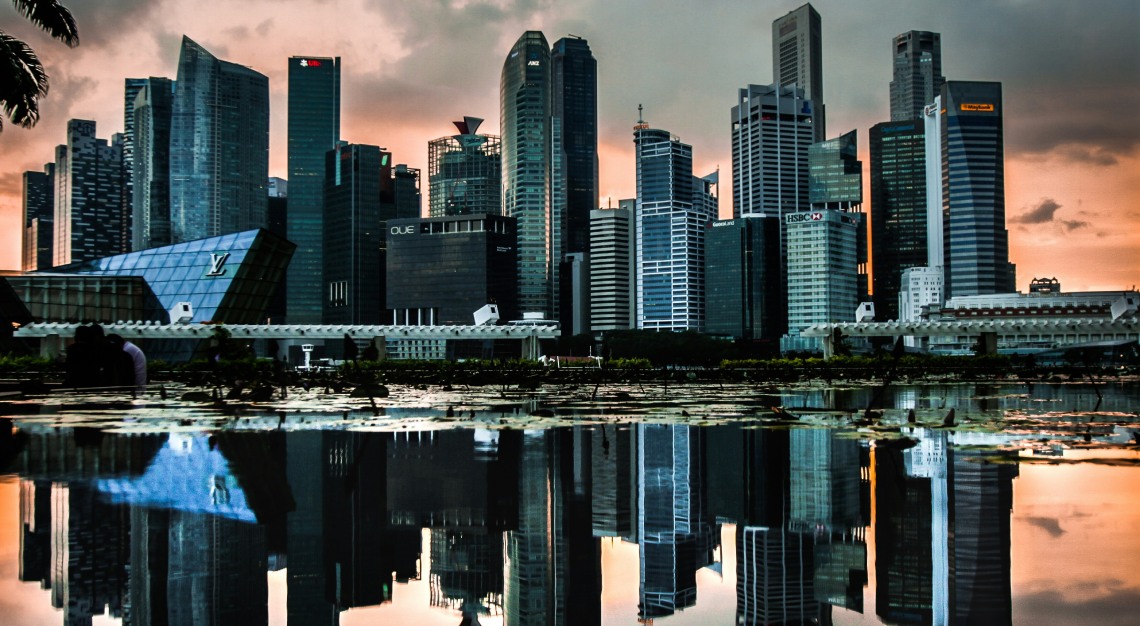
The family office story is particularly telling. The sector is approaching 10,000 entities worldwide, growing at roughly 5 per cent annually, and recruiting in-house specialists in private equity, venture capital, and real estate. For Singapore, which has spent years cultivating precisely this sector, the trajectory looks favourable, even as Hong Kong moves aggressively to reduce regulatory friction and recapture market share.
On passion investments, the picture is nuanced. The Knight Frank Luxury Investment Index closed 2025 down just 0.4 per cent, suggesting the worst of the correction that began in 2022 may be behind us. Impressionist art surged 13.6 per cent, watches gained 5.1 per cent, and even the beleaguered fine wine market is showing signs of life, with Tuscan super-wines outperforming Burgundy and Champagne. Whisky, however, fell 10.9 per cent, a reminder that sentiment-driven assets can unwind sharply when liquidity conditions tighten.

What the report ultimately argues is that the wealthy are recalibrating. They are seeking fewer but better-chosen markets, properties that work effortlessly from the moment they arrive, and gravitating toward experiences that offer genuine transformation rather than mere status.
For Singapore, this represents an opportunity. The city already offers the legal stability, connectivity, and financial infrastructure that ultra-mobile wealth demands. The question is whether it can hold that position as the competition intensifies. The evidence, for now, suggests it can.