
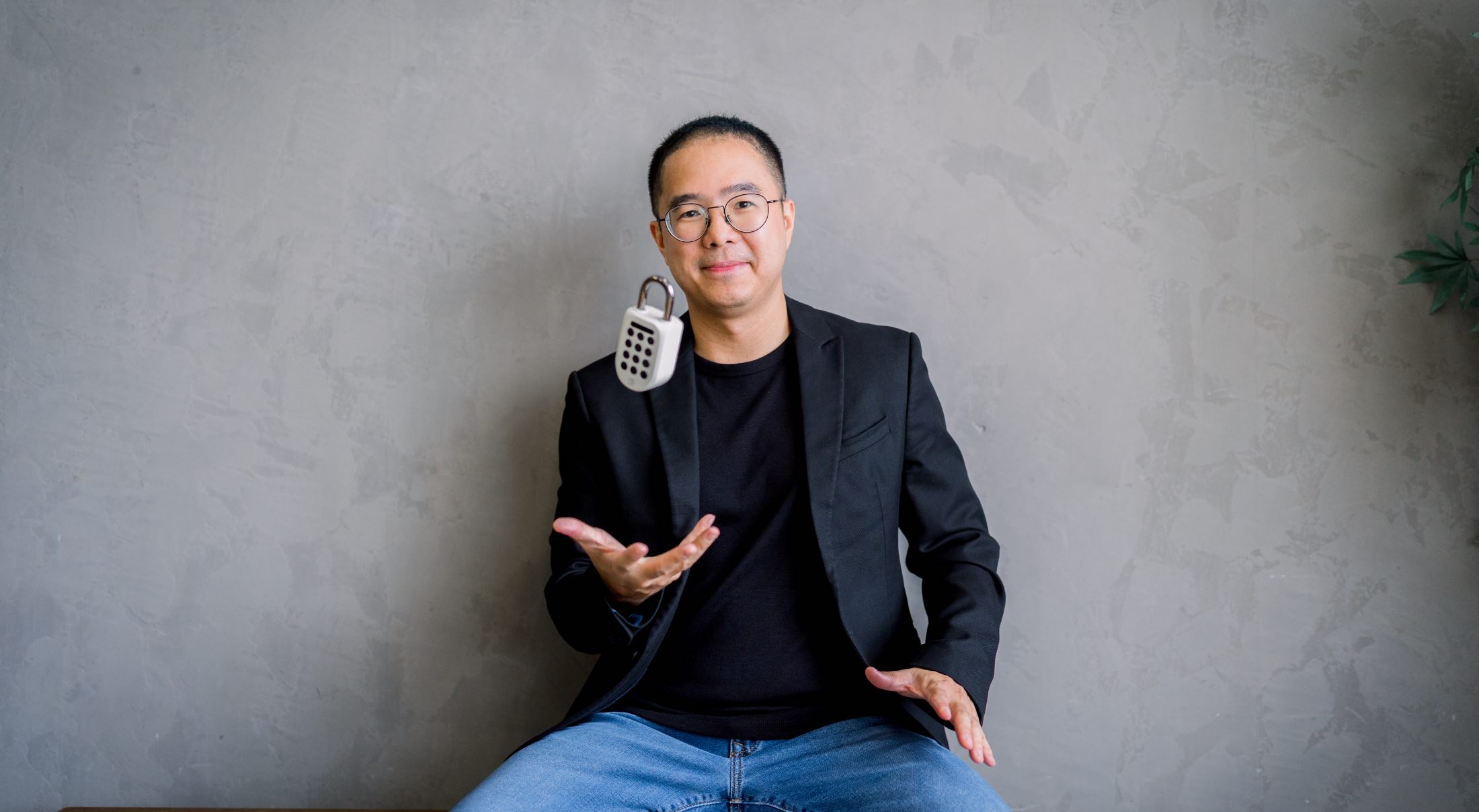
In Mind Your Business, we speak with business leaders and thinkers who inspire their respective companies and industries. Here, we feature Anthony Chow, CEO and co-founder of igloo
For the CEO of a company that once sent one of its smart locks 33km into the stratosphere to test the reliability of its proprietary access technology, Anthony Chow appears remarkably unassuming at first. But listen to him speak about the evolving real estate technology market and igloo’s role within it, and the astute thinking that has guided the company’s growth over the past decade becomes clear.
Founded in Singapore, igloo, the parent company of igloohome, first established itself through smart locks designed for short-term rentals before gradually expanding into multifamily housing, co-living, hospitality, and enterprise access systems. Today, the company manages more than 700,000 doors across 17 countries, works with over 5,000 enterprise clients, and processes more than one billion unlocks annually.
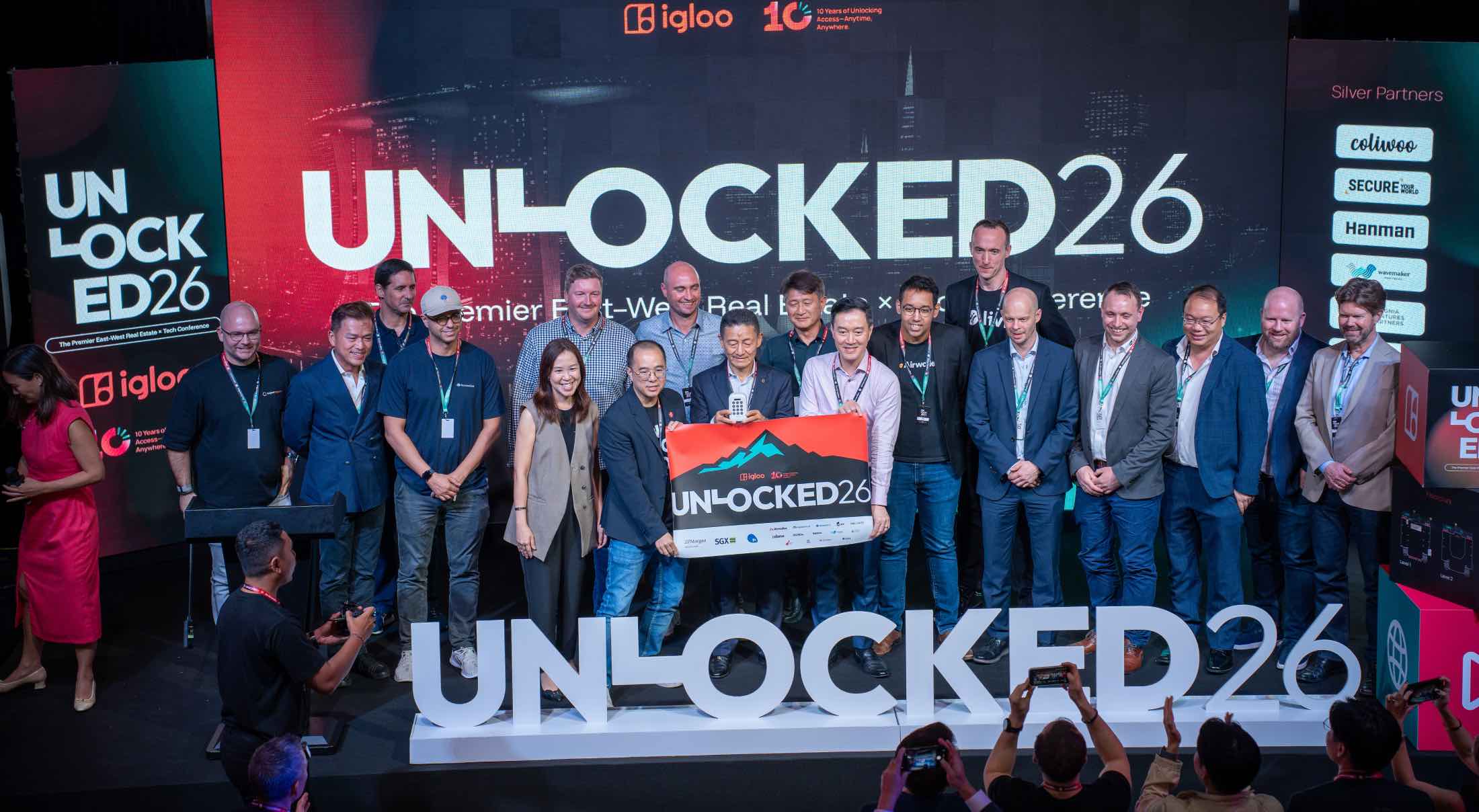
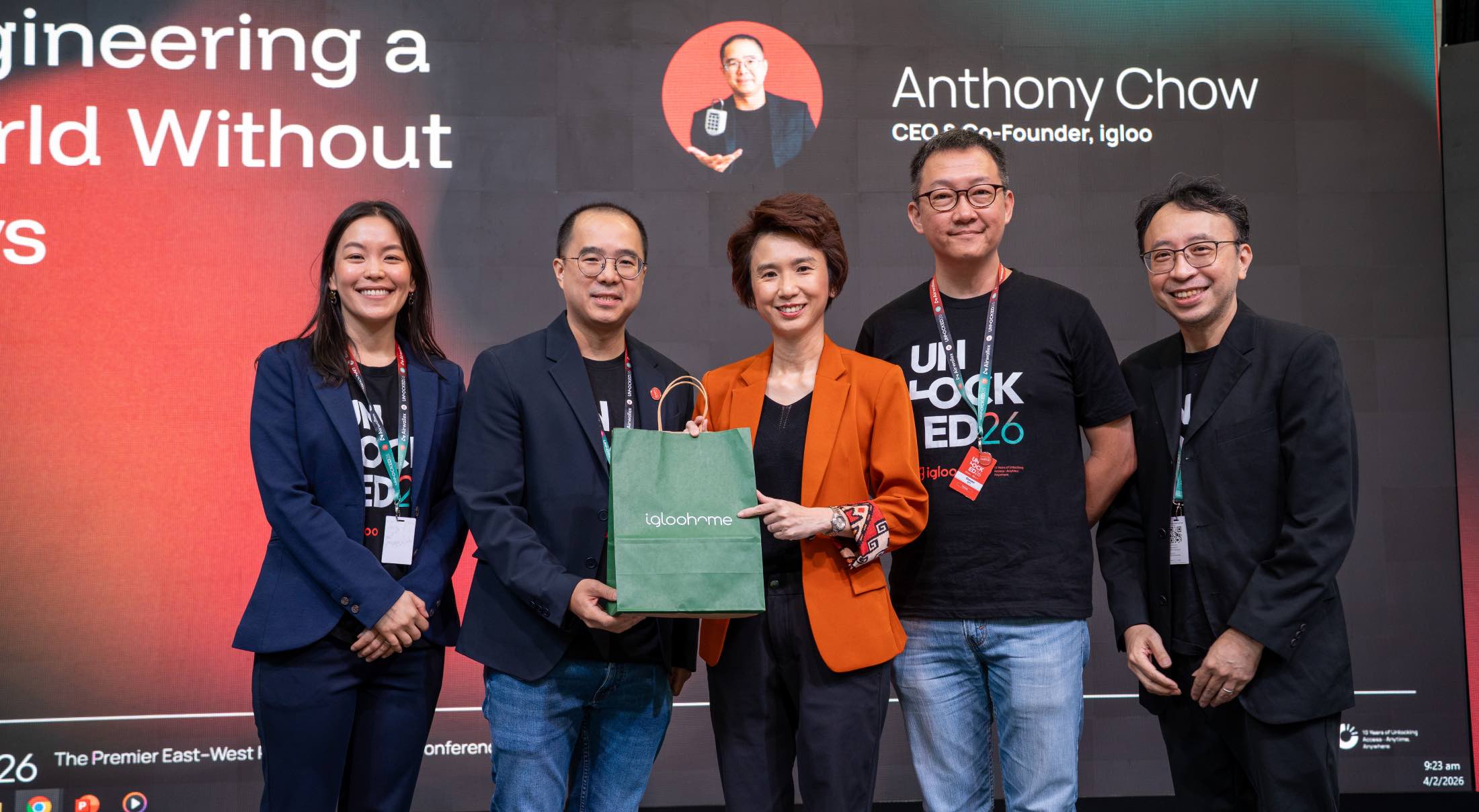
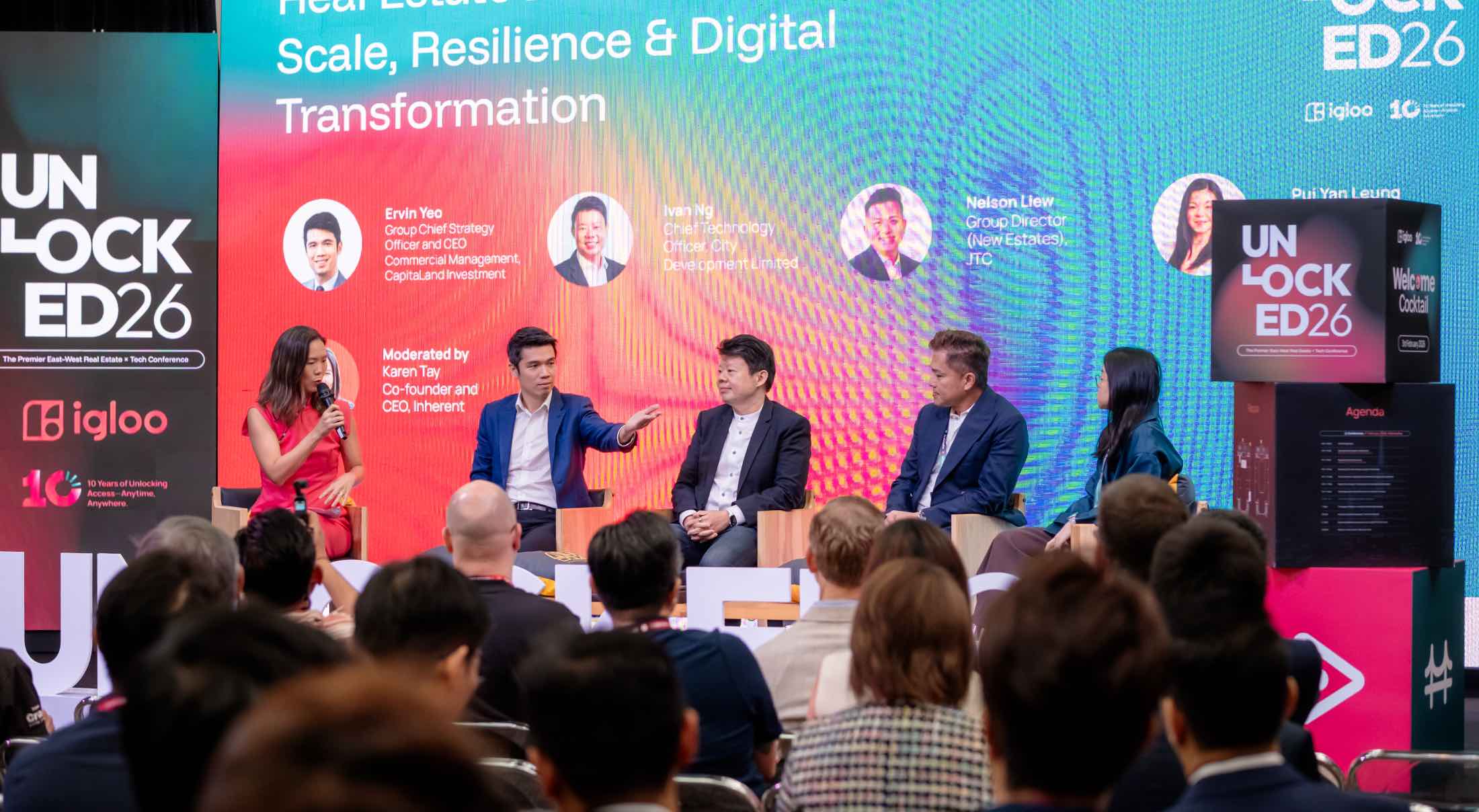
In February this year, Chow and his team convened Unlocked26, igloo’s inaugural summit held in Singapore. The event brought together operators, investors, policymakers, and technology leaders from across Asia-Pacific, Europe, and the United States to discuss the evolving relationship between real estate, infrastructure, and software.
Notably pragmatic, discussions ranged from retrofitting legacy buildings and scaling operations without significantly increasing manpower, to navigating the mismatch between long real estate cycles and much faster-moving technology cycles. Alongside these discussions, igloo also unveiled iglooOS, the company’s software-led access platform designed to integrate buildings, operational workflows, and property management systems through a unified access layer.
And with the launch marking something of a new chapter for the company, we speak to Chow on what it took to scale from Singapore into America, the transition from a hardware-focused company to a software one, and why he believes igloo still has plenty of new doors to unlock.
Now that you’ve had some time to digest and step away from Unlocked26, how are you feeling about how it came together?
I feel very grateful that the ecosystem came together in the way it did. We had over 450 real estate leaders, technologists, operators and policymakers all in the same room, which was something really special to see. This was also the first time we had attempted something at this scale so it was a big step for us.
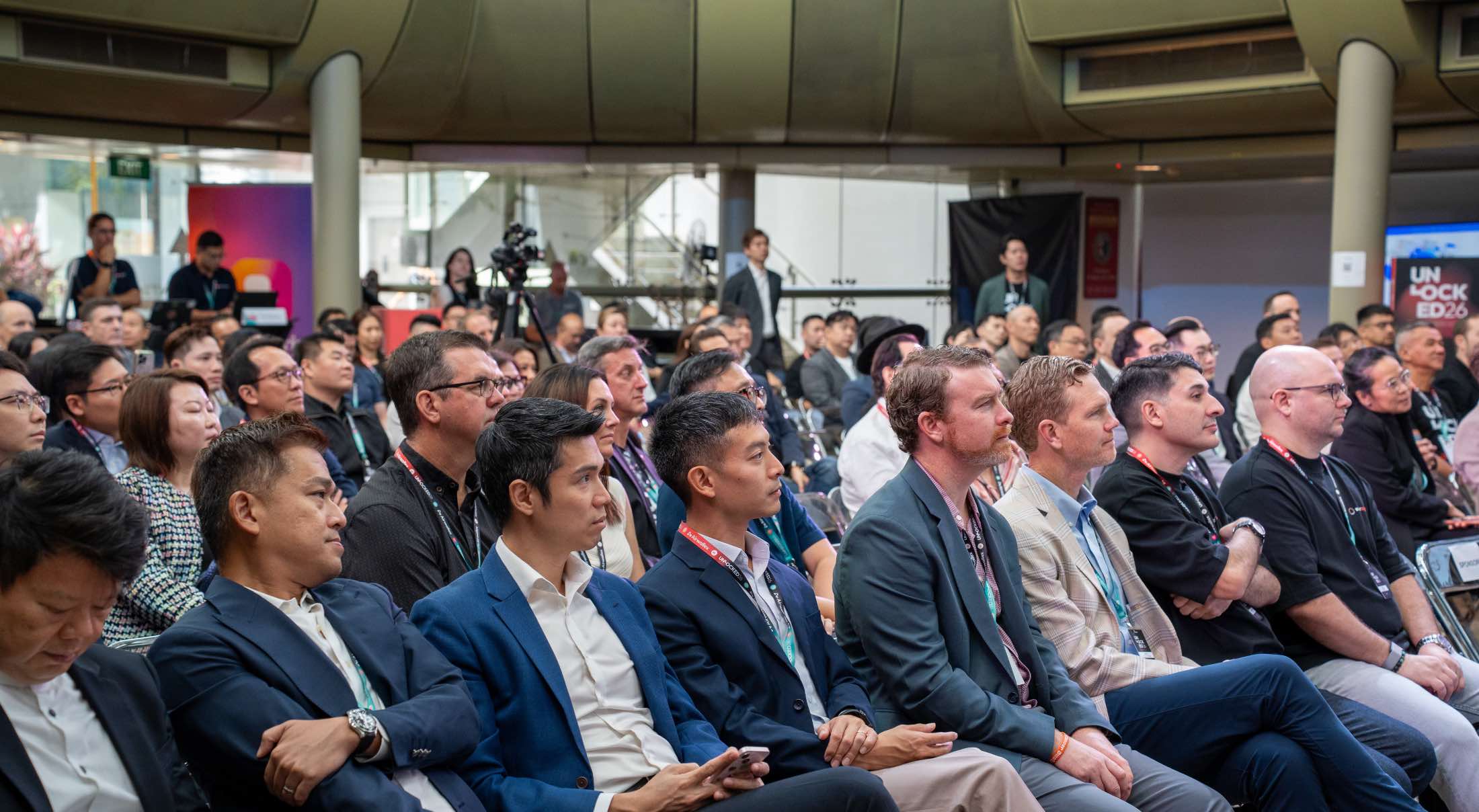
I’m incredibly proud of what the team managed to accomplish. With relatively lean resources, they pulled together an event of this scale, and there were definitely quite a few sleepless nights making sure the programming, speakers and sponsors all came together smoothly.
Why was it important for you to create a convening platform?
We had leaders in the room representing owner-operators, technology platforms and institutions influencing over $1 trillion of real estate assets. Of course, one of the goals was to launch our operating system iglooOS and share that vision with this group, positioning igloo as both a technology platform and a strong advocate for tech-driven real estate.
But having been in the proptech industry for a decade, we also saw a real gap in the market for bringing thought leaders in proptech together in APAC. Real estate is a highly relationship-driven industry with its own technology adoption cycles and very unique operational challenges.
Why does this moment feel like the right time to introduce iglooOS?
We believe the industry is reaching an important inflection point in technology adoption. iglooOS is something we’ve been building quietly over the past two to three years. At its core, it is a foundational credentials and access stack designed to power modern access control systems, making them more integrable, scalable and adaptable across different real estate environments.
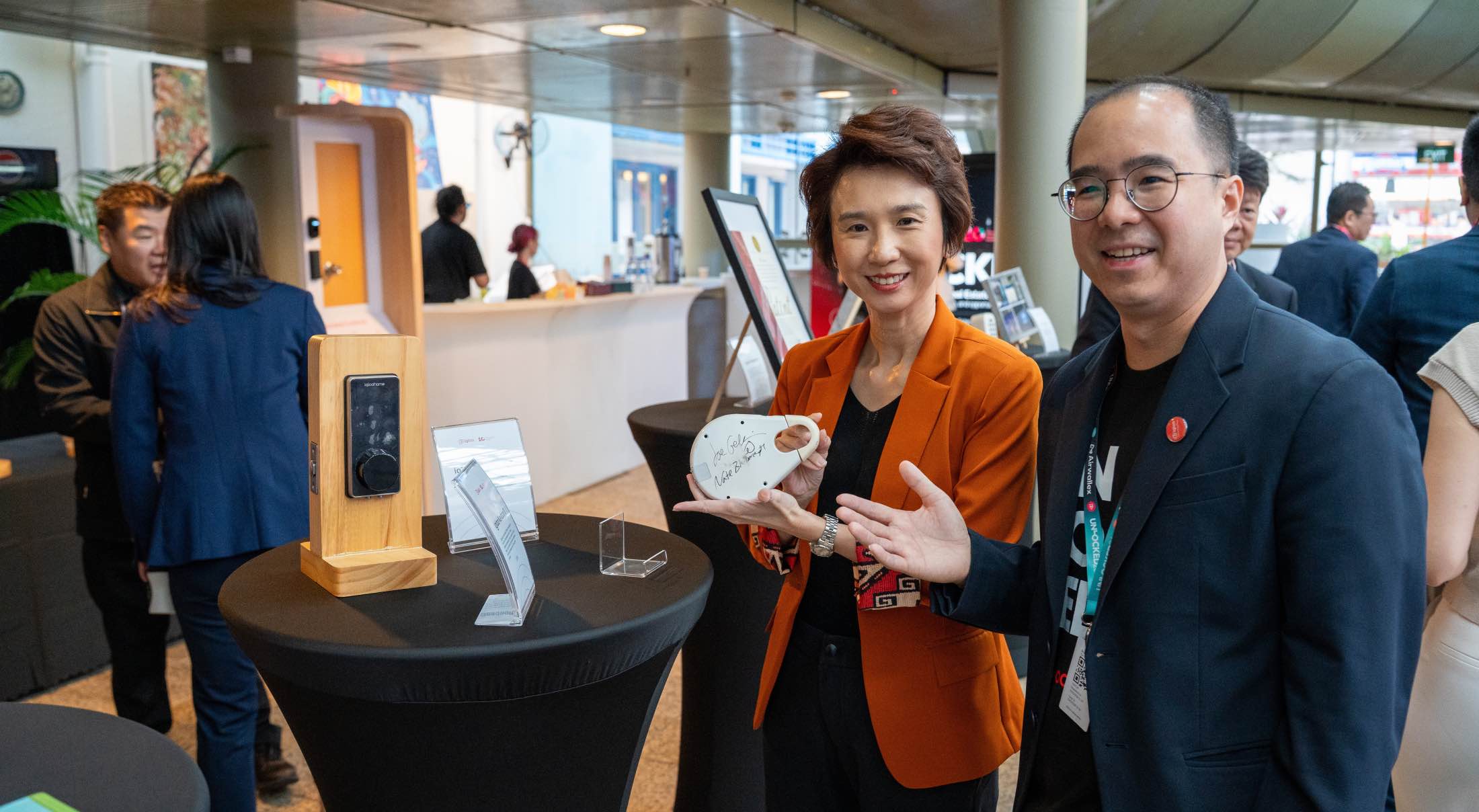
During this time, we’ve developed a new technology and credential suite, built integrations with over 500 ecosystem partners, and processed more than one billion unlocks annually on our platform. With that level of maturity and ecosystem adoption, we believe the timing is right to formally introduce iglooOS and scale it as the foundation for the next generation of access infrastructure.
Much of iglooOS was shaped in Singapore. How did building the platform here influence how it ultimately works at a global scale?
Even though we build many things in Singapore, we have always thought globally from day one. Today we work with over 80 distribution partners worldwide, and more than 65 per cent of our revenue comes from the United States.
We work closely with our partners and clients globally to shape the platform around the real operational challenges they face. That constant feedback loop ensures that the technology we build in Singapore is designed to work across very different markets and operating environments.
igloo began as a solution for short-term rentals, but has expanded into everything from long-term housing to unmanned rentals. What was the inflection point that made you realise the opportunity was much broader?
During Covid, we saw the explosive growth of the sharing economy and unmanned operations. Suddenly many services—from rentals to logistics—were operating without staff on site, and keyless access became critical.
At the same time, we saw a broader global shift from home ownership toward renting, particularly in the United States where the multifamily rental market has grown significantly. The technology we originally created for home sharing turned out to be very applicable to these new environments.
You’ve chosen to focus on the rental economy. What does that focus allow you to do differently from other access technology companies?
The rental economy presents very unique infrastructure challenges. Connectivity is often unreliable. Think of a rental kayak at a public beach, an Airbnb in the mountains, or a multifamily property built in the 1970s. Connectivity is not always guaranteed.
So we had to innovate technologies that work even without connectivity, which is actually quite counterintuitive in today’s connected world. Secondly, this is a massive retrofit market. Many buildings already exist, so our technology needs to integrate with older infrastructure and provide affordable upgrades.
Finally, rental ecosystems don’t operate in silos. Operators rely on many different software systems. That’s why we’ve built integrations with over 500 software partners globally, allowing our platform to fit naturally into existing workflows.
As igloo shifts from a hardware-led business to a software model, what has been the hardest mindset change for you personally as a founder?
Interestingly, my background is in computer science and data science, so the hardware side was actually the harder learning curve for me. Early on I had the classic startup mindset of “move fast and break things,” but hardware development doesn’t work that way. Hardware requires reliability, testing and long development cycles, so it was a very humbling experience learning how to build best-in-class hardware alongside software.
Today I’m very excited about the software-led direction we are scaling with iglooOS. We’re now combining our team’s deep hardware expertise with a software, data and AI approach.
As you look ahead, what feels like the next frontier for igloo that you’re most excited to explore?
Our vision of creating a world without keys is really just getting started. Technology adoption in real estate is accelerating rapidly, and AI is changing how operators think about automation and efficiency. Buildings are beginning to evolve into software-defined infrastructure, where access becomes the first layer connecting everything—from logistics and security to operations and services.