With Nozo Hotel as a base, Furano’s gentle allure comes into view through open fields, artisanal produce, and experiences rooted in the land
My eyes water. Armed with nothing but a small headlamp, I stumble through the dark. With the heat pressing close, a sticky, sweltering mist that clings to the skin, it’s difficult to find my bearings. For a brief moment, I wonder if this is how cave divers feel, those enigmatic explorers whose obsession with squeezing through the tiniest of crevices I have never understood.
Like them, I venture deeper, hoping to catch a glimpse of treasure. Finally, I find what I have been looking for: white asparagus.
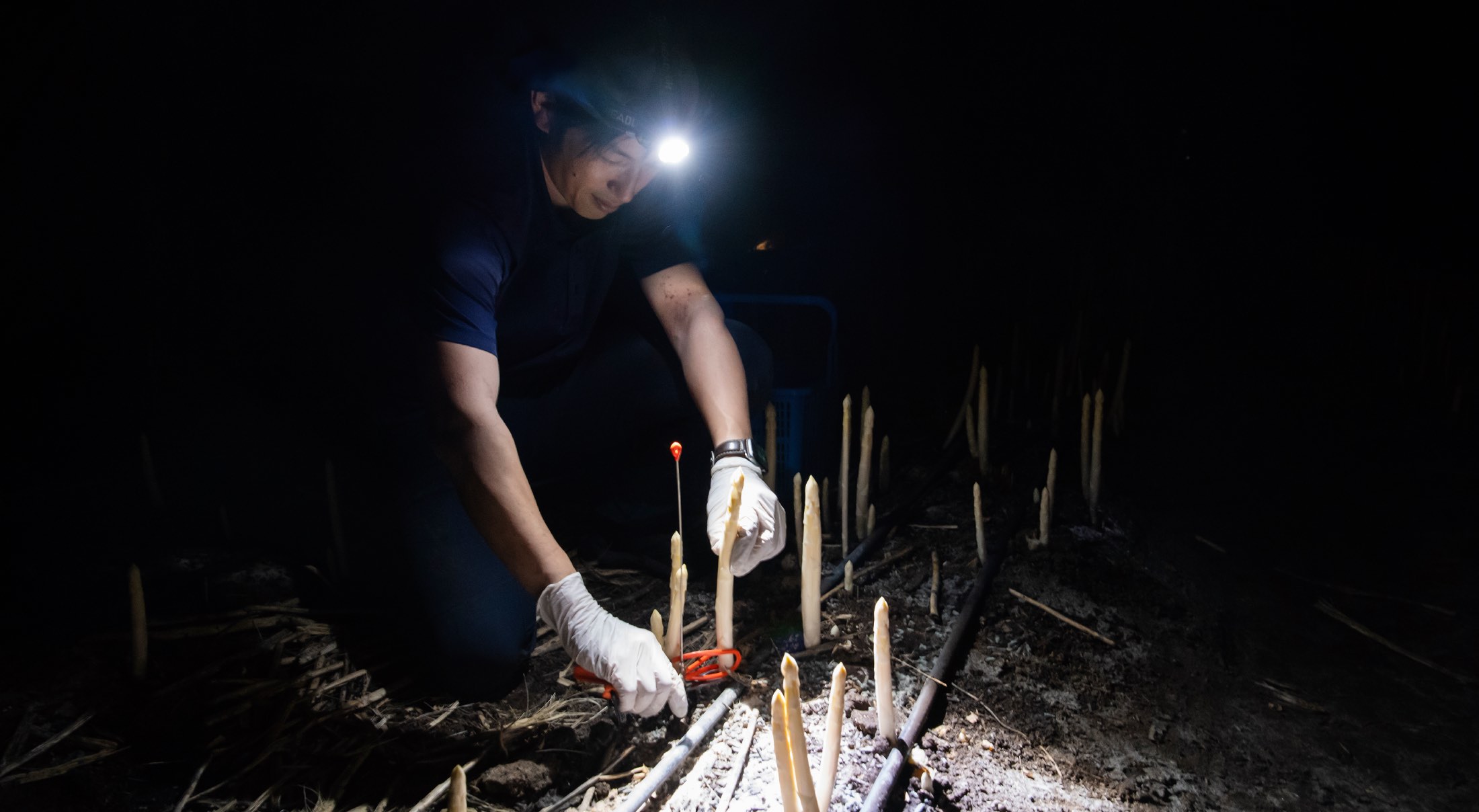
Furano, Hokkaido is known for these earthy white shoots and there is no better way to get acquainted with the region’s speciality than a visit to a small, family-run farm. White asparagus, the farmers tell me, is essentially green asparagus that has never seen the light of day. Grown under layer upon layer of blackout tarpaulin, these shoots are denied the sunlight that would otherwise trigger the chlorophyll that turns them green. It is a labour of love, a tender process in which each shoot is protected and cocooned until it is ready to emerge.
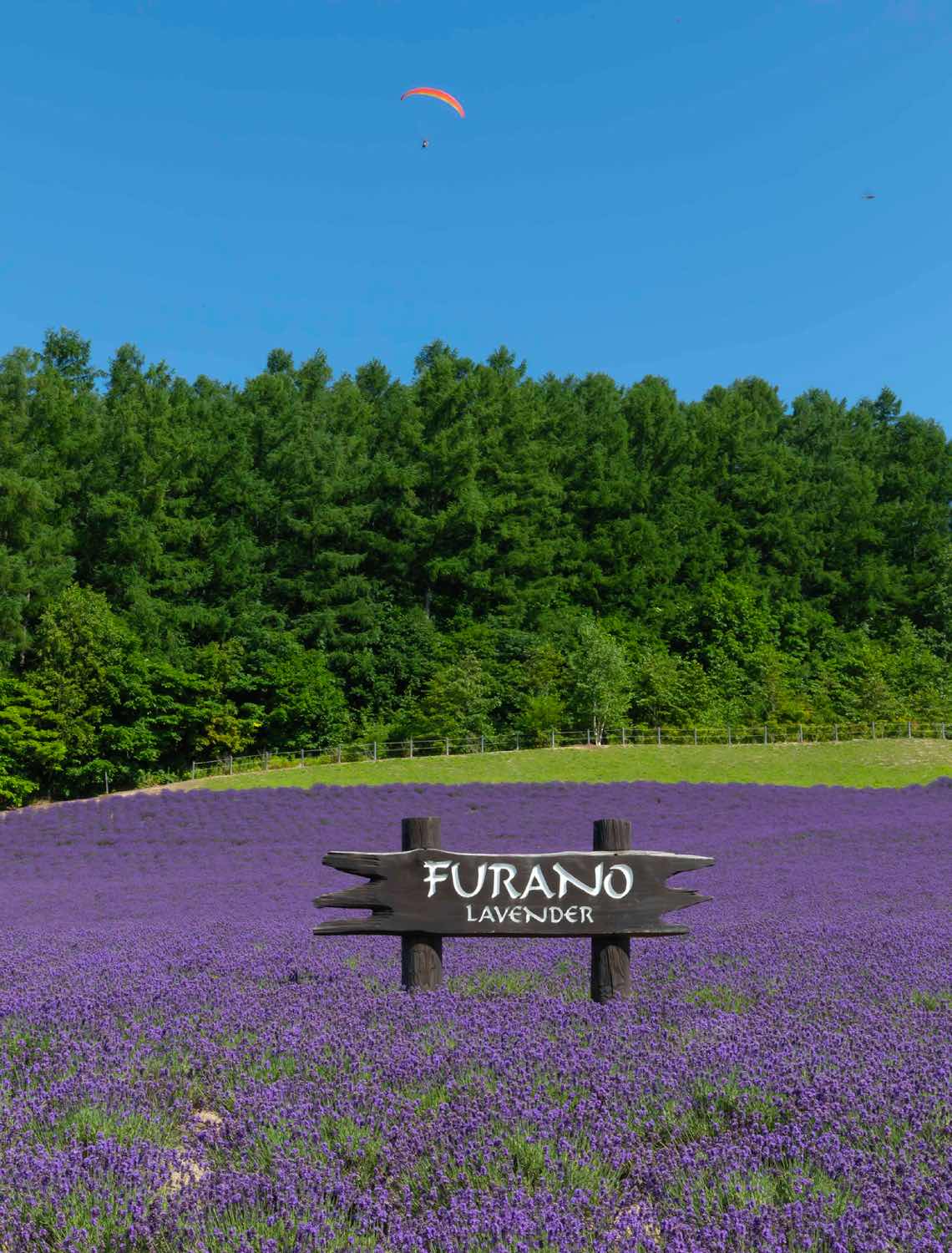
In a way, it mirrors what it feels like to be in Furano. Like these sun-averse spears, those who linger long enough will find themselves sheltered from the outside world, embraced by a warmth that proves difficult to leave behind.
Close to the Heart
Thankfully, Furano conjures this feeling without the blackout tarpaulin or the sweltering heat. Instead, the region achieves it through wide-open fields, crisp mountain air, and a sense of serenity that settles over everything.
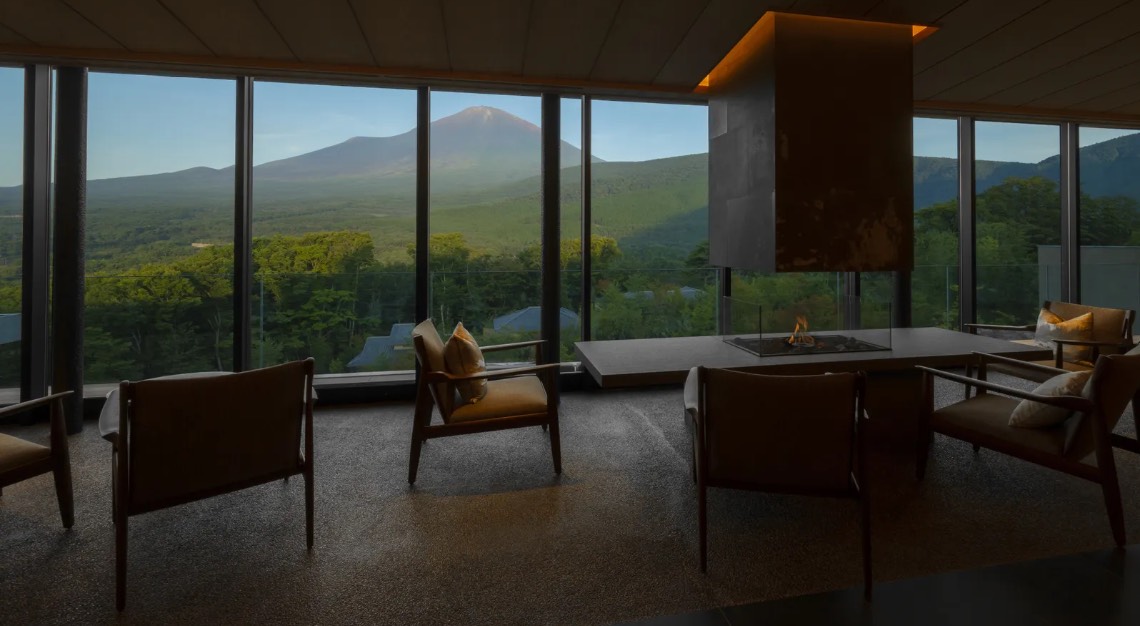
This same sense of comfort follows me back to Nozo Hotel, my home for the next few days. Set a mere 200m from the Kitanomine ski lift, the property is built for adventurers chasing Furano’s famed powder. Yet, stepping into the lobby, it becomes clear that the hotel’s appeal extends well beyond the winter season. Bathed in an earthy palette accented by natural wood, the interiors carry a refined, unpretentious allure, punctuated by local artworks that catch the eye as I move through the space.
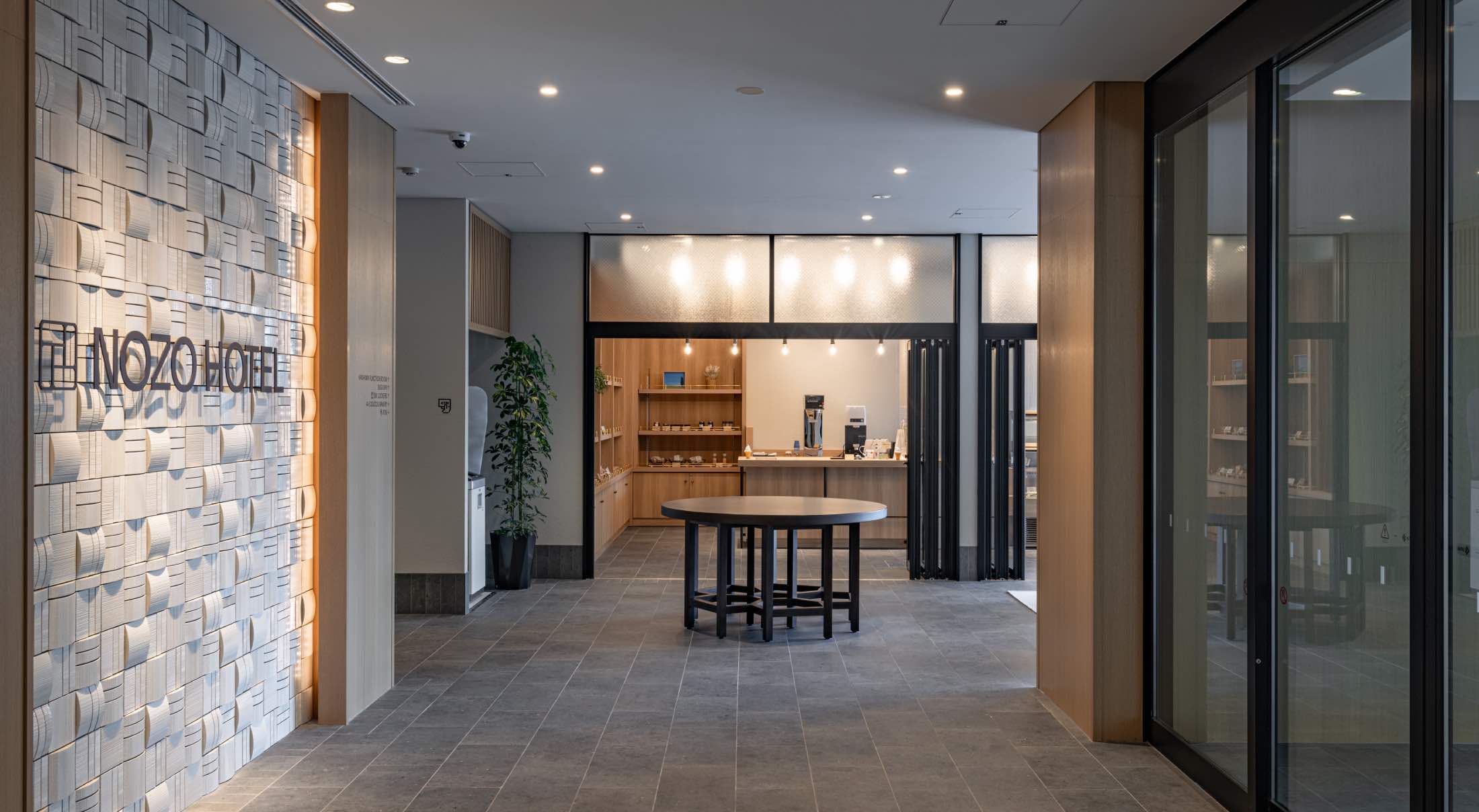
The hotel’s 78 rooms, ranging from the 16sqm Superior Queen to the 49sqm Junior Suite, feel pieced together like a jigsaw puzzle, each element slotted neatly into place. Light woods, muted tones, and cleverly integrated storage keep things warm and uncluttered, while the larger categories open into generous living spaces.
A sense of ease permeates the entire property; staying here feels less like moving through a hotel than wandering the neighbourhood where you grew up. It is hard to pin down the exact source of this feeling, though I suspect the open, communal design of its interior spaces, and the way the staff remember guests and greet them by name each time their paths cross, have plenty to do with it.
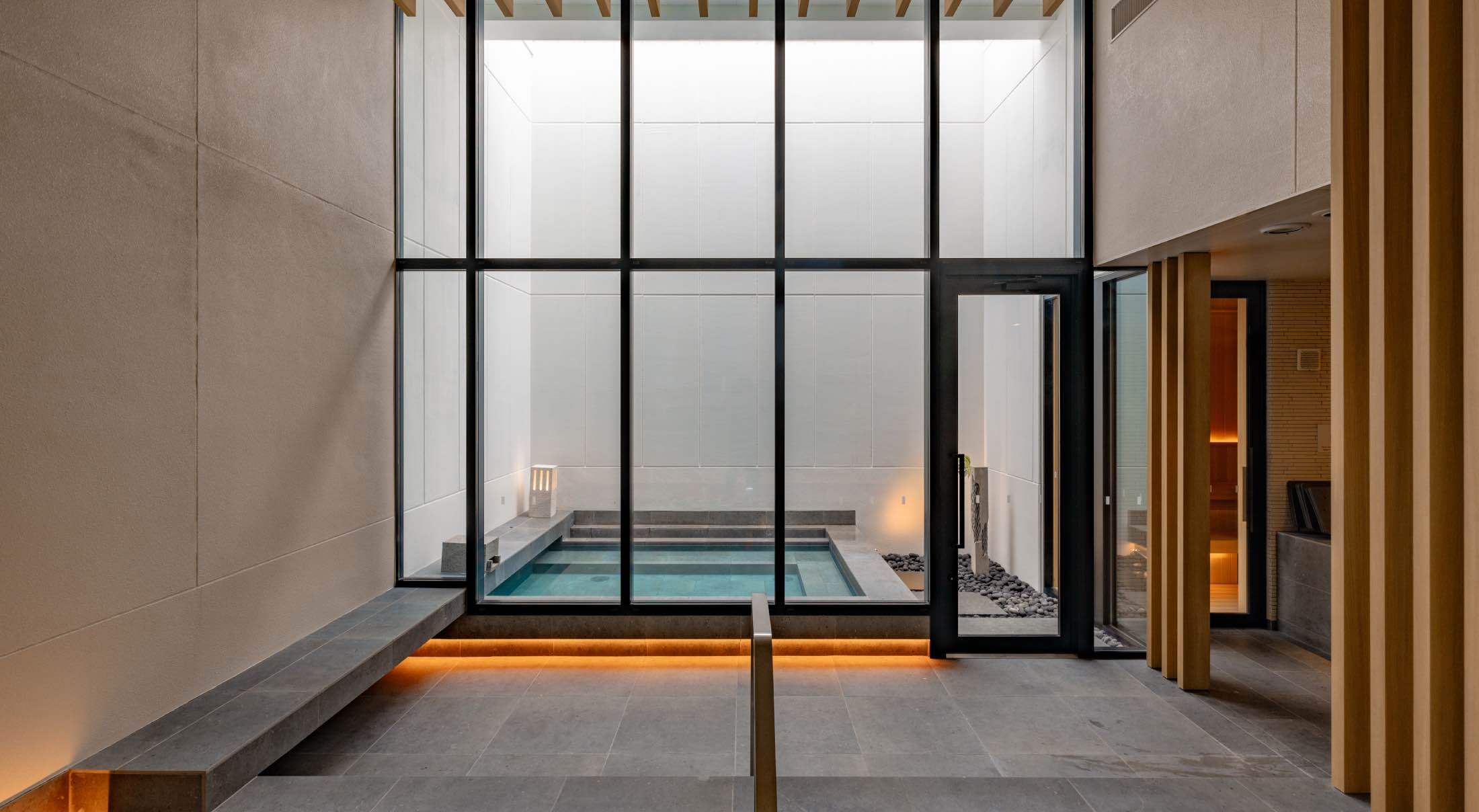
The difference, of course, is that this particular neighbourhood comes with ski lockers, onsen baths, and Coucou, an in-house bakery where the smell of freshly baked bread has a habit of slowing you down on the way out. Best of all is its soft serve. One swirl of the creamy Hokkaido milk confection is enough to have me grinning like a child again.
There’s a Whole World Outside
Furano may be famed for its powder, but the warmer months offer plenty of reasons to venture beyond the slopes. Armed with recommendations from the Nozo team, I set out to discover a different side of the region, one shaped by farms, wineries, and long afternoons spent making things by hand.
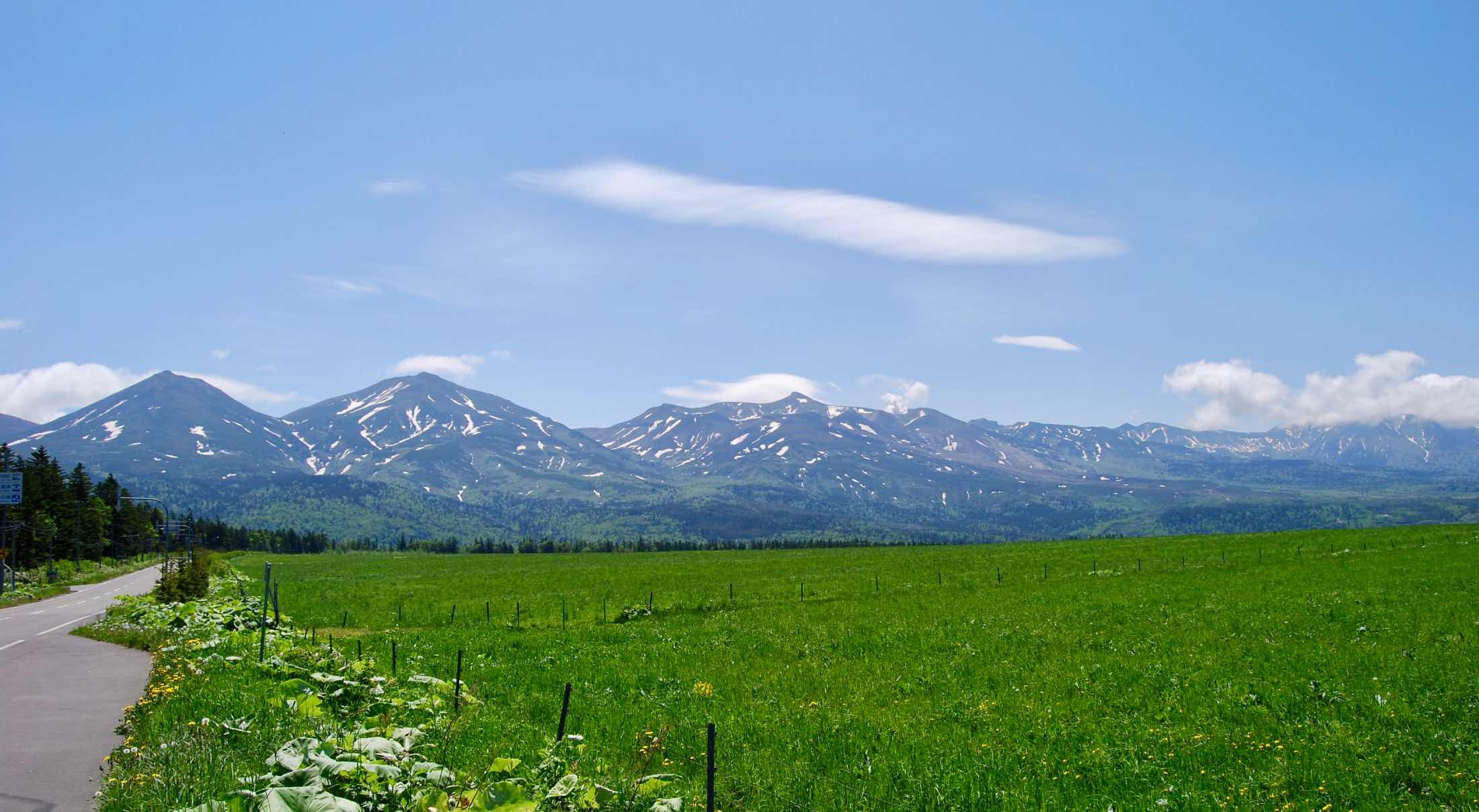
The best way to experience Furano is to meander through it, allowing its natural splendour to reveal itself gradually. The pleasure, I find, lies in the travelling: roads winding past rolling fields of green, mountains hovering at the edge of sight, and the occasional herd of grazing cows.
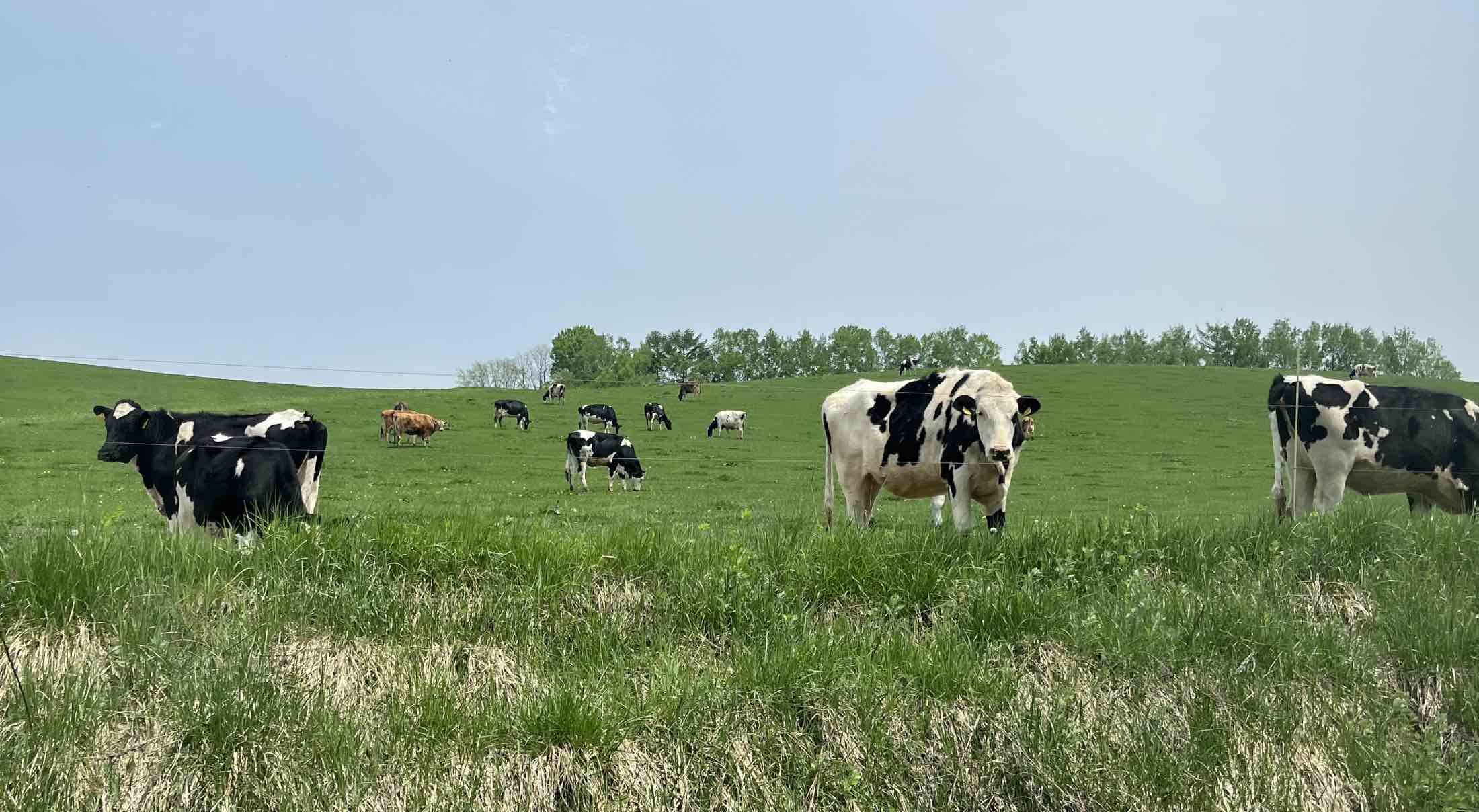
Eventually, the road leads me to Furano Cheese Factory, where local milk is turned into natural cheeses, including a distinctive wine-infused cheddar. Tasting favourites such as squid-ink Camembert is encouraged, but the highlight is pulling on an apron and making my own mascarpone. The process is surprisingly straightforward, though my competitive streak soon has me treating every stir as though a panel of stern-faced judges was watching. By the end, I have a small tub packed and ready to bring home, along with the disproportionate pride of having made something edible from scratch.
This newfound, if ill-advised, confidence follows me to a jam workshop, where I soon find myself standing over a pot of fresh local fruit, stirring as the mixture bubbles, thickens, and takes on a glossy sheen. More than the jam itself, the experience is a reminder of how generous this land can be.
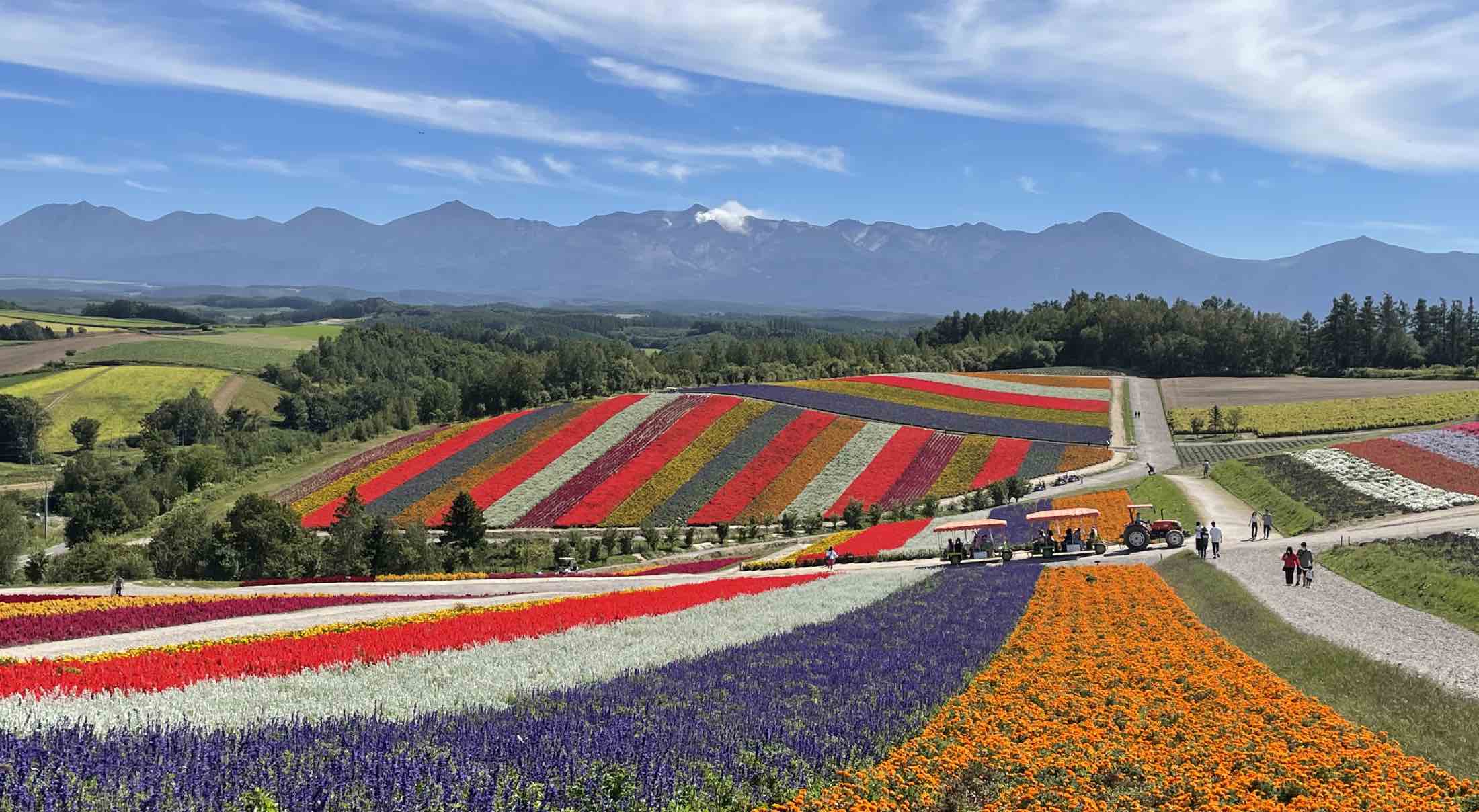
Depending on the season, Furano’s fields yield everything from strawberries, blueberries, and haskap berries to sweet melons, asparagus, corn, and potatoes. For Singaporeans, accustomed to encountering much of our produce only after it has been packed, shipped, and arranged beneath supermarket lights, this inherent bond between land and table can feel like a privilege.
Furano even has its own winery, where visitors can sample locally produced reds, whites, and roses. I am led down into cool, dim rooms, where tanks, wooden barrels, and rows of bottles trace the journey from fermentation to ageing.
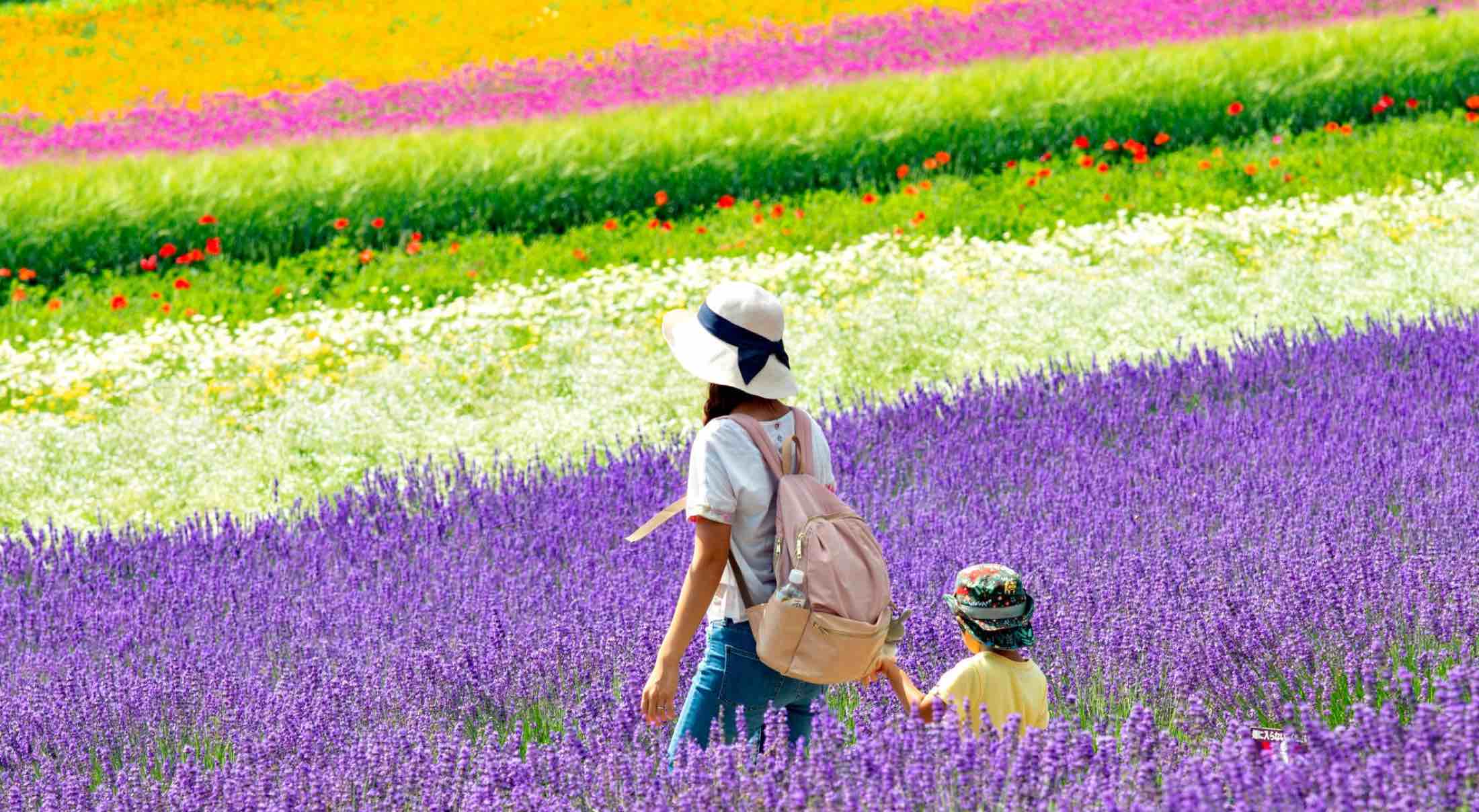
From bottles resting in cool cellars to fields stretching beneath the sun, Furano reveals its riches to those who are willing to explore. Better still, with Nozo as a base, one never has to venture far. A short drive is enough to carry you from the comforts of the hotel into landscapes that feel worlds removed from everyday life. Here in Furano, even the most sun-starved asparagus lives a life worth envying.
This story first appeared in the September 2026 issue. Purchase it as a print or digital copy, or consider subscribing to us here