The renowned architect and watch enthusiast Paul Noritaka Tange shares the pleasures and life lessons he has drawn from a lifelong passion for horology
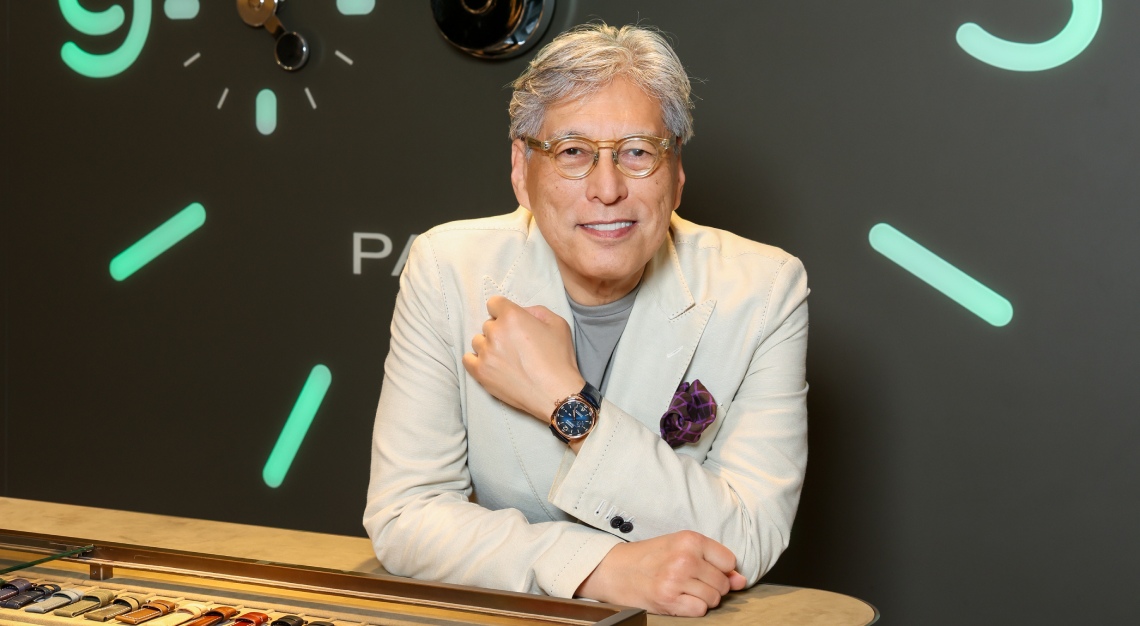
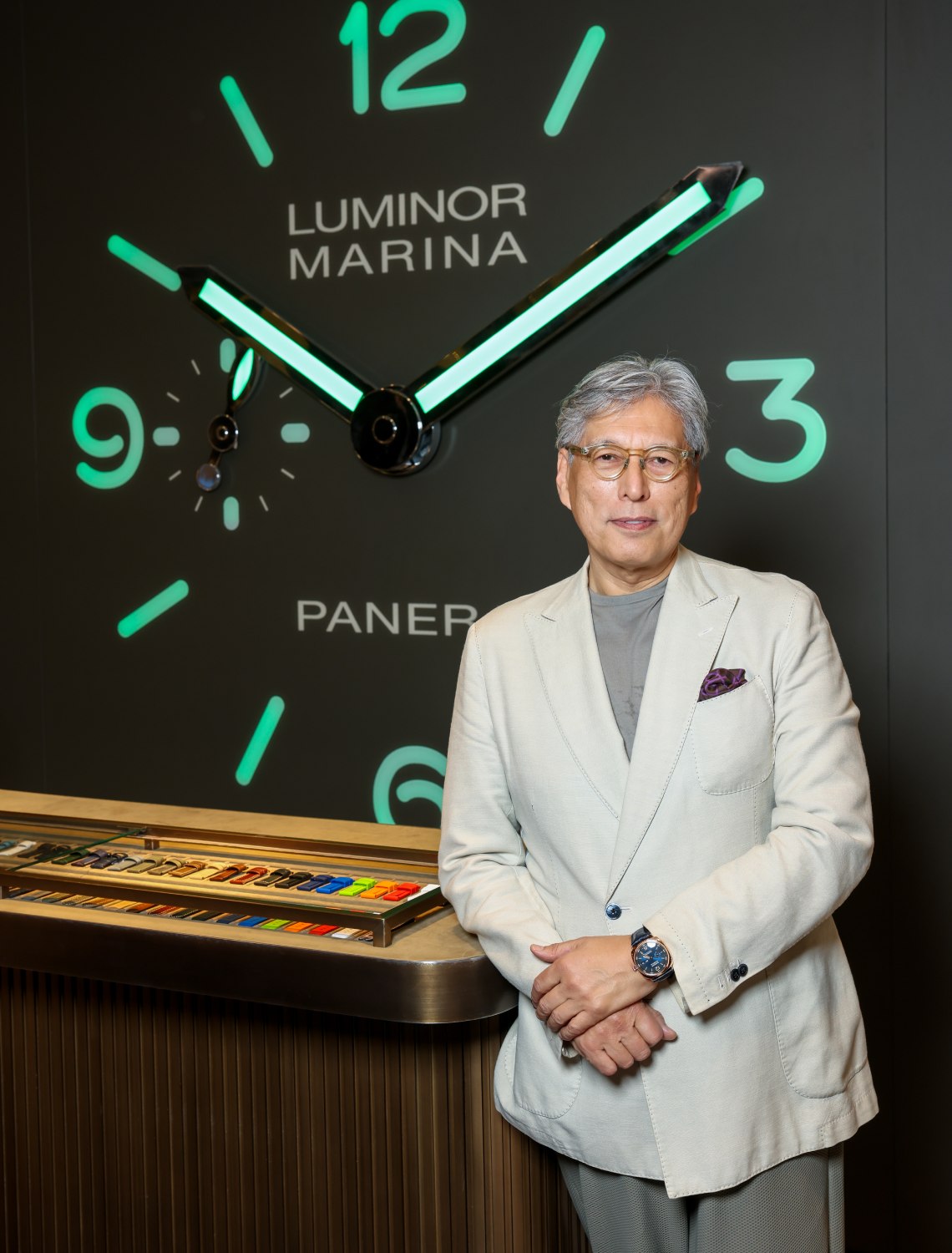
Collecting a luxury watch that you’ve been waiting a long time for always calls for celebration. Even so, we have never seen anyone do it better than Paul Noritaka Tange. The esteemed Japanese architect was in town earlier this year to collect a personalised Panerai watch at its boutique in ION Orchard, and the occasion somehow evolved into a mini party replete with plenty of hugs, laughter, champagne, and even a couple of Tange’s friends lining up their schedules to drop by the store, catch up, and collect their own purchases.
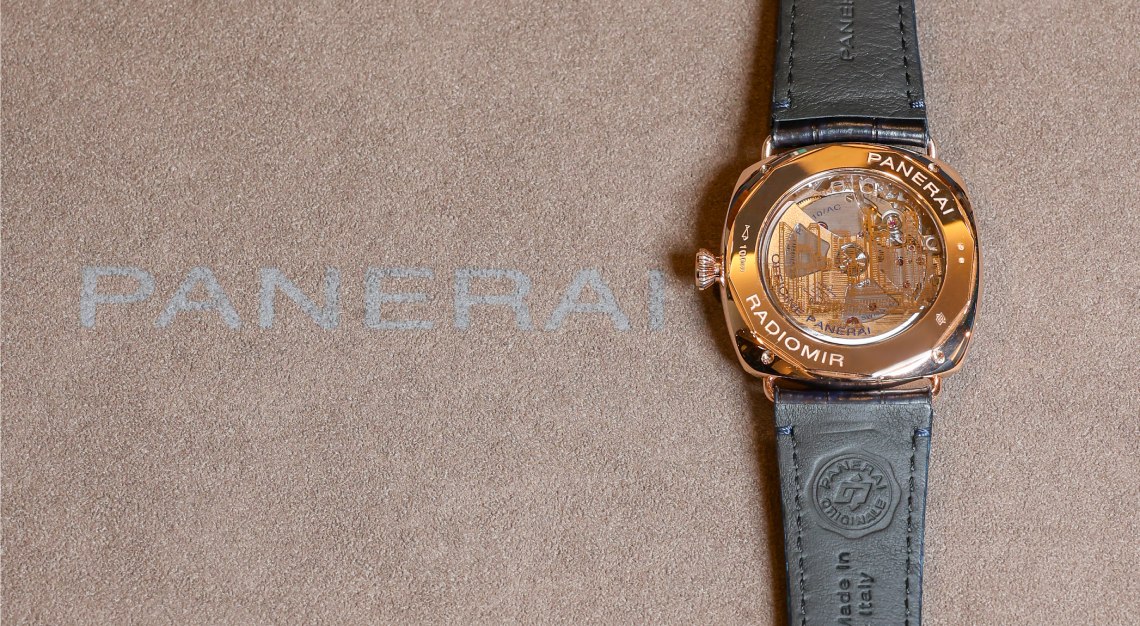
Amid the conviviality, the day’s star attraction was a gleaming pink gold watch. The Radiomir Annual Calendar PAM01763 displays the time and date on a crisp navy blue dial, and automatically computes the differences between months with 30 and 31 days. What makes this piece truly special, however, is the story of an intergenerational bond it tells. The watch’s custom caseback features an engraving that depicts the skyline of Singapore’s Central Business District, shaped by two generations of the Tange family. In the scene are One Raffles Place Tower One, designed in 1986 by the late Professor Kenzō Tange, alongside One Raffles Place Tower Two, completed in 2012 by Paul Tange.
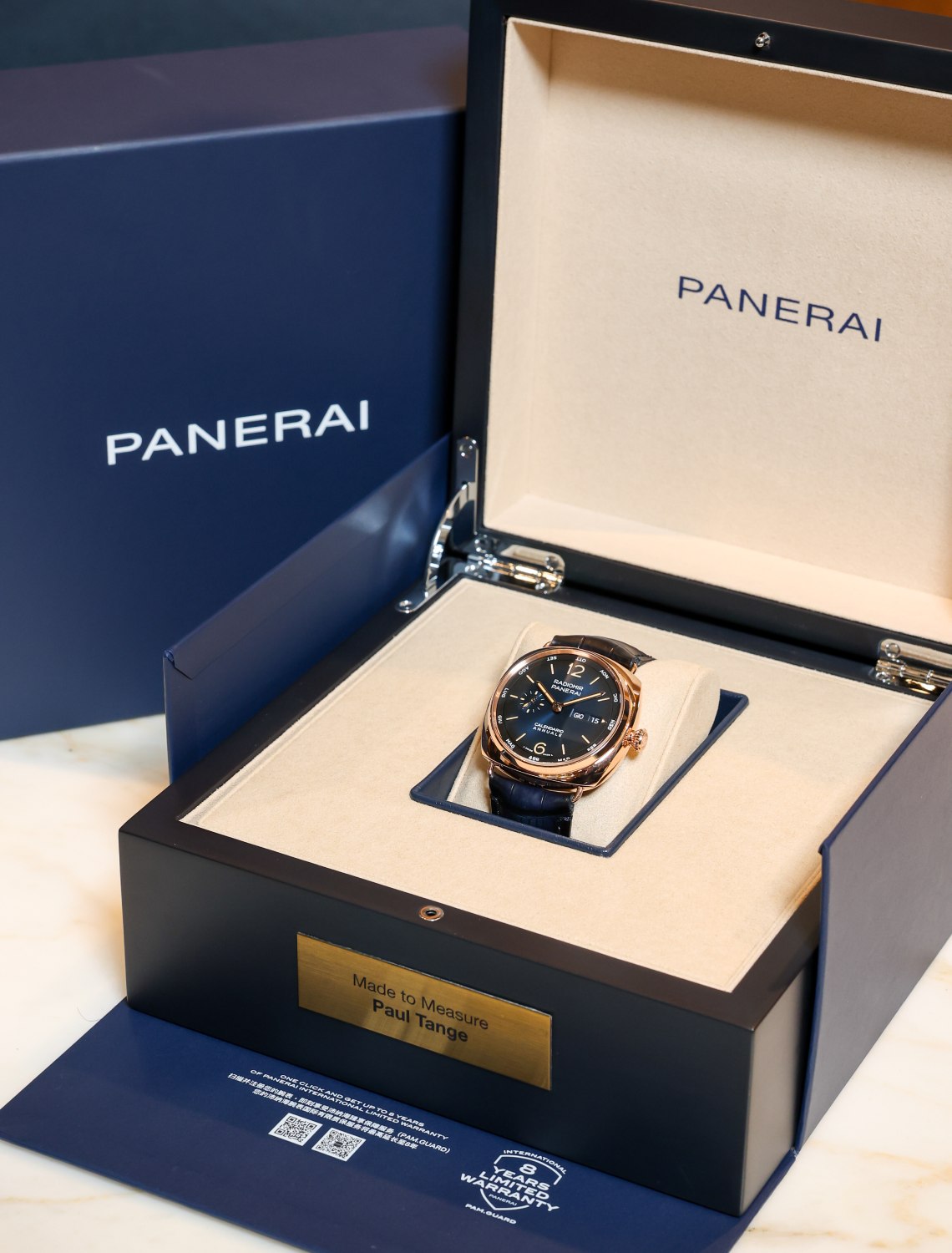
“Every watch that I have owned or was gifted to me is special. But this Panerai holds extra meaning for obvious reasons. When I was told back then that there was an opportunity to create this watch, you can imagine how wide my eyes and ears opened,” said Tange.
Besides sharing the same profession as his father—recipient of the 1987 Pritzker Prize, the ‘Nobel Prize of architecture’, and one of the most famous architects of the 20th century—Tange also inherited his love for watches. The affable 68-year-old recalls with fondness his father gifting him watches that marked milestone moments from youth to adulthood, as well as the times the elder Tange would bring him to meet his fellow watch enthusiasts.
While Tange’s own tastes and desires have evolved over time, what hasn’t changed is how he ties every timepiece he has ever owned to a person or memory. “Making connections,” he explained. “This is what makes watch collecting truly enjoyable and precious for me.”
What is a key memory of getting into watches with your father?
I remember travelling to Singapore with my father when I was young, and he asked Dennis Lee Kim Yew, a lawyer for our family, to recommend him a place to buy watches here. Lee connected my father to Sincere Watch. We went to the store, my father bought a watch for himself and another for me. You could say that was the beginning of a long love affair with watches for us.
How did you come to like Panerai?
It was in the late 1990s. I had begun to like watches a fair bit at that time, and it was around that period where Panerai was starting to gain prominence under the stewardship of its then-CEO, the late Angelo Bonati. The trend then still leaned towards dressier styles, and Panerai’s watches were big and dominant. There was nothing like them. Anyway, I happened to be in Florence for work during that period, and I saw the boutique and walked in.
People often find similarities between the fields of architecture and watchmaking. Do you feel that way?
Certainly, both professions share a very close philosophical background. We work within a physical space that we are given, and sometimes these spaces are very limited. So, we both have to be creative to find the best aesthetic and functional solutions for the user, while giving the piece of work some kind of emotional resonance.
How does this hobby inform your work?
I really respect watchmakers who are creating art on such an intricate level, and I am trying to be an architect at the same level. Like how watches have evolved technically and aesthetically, I recognise the need to adapt to changes. Architects of today need to understand the different technologies that are available to us, or cultivate new perspectives and uses for materials.
How have your tastes in watches evolved?
It has changed, for sure. I have changed, myself, so this is natural. I used to like complications a fair bit, but I tend to go for simpler designs these days. And in a smaller size, too. I mean, even Panerai has started making watches in a wider variety of sizes.
Ultimately, what do you enjoy most about collecting watches?
I’ve also made so many friends and memories through this hobby. It is about making connections and ascribing meaning into the watches that we have. This Radiomir Annual Calendar is one example. Another one of my favourite watches was a gift from Jackie Chan. It wasn’t an expensive watch or anything, but he told me, “Whenever you wear this, I am with you.” What a feeling, right?
Also, the conversations with watchmakers themselves. I am blessed in my watch collecting journey to have met several legends of our time, and what I get from them is that everyone is unique in their own way. Each has their own philosophy of what time and time-telling are about, and that is so inspiring.