
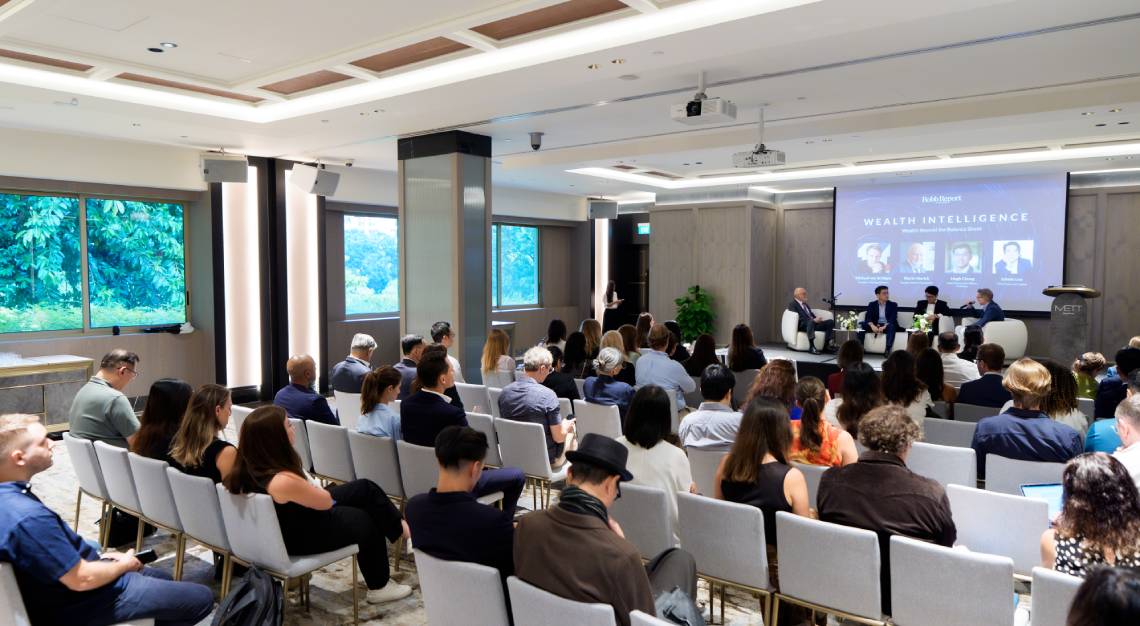
Earlier this month, industry experts and Robb Report Singapore’s 2026 Thought Leaders gathered at Age of Intelligence to examine the forms of intelligence that machines have yet to master: wealth, creative, and emotional
In 2026, “intelligence” increasingly means artificial intelligence. Yet the forces that shape power, influence, and success remain distinctly human.
That idea framed Age of Intelligence, which concluded Robb Report Singapore’s October Power Issue on 2 November. In the Junior Ballroom at Mett Singapore, C-suite executives, founders, investors, and creatives from the magazine’s Thought Leaders community gathered around a single question: which forms of human intelligence can AI not replicate?
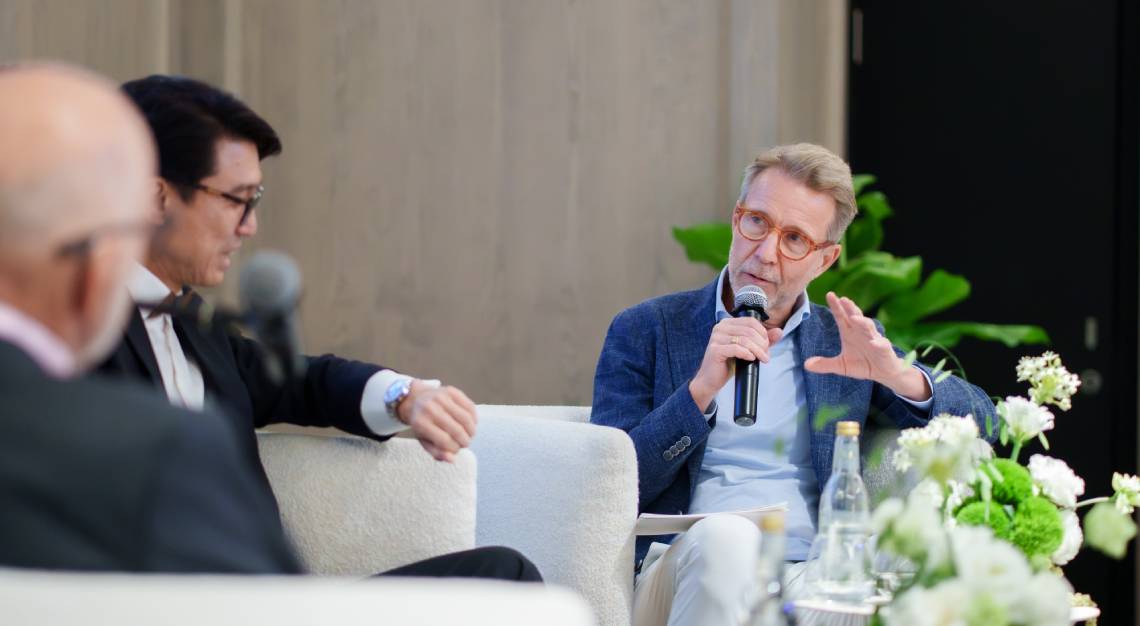
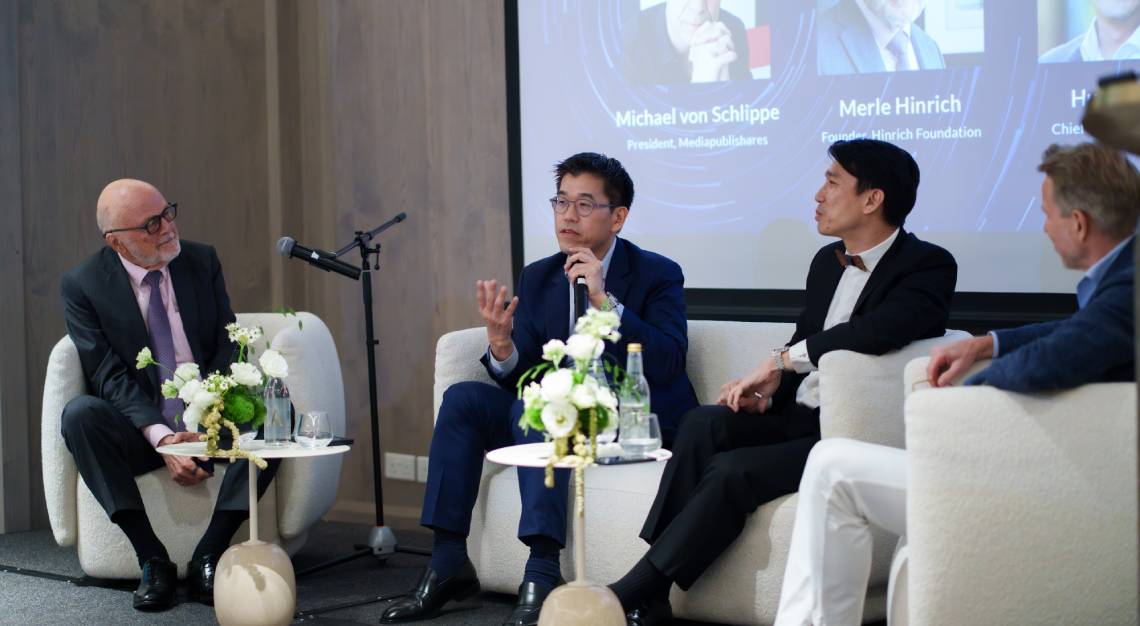
Wealth intelligence
The first conversation turned to stewardship, the discipline of preserving and growing what has been built. Much of the analysis, the panellists agreed, already belongs to AI. “Buying or selling is just one part of it,” said Hugh Chung, chief investments officer at Endowus. “A lot of it is just sticking with the client during that journey.”
Meanwhile, Edwin Lee, CEO of Covenant Capital, drew a line between emotional and relational intelligence. “The ability to connect, to understand, and even to empathise—AI can do that. But with the relational aspect, there’s a gap, and I think that’s trust. What makes up trust?” probes Lee. “Competence, reliability, credibility. But one of the other important aspects of trust is the willingness to let go of self-interest.”
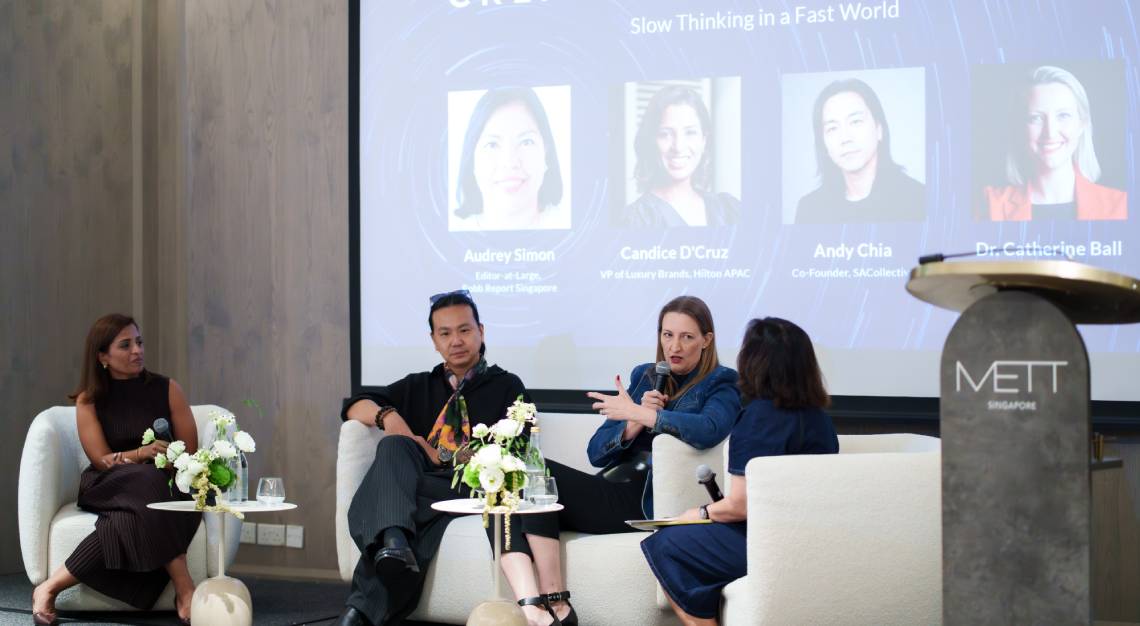
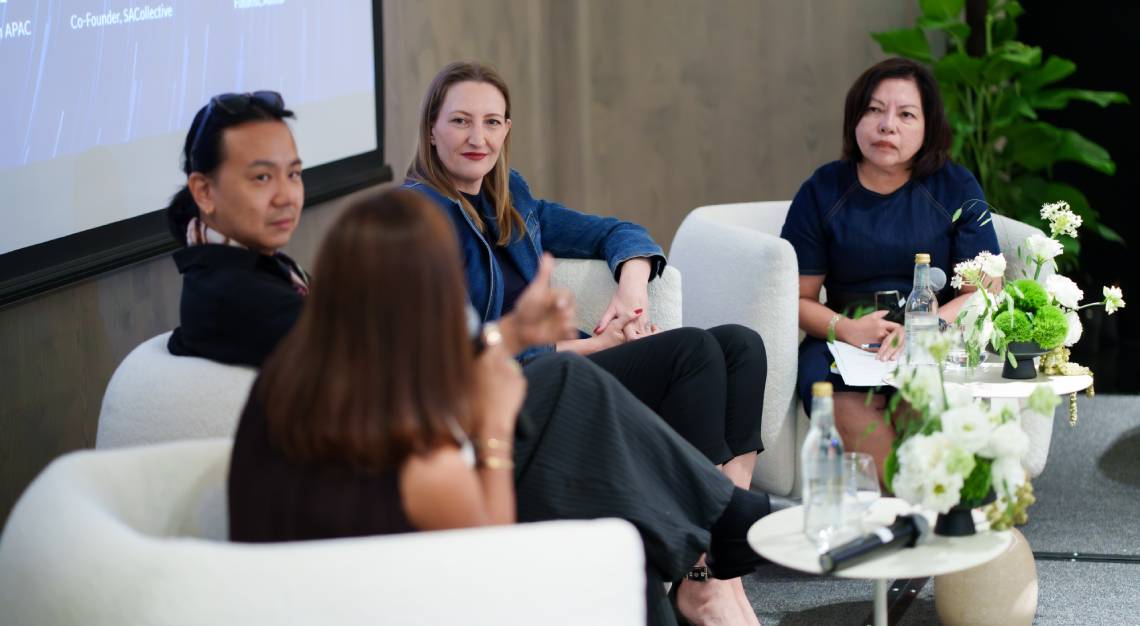
Creative intelligence
Taste and judgement came next, along with a case for slowing down. “We live in a world where everything is urgent,” said Candice D’Cruz, vice president at Hilton Luxury Brands, APAC. “How do you differentiate urgent from important?”
The discussion soon arrived at the pen. Recalling the birth registration form a late, estranged parent had once signed, Dr Catherine Ball, author and scientific futurist said: “My father signed me into existence. He didn’t type me into existence; he didn’t email me into existence.”
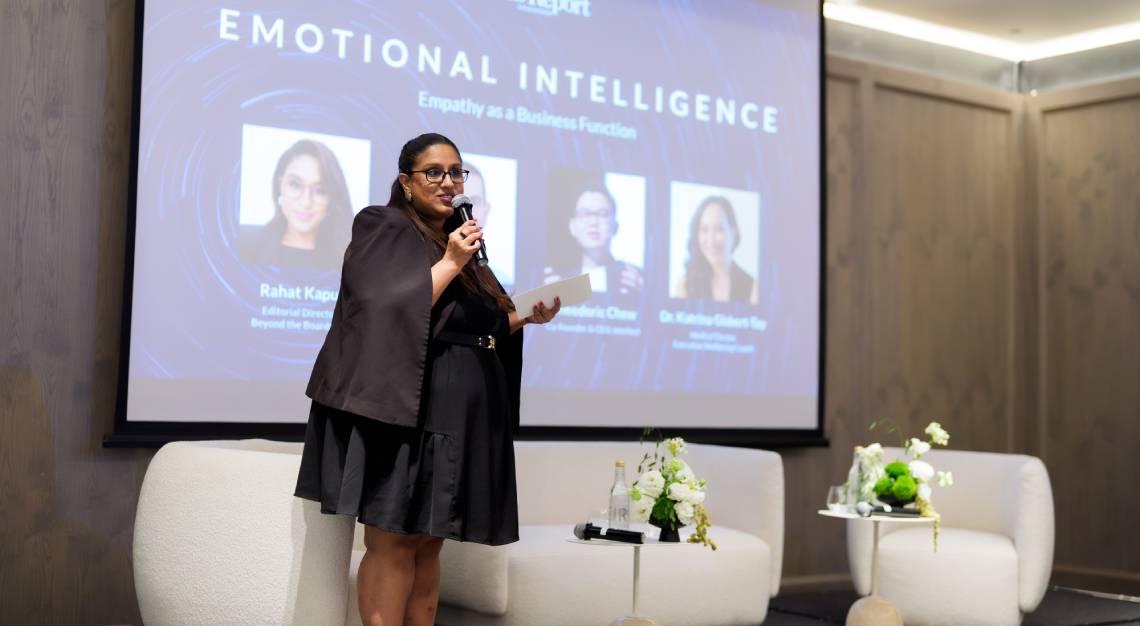
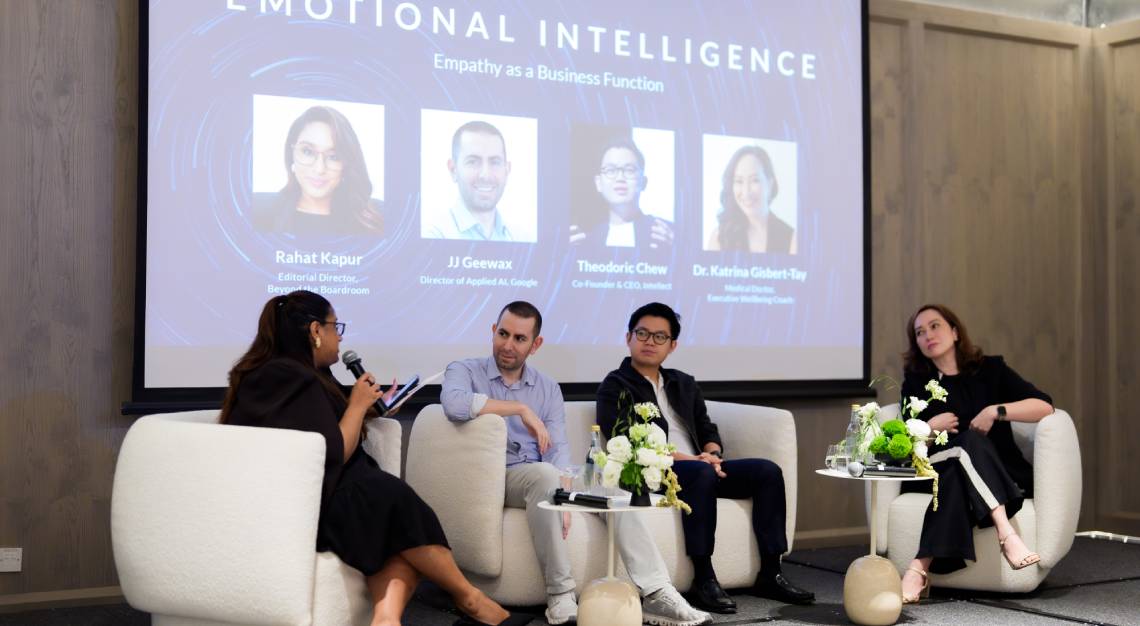
Emotional intelligence
The final session traced how empathy has moved from soft skill to measurable leadership competency. “A lot of people think that being a leader is about knowing,” said Dr Katrina Gisbert-Tay, medical doctor and executive coach. “But because of AI, this knowledge just becomes cheaper.” What remains is presence: “Are you able to pick up on the silence that comes in when you enter a room? That silence, that quiet; that’s the data.”
Rather than end with predictions, the afternoon left guests with a question to carry back to the boardroom: which of these capacities are they cultivating, and which are they handing over?
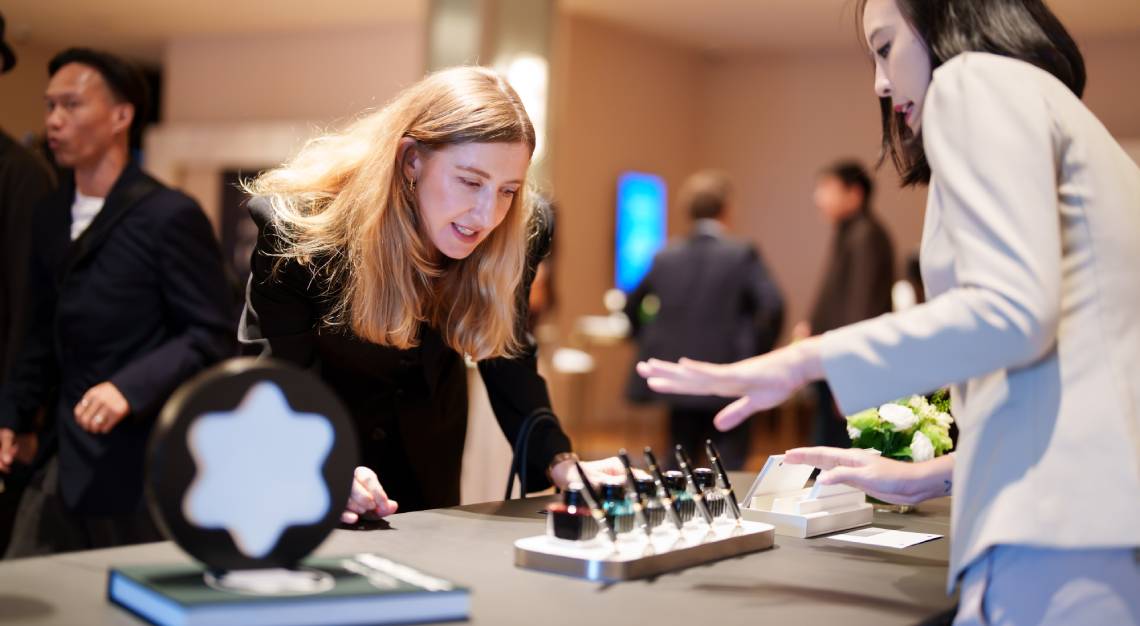
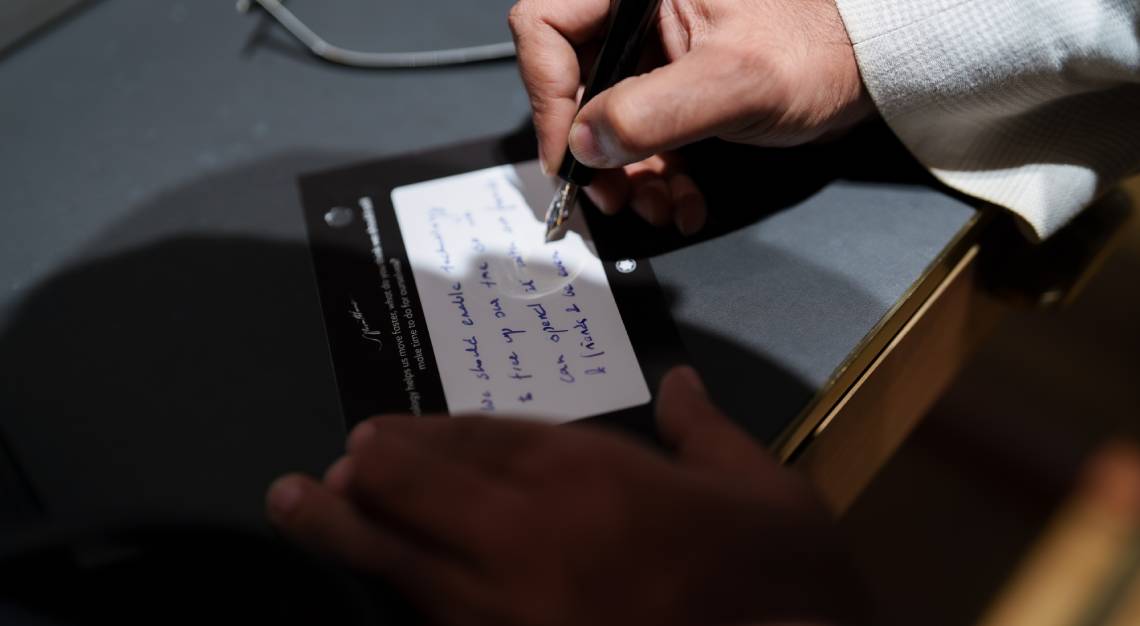
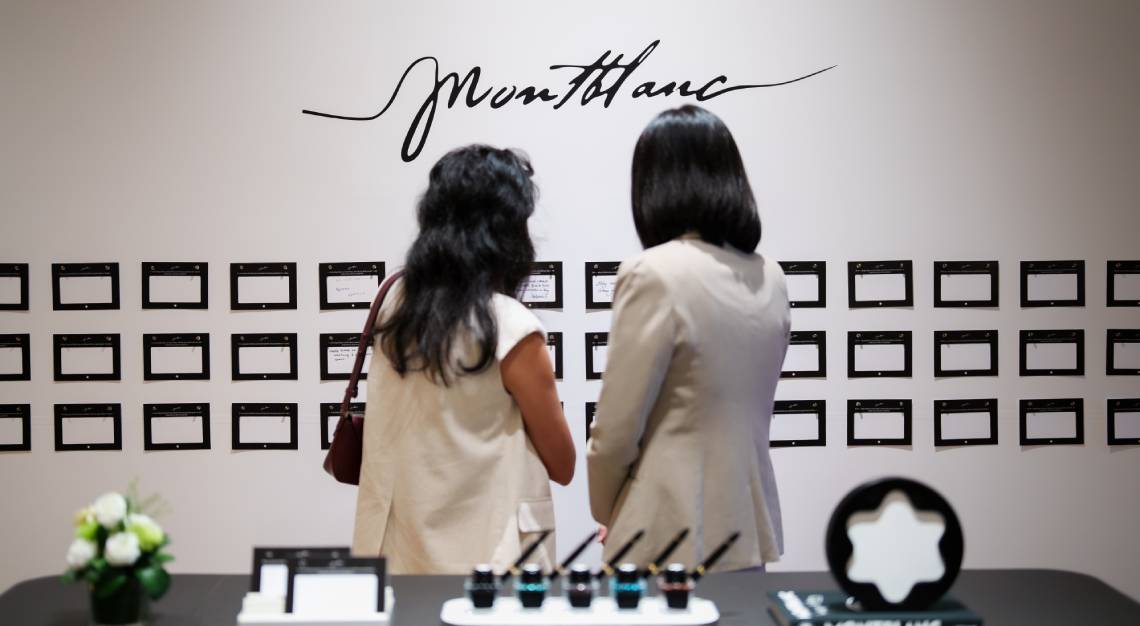
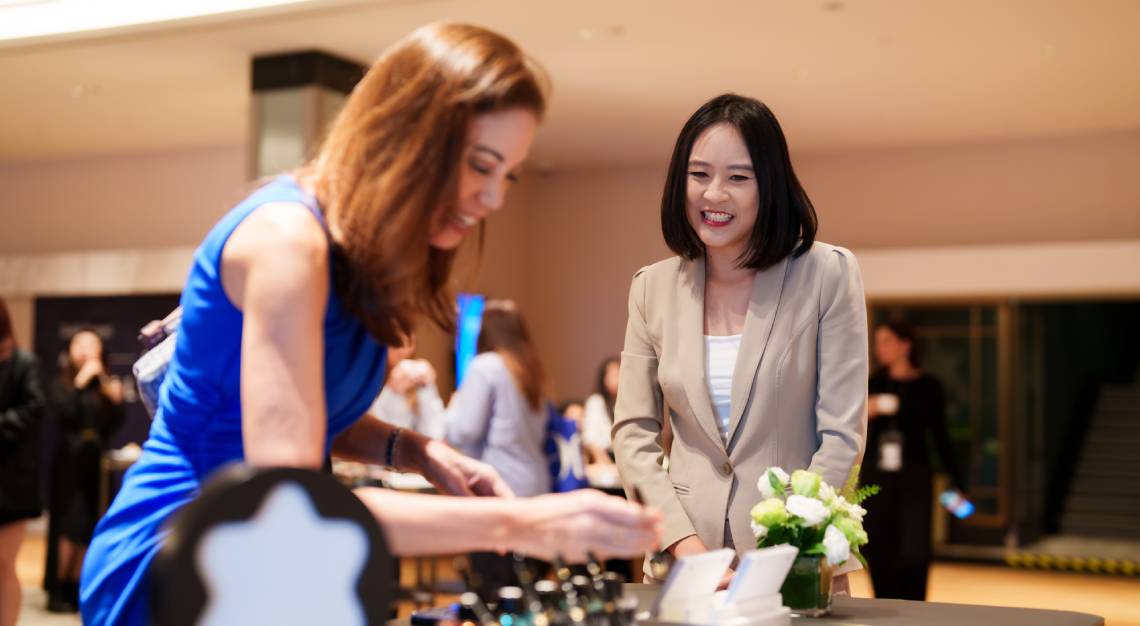
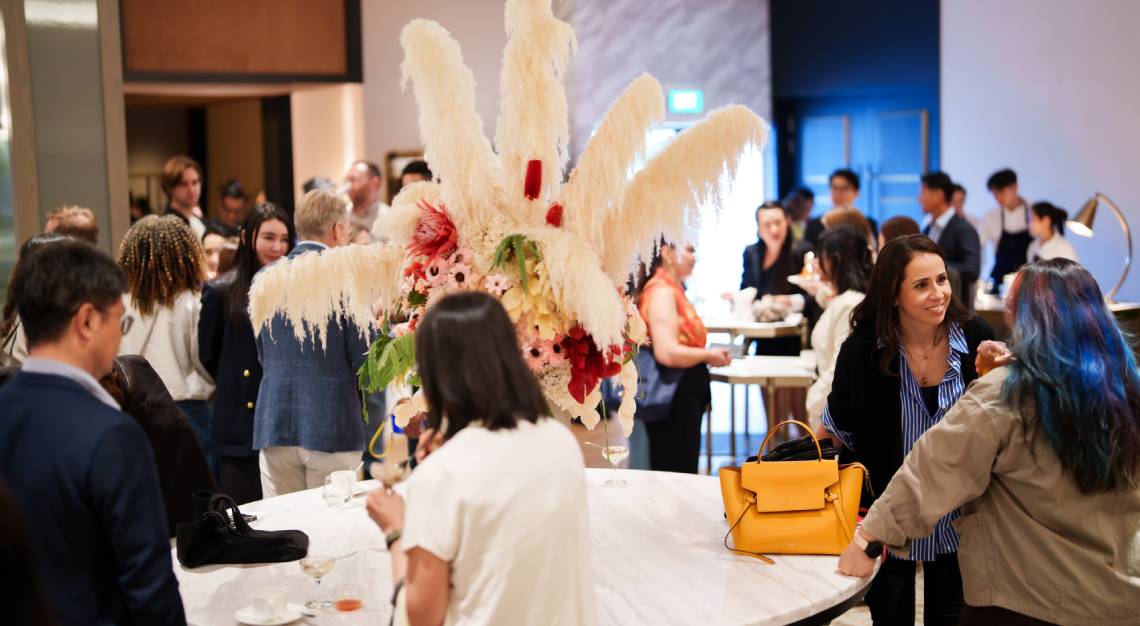
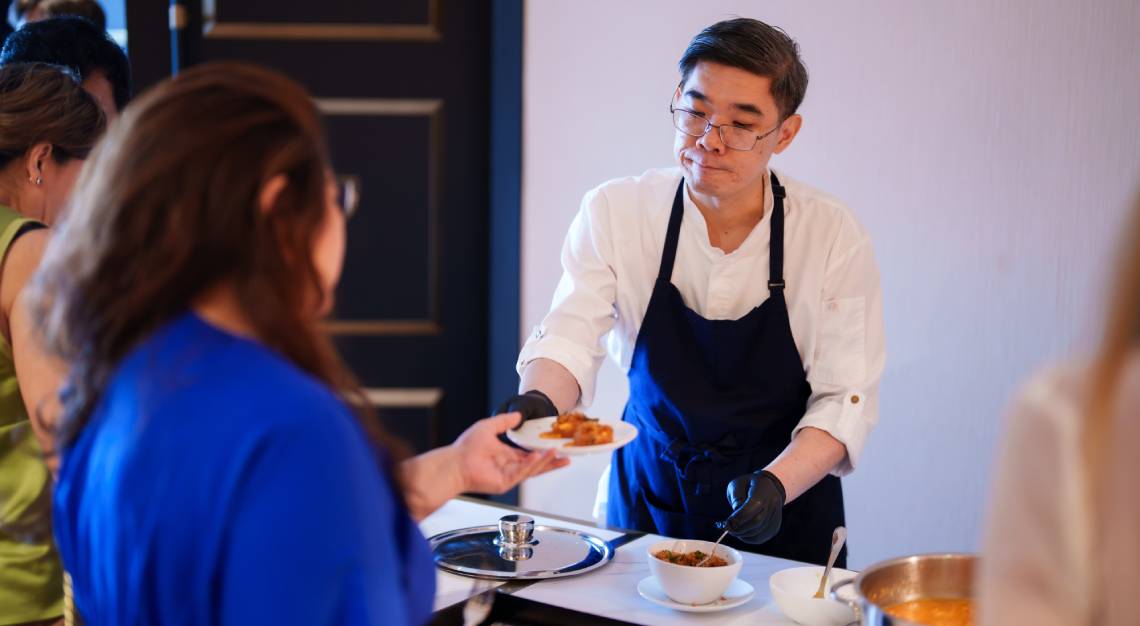
Between sessions, conversation carried over to the floor. Mett Singapore kept the afternoon well fed with decadent canapés, while event partner Montblanc set up a writing station where guests could try the maison’s pens and leave behind words of wisdom of their own. After a panel spent in praise of handwriting, the station found plenty of willing hands.
On stage, the speakers settled into furniture by Furniche. Around the ballroom, florals by Gentle Hour, a local botanical studio, offered an organic counterpoint to the talk of algorithms.