It’s pronounced “one one”, not “eleven”
That was the first thing I learnt about the Avatr 11; nothing to do with batteries, range, screens, or how quickly it gets to 100km/h. It was a pronunciation lesson, delivered with the kind of gentle firmness that suggests this has gone wrong one too many times before: the “11” is to be read as “one-one”.
It sounds like a small inconsequential detail, but it’s also a neat summary of the car itself. The Avatr 11 isn’t trying to feel like a sequel to something you already know. It’s trying to establish its own language—one where luxury is sculptural, digital, and quietly confident.
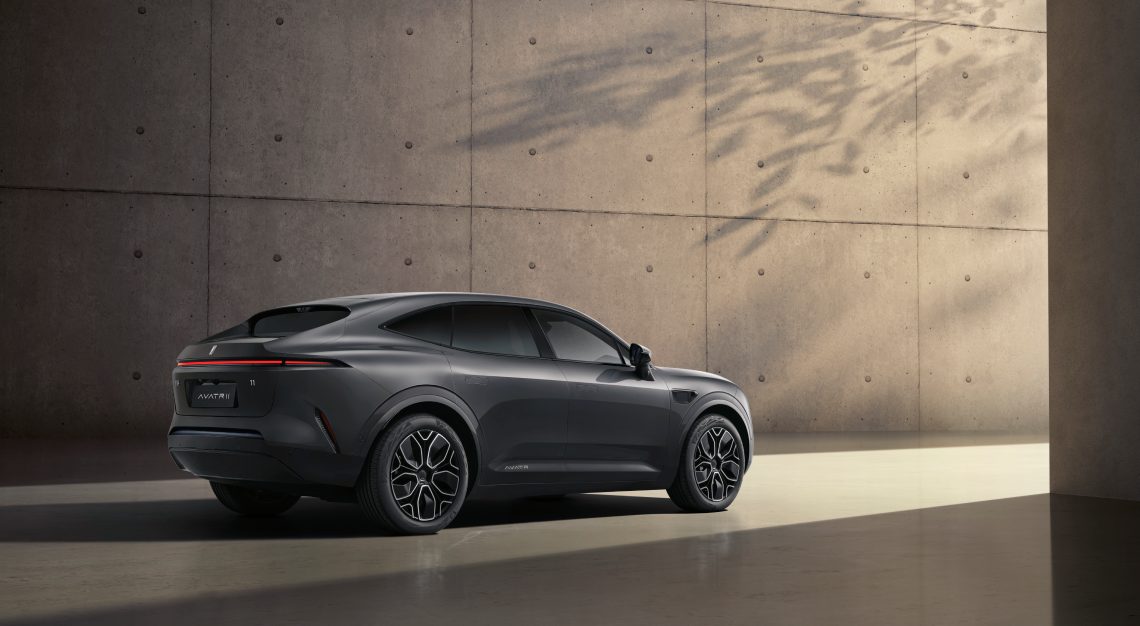
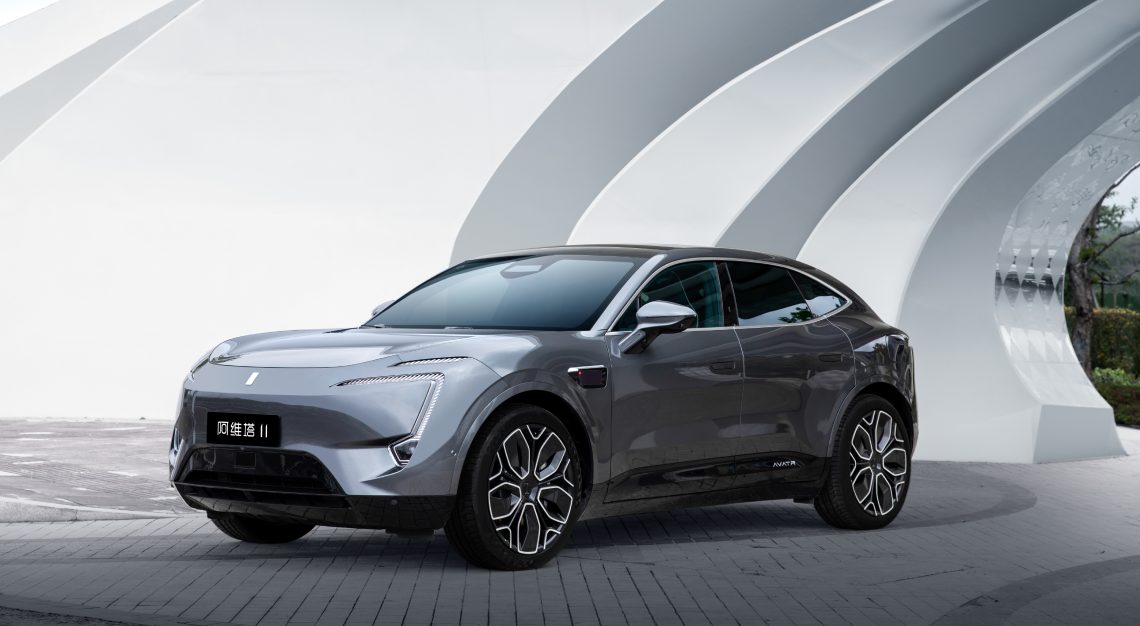
Visually, it helps that the 11 looks like it was designed with a ruler, a wind tunnel, and a slight disregard for convention. Designed in Munich by Nader Faghihzadeh, the Avatr 11’s flowing silhouette and clean surfaces lean into that “concept car, but make it daily-drivable” energy, right down to the frameless doors and flush electronic handles. The brand calls it a new era of luxury; I’d call it a car that makes most other SUVs look like they’re still dressing for last season (it really doesn’t look like most of the Chinese electric SUVs currently crowding the roads right now). It’s also a 2024 Red Dot Design Award winner, which feels believable the moment you walk around it.
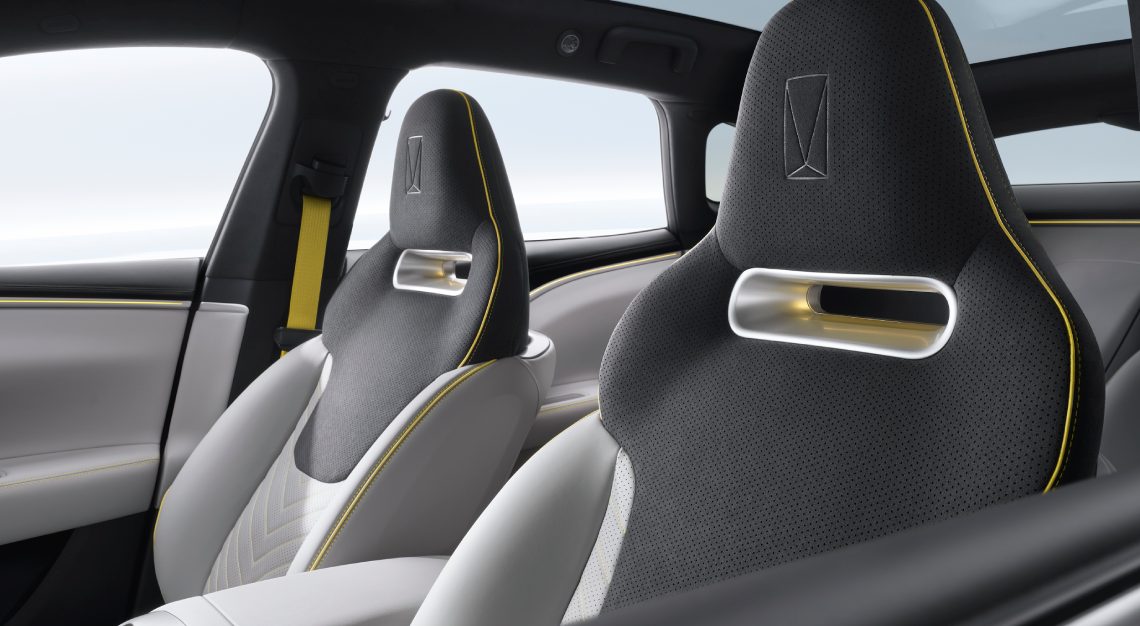
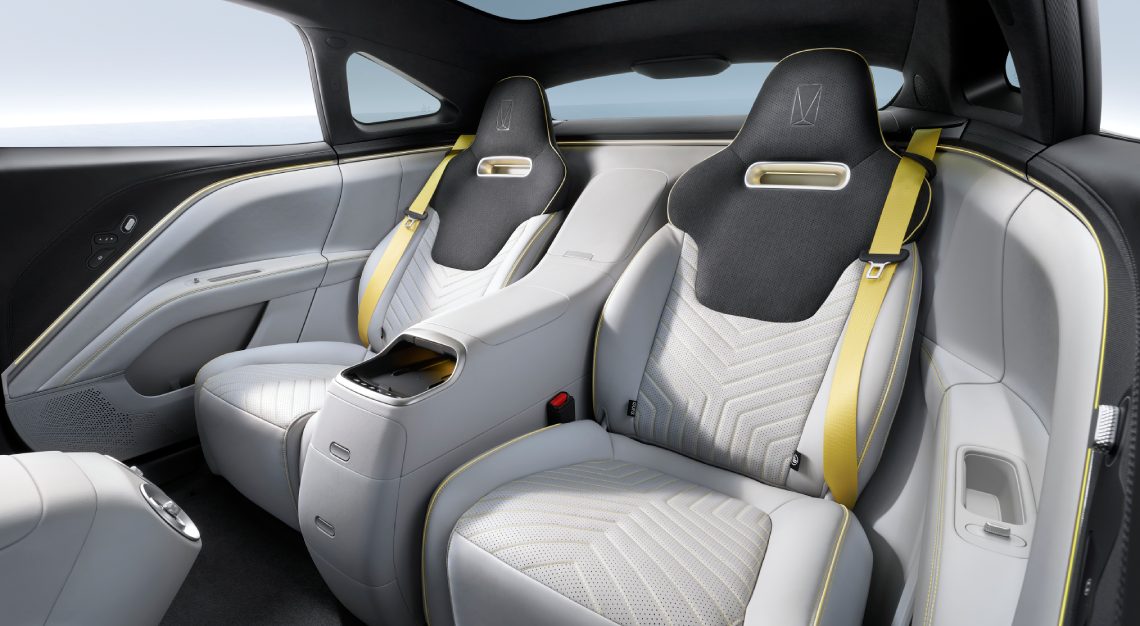
Step inside and the Avatr 11’s real personality shows up. The cabin is wrapped in Nappa leather, with a wraparound, cockpit-like layout and a three-screen set-up: a 15.6-inch central display, plus a 10.25-inch driver display and 10.25-inch passenger screen. The front seats are “zero-gravity” style (translation: unapologetically lounge-like), with heating, ventilation, and massage functions designed to make you feel as though you’ve booked a better class of commute.
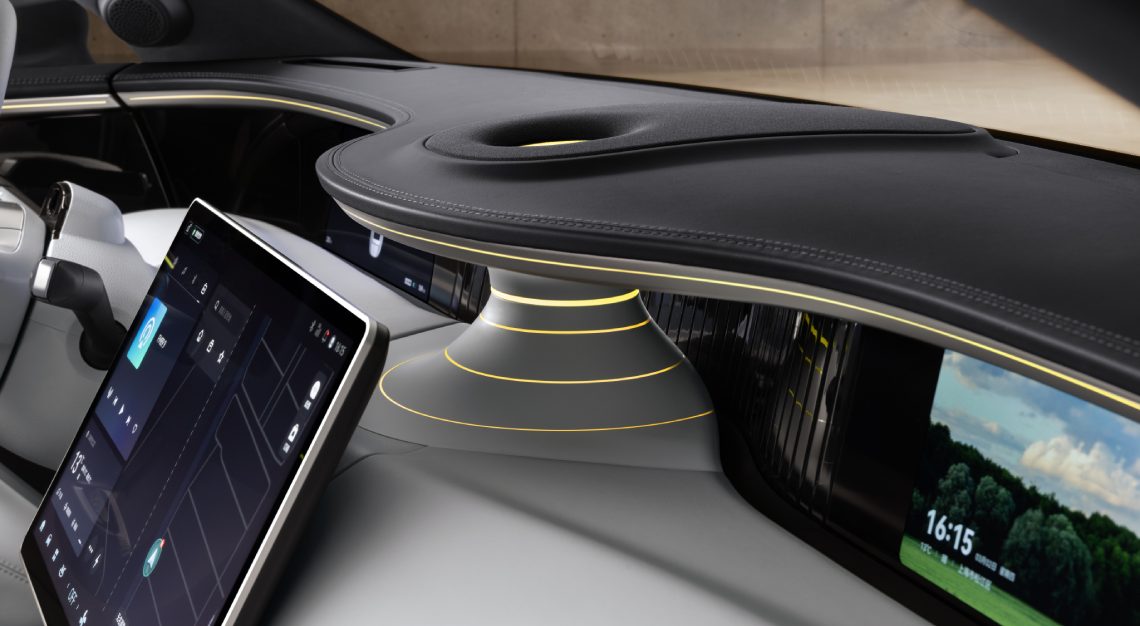
Then there’s the audio, which is one of the easiest luxuries to appreciate immediately. The Avatr 11 comes with a 25-speaker Meridian sound system, paired with the brand’s own very poetic language about immersion and high-fidelity listening. Whether or not you care about the patents and proprietary tech, the outcome is simple: it’s the kind of system that encourages you to take the long way home, or sit in the car long after you’ve pulled into a lot, purely so you can finish the song.
On the move, the Avatr 11 isn’t trying to be a neck-snapping EV–at least, not in the variants outlined in your materials. In Singapore, it’s offered in two rear-wheel-drive variants: a 90kWh Standard Range, and a 116kWh Long Range. Both are rated at 230kW and 350Nm respectively, with the Standard Range doing the century sprint in 6.6 seconds, and the Long Range in 6.9 seconds. In other words, they’re decidedly brisk enough, confident, and very easy to live with.
Range and charging are, predictably, part of the pitch. The Standard Range is quoted at up to 475km WLTP, while the Long Range goes up to 600km WLTP. With 240kW DC fast charging, the 90kWh battery is stated to go from 30% to 80% in 15 minutes, while the 116kWh takes 25 minutes.
If the AVATR 11 has a headline, it’s this: it’s less about being shouty with numbers, and more about quietly building a world you want to sit in. The design is the hook, the cabin is the argument, and the driving experience, at least in my short stint, is the calm punctuation at the end of the sentence. And yes, I’ll say it one more time, because they certainly did: it’s not “eleven”. It’s one one.