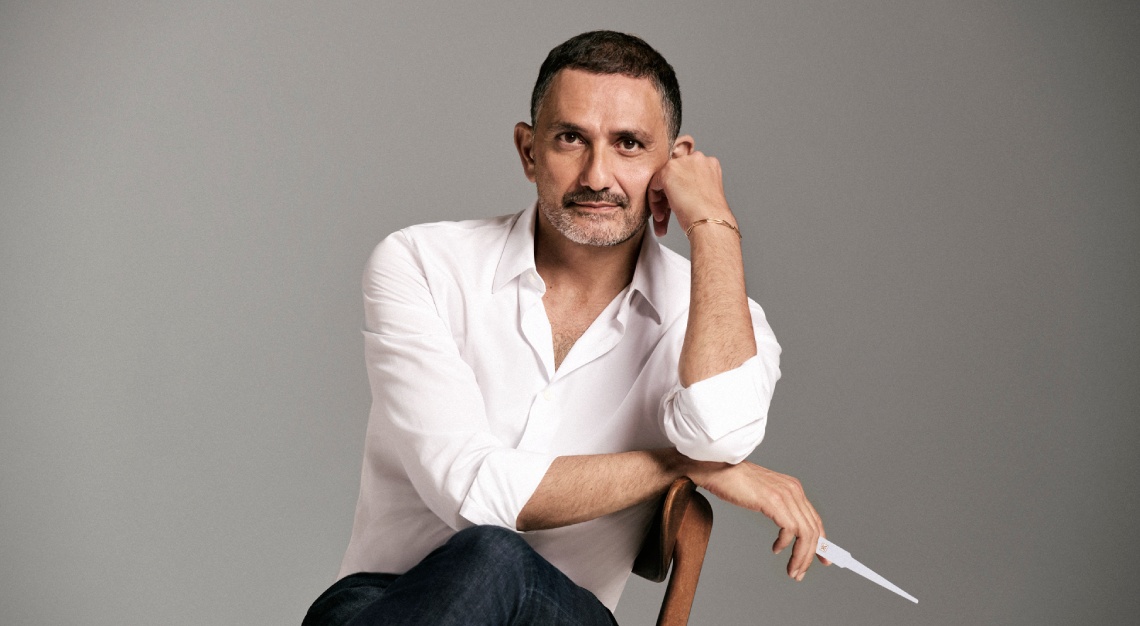
We speak with Francis Kurkdjian, co-founder and creative director of Maison Francis Kurkdjian, about the art of perfumery and what truly goes into crafting an olfactory portrait.
It’s far more than a blend of alcohol, essences, and florals; crafting a scent that resonates, empowers, and complements your mood or fit for the day is an art in itself. Behind every olfactory portrait lies an entire sensory world, one shaped by memory, emotion, texture, and atmosphere as much as by raw materials and formulation.
For the founders redefining niche perfumery today, scent is also about translating lived experiences into something deeply immersive and personal; less about following trends. In this two-part feature, we dive a little deeper beyond the formulations, speaking with two reputable noses behind their own eponymous perfume houses about the emotional language behind modern fragrance creation.
Here, Francis Kurkdjian shares how a teenage fascination with the invisible creators behind iconic fragrances evolved into one of perfumery’s most influential careers, and why emotion remains at the heart of every scent he creates.
What first drew you into perfumery—was it something intentional or something you discovered over time? At what point did you realise this could become both your art and your profession?
I was raised in Gournay-sur-Marne near Paris in a family with no direct link to perfumery, but surrounded by creativity, music, ballet and craftsmanship. I explored dance and couture early on, but neither fully fit.
Everything changed when I read about master perfumers in a French magazine as a teenager. Discovering that people unknown to most were behind the exceptional fragrances worn and loved the world over was a revelation, and I realised at around 15 that I wanted to become a perfumer.
When you started, did you see yourself more as a perfumer, an artist, or a founder building something bigger?
I never felt it was up to me to define myself as an artist or not. For me, being an artist is the outcome of the work and the emotions it evokes. At the beginning, I wasn’t thinking in terms of perfumer, artist, or founder—my approach was more instinctive and rooted in perception.
With a background in music, ballet and couture, I’ve always been drawn to creative languages, but fragrance became the one that allowed me to express emotion most fully. I initially aspired to become a head perfumer at a prestigious house, and later, my encounter with Marc Chaya led me to co-found a house where I could explore that vision with complete creative freedom.
What were some of the earliest struggles in trying to create a name for yourself in this space?
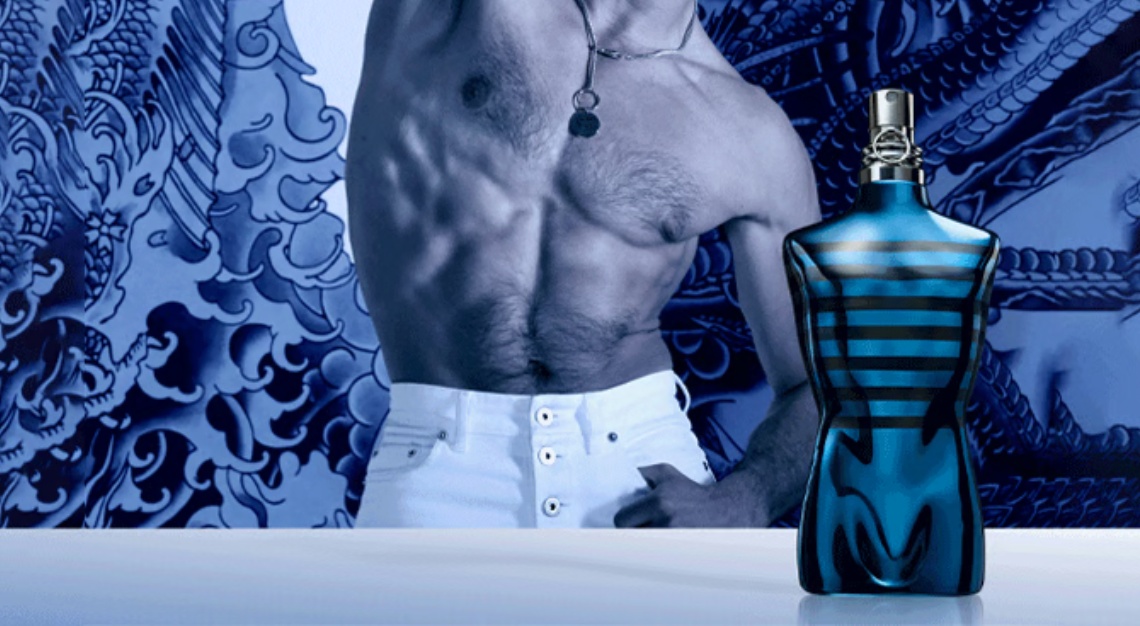
Unlike many young perfumers who spend years building experience before recognition, my first major creation, Le Male by Jean Paul Gaultier, became a huge success when I was 25 and just out of school. It was both incredible and challenging to experience that level of success so early. It created a lot of pressure to keep up and avoid being seen as a “one-hit” perfumer.
How did those early challenges shape the way you approach scent creation today?
Those challenges made me more resilient. Building a name requires patience, discipline, and commitment to your vision, even when it isn’t immediately understood. They also taught me structure and clarity in the creative process, and how to translate intuition into something tangible and lasting.
When you begin a new fragrance, where does it usually start for you—an emotion, a memory, a material, or something else entirely?
Inspiration is always the starting point—an invisible and often most challenging part of the process. I begin with an idea, emotion or desire, and try to translate a universal feeling that people everywhere can connect with. I also choose the fragrance name early, as it acts like a title guiding the creative direction. The formula and raw materials come last, as the tools used to express that initial idea.
How do sourcing and material choices influence what you’re able to express creatively?
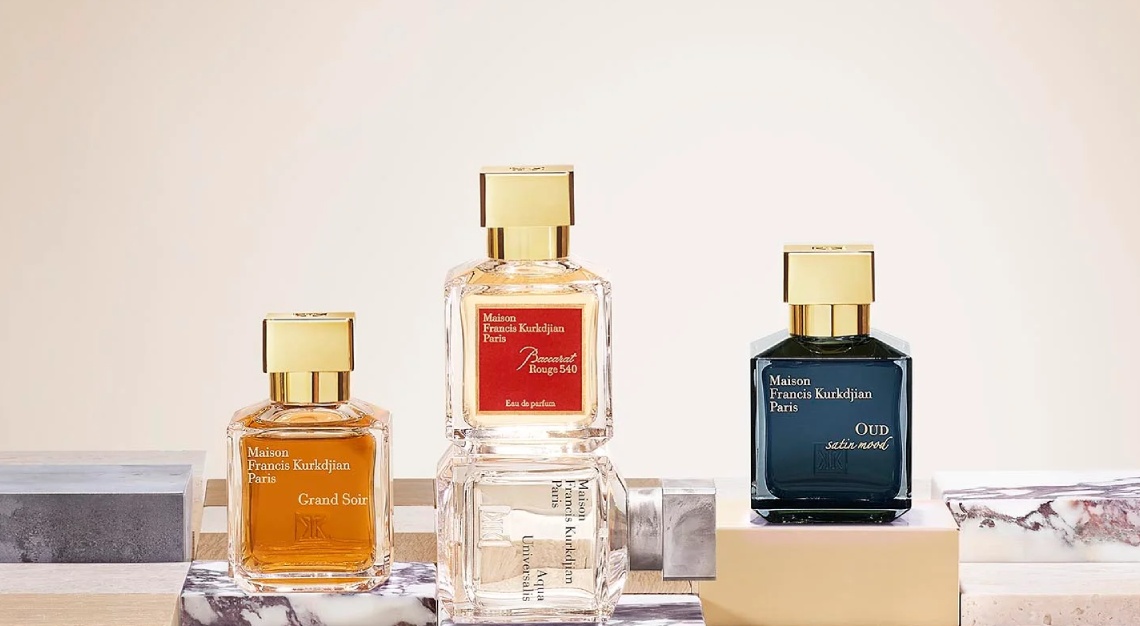
Sourcing ingredients is essential but increasingly complex, involving quality, sustainability, availability, and external factors like geopolitics and climate change. However, it is never the starting point of my creative process. The story always comes first, and the choice of ingredients follows to serve that narrative, not define it.
What part of the perfumery process do people outside the industry most underestimate?
The creative part, without a doubt! People often think of perfumers as “noses” or chemists simply blending materials in a lab. In reality, creating a successful fragrance is also about emotion, not just combining scented notes.
How much of your personal identity do you consciously or unconsciously embed into your brand?
My personal identity is present in all my creations, as they reflect my creative vision. I don’t try to separate myself from the house I founded. My taste, sense of balance, memories and even obsessions naturally come through in my work, sometimes consciously and sometimes intuitively. Each fragrance reflects how I perceive beauty and emotion, not as autobiography, but as a way of sharing something that can live on someone else’s skin.
Looking ahead, what would make you feel that your work in perfumery has truly fulfilled its purpose—or outlived you in meaning?
What would fulfil its purpose is knowing that people around the world love wearing the scents I create and make them their own through their personal emotions and memories. If they become part of someone’s life, identity and legacy, then the work has achieved its goal: to bring meaningful, lasting emotional experiences to people.