In the lush hills of northern Kerala, tulåh Clinical Wellness brings advanced diagnostics, modern medicine, and ancient healing traditions together in a personalised approach to well-being
There is always something more urgent. Whether it’s a flight to catch, a deal that needs closing, or a crisis that needs managing, the only constant to life at the top is a perpetually packed calendar. With so much swirling through the mind, who could blame you for missing the occasional meal or workout, or sacrificing an hour of sleep just to quieten that ever-talkative inbox?
It’s a reality Faizal Kottikollon, founder of tulåh Clinical Wellness, knows all too well. The engineer and entrepreneur spent decades operating at the highest levels of business, building companies across manufacturing, construction, and healthcare, including Emirates Techno Casting, acquired by Tyco International for US$400 million. It is this career that has given him an intimate understanding of the relentless pace of senior leadership and the costs that can remain hidden beneath it.
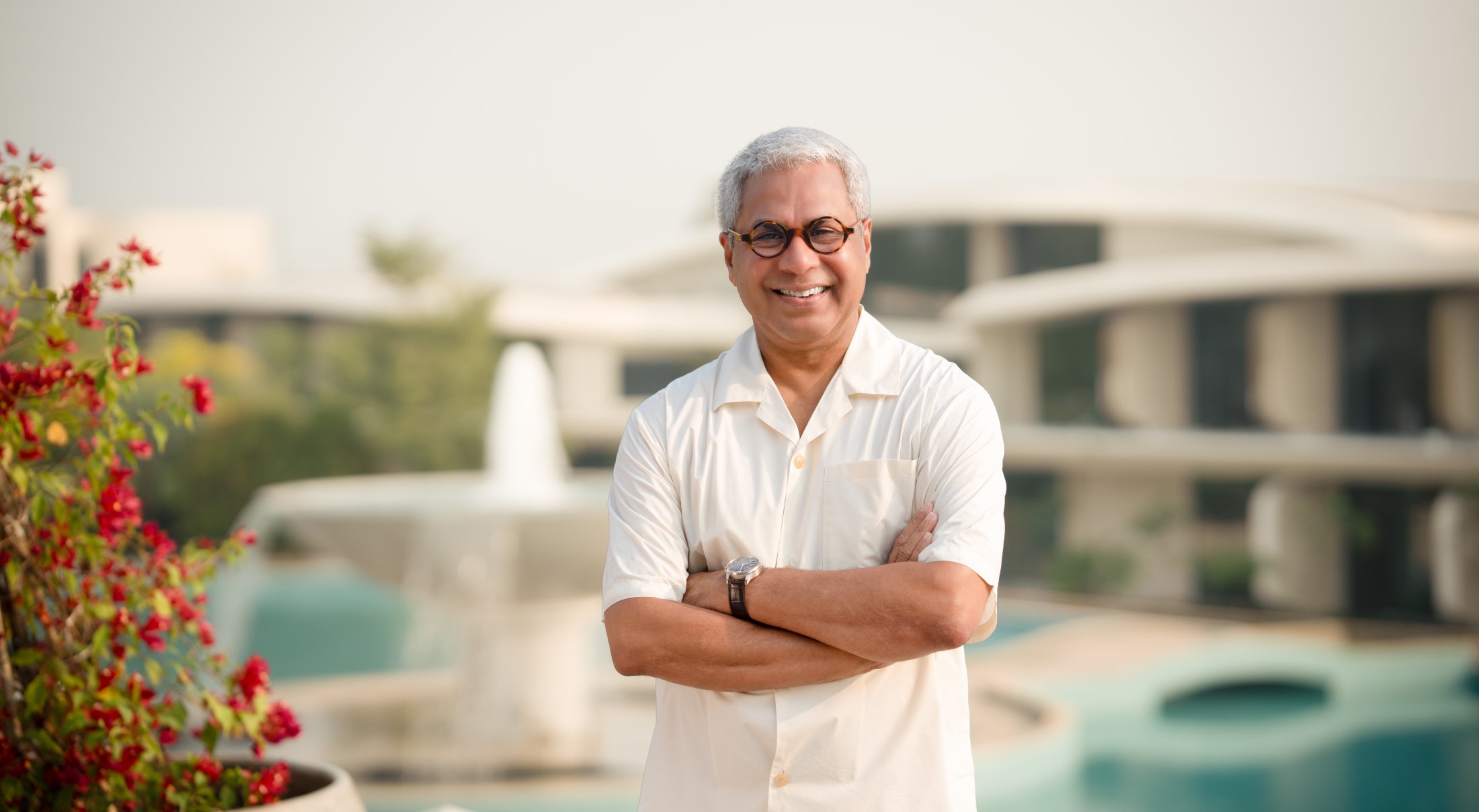
“Leaders overlook the slow decline,” he says. “They are trained to respond to crises, so they wait for their health to become one.”
It’s no wonder that wellness retreats have increasingly become a salve for those looking to step away from the unceasing demands of working life. One only needs a quick conversation with Kottikollon, however, to realise that tulåh is far from your typical wellness retreat.
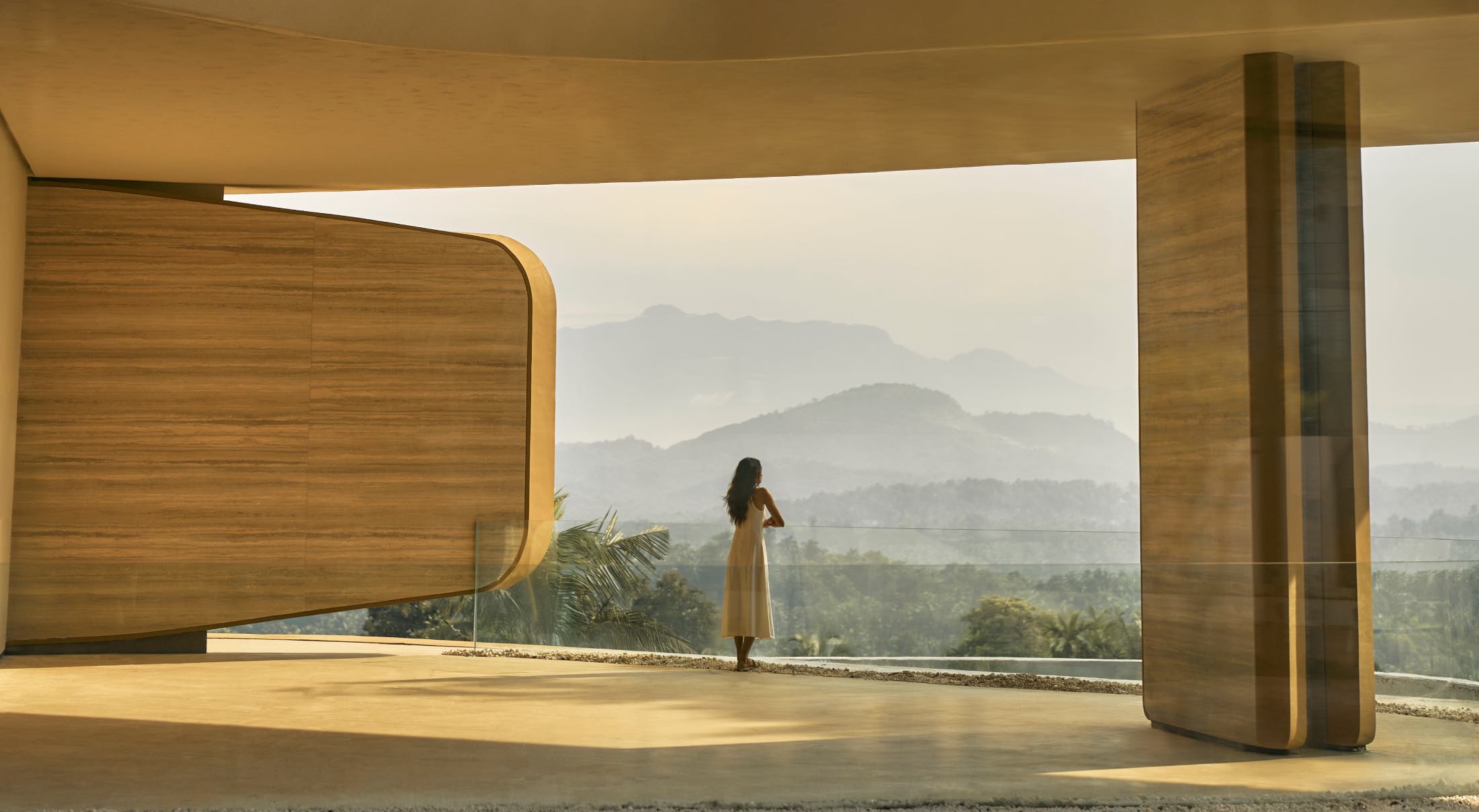
Here, ancient traditions such as ayurveda and Vedanta sit alongside advanced diagnostics and regenerative medicine, while the grounds encompass everything from medicinal gardens to a domed Sonorium devoted to sound and meditation. Then again, what else might you expect from a wellness sanctuary built by an engineer with a habit of rethinking the systems around him?
Deep Connection
It’s near impossible to dive into tulåh without first understanding the experience that helped shape it. Despite the demands of his career, Kottikollon rose before 5am for more than four decades, with tennis, yoga, and meditation part of his routine. “Health wasn’t something I thought about as a goal,” he says. “It was simply how I lived.”
This was tested in 2022, when a problem in his neck left his hand numb and every specialist he consulted recommended surgery. As he moved between neurologists, orthopaedic surgeons, and physiotherapists, Kottikollon was struck by what he saw as a fragmented approach to care, as well as a tendency to manage symptoms without asking what was causing them. “In engineering, you never fix a fault by switching off the alarm,” he explains. “You find the source.”
Kottikollon eventually brought neurologists, physiotherapists and Ayurvedic doctors together as one team, becoming, as he puts it, tulåh’s “first guinea pig”. But the experience soon had him thinking beyond his own recovery. If someone with his access to doctors had struggled to find integrated care, what chance did everyone else have?
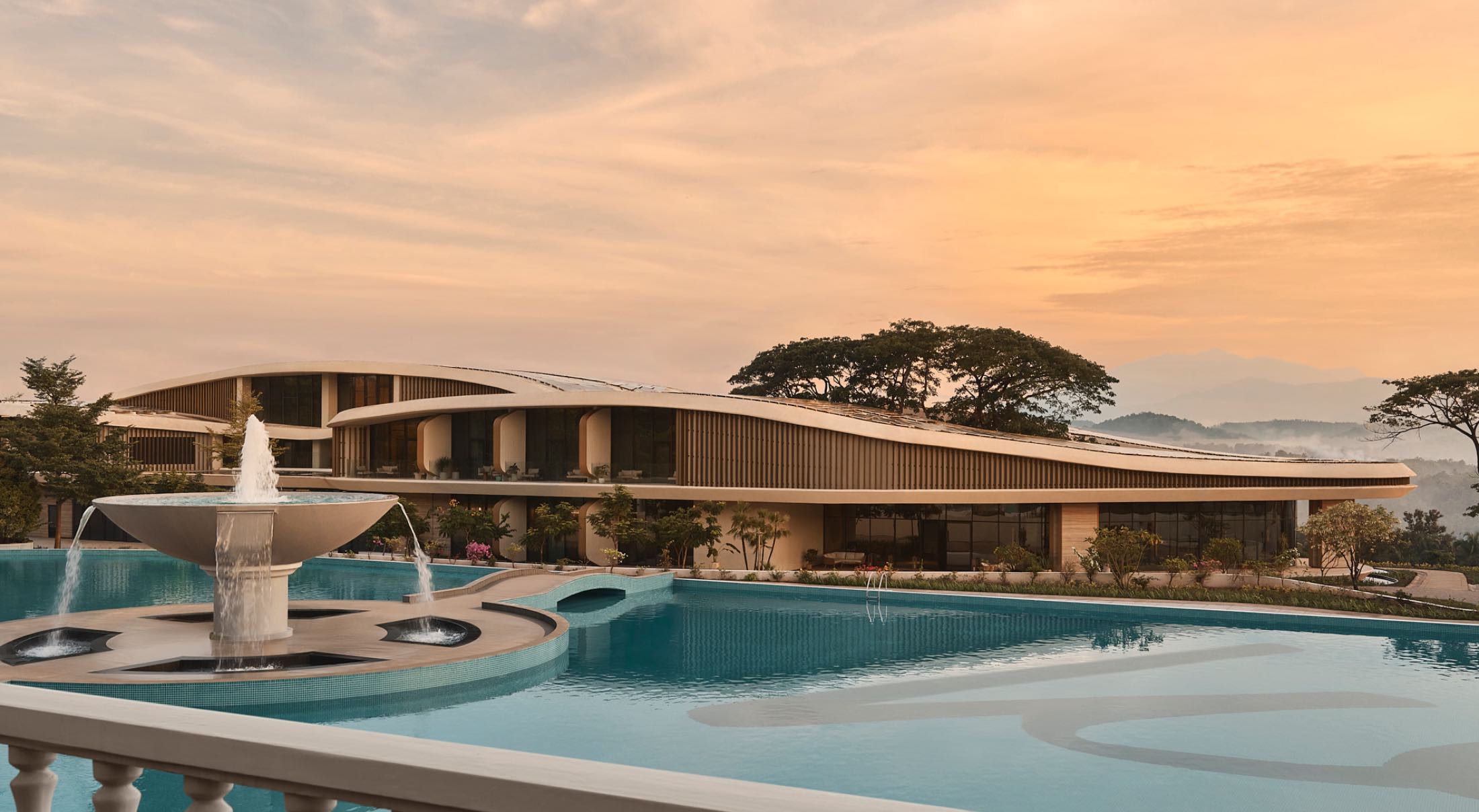
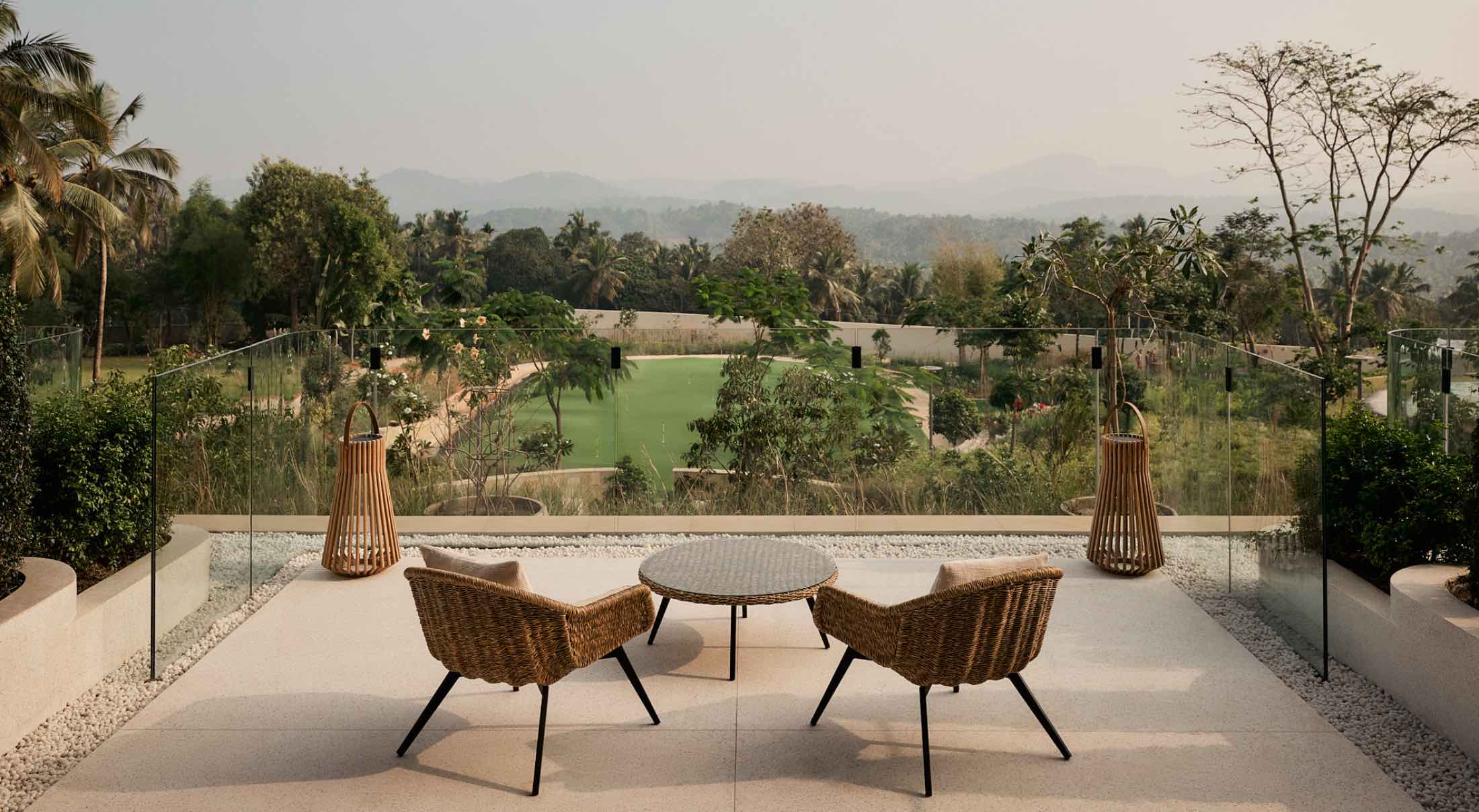
The question would help shape tulåh: a 30-acre clinical wellness sanctuary in the hills of northern Kerala where modern medicine meets centuries-old healing traditions amid a landscape that has itself been brought back to life. Rather than treating the two as separate worlds, tulåh draws them into a single, integrated approach, using advanced diagnostics to understand each guest before a multidisciplinary team maps out a tailored course of care.
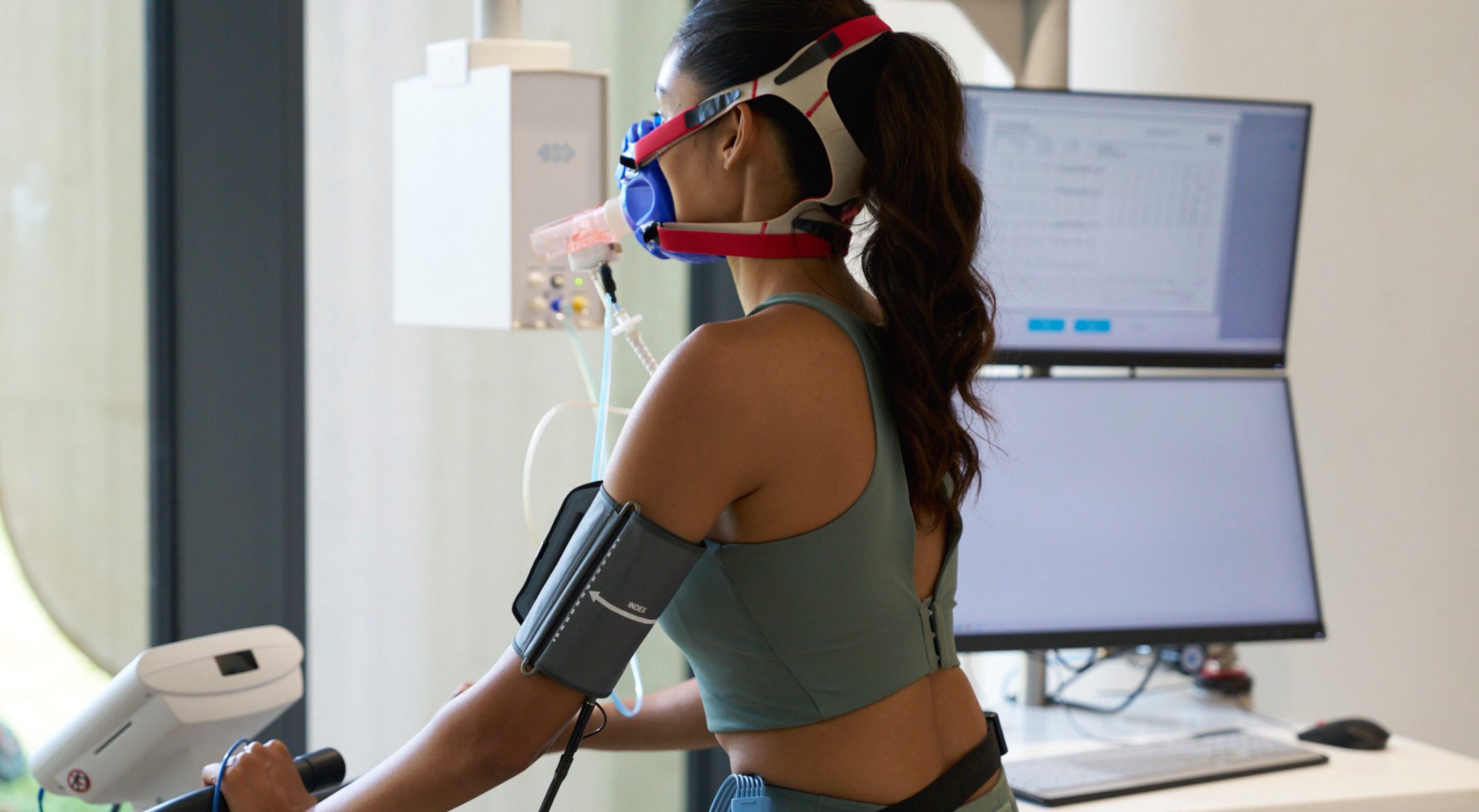
The sanctuary’s imaging facilities run from X-ray to CT and MRI, while genomic and blood profiling can be complemented by DEXA body-composition analysis, cardiopulmonary exercise testing, and assessments of movement and strength. There are even medical suites, an operating theatre, and an intensive care unit on site. And should more complex medical expertise be required, more than 200 specialists are within reach at Meitra Hospital, around 20 minutes away.
The information gathered then feeds into the tulåh Life Index, which builds a profile of each guest across body, mind, and lifestyle and, in turn, shapes the treatment plan. Of course, no plan is set in stone at the beginning of a stay; progress is reviewed daily, allowing it to be adjusted according to how the guest responds.
Architecting Well-being
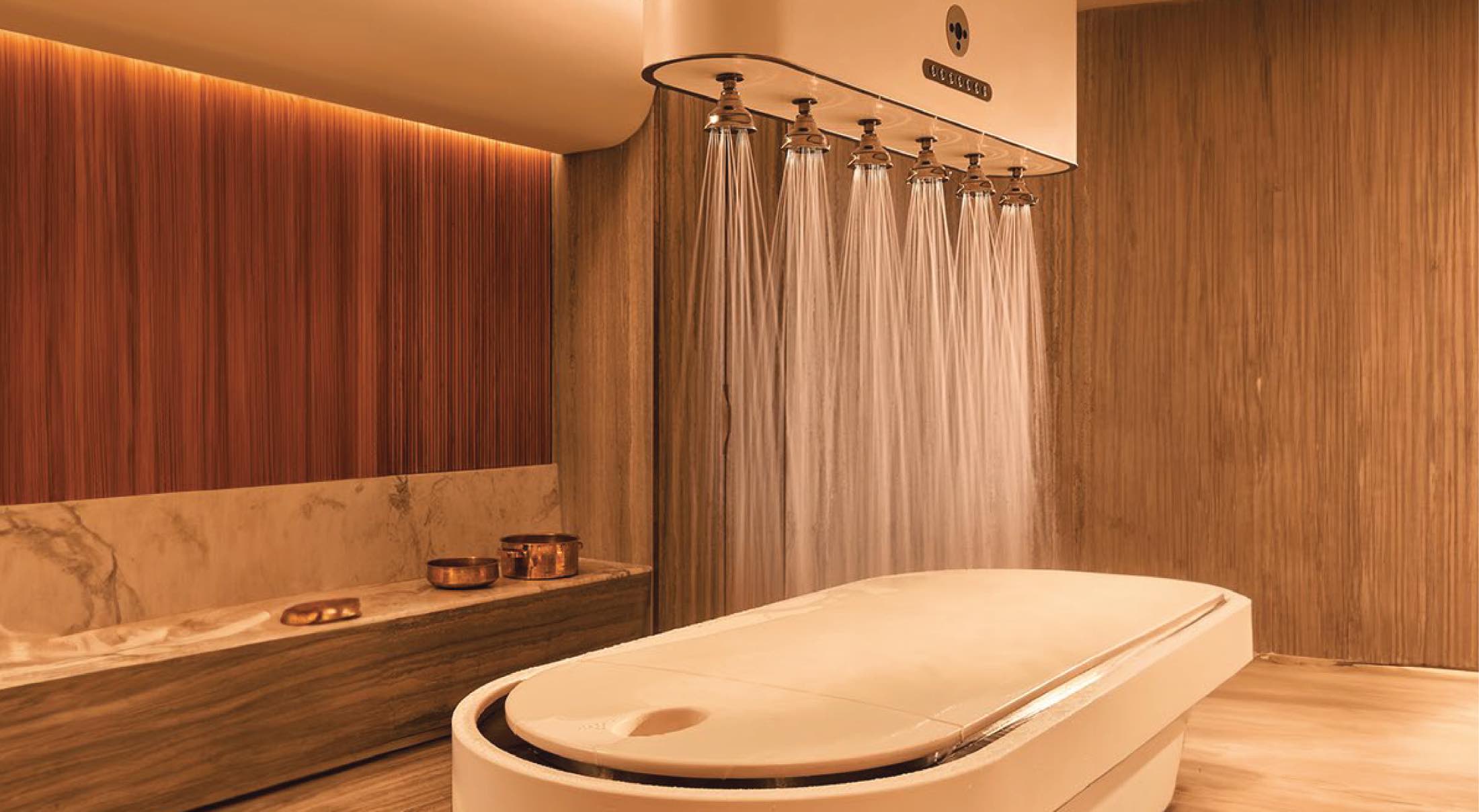
What follows can look markedly different from one guest to the next. Regenerative medicine, hyperbaric oxygen therapy, and cryotherapy occupy the same world as clinical yoga, Ayurveda, and traditional Chinese medicine. Panchakarma, Ayurveda’s traditional cleansing and restorative regimen, is part of the offering, while tulåh’s in-house team has even developed a patented Vichy Shower Bed that brings traditional oil-based therapies into a purpose-built treatment system. It is perhaps the most literal expression of the sanctuary’s premise: old and new not simply offered side by side but designed to work together.
This thinking runs through every detail. Every meal is designed around the guest’s biology, with some of its ingredients grown on site. The medicinal garden contains more than 215 species traced to Hortus Malabaricus, the 17th-century record of the Malabar coast’s medicinal plants, some of which tulåh’s ayurvedic doctors still use. Around it, land that was once largely barren laterite has been rewilded into a tropical landscape, with orchards, gardens, and forest echoing your own rejuvenation.
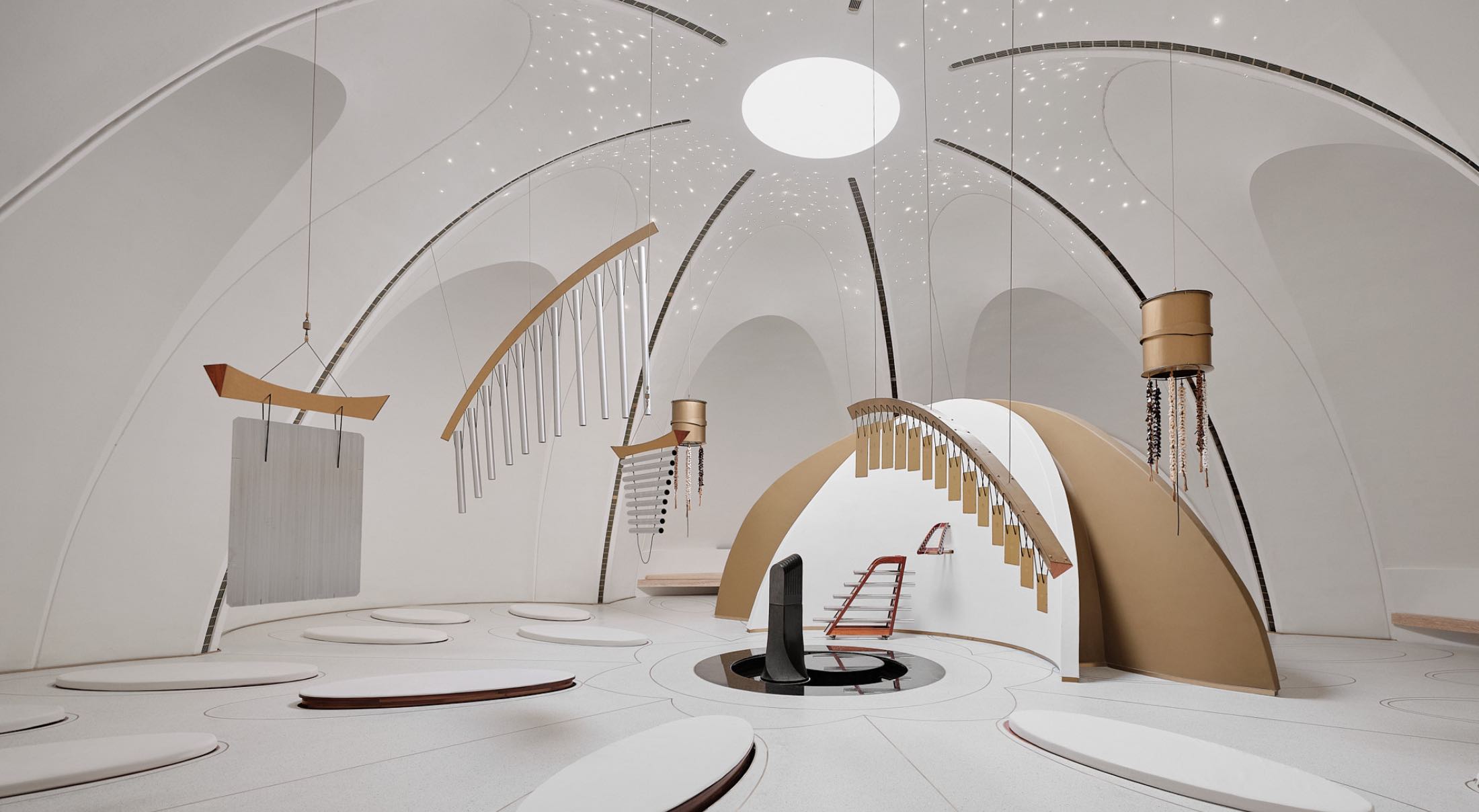
Then there is the Sonorium. The vast space is described by tulåh as the world’s largest of its kind, conceived for sound healing, meditation, and other mind-body practices. It also provides one of the more striking settings in which to experience the sanctuary’s daily rhythm.
A morning might begin beneath its dome with breathwork or yoga; elsewhere, guests might take to the water for aqua yoga or meditation, or walk through the forest when the birds are most active. Consultations, diagnostics, and therapies follow, with time deliberately left between each. Afternoons slow; evenings might drift towards the art studio or library, live music, or a return to the Sonorium for sound healing.
Finding such a rhythm within the forest is one thing; holding onto it once the flights, meetings, and messages come flooding in is another.
“Feeling better is not the same as being well,” says Kottikollon. “Without a plan that follows you home, the old patterns return.”
This is why the relationship with tulåh does not end at departure. Guests leave with a plan spanning nutrition, movement, mental well-being, and lifestyle, with tulåh continuing to support them for three months afterwards. It is a philosophy grounded in relatively simple habits: waking with the sun, taking time for breathwork before reaching for the phone, moving every day and, in his words, “eating according to what their body needs, not what their calendar allows”.
The emphasis on continuity is also shaping what comes next. Kottikollon envisages a network of urban tulåhs in cities such as Mumbai, Dubai, and London, where returning guests could check their progress against the baseline established in Kerala and have their plans adjusted by people already familiar with their history.
For Kottikollon, lasting change begins with something leaders already understand instinctively: data. Many can read a balance sheet in minutes and see exactly where a business is losing value, he points out, yet have rarely seen their own health presented as clearly. At tulåh, the aim is to give them just that: a picture of where they stand, what is working, and what may be at risk.
Perhaps the more fundamental shift is in what gets measured and, more importantly, what is considered worthy of investment in the first place.
“Once leaders see their health as an asset that needs investment rather than a cost to be managed,” Kottikollon says, “there is no stopping them.”