
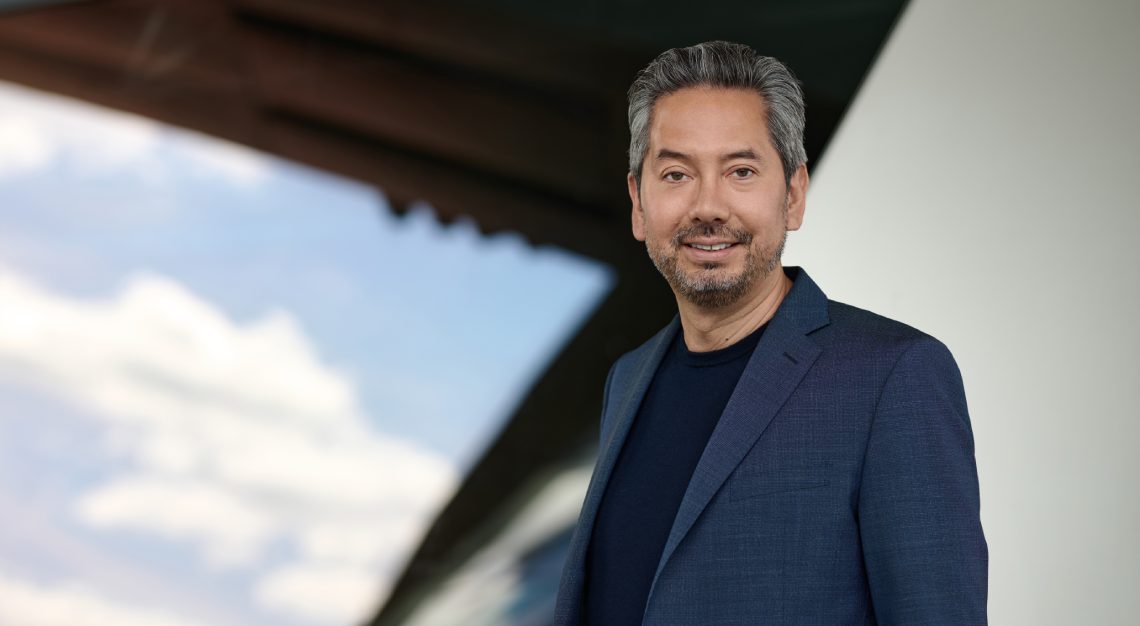
Luxury is built on excess; sustainability demands restraint. Can the two coexist? In this first of our five-part series, Voices for Change, we speak to Glenn Schmidt, BMW‘s vice president of Global Sustainability
Luxury motoring is often painted as the indulgent end of the spectrum: shiny, powerful, and heavy on energy consumption. Sustainability, by contrast, is too frequently framed as a diet: less of this, none of that, and a little guilt on the side. Glenn Schmidt, vice-president of global sustainability at BMW Group, however, has little patience for that binary. For him, the more honest framing is not restraint, but responsibility: how a company measures, reports, and tracks across the full span of what it takes to build, run, and ultimately, recover a vehicle.
BMW’s focus on ‘substance over slogan’ shapes its approach to defining a real sustainability programme. Rather than chasing headline initiatives, it emphasises measurable targets, transparent progress reporting, and consistent operational changes–ranging from decarbonising production and electrifying its vehicle line-up to responsible sourcing and advancing circularity. It is also why Schmidt keeps returning to the value chain as the true battleground. The industry’s transition is not just about a sprint towards electrification. Instead, it’s a multi-market, infrastructure-dependent shift where supply chains (especially for high-voltage batteries) tighten just as customer readiness and charging accessibility vary sharply by region.
BMW’s answer is to hold ambition global, while adapting the route to reach it: a technology-neutral product portfolio that can serve uneven realities without diluting the end goal. As such, the company positions its climate commitment within a holistic approach that is aligned to the Paris Climate Agreement and net zero by 2050, while setting out concrete reduction targets.
How does BMW define sustainable premium mobility without making it merely a marketing line?
BMW’s view is that premium and sustainability are compatible when sustainability is treated as a responsibility with measurable outcomes. The company looks beyond the tailpipe, assessing impact across the value chain while setting science-based targets, reporting progress transparently, and staying accountable to delivery.
Within the company, how do you determine if a sustainability programme is truly effective?
Credibility rests on whether sustainability is measurable, integrated into core operations, and delivered consistently over time. That translates to clear targets and transparent progress reporting, supported by concrete actions across product decarbonisation, portfolio electrification, responsible sourcing, and circularity.
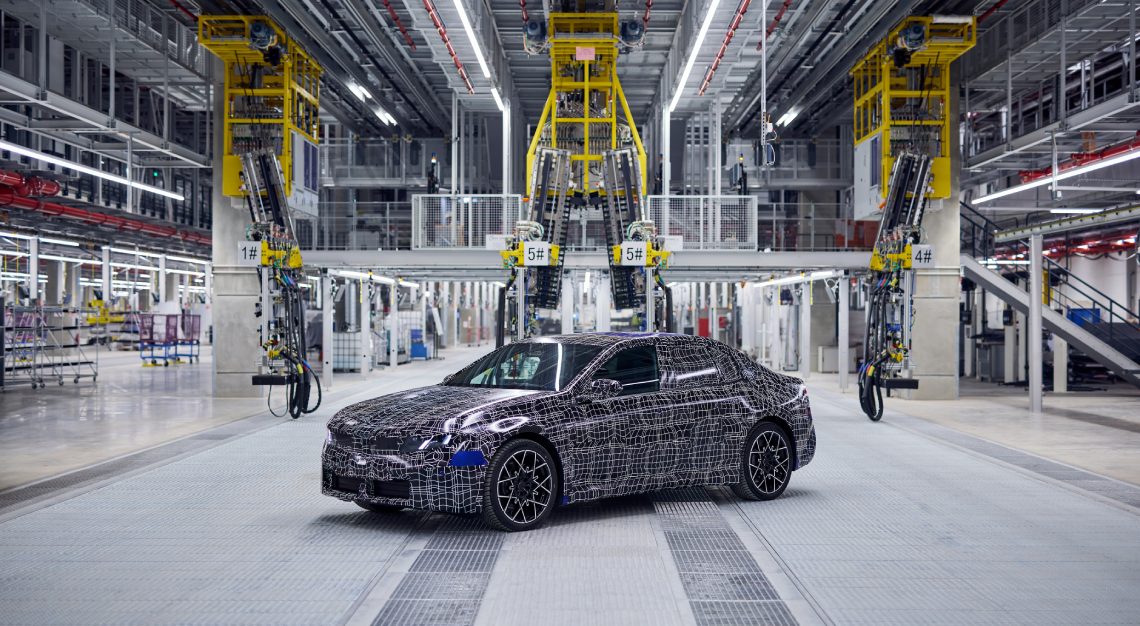
Where is the ‘pay-off period’ sharpest right now: batteries, materials, manufacturing, or the use-phase?
In the current moment, there is a major industry transition where developments are rippling through the entire value chain. Electrification raises pressure on high- voltage battery supply chains, but uptake ultimately hinges on whether customers feel ready—something that is heavily shaped by charging infrastructure, which remains uneven between (and within) markets. The challenge is to serve diverse conditions with a tech-neutral portfolio, while supply chains scale in the background.
Where does circularity move the needle most?
The biggest gains come through materials: reducing dependence on primary raw materials via higher secondary content and design for recycling. BMW links greater recycled- material use to lower carbon dioxide emissions, reduced reliance on critical raw materials, and a more resilient supply chain, while maintaining premium requirements for quality, safety, and performance. The limiting factor today, however, is availability: high-quality secondary materials at automotive-grade volumes remain constrained, making collaboration across the value chain essential.
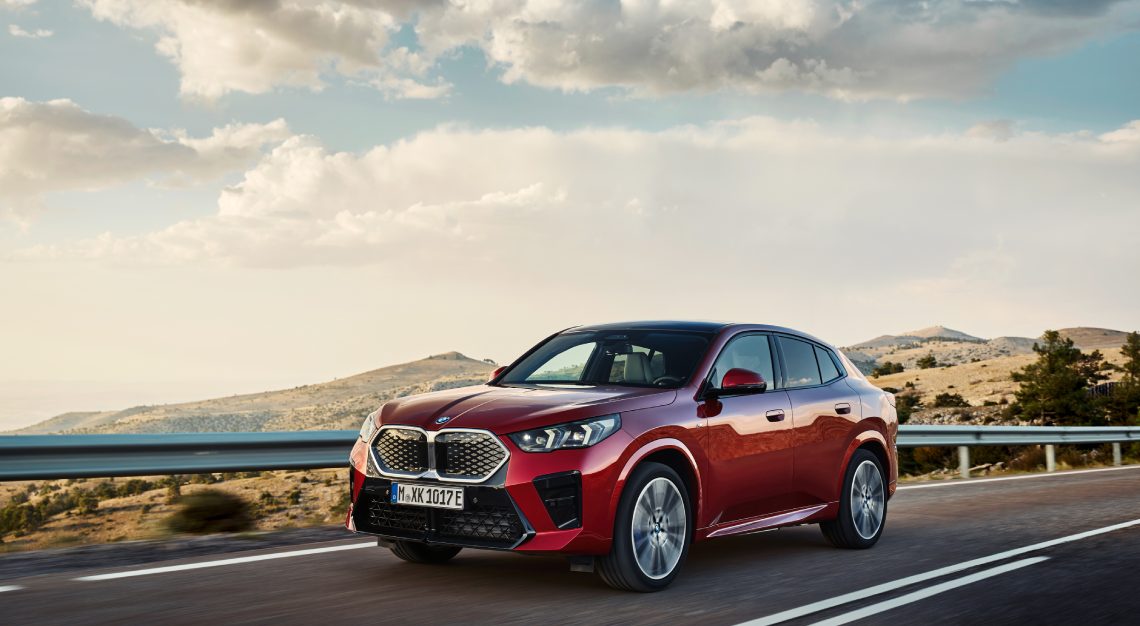
Upstream impact is often the toughest: mining, refining, battery cells, steel, aluminium. Where is BMW focusing?
BMW points to circular materials, secondary raw content, and low-carbon sourcing as high-impact priorities while still acknowledging they take time to scale due to availability, technological maturity, and premium-grade quality demands. The company’s emissions-reduction efforts concentrate on major material groups—steel, aluminium, plastics, and batteries—alongside continued progress in production and use-phase through renewable energy, electrification, and efficiency improvements.
What is the business upside for BMW within the context of sustainability?
Sustainability creates long-term economic value by reducing risk, improving efficiency, and strengthening resilience. Given diverse market conditions and customer expectations, BMW also emphasises the strategic value of a broad, technology-open range of drivetrain concepts positioned as the practical way to remain attractive across markets during the transition.
This story first appeared in the April 2026 issue. Purchase it as a print or digital copy, or consider subscribing to us here