With hybrid working arrangements becoming the norm, the quest for equilibrium in our living spaces is imperative. Psychologists and interior designers advocate a separation between your workspace and areas of relaxation
Are you still working from home? With the pandemic now a distant memory, many companies and employees have made a permanent shift to hybrid work arrangements—a legacy of those days of isolation.
This new normal is both blessing and curse, depending on how one wishes to blur the lines between professional and personal lives, as the idea of work-life balance today is less about maintaining equilibrium and more about navigating a see-sawing situation.
Once a sanctuary that allowed us to disconnect from work, our homes have morphed into secondary offices. This transformation, while necessary in the face of workplace evolution, demands a re-evaluation of how we perceive and organise our living spaces.
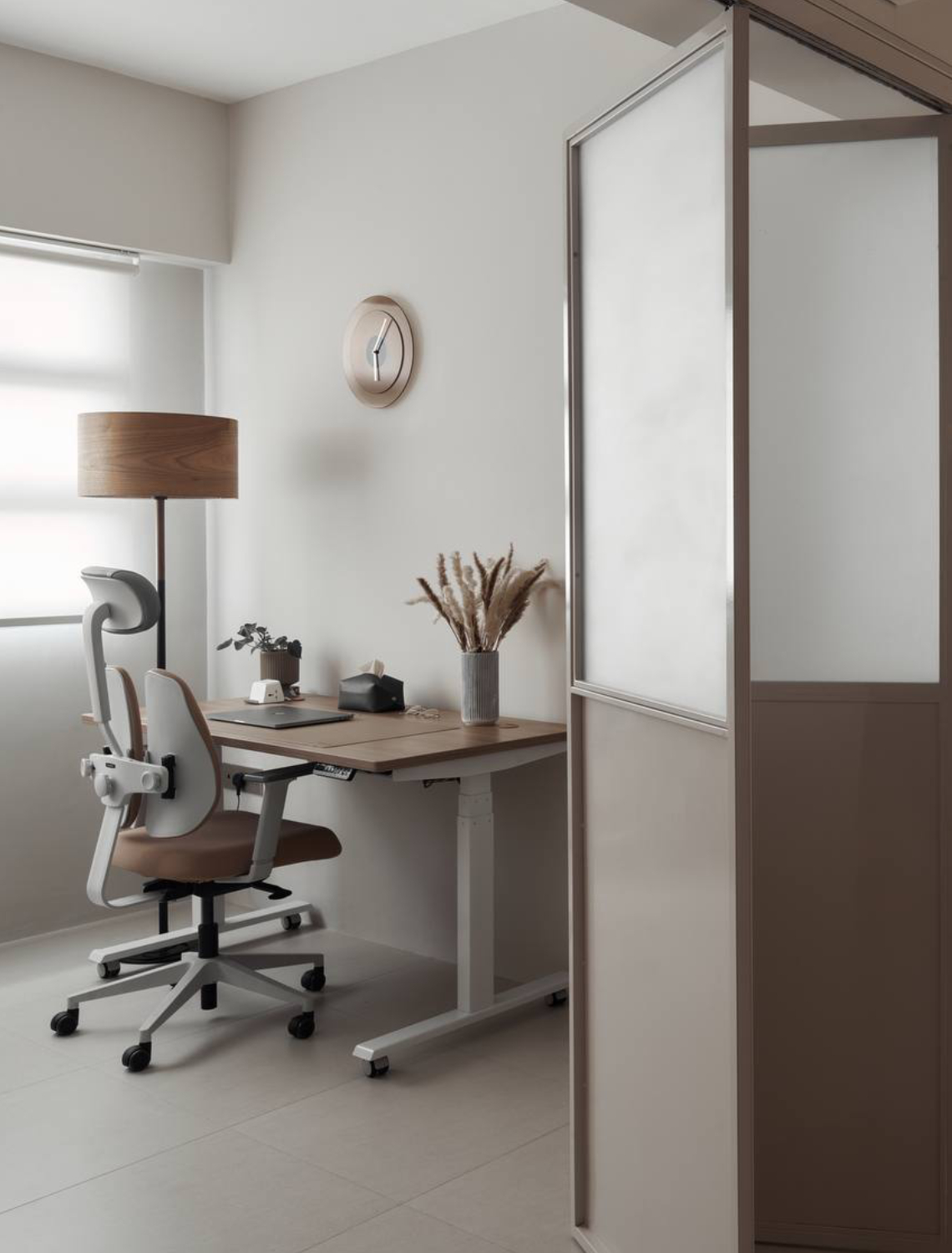
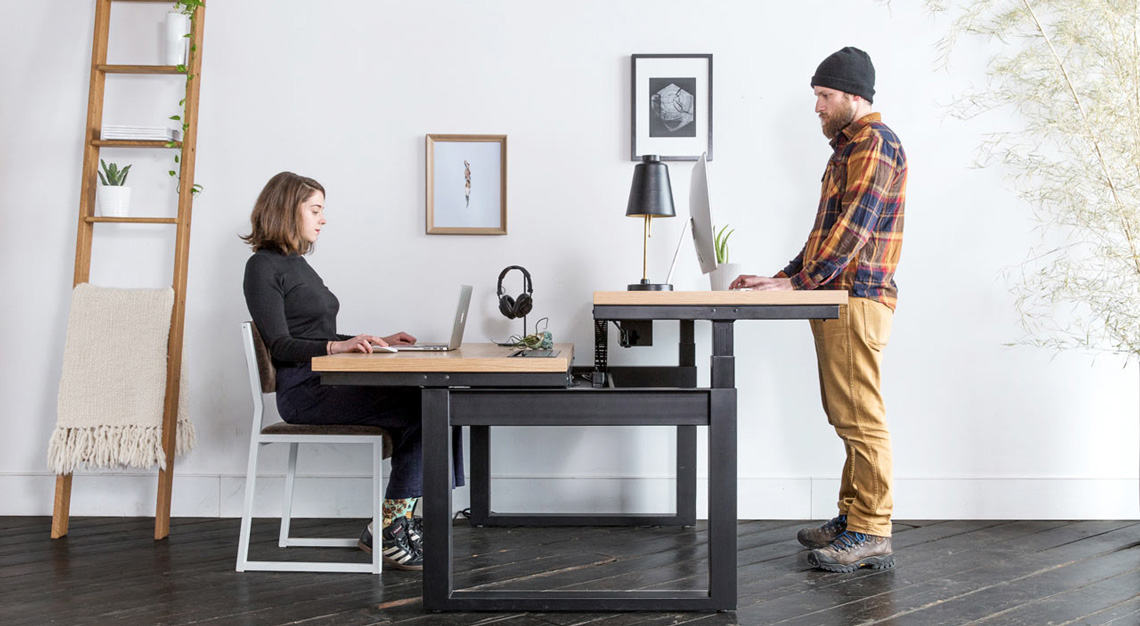
Jasper Goh, founder and interior designer of Ascend Design, believes that dedicated workspaces are imperative. His advice is simple: carve out a physical space that signifies ‘work mode’. “For clients who want to draw a line but not take up a whole room for it, we recommend carving out a space in the living area—and away from the bedroom and resting areas,” he says.
By drawing an invisible line of sorts to demarcate different activities in your home, you allow your mind to recognise the same. This mental compartmentalisation is not just for organisational efficiency but also for mental well-being. By establishing a designated area for work, one can symbolically ‘leave work’ at the end of the day, even if it’s just a matter of stepping away from one area of the house to another.
“There is a need to be mindful of work detachment after working hours,” says Toh Yixin, a psychologist at Thye Hua Kwan Moral Charities. At the same time, she opines that intentional segregation can help foster better focus and productivity during work hours.
In addition to spatial planning, one can also incorporate design elements to help increase productivity or unwind. Indoor plants and natural lighting are common ways to do so. And with that, certain habits and rituals—dressing differently for work hours or taking breaks for lunch as you would do in a regular office—will also help reinforce the psychological distinction between work and leisure.
Where it was once possible to embrace the notion of not bringing your work home, work- from-home arrangements have turned this idea on its head. Rather, by asking, “Where do I work at home?”, we can create a healthy differentiation between our work and personal lives, one that nurtures our ambitions while protecting our most intimate spaces.