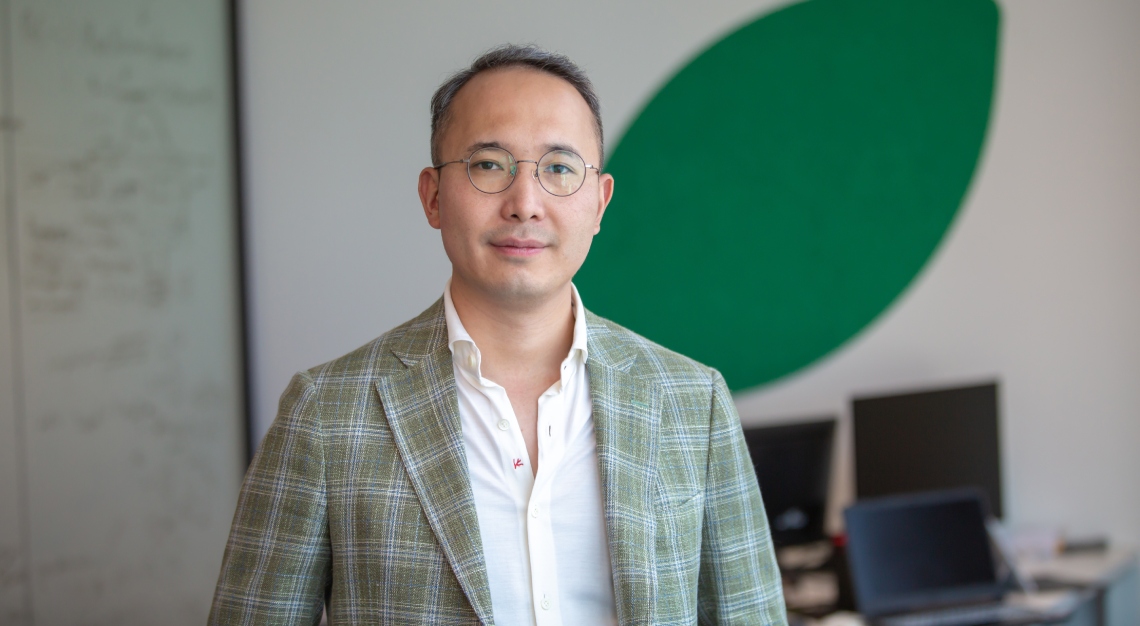

Luxury is built on excess; sustainability demands restraint. Can the two coexist? In the second of our five-part series, Voices for Change, we speak to Vicky Wang, managing director of WATG Asia Pacific
When architecture is designed to understand and respond to human life, it creates connections, encourages interaction, and enhances everyday experiences. This, observes Vicky Wang, managing director of WATG Asia Pacific, is the essence of thoughtful placemaking: transforming spaces into places that feel purposeful and alive. In such environments, everyday activities such as moving, gathering, resting, working, and celebrating become richer and more intuitive because the surroundings actively support them.
“From this perspective, sustainability and experience are inseparable,” Wang explains. “People naturally change how they consume resources when the choices that support their well-being are also the easiest ones to make, when daylight replaces artificial lighting, when orientation and materials reduce energy demand, and when public spaces feel welcoming enough to encourage walking and social interaction.”
The most impactful architecture, then, is not defined by grand gestures or visual statements, but by environments that elevate quality of life, strengthen relationships, and make sustainable living an effortless outcome of good design.
With more than two decades of industry experience and a global portfolio across hospitality, mixed-use, and high-end residential projects, Wang has developed a deep understanding of China and the Asia Pacific region through her decade-long career at WATG. Independent to this day, WATG is a global integrated design firm specialising in advisory, master planning, architecture, landscape, and interior design.
When you begin a project, what are the first sustainability questions you ask about the site and brief?
The first question is always about the client’s vision and intent. What does sustainability mean to the client and how far are they willing to take that commitment from initial design through the full life cycle of the asset. Across Asia Pacific, clients are increasingly sustainability-literate and open to incorporate these discussions that are often driven by access to green financing, the desire to future-proof assets, and a growing awareness of climate urgency. This shift in mindset is one of the most encouraging signals we are seeing in the industry today. That aspiration sets the foundation for every decision that follows. From there, we look closely at the site—its climate, ecology, topography, access to resources, and vulnerabilities—because sustainability is always specific to place.
Walk us through the process on how you begin a design from the first sketch.
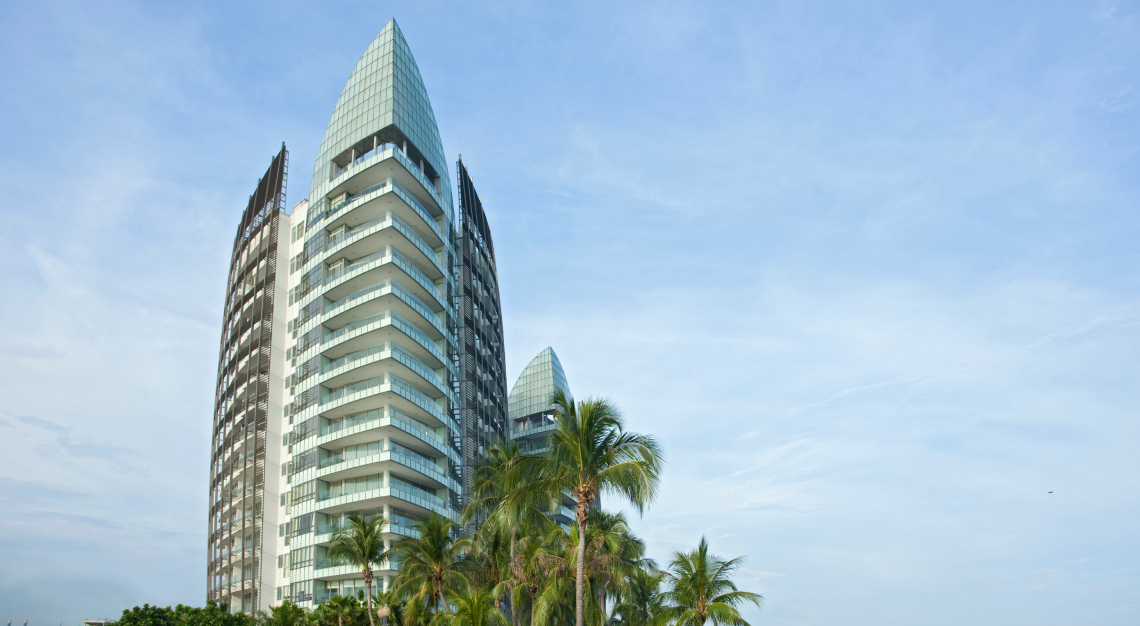
Our process always begins with the land. Our founding principle of ‘walking every inch of the site’ still holds true today. We listen to what the site wants to tell us by studying it extensively firsthand, which forms the foundation of every idea. Orientation, sun paths, prevailing winds, humidity, and seasonal variations are mapped early, and the first sketches respond directly to these forces. Massing is shaped to invite daylight while controlling heat gain to encourage cross- ventilation and to reduce reliance on mechanical systems.
How have digital tools changed the way you think about climate, performance, and comfort at the earliest stages of design?
What is evolving now is how we integrate digital tools to elevate that understanding. Generative design allows us to explore countless configurations that balance site conditions, climate parameters, regulatory requirements, and performance outcomes quickly and visually. Parametric tools and automated site analysis free our designers to focus on innovation while ensuring decisions are informed by environmental data from the start.
These capabilities enable a climate-informed approach that quantifies how early architectural decisions will perform in terms of energy use, comfort, and resource efficiency.
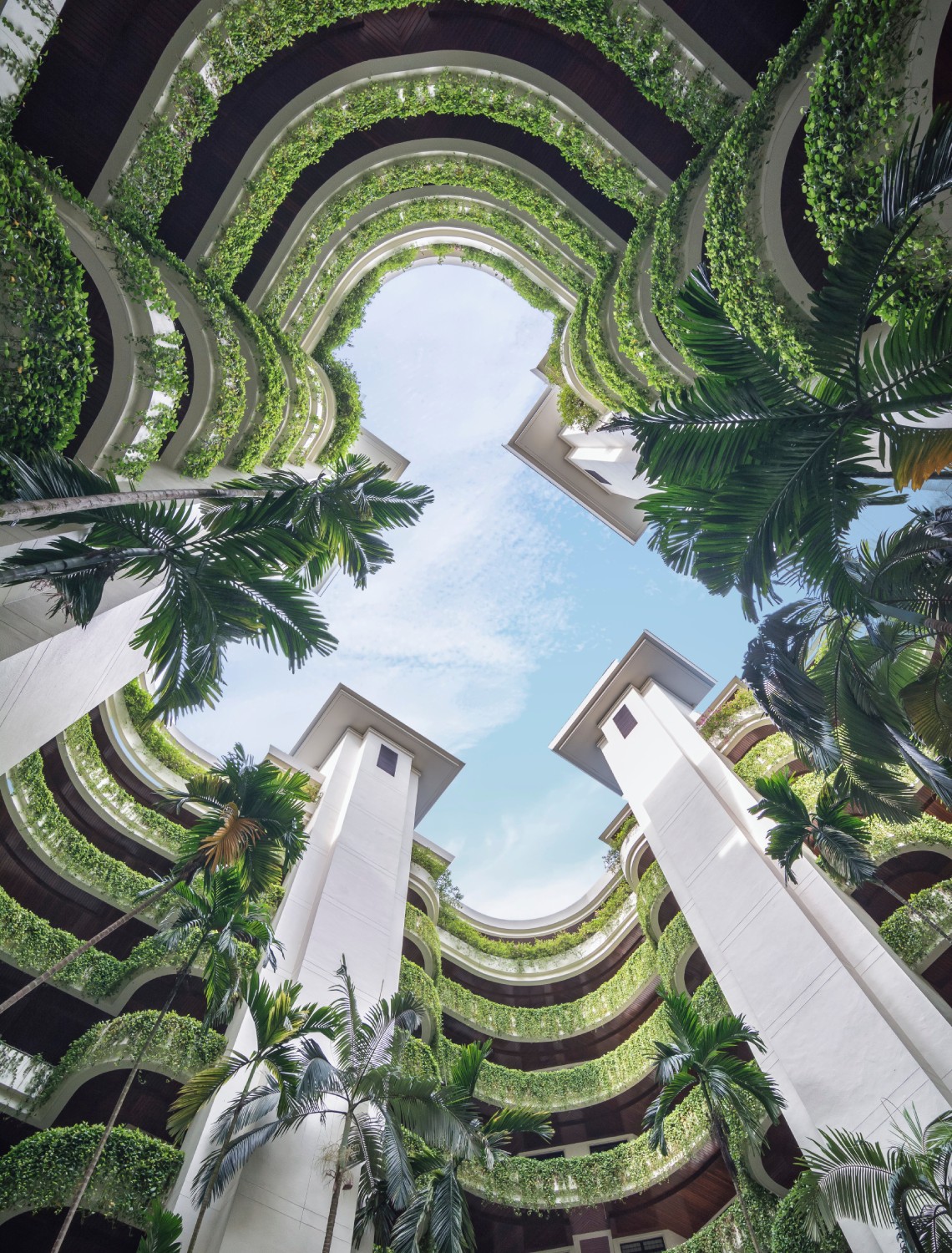
When architecture is formed by climate in this way—grounded in both firsthand observation and rigorous energy modelling—sustainability becomes intrinsic rather than performative. This approach also delivers experiential benefits: greater visual connection to the outdoors, calmer interiors, and a sense of comfort that feels natural rather than engineered. Passive strategies become the backbone of the design rather than constraints.
Which sustainable materials are you most excited about right now?
What excites me most is not just the materials, but also the systems thinking behind them; how they reduce embodied carbon, support local supply chains, and reframe waste as a resource. Bricks made from construction debris or rapidly renewable composites demonstrate that material innovation can be both technically viable and environmentally responsible, offering a path towards lower-impact construction at scale.
Where is sustainable architecture headed next?
The next frontier is regenerative thinking—moving beyond minimising harm towards creating net-positive outcomes for ecosystems, communities, and climate. This includes deeper integration of circular design, material transparency, and life cycle accountability, as well as designing for adaptability and future reuse.
Equally important is expanding how success is measured. Traditional financial metrics alone are no longer sufficient. Sustainable design must also account for avoided costs, resilience to climate risk, social impact, and long-term operational stability. As data becomes more accessible, evidence-based design will play a critical role in aligning environmental responsibility with economic performance.
Looking ahead, how do you hope our cities will feel different thanks to sustainable design?
As an architect, a leader and a mother, I think often about the kind of environments we are shaping, not just for today, but for future generations. In the years ahead, sustainability and wellness will become inseparable. Buildings and cities will no longer be defined solely by how efficiently they reduce impact or achieve net gains, but by how well they support human life; how people move, rest, focus, connect, and recover each day. Wellness must sit at the heart of this conversation. If people are not well, sustainability loses its meaning.
I hope our cities will therefore feel fundamentally more humane, places where caring for the environment is understood as caring for people. The next generation of sustainable cities should not only perform better technically, but feel better to live in, supporting clarity of mind, vitality, and balance as part of everyday life. Ultimately, I hope success will be measured not just in efficiency or resilience, but in well-being, where vibrant living and a calmer state of mind become true indicators of long-term value.
This story first appeared in the April 2026 issue. Purchase it as a print or digital copy, or consider subscribing to us here