Archives become veritable hunting grounds. The best watch revivals reimagine and restore old favourites to newfound eminence
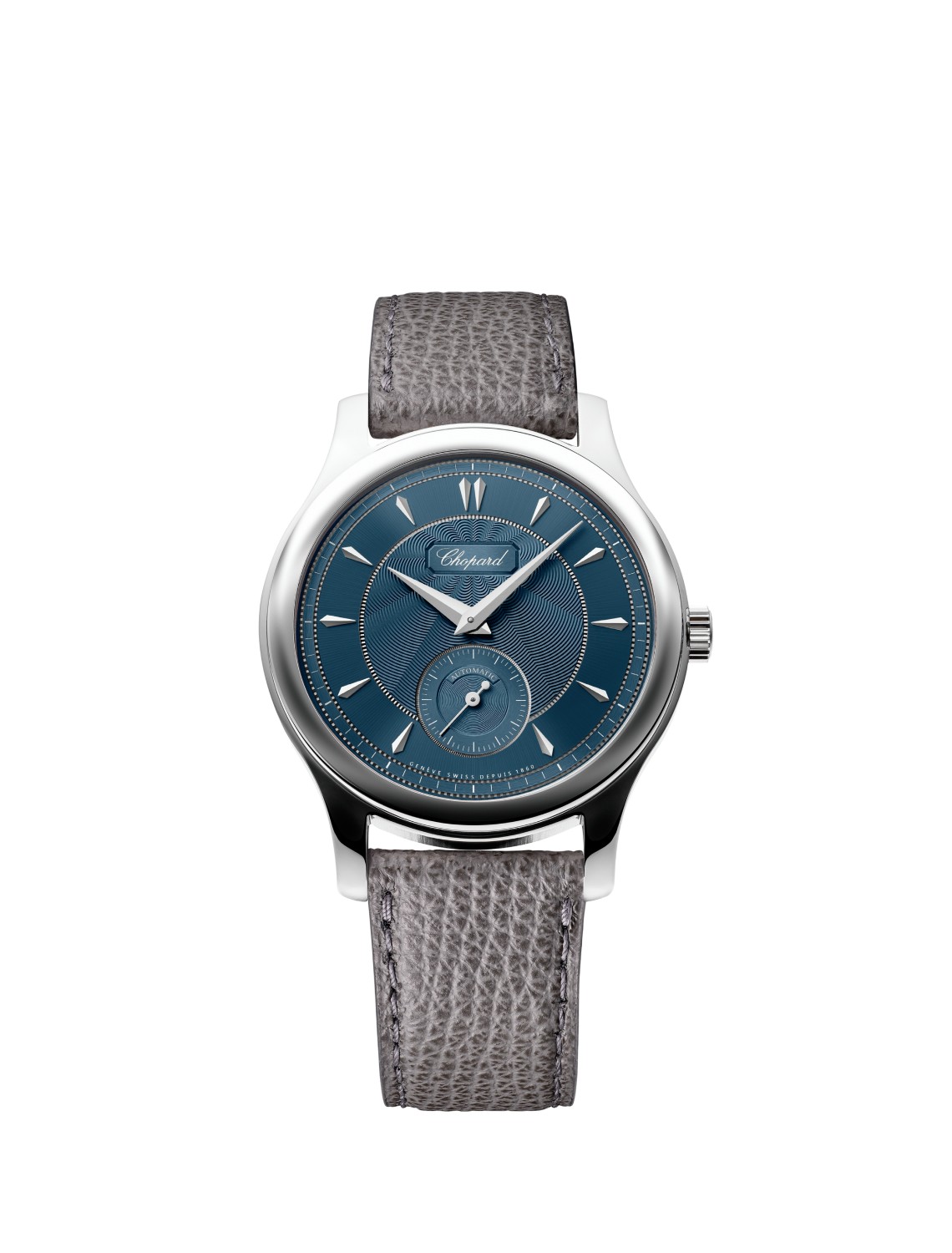
Thirty years after Chopard opened its Fleurier manufacture, the L.U.C 1860 returns as it always should have: the same 36.5mm case, the same hand-guilloche dial worked on century-old tools by artisans who have never needed digital assistance. The only new element is the colour, Areuse Blue, drawn from the river that runs past the workshops and shifts shade with the light.
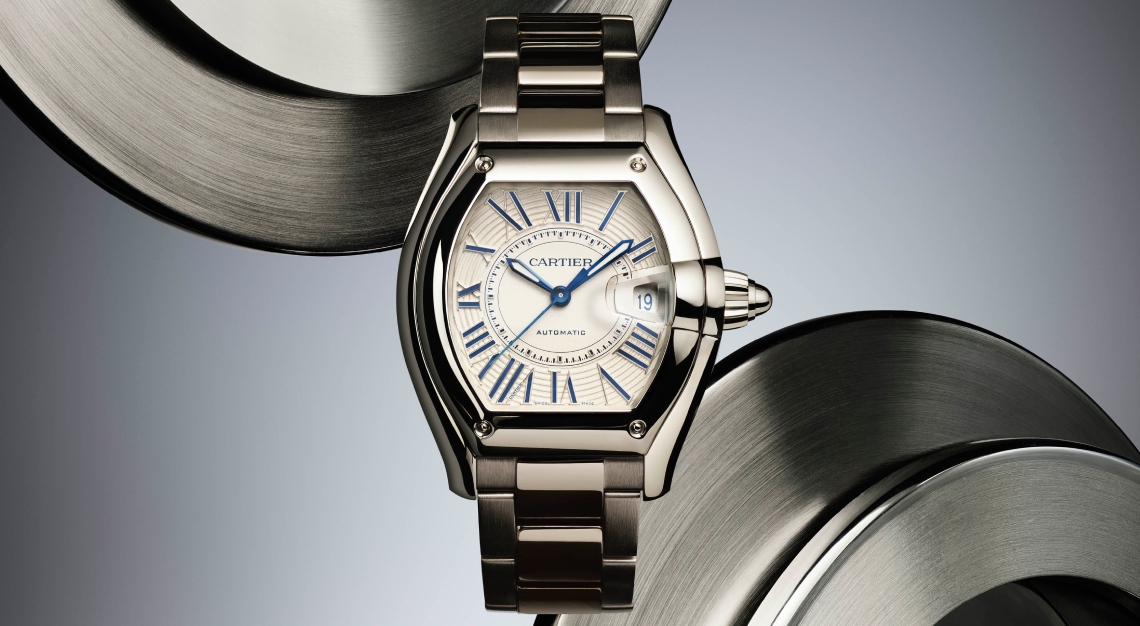
When Cartier debuted the Roadster in 2002, it borrowed its design language from mechanical bodywork: a speedometer-inspired dial, a conical crown shaped like a car’s headlight, and rivets that hark back to its industrial origins. Two decades later, Cartier returned to the archive. The same sculptural case, the same crown, and the same riveted bezel remain, sharpened by more than 100 artisans but never reinvented. Precision, not reimagination.
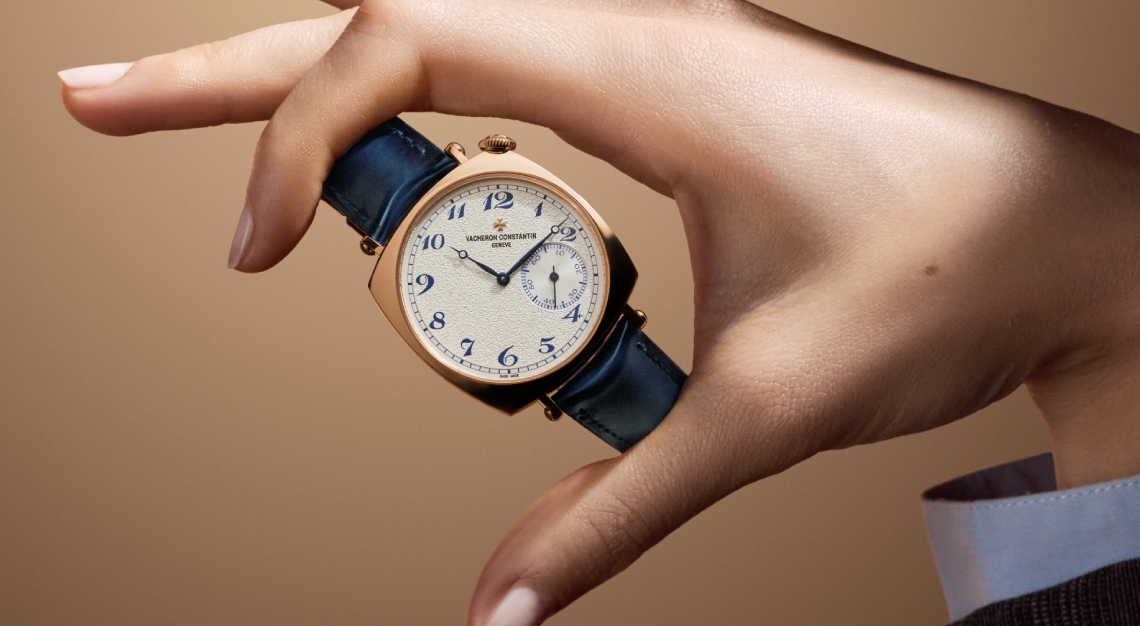
Vacheron Constantin’s Historiques American 1921 traces its origins to a small series of wristwatches built for the gentleman driver: a cushion-shaped case, a dial tilted at 45 degrees, and a crown positioned on the side for effortless reading at the wheel. Over a century later, the archive is consulted again. Every unconventional detail remains intact. The only additions are a grained silver dial, blue Arabic numerals, and a dark blue patinated strap.
Face value
From guilloche and enamel to stone and mother-of-pearl, here are the most striking dial decorations that express creativity and storytelling.
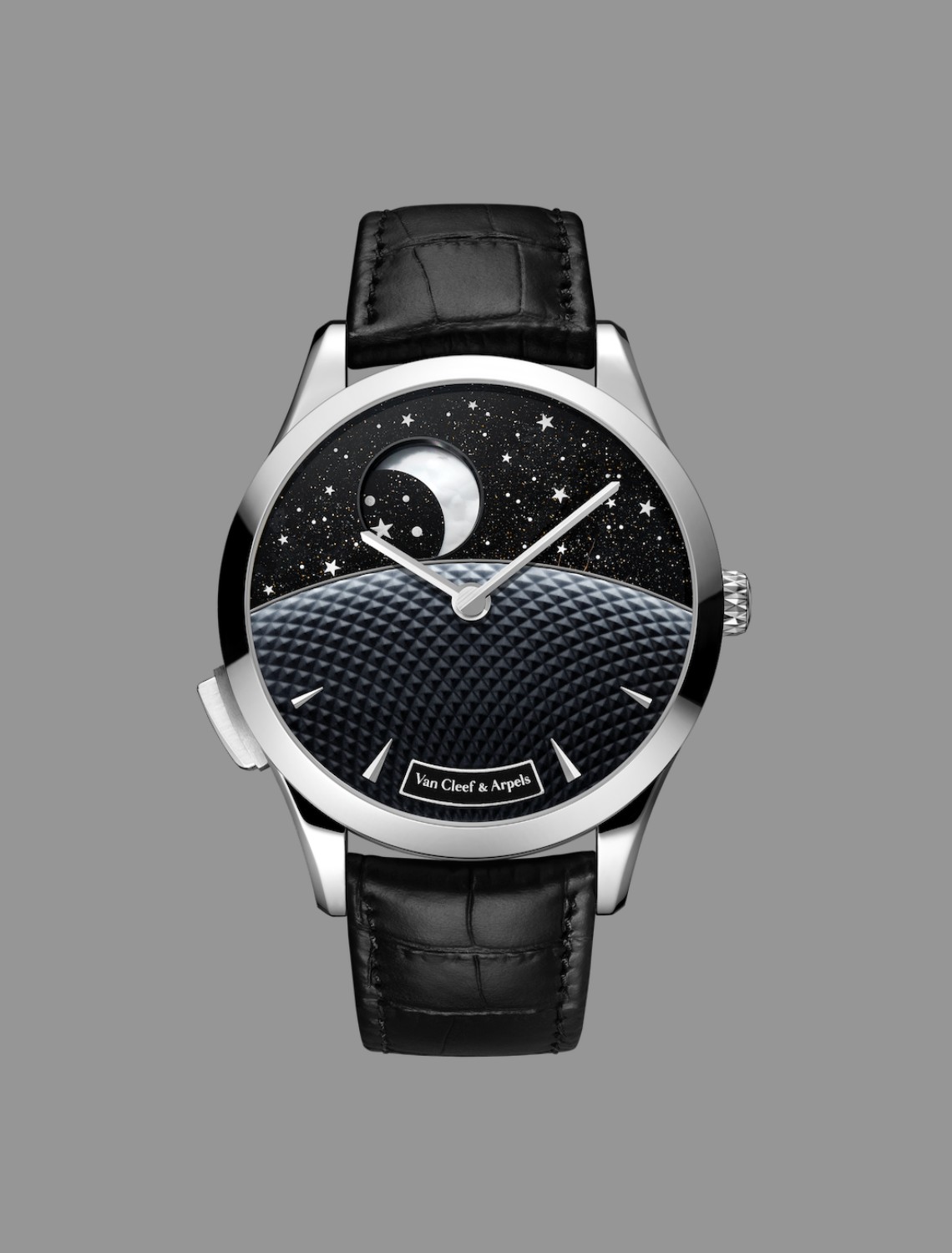
Across the dial of the Midnight Jour Nuit Phase de Lune by Van Cleef & Arpels features a guilloche golden sun and a white mother-of-pearl moon. Photo by Van Cleef & Arpels
The dial of the Midnight Jour Nuit Phase de Lune by Van Cleef & Arpels tells a celestial story. Black Murano aventurine glass forms the sky, its depth shot through with a shimmering bronze-toned effect that recalls starlight on a clear night. Across its surface, a guilloche golden sun and a white mother-of-pearl moon pursue each other endlessly, appearing and disappearing behind a guilloche mother-of-pearl horizon painted in a gradient from black to white.
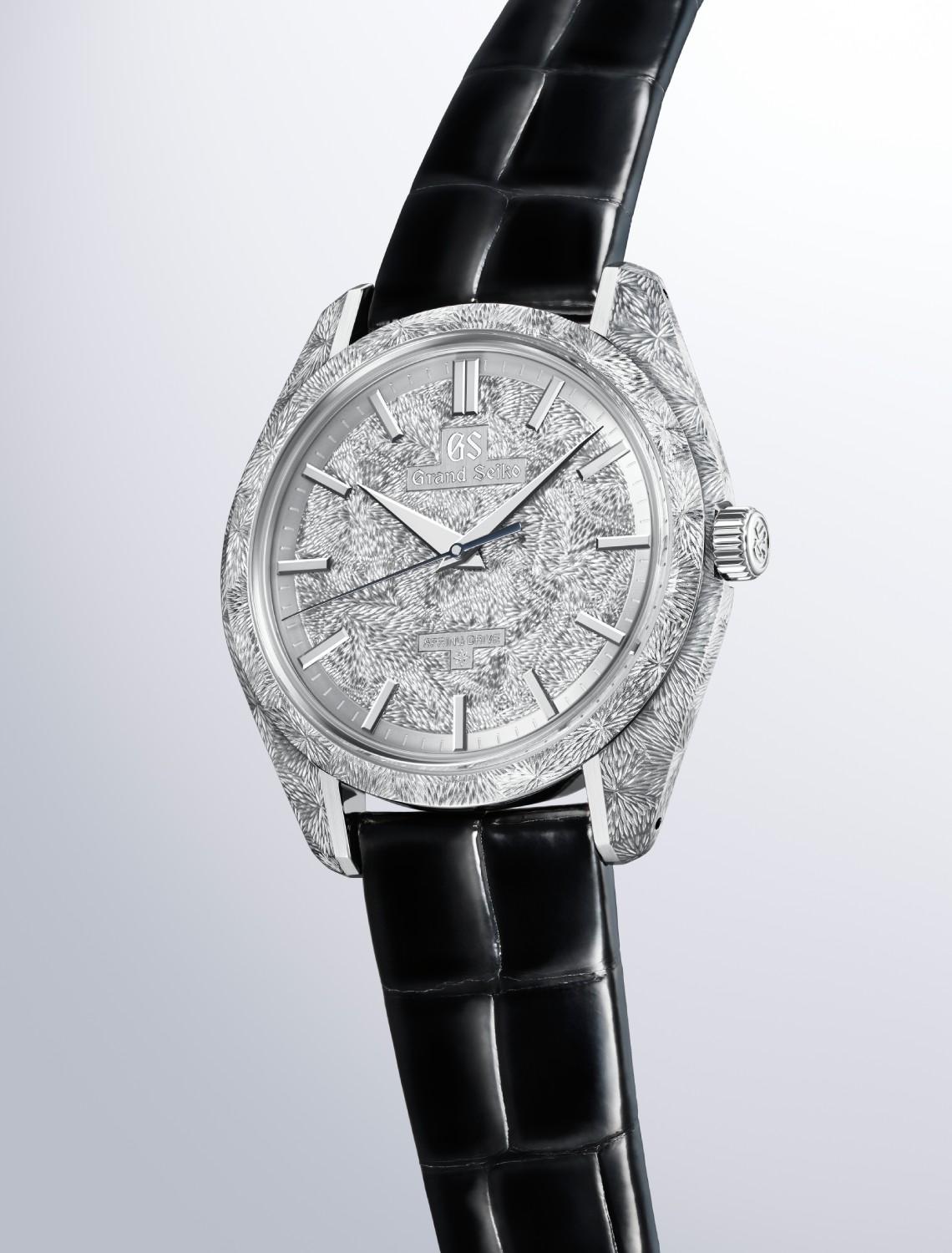
The dial of the Grand Seiko Masterpiece Collection captures Shinshu’s Tateshina Waterfall through intricate handengraving by the artisans of the Micro Artist Studio. Engraved lines converge into a cascading stream, evoking spring water emerging from the earth. As light moves across the surface, the dial appears to shimmer and ripple, creating the illusion of flowing water.
The Bvlgari Tubogas Manchette features a statement dial whose entire surface is pave-set with 0.6 carats of diamonds laid edge to edge, with no lacquer, metal, or visible background beneath. It is a daring design choice. Surrounded by nearly 12 carats of coloured gemstones on the bracelet, the all-diamond dial holds its own without competing for attention. Yellow gold-plated hands float above the uninterrupted field of brilliance, allowing time to be read against a surface of pure light.
Cross pollinations
Watches carry the weight of centuries and collaborations with artists bring a fresh visual language while reframing horological narratives.
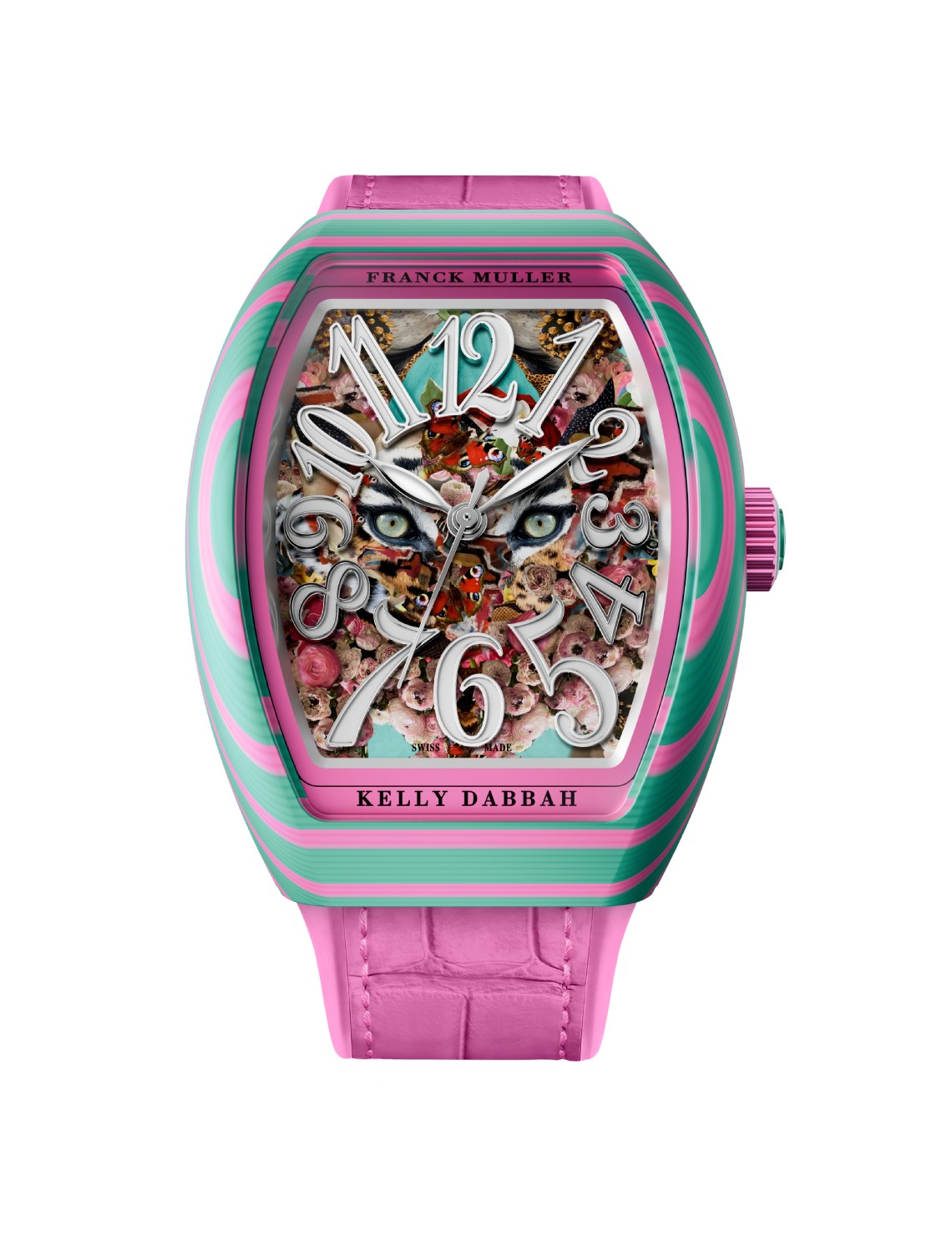
Geneva-born and New York-trained multidisciplinary artist Kelly Dabbah worked with Franck Muller’s Vanguard collection, and the result is unlike anything produced before. The dial was created via a technique borrowed from the art world and reinterpreted with eco-friendly inks. Dabbah’s imagery is heat-transferred directly into the lacquer layer of the dial, embedding permanently rather than sitting on the surface. The effect reads like an indelible tattoo.
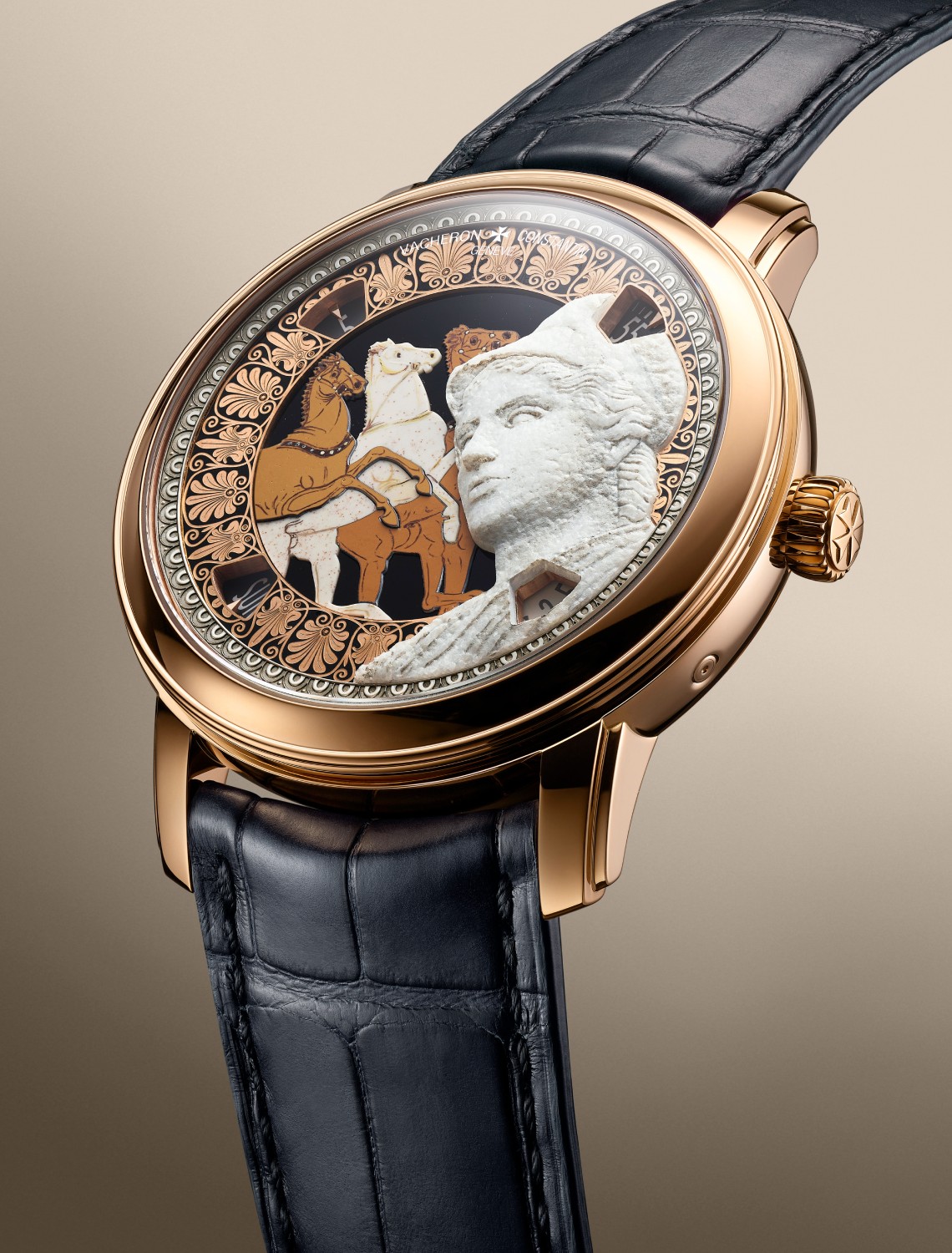
The Louvre opened its vaults to Vacheron Constantin for its Métiers d’Art collection, where each dial becomes a miniature reproduction of an ancient masterpiece: Akhenaten carved in Sinai limestone, the Assyrian Lamassu in Italian sandstone, Athena in Paros marble, and the river god Tiber in micro-mosaic. Each dial required between 120 and 220 hours of painstaking work, with the Louvre’s curators guiding every detail.
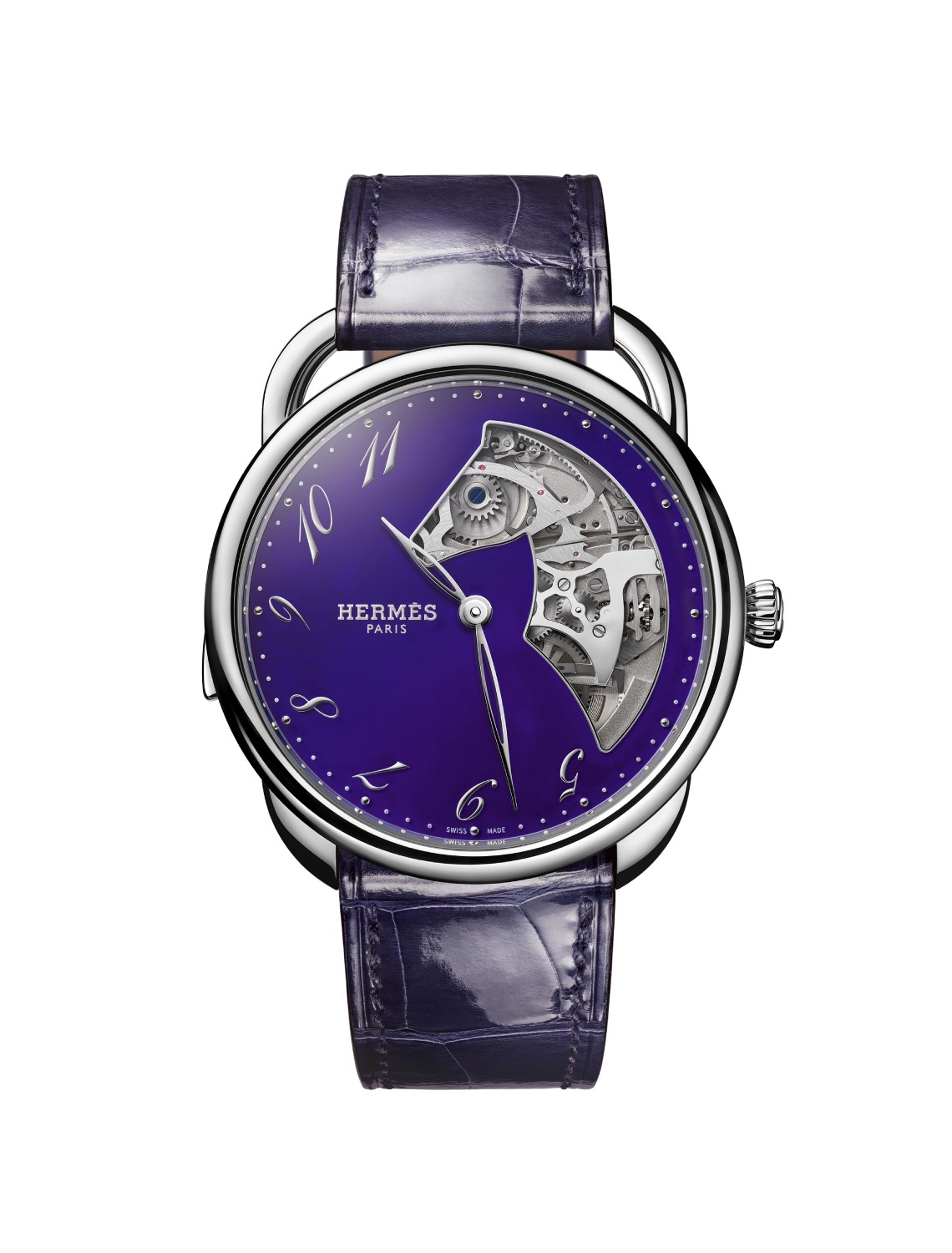
The Arceau Samarcande draws on Hermès’s silk scarf, one of its most enduring designs at 90cm across, translating it onto the dial. Recreated through meticulous hand-painting and enamelling, the miniature artwork preserves the original scarf’s colour palette, linework, and remarkable level of detail. It is one of the most beautiful expressions of what Hermès does with watchmaking. Rather than building a watch identity from scratch, the brand translates its existing design language, from silk scarves and leather goods to its equestrian heritage, into timepieces.
This story first appeared in the August 2026 issue. Purchase it as a print or digital copy, or consider subscribing to us here