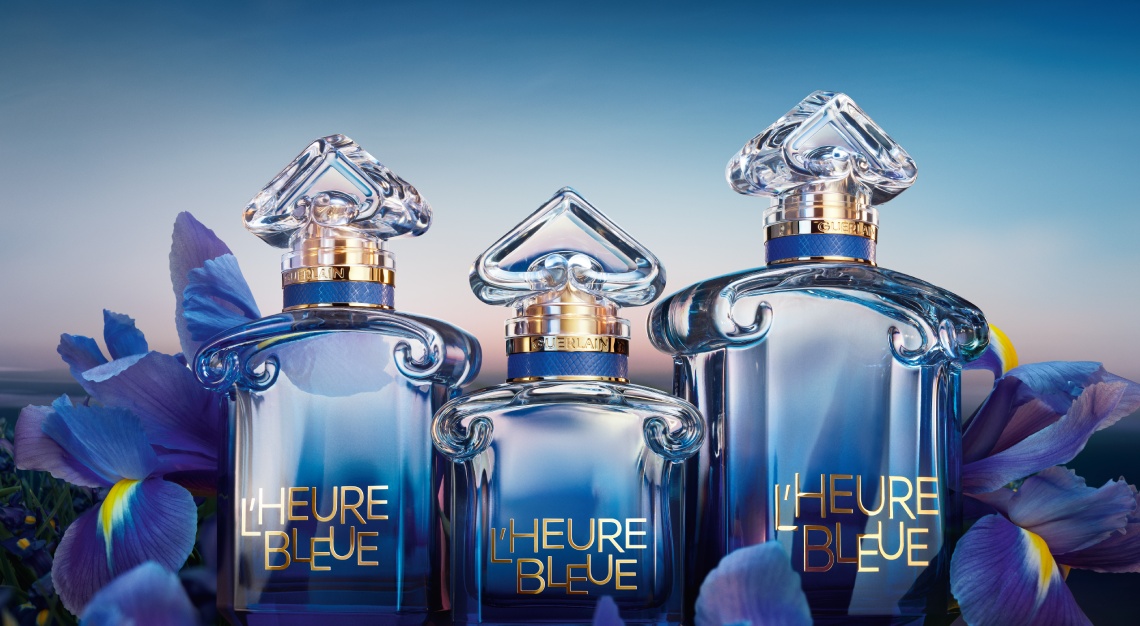
Created in 1912 by master perfumer Jacques Guerlain, L’Heure Bleue enters a new chapter under the creative direction of Delphine Jelk, Guerlain’s director of perfume creation
There’s something romantic about the blue hour. Perhaps its the short window between day and night when the sky turns inky blue, the air cools, and everything feels a little more atmospheric. It becomes the perfect backdrop for what netizens might call a little “main character energy”—and, fittingly, the very moment that inspired Jacques Guerlain’s L’Heure Bleue in 1912.
Now, more than a century later, the house is giving the fragrance a fresh interpretation.
For 2026, Delphine Jelk, Guerlain’s director of perfume creation, has revisited the iconic scent with the same sense of intimacy, but with a lighter, more contemporary feel. “I wanted to capture the blue hour with the same tenderness as Jacques Guerlain’s L’Heure Bleue in 1912,” Jelk says. “It’s a perfume that enfolds us in its powerful yet gentle and intimate scent.”
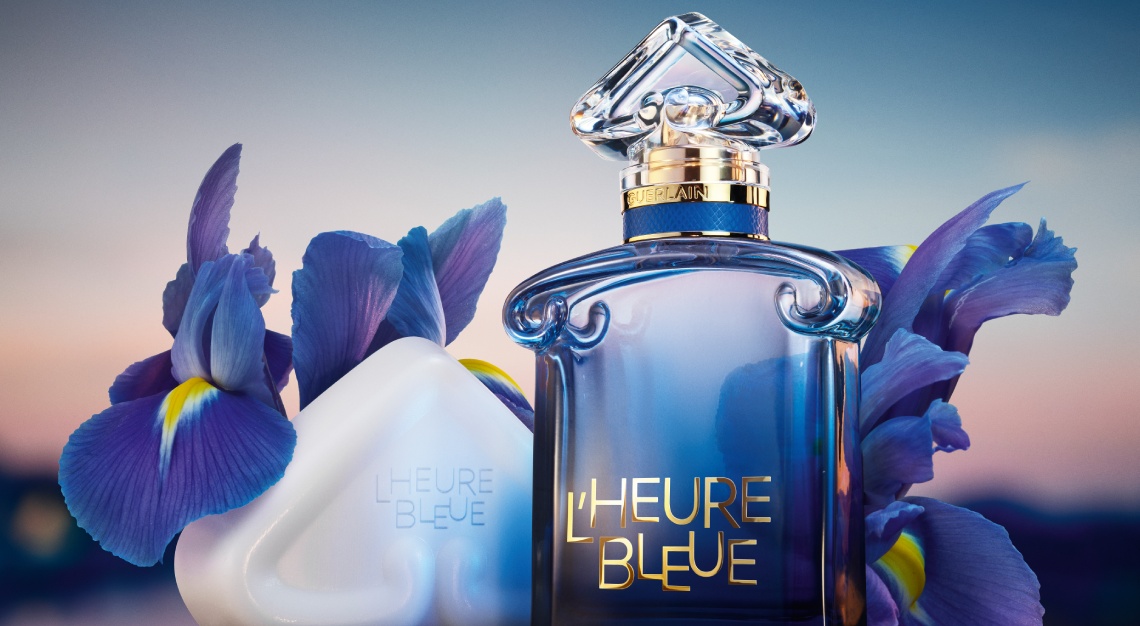
The opening is cool and airy, with an ozonic accord that evokes the crispness of evening air. From there, orange blossom and iris come through at the heart, creating a soft, powdery effect before Guerlain’s signature vanilla and Ambroxan give the fragrance a warmer, more enveloping finish.
The standout here is the iris. Often referred to as the “blue gold” of perfumery, the ingredient has long been part of Guerlain’s signature Guerlinade. For this new iteration, the house created a bespoke iris tincture sourced from Italy, a process that took three years to develop with the Orphin plant.
It birthed an iris that feels fresher and airier than you might expect, bringing a delicate lift to the heart of the fragrance rather than weighing it down with too much powder.
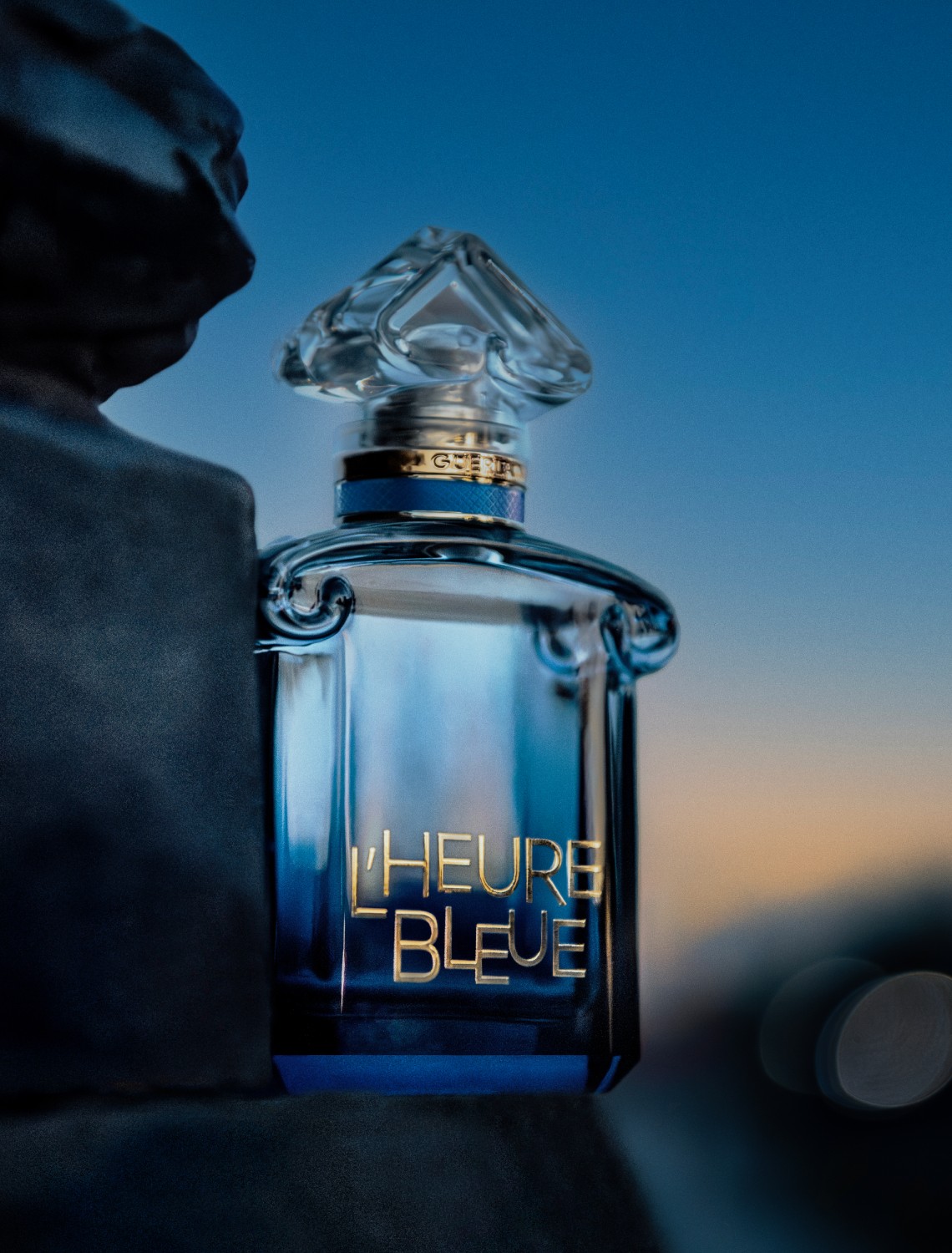
There’s also something quite fitting about L’Heure Bleue being reworked by a woman for a new generation of women. The original fragrance was created by Jacques Guerlain for his wife, but Jelk’s interpretation moves away from traditional ideas of what a “feminine” fragrance should be. Instead, it plays with the push and pull between softness and strength.