The mid-engined Corvette C8 Stingray turns every errand into an entrance
Slip in, pull the door shut, and the world becomes a viewfinder: streetlights hit at the right angle, reflections take on a cinematic quality, and you are, without question, the main character. That, more than anything, is the Corvette C8 Stingray’s defining trick: it makes everyone else pause to watch you arrive.
For context, this is the Corvette that finally went mid-engine—the car the world has been side-eyeing and obsessing over ever since Chevrolet moved the V8 behind the driver. When Corvette officially arrived in Singapore, the brand made no attempt at modesty: a 6.2-litre V8, 495hp, 0–100km/h in 2.9 seconds, and a 312km/h top speed are figures that sound as though they ought to come with a disclaimer. They also mean you can claim, with a straight face, that your grocery run was blistering.
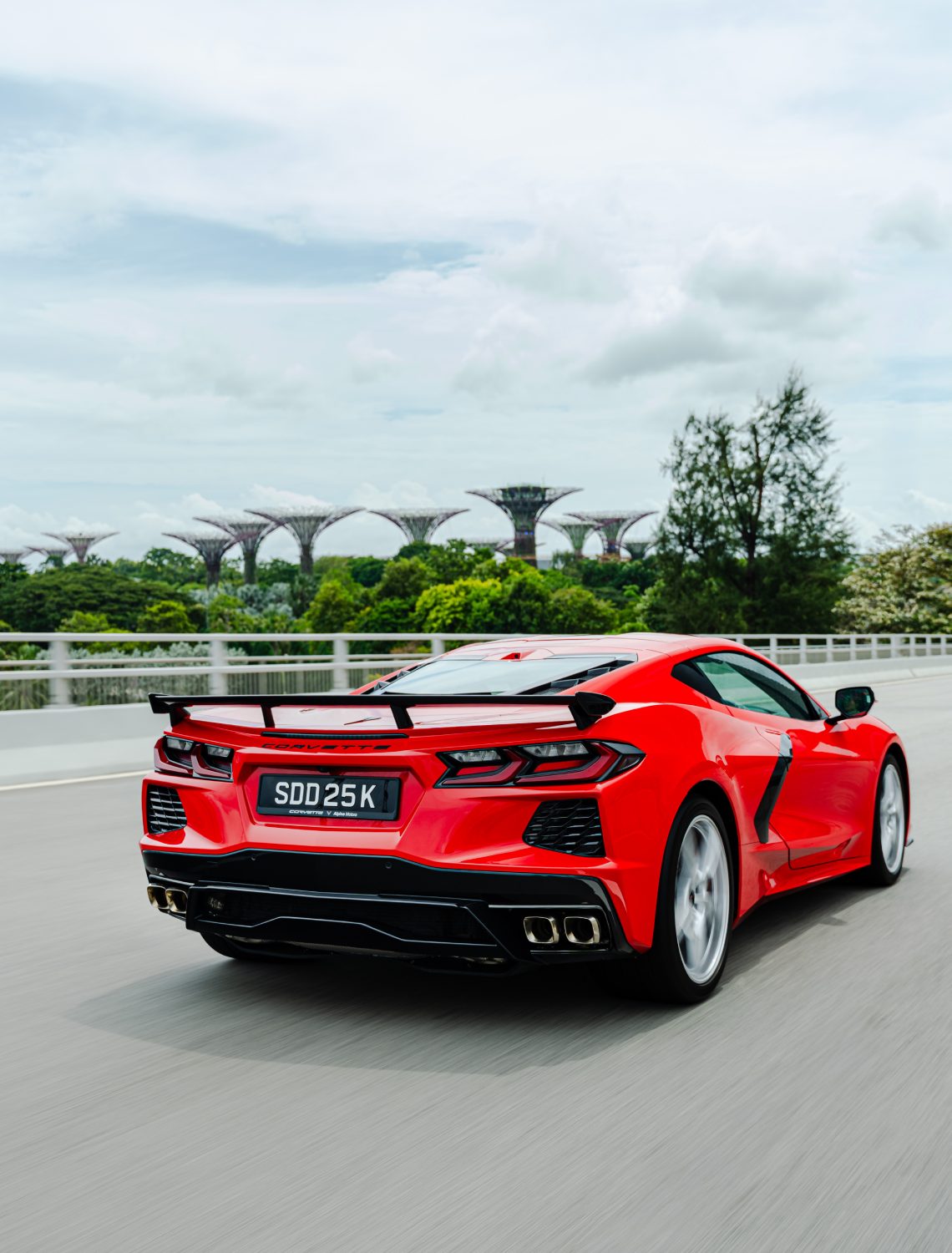
Yet the surprise with the Stingray is not that it is fast—it is that it is easy. The everyday sports car, as one sales manager put it, even venturing to call it a ‘lady’s sports car’ (his words, his opinion). Which I understand the moment I start living with it like a normal car. It starts without drama. It idles with that unmistakable V8 thrum. It behaves in traffic. And when it is time to be outrageous, it simply becomes so.
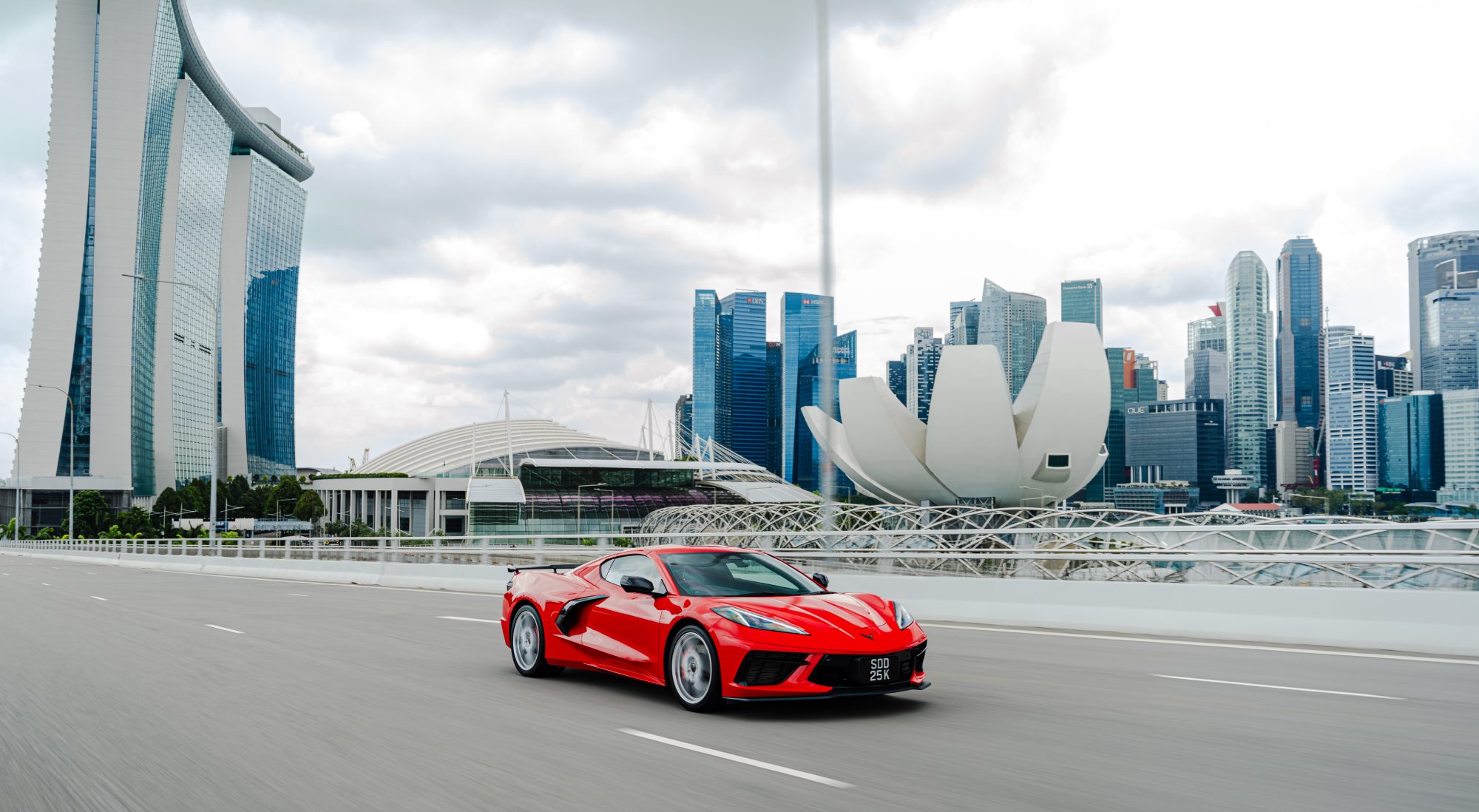
There is a reason the C8 draws stares the way a tuxedo does at a casual dinner. Its canopy-forward stance, inspired by fighter jets and Formula One, gives it a low, purposeful, faintly predatory silhouette. At red lights, people look. In car parks, they linger, some reaching for their phones. The most charged moment, though, comes after dinner: returning to the car at roadside parking, sliding back into the seat, and pressing the starter.
The mid-engine layout also addresses a fear many first-timers share, myself included: visibility. You would assume a car this low, this sculpted, this adjacently supercar would feel like peering through a letterbox. In practice, forward visibility is good—a benefit Chevrolet attributes to the cockpit being pushed forward and the engine sitting behind the driver. I was not battling pillars, nor did I feel visually boxed in by the windscreen. Singapore’s roads, with their lane-changing theatre and sudden filtering, remained legible.
Proof of power
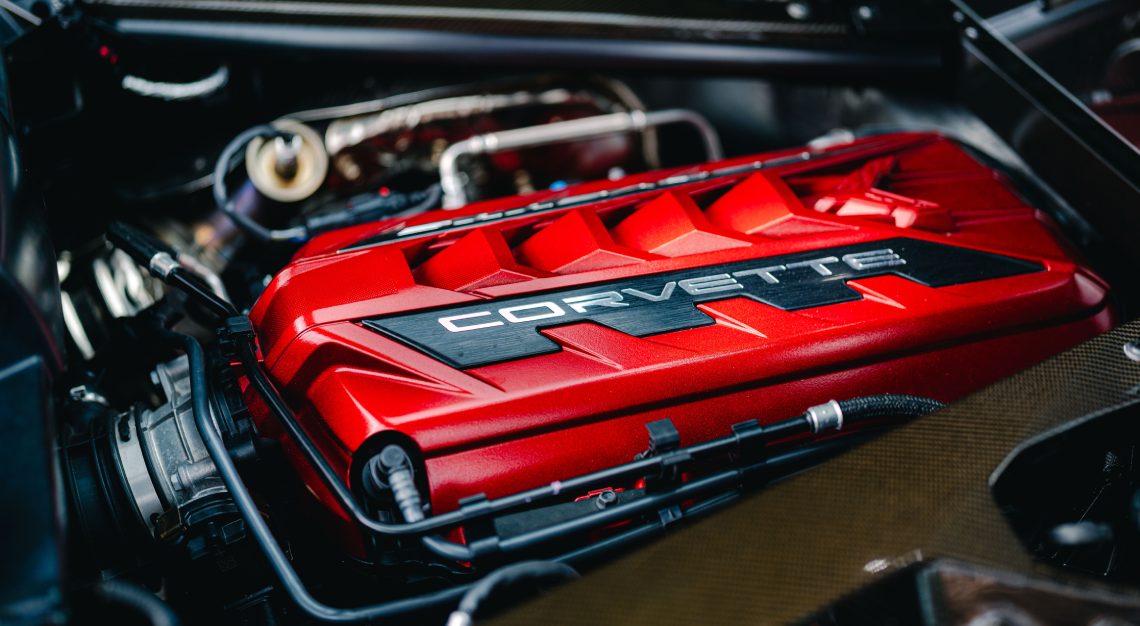
Then there is the sensation of the power. I drive with my shoes off for much of the time. Not out of any feral impulse—though the Stingray does invite a certain abandon—but because I want to feel the unadulterated response at the flex of my foot. The engine is a 6.2-litre LT2 V8; with the Z51 Performance Package, it produces 495hp and approximately 637Nm of torque. What matters in practice is how immediate it all feels: the elastic shove, the way the car gathers itself and goes.
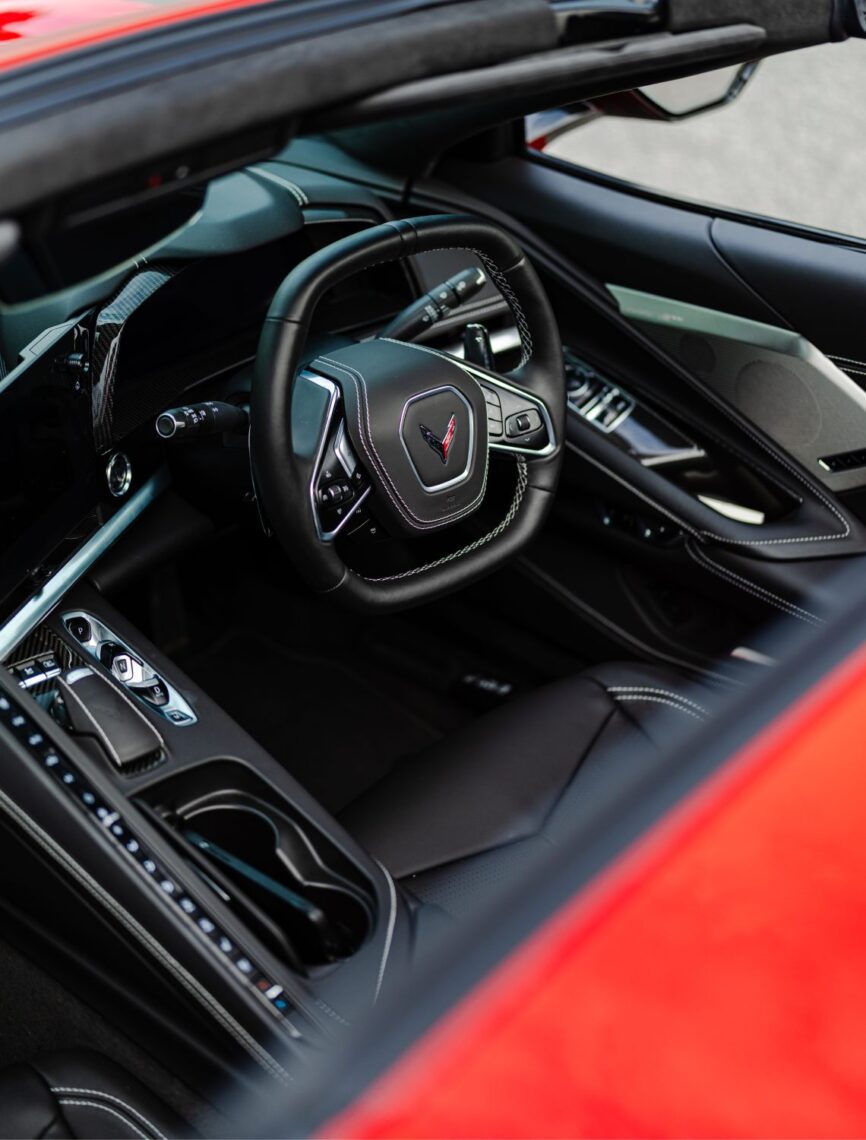
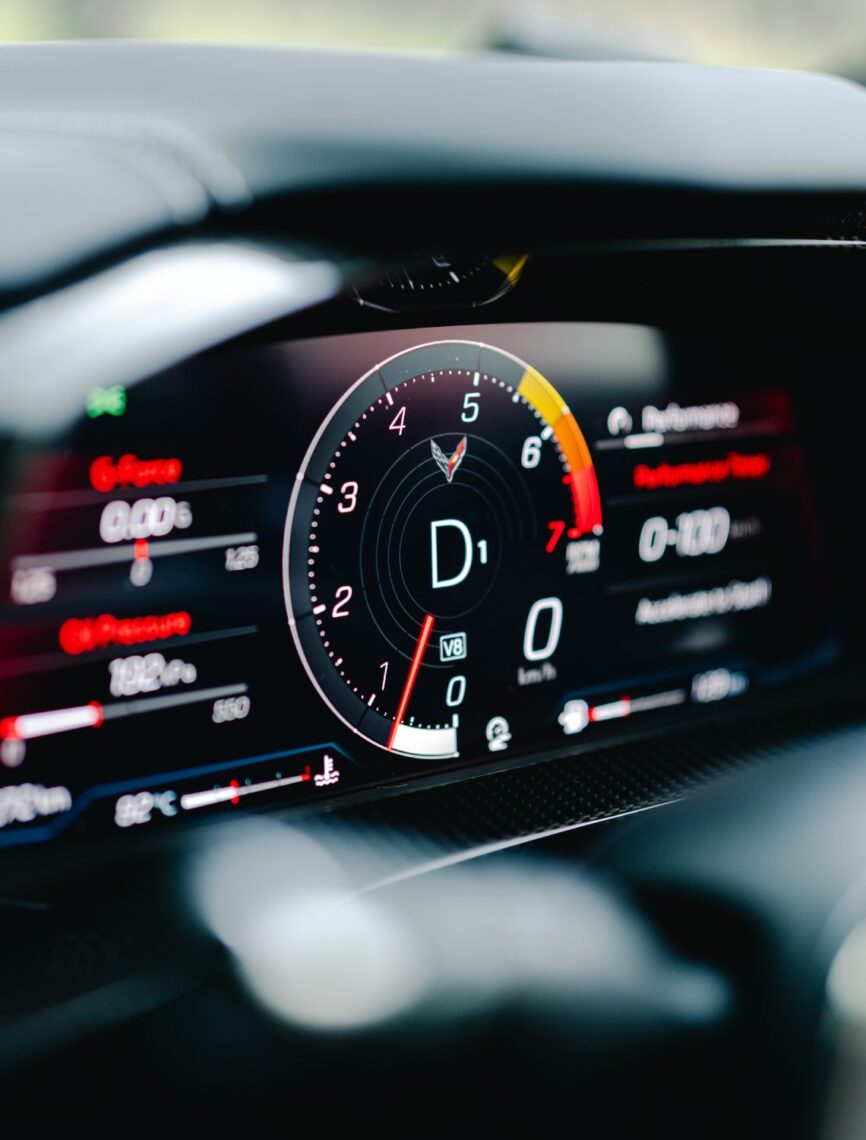
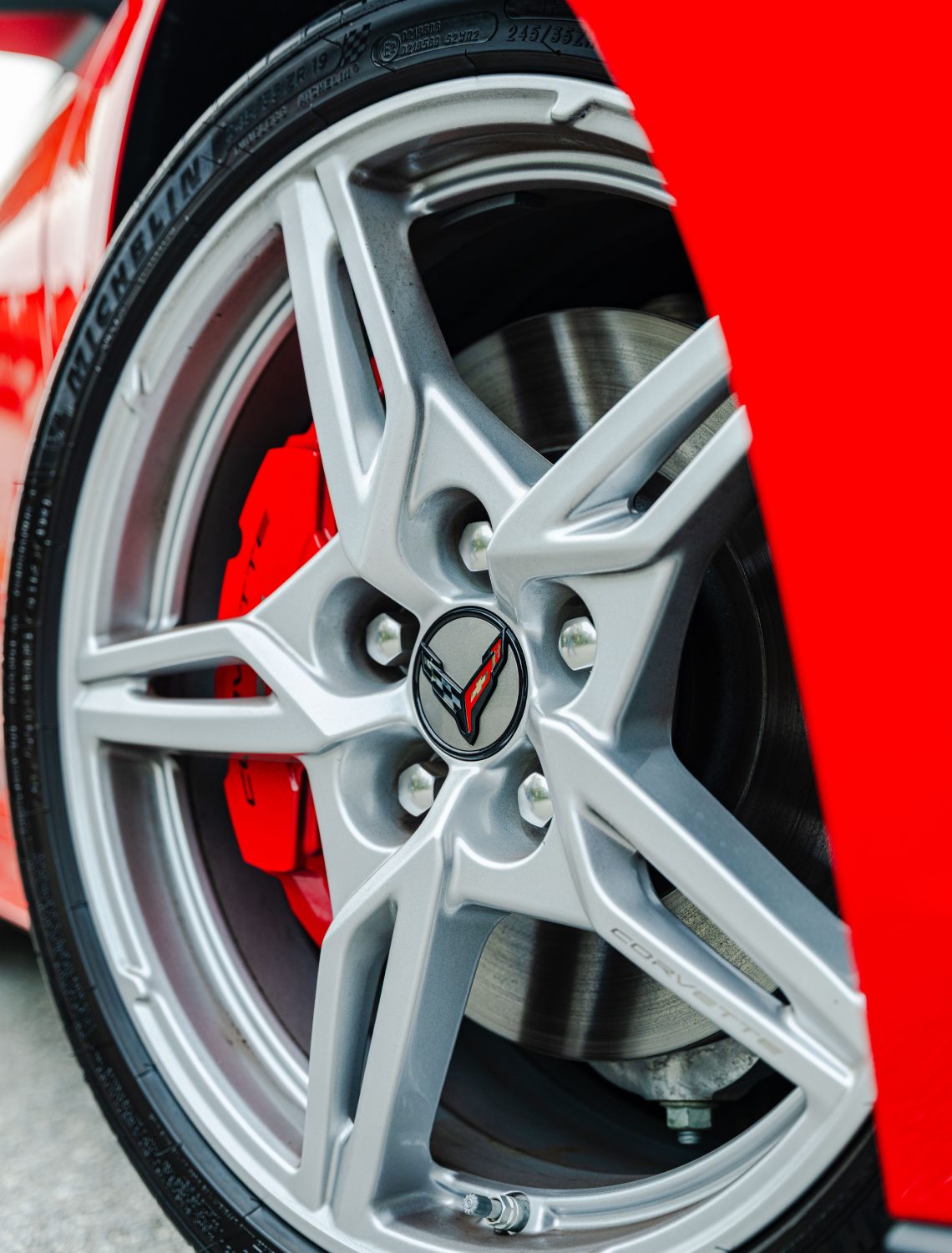
This confidence is part of the mid-engine proposition. With weight sitting closer to the rear-driving wheels, acceleration feels like a decision rather than a gamble. In Singapore’s context—hot tarmac, tight slip roads, short bursts of space between traffic—the Stingray feels alert and composed without being draining. Locally, the Z51 Performance Package comes standard, bringing revised suspension, an upgraded exhaust, larger brakes, and Michelin Pilot Sport 4S tyres, among other additions.
The Stingray is not without its comedy, however. In-cabin storage is poor, which is amusing in a car that otherwise feels so precisely engineered. The priorities are clear: driver, engine, drama—and then, some distance later, practicality. There are two boots, spacious enough for luggage or a pair of golf bags. But for cabin odds and ends—a phone, a bag, the usual accumulation—the solutions feel provisional. I spend two days doing the classic sports-car shuffle, moving things from one inadequate spot to another.
A word, too, about that rear boot. Because the engine sits directly behind the driver, heat is part of the ecosystem. A rear hatch glass panel showcases the engine bay and assists with ventilation, which is clever engineering—until you realise you have left something delicate back there. In my case, it is a lipstick in my bag, which has undergone a transformation when I retrieve it later. Consider it my contribution to the science of thermal management.
The test car also comes with a 14-speaker Bose Performance Series system—described by Corvette as the most powerful audio set-up ever fitted to the nameplate. It is good, properly punchy, theatrical when called upon. But in all honesty, it feels slightly redundant, when the soundtrack I want is behind my head.
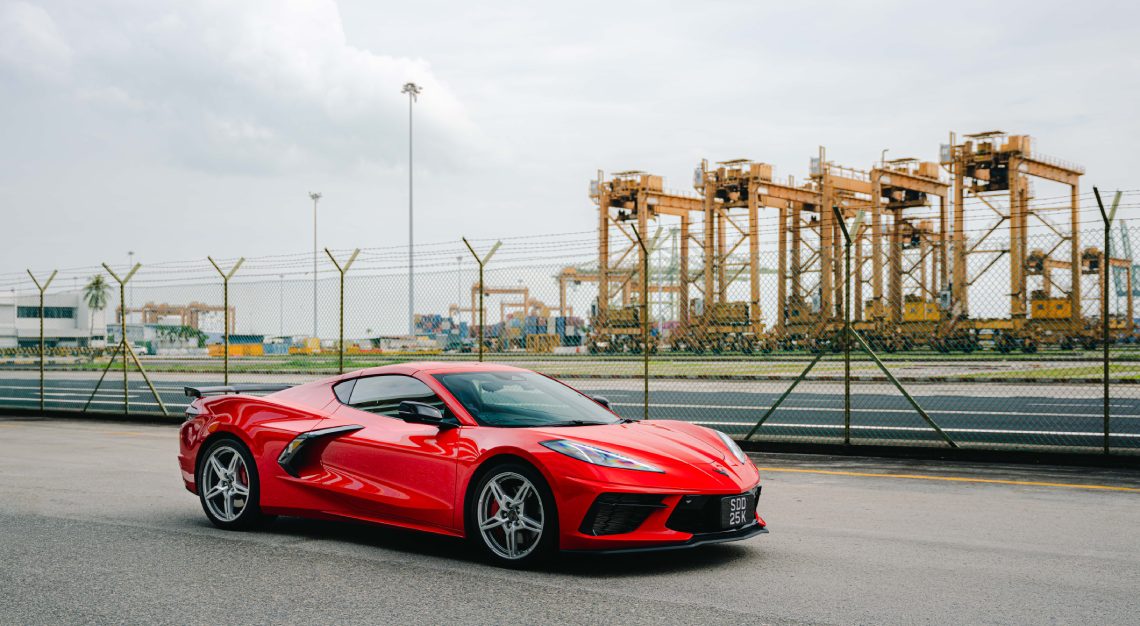
What is most striking about the C8 Stingray, after two days of living with it, is how convincingly it plays both roles. It delivers the glamour: the stares, the “Is that a Ferrari?” double takes. And it delivers the everyday: visibility that does not stress you out, usable driving manners, and thoughtful driver-focused touches, such as the Performance Data Recorder for those who like to log their drives as personal sport.
The real headline, though, is simpler. The Stingray turns the ordinary into a scene. Slip in, start it up, roll out, and the world feels composed around you. In a city where most drives are functional, the Corvette C8 Stingray makes a case for driving as performance art. I’ll just need to keep my lipstick away from the hot bits.