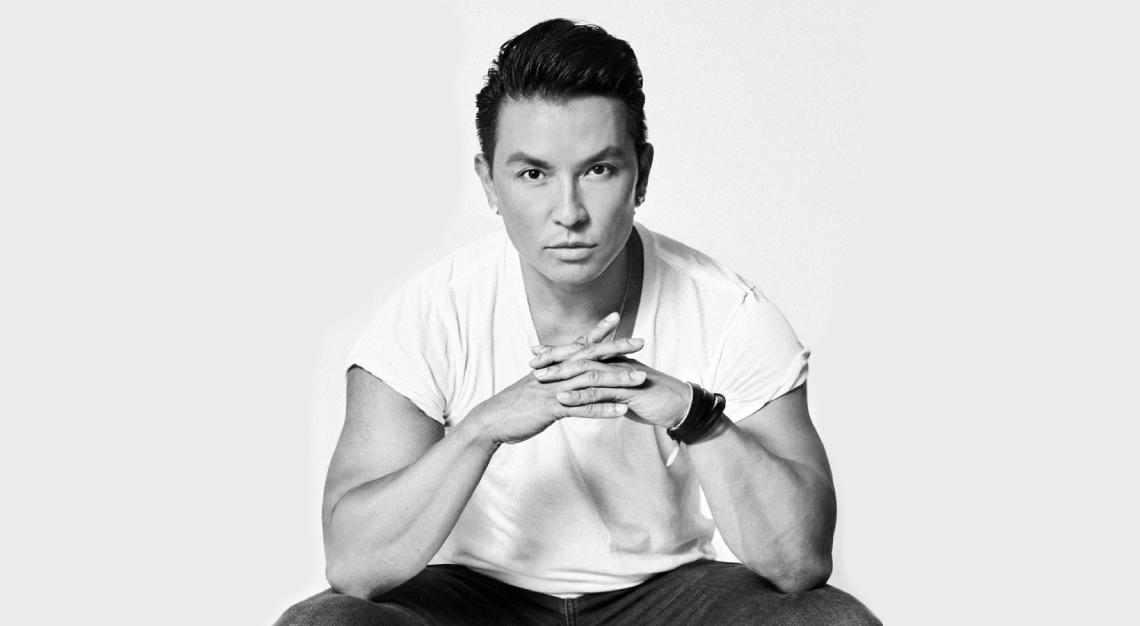
Singapore-born Nepalese American fashion designer Prabal Gurung discusses his roots, global journey, and his values-driven approach to modern luxury
For a city-state of fewer than six million people, Singapore has produced a remarkable number of globally recognised talents—singers JJ Lin and Stefanie Sun, and, in fashion, Prabal Gurung. Born here, raised in Nepal, and shaped by New York, Gurung represents a new kind of global designer: one whose identity is not anchored to a place, but shaped, instead, by a life lived across borders. That the little red dot could claim even a fraction of his origin story says something about the city’s quiet capacity to produce someone who has dressed the world’s most influential women, including Anne Hathaway, Kate Middleton, Oprah Winfrey, Sarah Jessica Parker, and Demi Moore.
Since debuting his eponymous label at New York Fashion Week in 2009, Gurung has become a compelling voice in modern luxury. Though his time in Singapore was brief, it proved foundational. He recalls the freedom his mother gave him to be fully himself, alongside an early immersion in cultural diversity. The city, where identities intersect, instilled in him a conviction that creativity is born from dialogue.
“The more we open ourselves to different perspectives, the more we realise that true creativity comes from empathy and understanding,” he reflects.
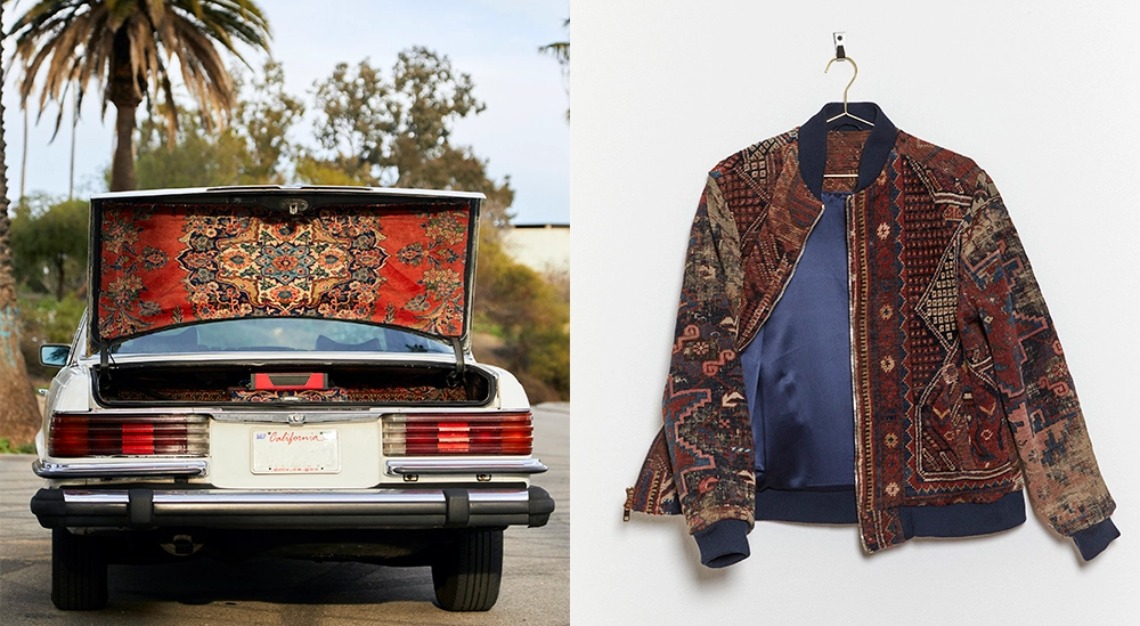
Growing up, Gurung learnt to see the world through multiple lenses at once. That fluidity became the cornerstone of his design language. Rather than treating cultures as discrete entities, he approaches them as interconnected narratives that are bound by empathy, curiosity, and lived experience. His collections reflect this sensibility. They operate as conversations between places—India, Japan, Nepal, Italy—each reference layered with intention, each garment a convergence of histories.
Crafted in New York yet globally informed, his work holds to a central conviction: that fashion can act as a bridge, creating a space for multiple voices to be seen and heard.
“I am an amalgamation of everywhere I’ve been,” he says.
The silver lining
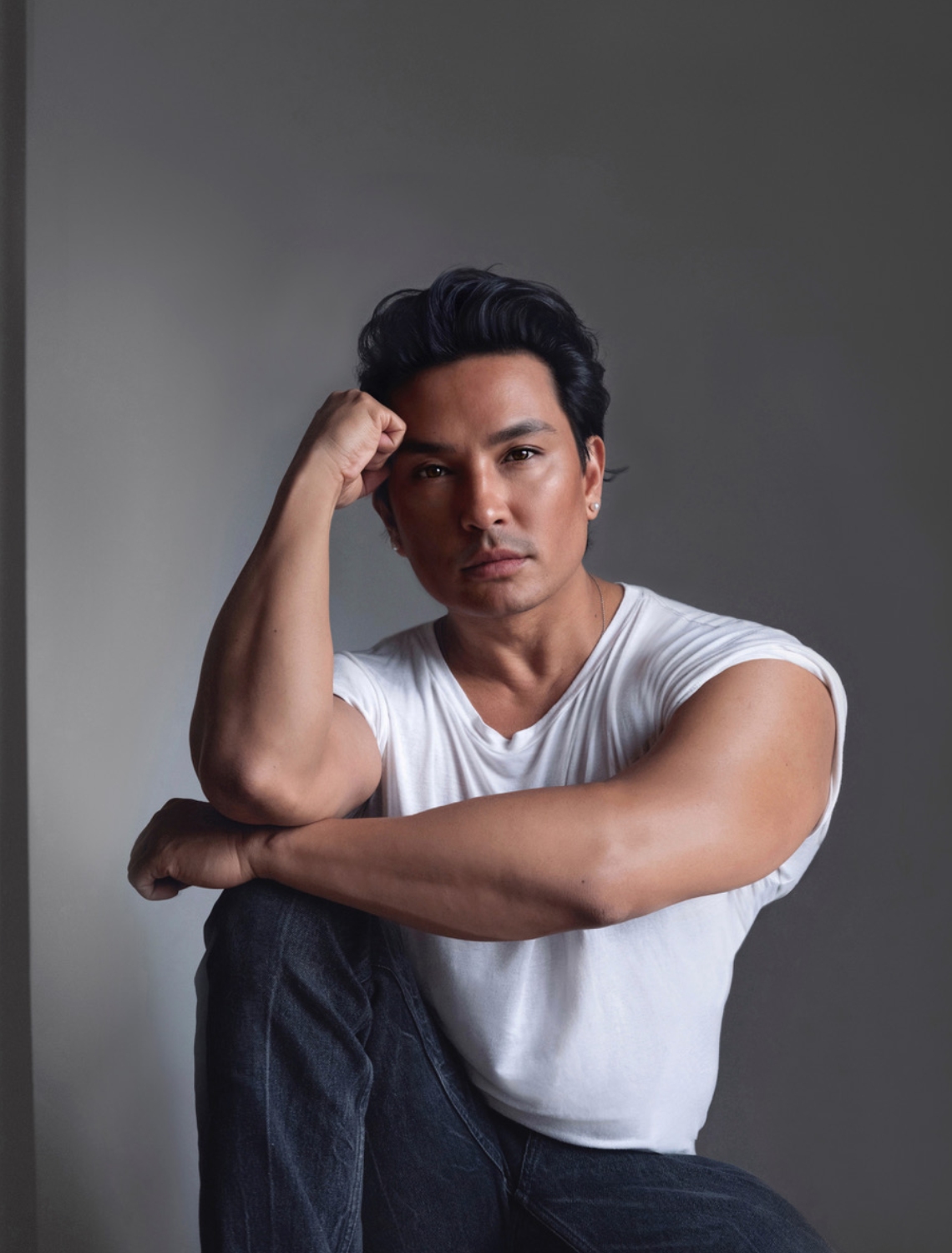
Like many entrepreneurs, Gurung’s path to success was far from smooth. He launched his label in 2009 amid the global financial crisis. At a moment of industry-wide uncertainty, the decision to press forward revealed something deeper and delivered lessons that remain central to how he works today.
“I believed that the courage to follow your own truth and show up as yourself is the only real way forward,” he explains. “That courage—to speak up amid instability—taught me that true luxury is rooted in purpose, storytelling, and the grit to make your dreams real.”
The experience reshaped his understanding of resilience: not as the absence of failure, but as the honesty to keep moving through it. For Gurung, there is power in vulnerability and in showing up fully even when the path is unclear. “I learnt that it’s okay to be ‘messy’ and to make mistakes as long as you’re moving forward with empathy and soul,” he says.
Today, as fashion shifts away from traditional notions of exclusivity, Gurung stands at the forefront of an inclusive definition of luxury. His work is about creating connection with pieces that allow the wearer to feel seen, rather than styled into conformity. That conviction extends beyond the atelier. When figures such as Michelle Obama or Kamala Harris wear his designs, Gurung regards it as part of a broader cultural dialogue as much as a personal milestone. Clothing, in his view, is never neutral. It carries narrative, intention, and meaning.
“Fashion is a language,” he says. “It’s always part of a larger conversation.”
Looking ahead, Gurung is energised by where the industry is moving. The long-dominant Western lens is giving way to an expansive, global perspective shaped by designers from historically overlooked regions. What was once considered peripheral is now central, bringing new depth and richness to the global fashion landscape.
In an industry that often reduces identity to branding, Gurung resists simplification. Moments such as dressing Diljit Dosanjh reflect his commitment to preserving cultural expression in its fullest form: unapologetic, specific, and personal.
Legacy for its own sake holds little interest for him. What he is building is more enduring—a brand with soul. One that makes people feel recognised and reminds them that they matter. In his world, that sense of being seen is the ultimate luxury.
“If my legacy is a place where creativity, empathy, and representation all live together,” he says, “then I’ve done my job.”
This story first appeared in the May 2026 issue. Purchase it as a print or digital copy, or consider subscribing to us here