
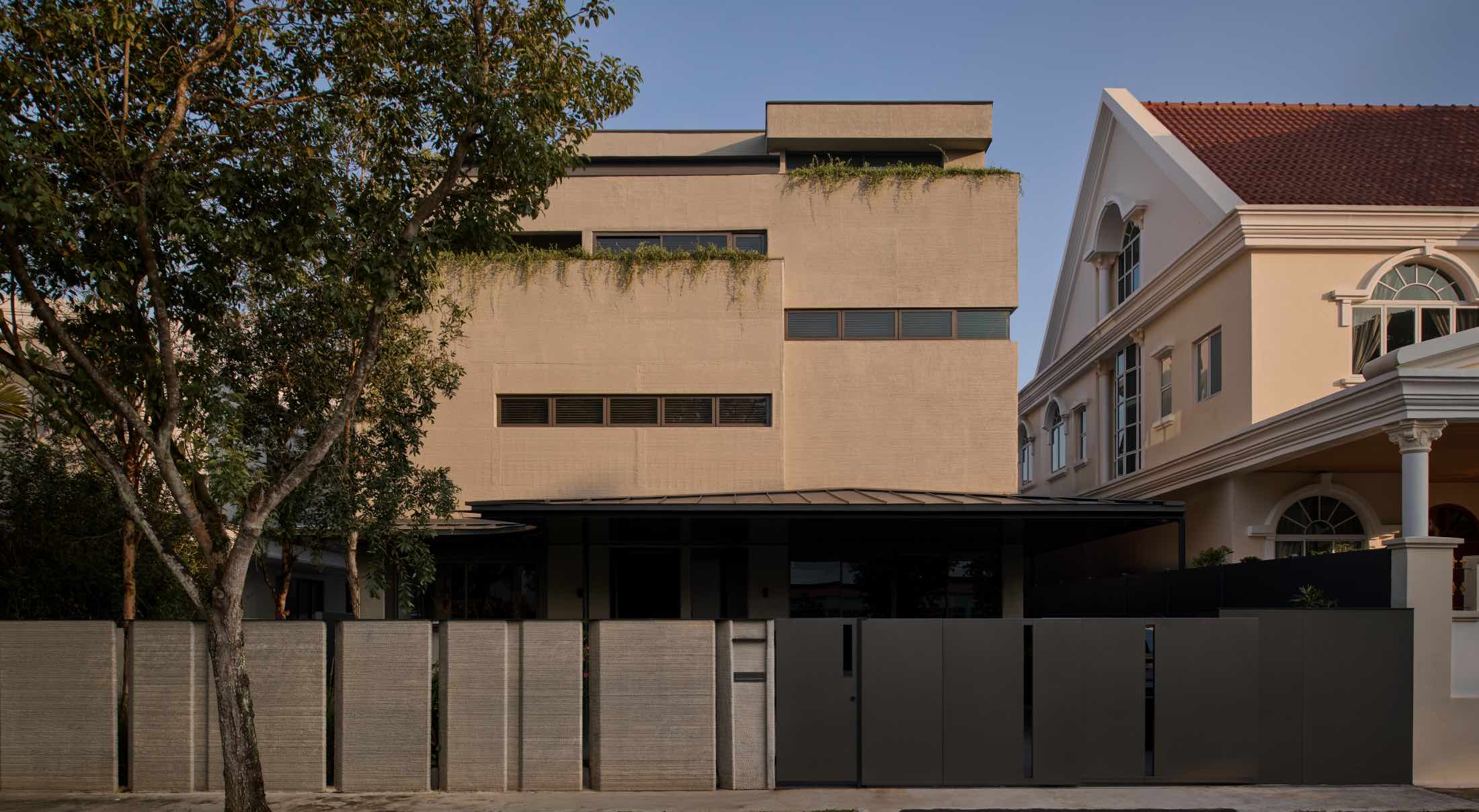
Known as QR3D and designed by Park + Associates in collaboration with CES_InnovFab, the four-storey house is built through 3D printing
For architect Lim Koon Park, one of the boldest professional risks he has taken was also the most personal. Rather than building his family home through conventional means, he chose to realise it through 3D printing—a method that, until recently, had been largely confined to experimental pavilions and pilot projects.
Years of quiet curiosity about alternative approaches to design and construction eventually crystallised into a full-scale, multi-storey residence. The process demanded fresh answers to questions as fundamental as how to mix concrete or seal a window. The rewards, however, have been considerable: a home that reveals its own making through every striated wall, while reducing waste and labour in an unforgiving market.
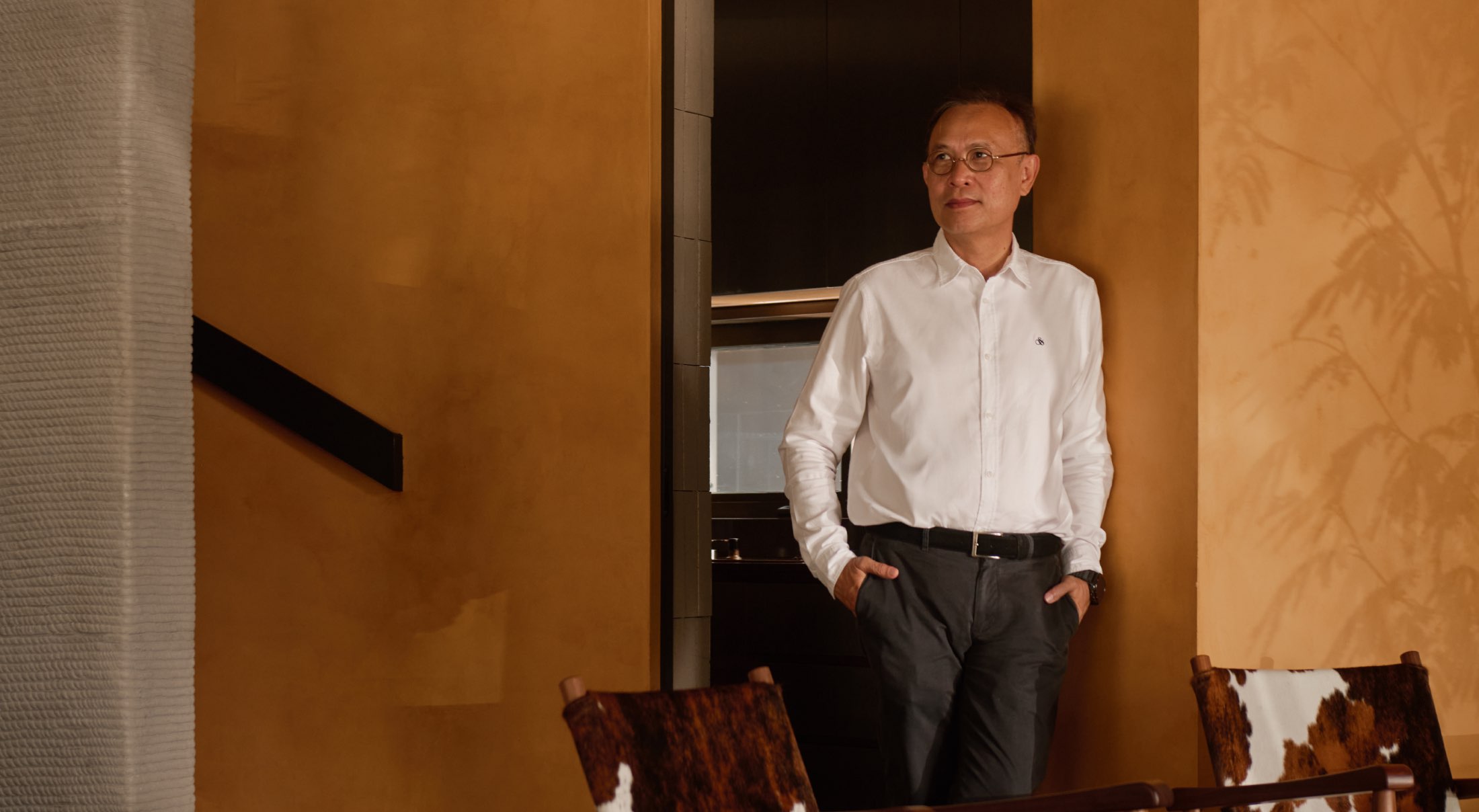
Known as QR3D and designed by Park + Associates in collaboration with CES_InnovFab, the four-storey house is more than a technological milestone. It is a lived-in manifesto, an exploration of how digital fabrication can move from theory into daily life.
In pushing the boundaries of what 3D printing can achieve, Park + Associates makes a compelling argument: that the future of architecture need not be sterile or mechanical. Here, technology becomes a tool not for spectacle, but for clarity, allowing design, space, and experience to come into sharper focus.
Park describes the project as a slow burn of curiosity that had been building for many years, rooted in his longstanding interest in alternative ways of conceiving and delivering architecture. Work began in earnest towards the end of 2021. “Being our first 3D-printed project, it did require a lot more thinking, problem-solving, and collaboration,” he explains.
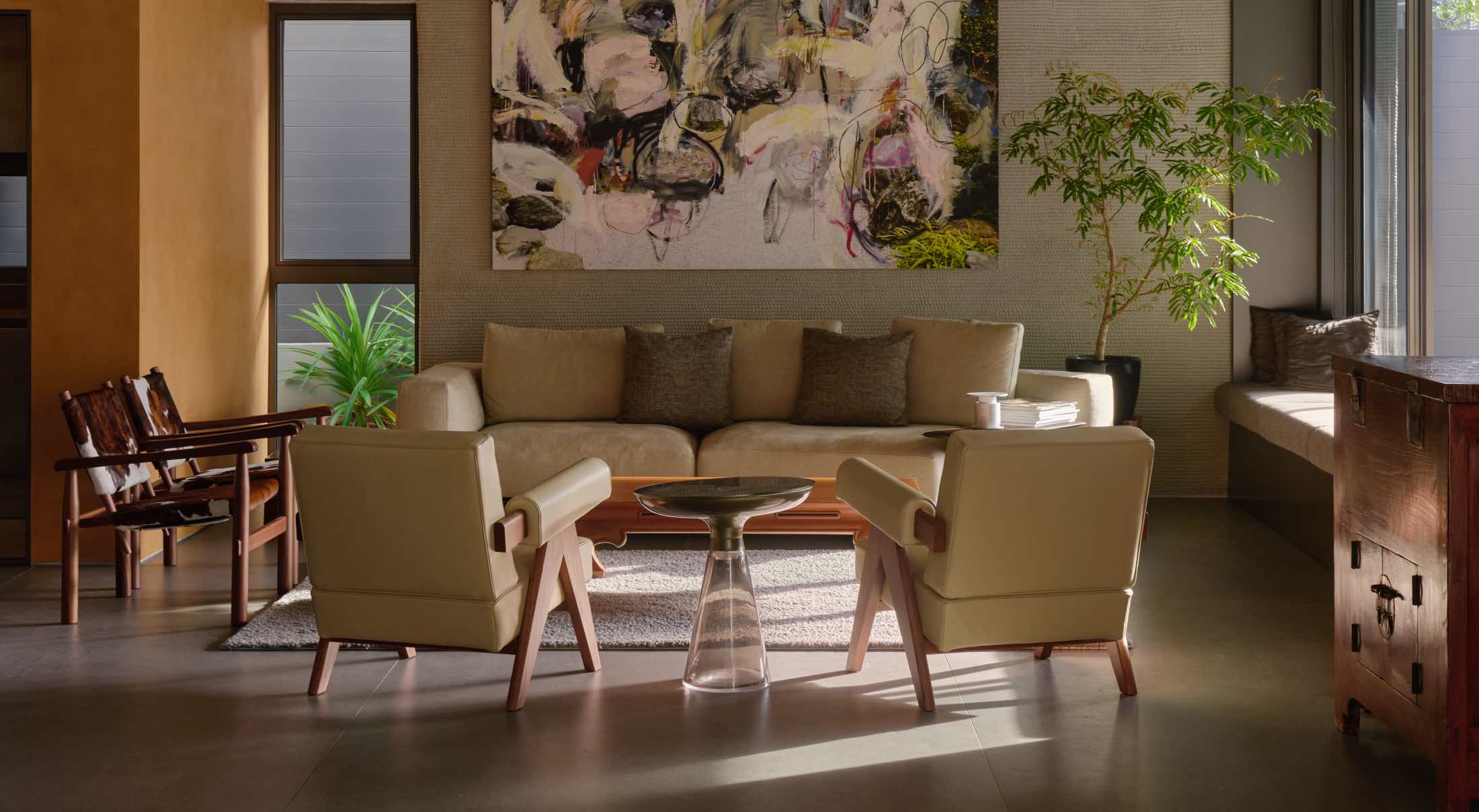
“With conventional brick and mortar, reinforced concrete, or steel construction, we know what they are, we understand the material properties and how they come together.” With 3D printing, he had to start from scratch, improvising solutions for even the most basic elements. The technical challenges were significant. One was calibrating a concrete mix viscous enough to hold its shape under its own weight, yet fluid enough to pass through the printer nozzle. Another lay in printing near the party wall, where the nozzle’s proximity to the boundary had to be carefully managed.
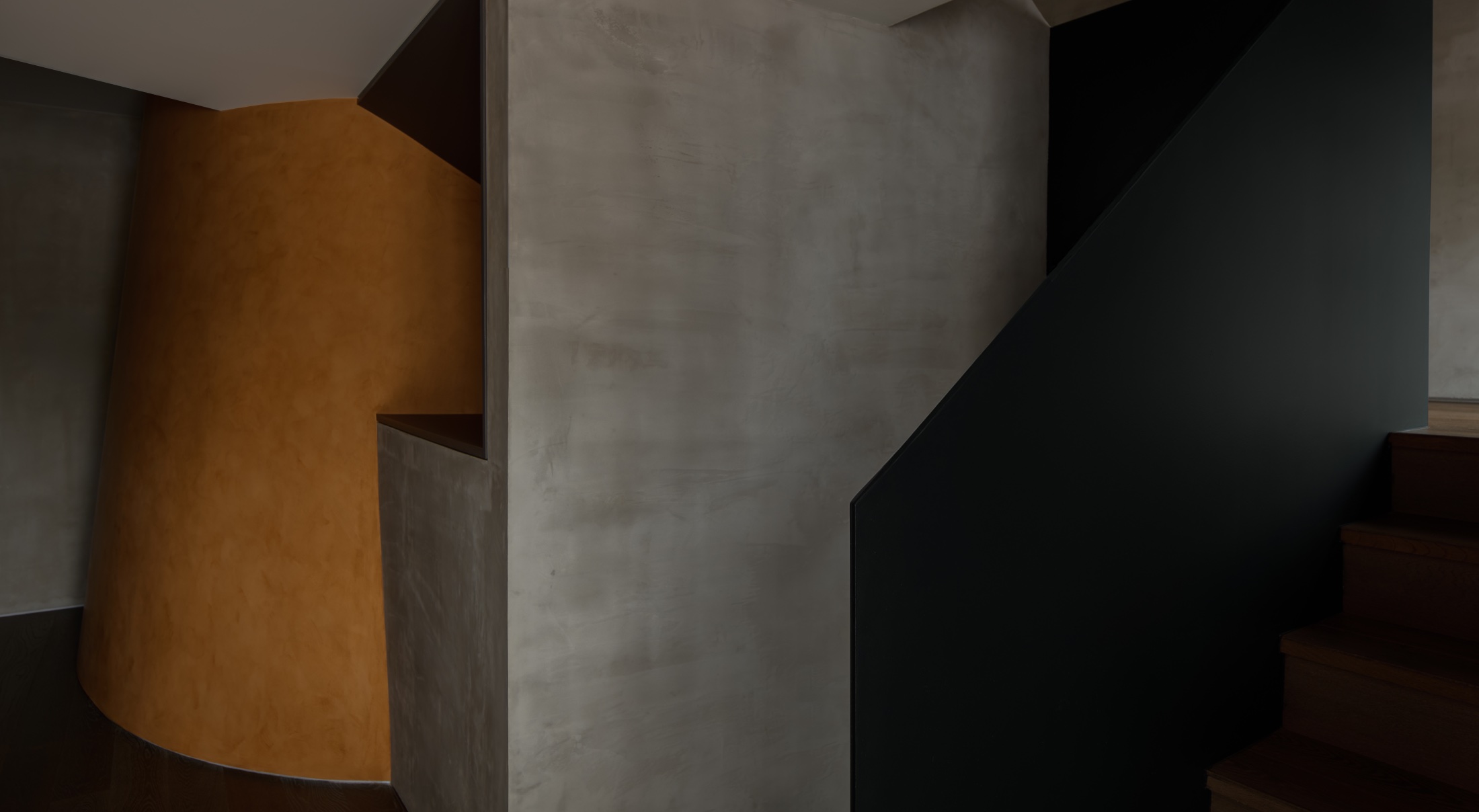
Structural integrity was less of a concern. In-situ concrete handled the load-bearing elements, with 3D-printed walls serving as permanent formwork. The real complexity lay in the detailing. “Ensuring watertightness, for instance, would be relatively straightforward in a conventional build,” Park explains. “However, in our case, 3D-printed surfaces are not flat. They are textured, ridged, and often curved.”
This made the junctions between printed surfaces and flat door and window frames particularly difficult to resolve. Working closely with CES_InnovFab, the team developed bespoke solutions to each challenge while preserving the design intent and aesthetic integrity of the project.
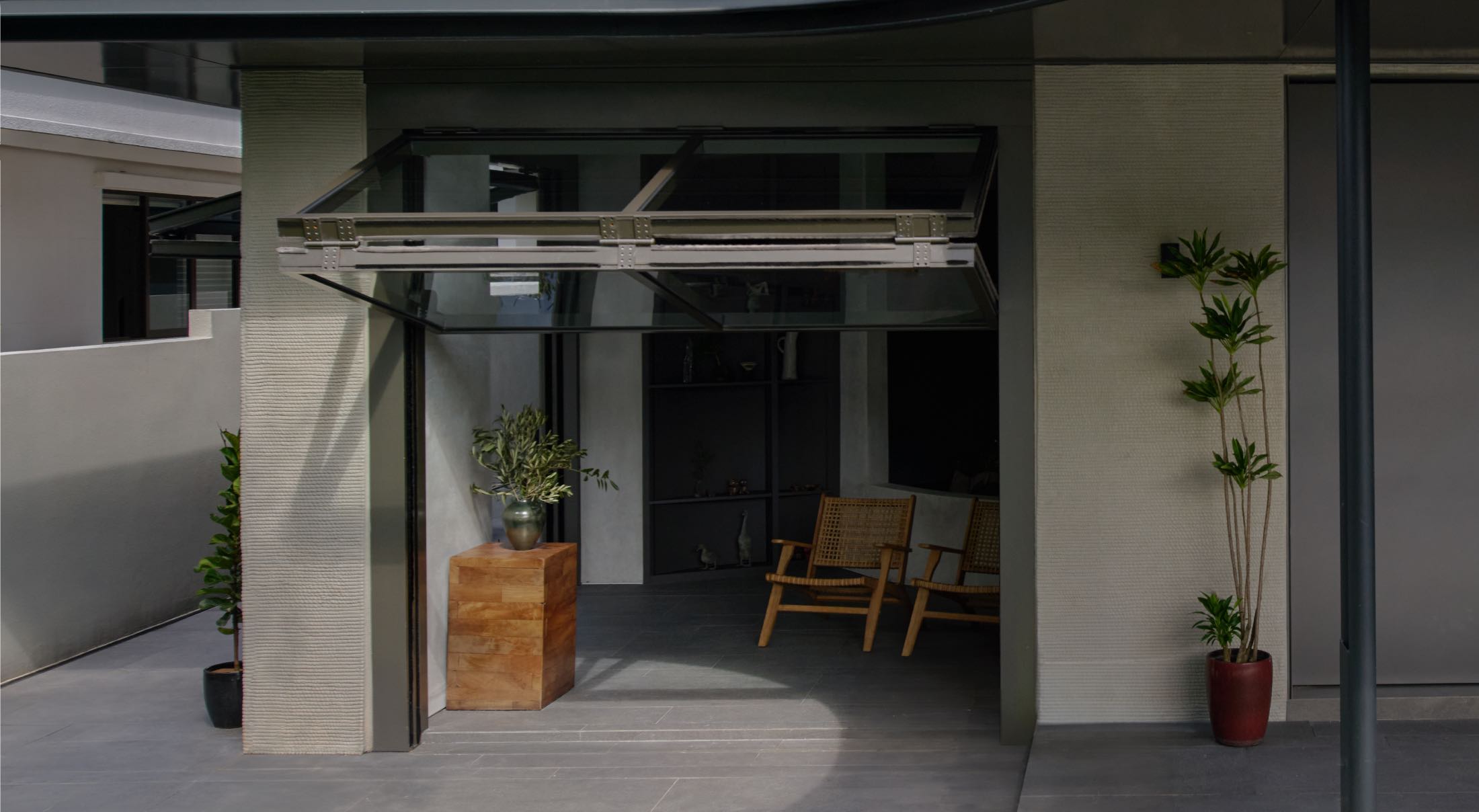
Throughout, Park was resolute that the technology would not dictate the architecture. “We remained rooted in our first principles to create high-quality, emotive spaces defined by light, shadow, scale, and atmosphere,” he says. However novel the construction method, the project is first and foremost a family home, one that must remain relevant and cherished for decades to come.
At the heart of the house lies its most poetic gesture: a sculptural oculus positioned above the dining space. At once an architectural centrepiece and an environmental device, it draws hot air upward to assist passive cooling while casting light across the interiors in shifting patterns throughout the day. The form carries personal resonance, too. A quiet homage to the neoclassical house that once stood on the same plot, connecting past and future in a single stroke.
QR3D inevitably raises a larger question: is this how our homes will be built? Park believes 3D printing could become a significant pillar of the construction industry, though he is candid about how much research and development remains before it can be widely adopted. Social acceptance, he notes, is as important as technical progress.
“I think the public needs to see that tech-driven homes do not necessarily equate to something cold or robotic,” he says. Human empathy and craftsmanship, he believes, will always prevail. Technology can be the hand that builds, but, as he puts it, “human empathy must be the mind that imagines, designs, and creates the sense of sanctuary and warmth that we long for”.


