For Jean-Baptiste Cherrière, wine was never an abstraction. It was part of the landscape—quite literally
Born near Paris and raised through his formative teenage years in France’s Loire Valley, Jean-Baptiste Cherrière grew up amid storied châteaux and vineyards defined by Chenin Blanc and Cabernet Franc. At home, bottles of Bordeaux and Vouvray were familiar companions at the table, quietly shaping a sensibility that would later find global expression.
Today, as vice president of Riedel Asia-Pacific (excluding Mainland China, South Korea, and Japan), Cherrière oversees one of the world’s most revered wine glassmakers across a region as diverse as it is dynamic. Based in Singapore for the past five years, and with more than a decade spent in Hong Kong working in consumer goods, he brings both European heritage and Asian market fluency to a brand that has spent 270 years perfecting how wine should be experienced.
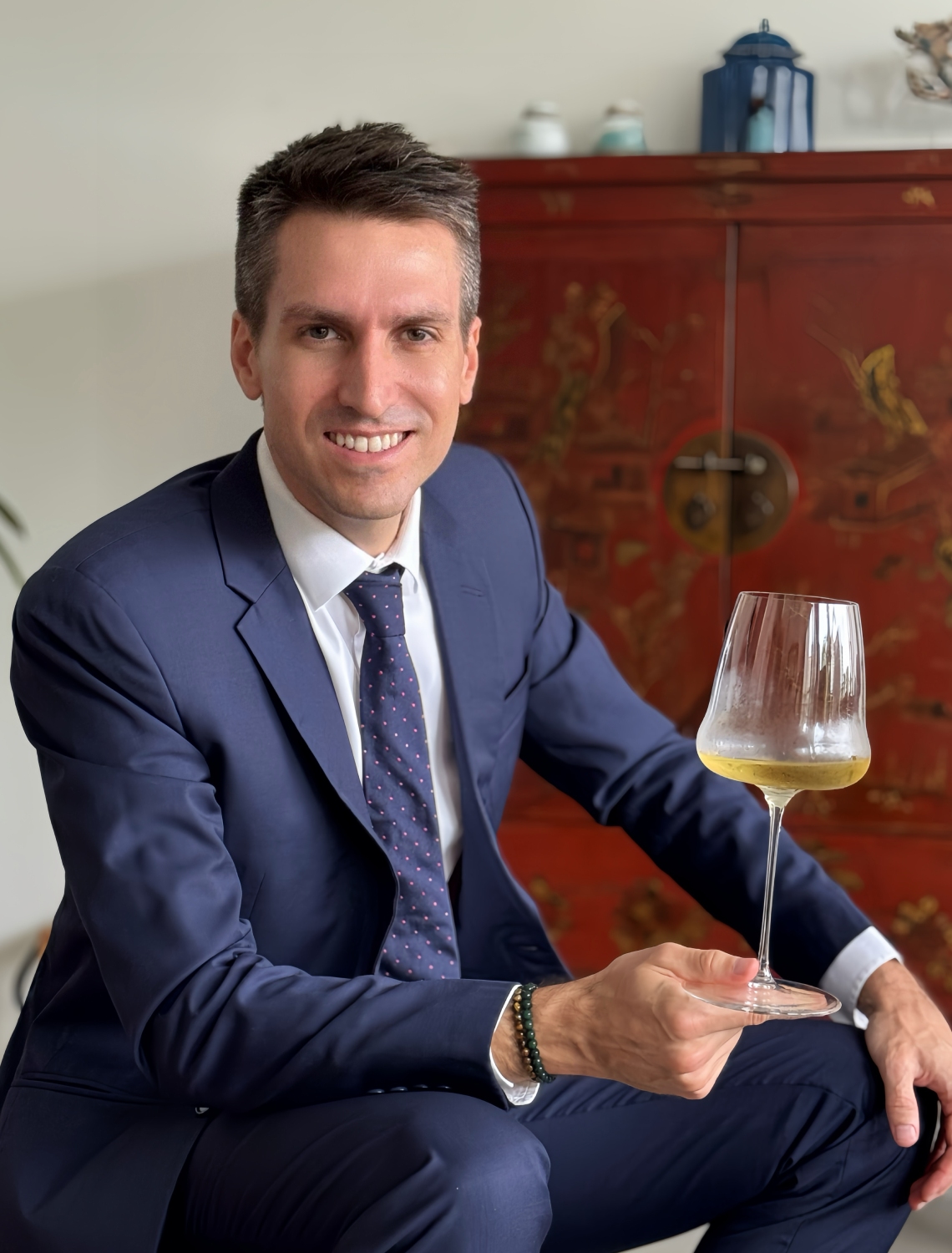
His personal journey and professional expertise converge in his mission: to help consumers across Asia not just drink wine, but to truly understand how it should be heard, felt, and appreciated.
A heritage brand, tuned for the present
Riedel’s position in the Asia-Pacific luxury market, Cherrière explains, rests on a rare equilibrium: deep-rooted craftsmanship paired with relentless innovation.
In recent years, Riedel has made significant investments in premium machine-made collections— delivering outstanding precision, consistency, and quality—to drive strong performance across both retail and HoReCa channels. At the same time, the brand remains deeply committed to its handmade production in Kufstein, Austria, where further innovations are planned.
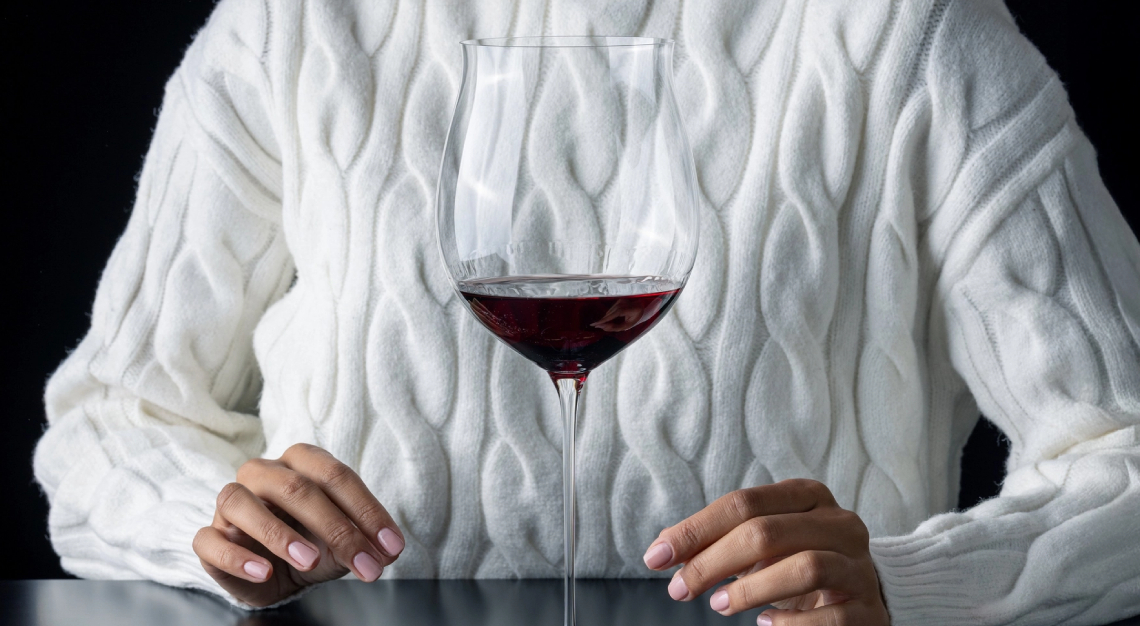
“This balance between industrial excellence and manual craftsmanship continues to reinforce Riedel’s leadership in the region,” Cherrière notes.
Riedel’s regional strength also comes from how it engages wine consumers across Asia. In this region, wine drinkers are often exposed from the outset to a vast array of regions, styles, and labels—particularly through retail environments. While this global perspective encourages curiosity, it can also be overwhelming. The result is a natural gravitation toward established names and iconic regions, especially in the early stages of wine appreciation.
This difference between East and West fundamentally shapes Riedel’s communication approach, making education, and not evangelism, central to the brand’s strategy.
One philosophy, many voices
That said, Asia-Pacific is anything but monolithic. “A one-size-fits-all approach would not work,” he says. Instead, the brand also relies on strong local grounding, whether through subsidiaries or long-term distribution partners. This allows Riedel to adapt messaging and assortments to local cultures while staying true to its core philosophy.
It gives rise to a brand that speaks with different accents—but the same conviction—whether in Australia, Southeast Asia, or emerging wine markets across the region.
The power of experience
If there is a single thread running through Cherrière’s leadership philosophy, it is experience over explanation.
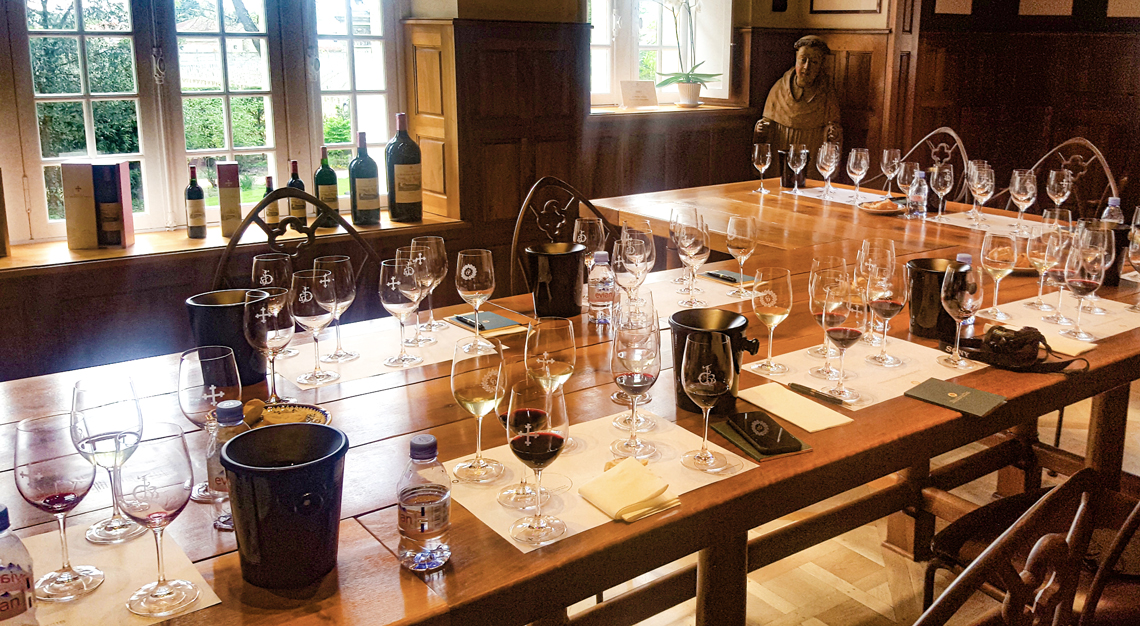
The brand’s famed Riedel Glass Experiences—comparative tastings that invite guests to try the same wine from different glass shapes—are imperative to its regional strategy. These sessions are held throughout Asia-Pacific and appeal equally to seasoned sommeliers and first-time wine drinkers.
The reactions, Cherrière says, are remarkably consistent. That moment of surprise, he explains, is not accidental. “I often see the same expression on guests’ faces—a mix of surprise and delight,” he recalls. “Many say they cannot believe how significant the difference is.”
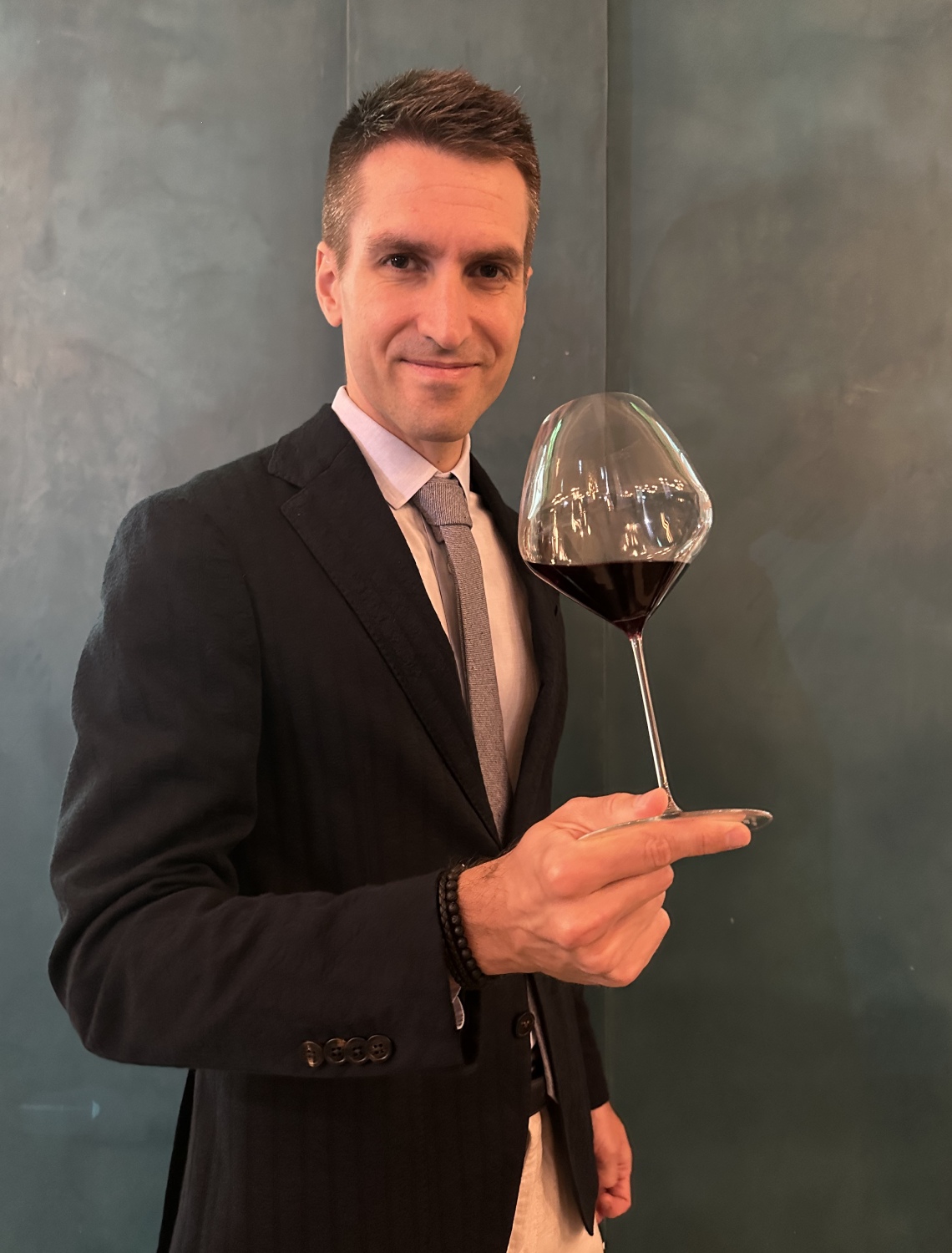
It is a moment he describes as transformative: when the glass reveals itself not as a decorative object, but as a tool—a “loudspeaker” that amplifies aroma, balance, and structure.
Function before form
At the heart of that revelation lies Riedel’s uncompromising belief in function.
“The shape of a glass is not simply a matter of design or aesthetics,” Cherrière says. “Each grape variety has its own aromatic profile and balance, and should therefore be handled in a customised way. For this reason, the most effective way to introduce Riedel is through experience.”
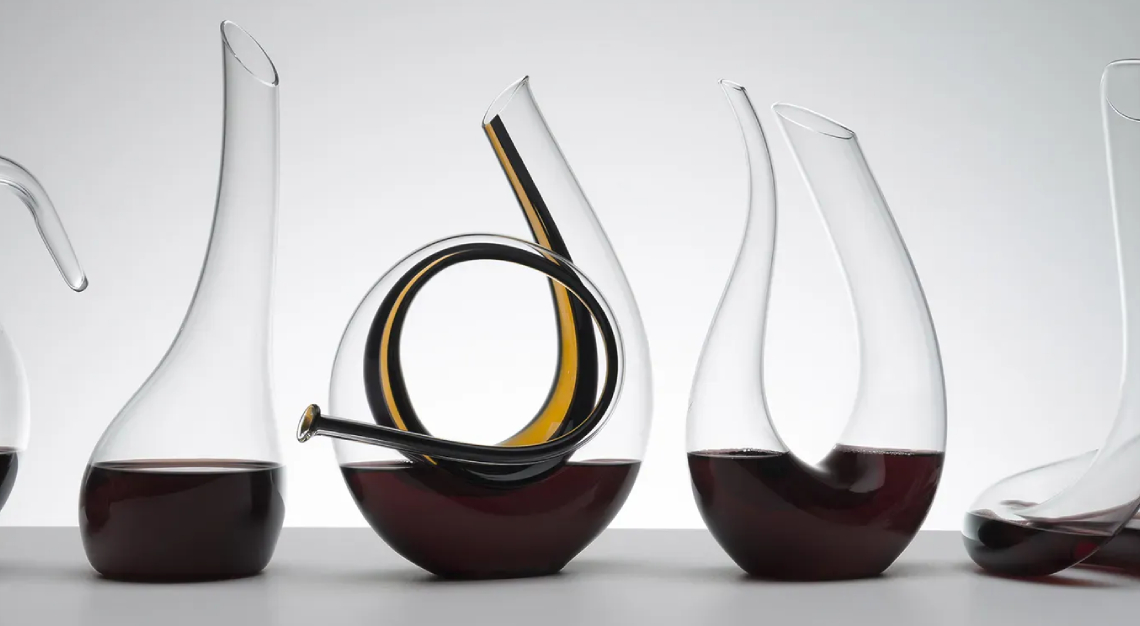
Every bowl is calibrated—in shape, size, and rim diameter—to allow a wine to express its character at its best. Once consumers grasp this principle, the experience naturally precedes the sale.
“By focusing on education and discovery rather than the product itself, the experience feels authentic,” he explains. “The decision to purchase follows naturally.”
Register here for the Maximilian J. Riedel Wine Glass Experience on 9 March 2026.